







Best Foods to Eat Before a Workout
As a busy mom who squeezes workouts into early mornings and nap-time windows, I’ve learned that what I eat before a workout directly impacts how strong, energized and focused I feel. In this guide, I’m sharing the best foods to eat before a workout, why they work and how I decide what to grab based on timing and training style. If you’re lifting heavy, planning a home workout or both, this list will help you fuel up with intention.
Quick Links:
When I’m fueling for a strength-training or cardio workout, I focus on pairing carbohydrates with protein. A good rule of thumb I often share is to aim for about 30g of carbohydrates and 15g of protein before a workout.
I keep fiber and fat moderate right before training. Too much of either can slow digestion and leave you feeling heavy or uncomfortable mid-workout. My goal is to feel energized, not sluggish.
Pre-Workout Snacks
If I’m eating within 30-60 minutes of a workout, I choose a snack over a full meal. A pre-workout snack gives me quick energy without feeling overly full or sluggish. This is especially important before high-intensity interval training (HIIT) or cardio intervals.
A smaller snack that includes a balance of carbs and protein helps keep your blood sugar stable and supports muscle performance. I keep fat and fiber moderate so digestion doesn’t compete with my workout.
Fruit
Fruit is one of my favorite quick pre-workout options because it’s simple, portable and easy to digest. Here are my favorites:
- Bananas: Bananas are a fast-digesting carbohydrate with natural sugars for quick energy before a workout. They also contain potassium, which supports muscle function.
- Apples: Apples are a great source of carbohydrates and natural sugars to boost energy. The fiber helps with satiety, but I’ll keep the portion moderate if I’m close to my workout.
- Oranges: Oranges are rich in vitamin C, which supports overall immune health. The natural sugars provide quick fuel, and the high water content can help support hydration.
- Berries: Berries provide carbs and antioxidants that combat exercise-related oxidative stress. I like pairing berries with a protein source, like Greek yogurt, for a balanced snack.
- Dried fruit: Raisins, dates or dried apricots are concentrated in carbs, making them ideal for a quick energy boost. They’re higher in sugar, so a small portion goes a long way.
Rice Cakes With Nut Butter and/or Honey
Rice cakes are one of my favorite light pre-workout carbs. They’re easy to digest and provide quick energy without weighing me down. Adding a nut butter, like peanut butter or almond butter, adds protein and healthy fat to help balance glucose levels. A drizzle of honey adds fast-acting carbs, which are especially helpful before strength training or HIIT.
Greek Yogurt With Berries
Greek yogurt is high in protein, with between 15-20g per serving. That protein supports muscle repair and growth, especially if I’m heading into a strength-focused workout. Berries add natural carbs for higher energy levels and antioxidants that may reduce oxidative stress. It’s both fuel and muscle support in one bowl.
Protein Bars or Energy Bites
Protein bars and energy bites are an easy win on busy mornings. I look for options with about 10-20g of protein and moderate carbs.
For a homemade option, I like my no-bake pumpkin energy bites. If you’re a chocolate lover, my tahini energy bites are another favorite. They deliver that chocolate flavor while still providing a balanced mix of macronutrients to fuel your workout.
If you prefer store-bought options, I have a roundup of my favorite protein bars to help you stay consistent instead of skipping fuel when life feels full.
Egg Bites
Egg bites are a great option when I want more protein without committing to a full meal, and they’re ideal for healthy meal prep. Eggs provide high-quality protein and essential amino acids that support muscle function.
If I’m eating egg bites closer to my workout, I’ll pair them with a small carb source like fruit or whole-grain bread. This combination helps provide both sustained energy and muscle support. You can add them to a breakfast sandwich, too.
Pre-Workout Meals
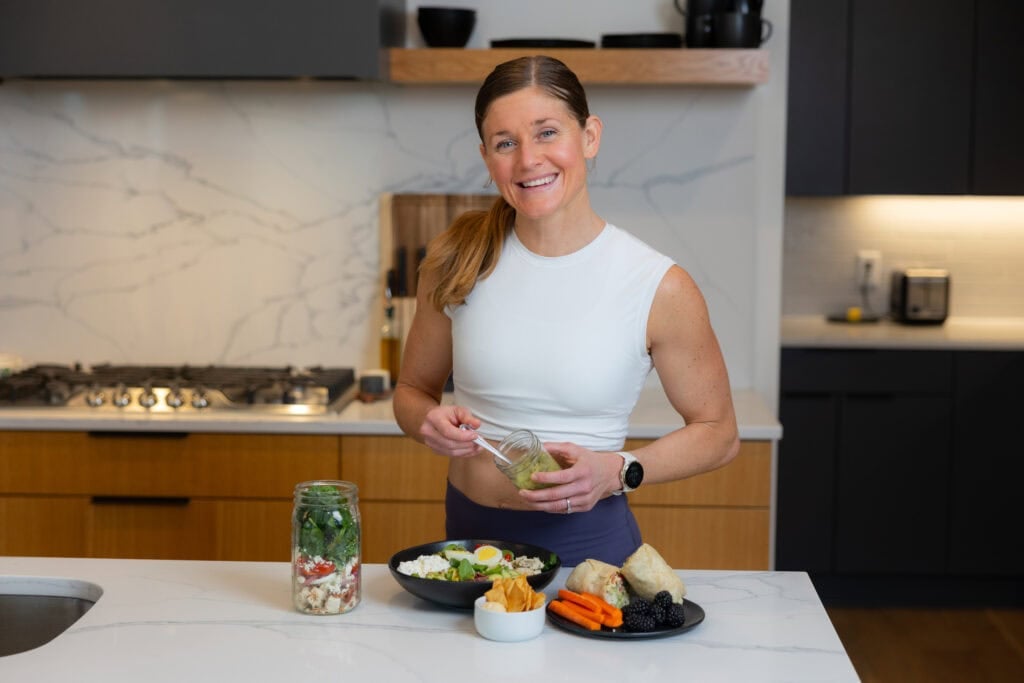
I reach for a meal instead of a snack when I know I won’t be training for at least an hour, or I’m planning a full-body strength workout or a longer cardio session. Balanced meals give my body a mix of protein, carbs and healthy fats for sustained energy, and help me avoid feeling hungry mid-workout routine.
Overnight Oats
Overnight oats are a perfect pre-workout meal because they combine complex carbs, protein and healthy fats in one easy-to-digest dish. I like prepping them the night before so they’re ready to grab in the morning.
The oats provide steady energy, protein keeps muscles fueled, and toppings like nut butter, fresh fruit or seeds add extra nutrients to power me through a workout. To satisfy a chocolate craving, I like my healthy chocolate mousse overnight oats.
Avocado Toast With Turkey
Avocado toast topped with turkey is a quick, balanced option for mornings when I have a little more time before training. The avocado provides healthy fats for satiety, the turkey adds lean protein to support muscle function, and the toast offers complex carbs for energy.
Lean Protein With Carbs and Veggies
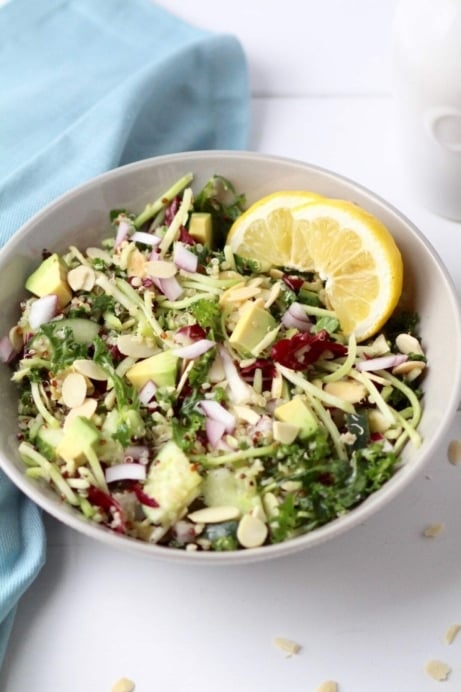
A meal with lean protein, complex carbs and vegetables is a versatile option for pre-workout fueling. This can look like sweet potato and sausage bowls, sheet pan chicken with roasted veggies, or high-protein salads with quinoa.
The protein supports muscle repair, carbs provide energy for performance, and vegetables add fiber and nutrients. I reach for this type of meal if I’m training later in the day or for a longer, more intense session.
Egg Scramble and Toast
Eggs paired with whole-grain toast are a classic pre-workout breakfast. Eggs deliver high-quality protein and essential amino acids to support muscle growth, and the toast provides complex carbs for energy. Adding a side of fruit or avocado can round out the meal and keep you energized.
Turkey Wrap
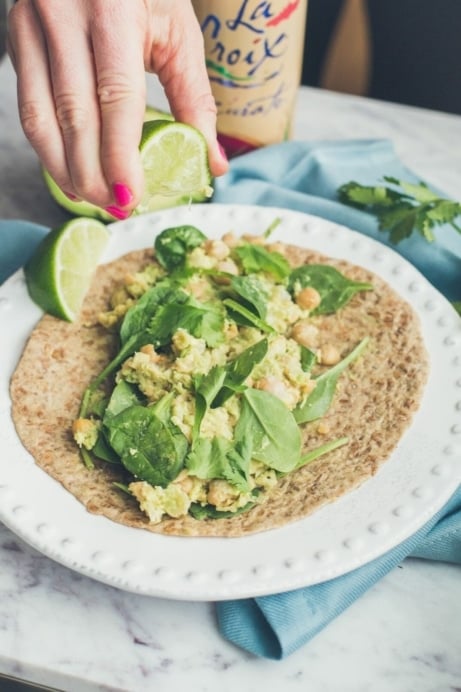
A turkey wrap is an excellent pre-workout lunch or mid-day snack when I plan to train in the afternoon. The wrap provides lean protein, carbs from the tortilla or bread, and veggies for fiber and nutrients. Add hummus for more protein.
Hydration and Beverages
Hydration plays a big role in how I feel during a workout. Even mild dehydration can impact energy, endurance and focus. Here’s what I focus on:
- Water: I make sure I’m consistently sipping water throughout the morning or afternoon leading up to my workout. Instead of chugging right before I start, I focus on steady hydration so I begin training feeling energized, not depleted. I personally aim for around 90 ounces of water a day, but individual needs will vary.
- Smoothies and Protein Shakes: A protein or fruit smoothie can double as hydration and fuel. I love a nutrient-dense green smoothie or this spinach and berry smoothie. The fruit provides carbs for energy, and the protein powder supports performance and muscle recovery. They’re great post-workout, too.
- Caffeine: Caffeine can increase alertness and reduce feelings of fatigue. I like coffee about 30 to 45 minutes before training, but I also pay attention to how my body responds and adjust based on timing and how I’m feeling that day.
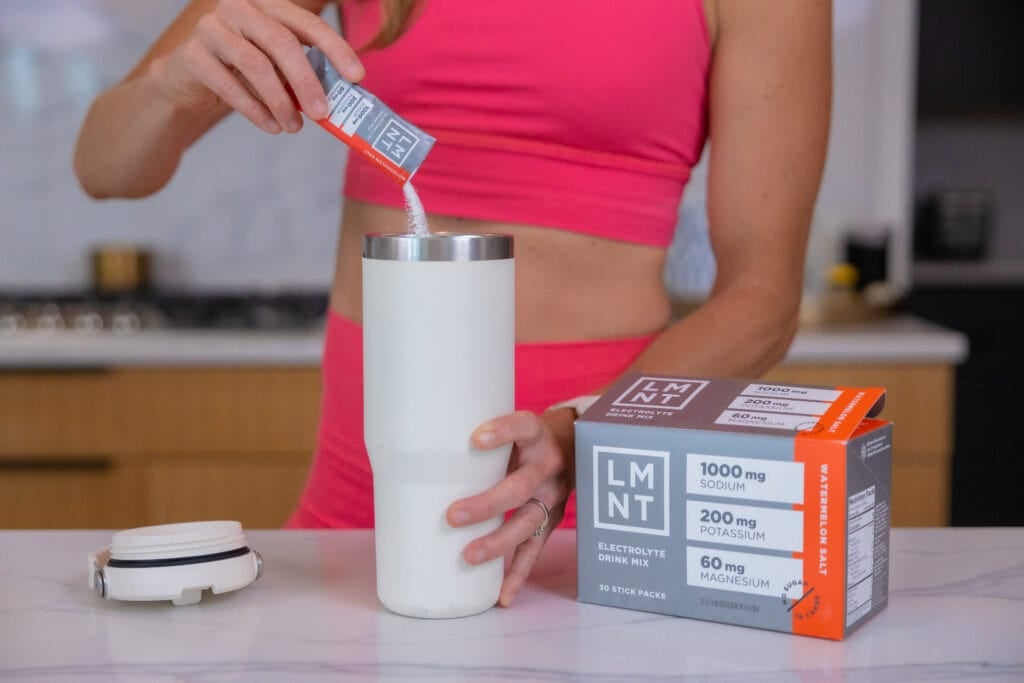
- Electrolytes: For high-intensity or especially sweaty physical activity, I add an electrolyte drink mix to my water. Electrolytes like sodium, potassium and magnesium help replace what’s lost in sweat and support muscle function. I prefer a quality electrolyte powder rather than high-sugar sports drinks, especially for strength and HIIT training.
What to Avoid
When you’re fueling up before a workout, some foods and drinks can make you feel sluggish, uncomfortable or low on energy. Here are the most common things I avoid before training to support my fitness goals:
- Fried or greasy foods: These take a long time to digest and can leave you feeling heavy and bloated during your workout, slowing down your performance.
- High-fat meals eaten too close to training: Like fried foods, high-fat meals sit in your stomach longer and can compete with the blood flow needed for working muscles.
- Very high-fiber foods right before a session: Foods like beans or high-fiber cereals are great overall, but they digest slowly and can cause bloating if eaten close to a workout.
- Sugary beverages and candy: Natural sugar from fruit is helpful for quick energy, but sugary sodas or candy can spike your blood sugar and crash your energy mid-workout.
- Spicy foods: You don’t want heartburn or indigestion while you’re moving, especially when you’re trying to focus on your training.
- New foods: Anything unfamiliar can be unpredictable for digestion. I stick to the right foods, as well as foods I know sit well before a workout, so I don’t risk discomfort.
Additional Tips
Over time, I’ve learned what helps me feel energized, strong and ready to move. These little strategies make fueling feel simple and manageable, even on busy days:
- Personalize your approach. Every body is different. I pay attention to how I feel during my workout and adjust portions, timing and food choices accordingly. If you have unique nutritional needs, it’s always wise to consult your healthcare provider or registered dietitian for personalized guidance.
- Pair carbs with protein. Carbohydrates give you accessible energy, while protein supports muscle performance and recovery. Even adding a small amount of protein to a carb-based snack can make a noticeable difference in how steady your energy feels.
- Adjust based on workout intensity. A light mobility workout may require less fuel than a heavy strength session or HIIT workout. I match my intake to the demands of the training.
- Plan ahead. Keeping simple snacks on hand, like fruit, yogurt or energy bites, makes it easier to fuel consistently, even on busy mornings.
- Think long-term, not perfect. One snack won’t make or break your results, whether that’s building muscle or weight loss. Consistently fueling your body well over time is what supports strength, energy and progress.
FAQs
Should you work out on an empty stomach?
I don’t recommend fasted cardio or working out on an empty stomach, especially for women. Skipping fuel before higher-intensity workouts can increase stress on the body and leave you feeling fatigued, lightheaded or underpowered.
How long should you wait to exercise after eating?
In general, I find that most small, carb-focused snacks digest well within about 30 minutes. That gives my body enough time to start using the energy without feeling heavy or sluggish.
If the snack is larger or contains more fat or fiber, I try to wait closer to 60 minutes before training. Those nutrients take longer to digest and can sit in your stomach if you jump into a high-intensity workout too quickly.
That said, real life doesn’t always allow for perfect timing. As a busy mom, I don’t always have 30 to 60 minutes to spare. I pay attention to how my body feels and adjust. Sometimes that means choosing a lighter snack, sometimes it means starting my workout sooner.
Does pre-workout nutrition differ for cardio versus strength training?
It can. While both cardio and strength training benefit from carbohydrates and protein beforehand, I slightly adjust based on the type and intensity of the workout.
For strength training, I prioritize pairing carbs with protein. Carbs fuel weightlifting, while protein supports muscle performance and recovery. This is especially important for heavy lifts, full-body workouts or progressive overload sessions where I’m asking a lot of my muscles.
For cardio, I may lean on carbohydrates since they’re the body’s preferred energy source for sustained movement. If it’s a longer or higher-intensity cardio workout, I still include some protein to help support muscle maintenance.
Fueling Your Body for Success
Pre-workout healthy eating is all about giving your body the energy it needs to perform at its best. Whether you choose a small snack, balanced meal or protein-packed smoothie, the goal is the same: fuel your muscles, support performance and set yourself up for a strong workout.
Pay attention to timing, pair carbs with protein, stay hydrated and avoid foods that leave you feeling sluggish. Most importantly, listen to your body, experiment with what works for you and remember that everyone’s needs are a little different.
When you fuel your body intentionally, you show up stronger, recover faster and feel more confident in every session!
More Recipes
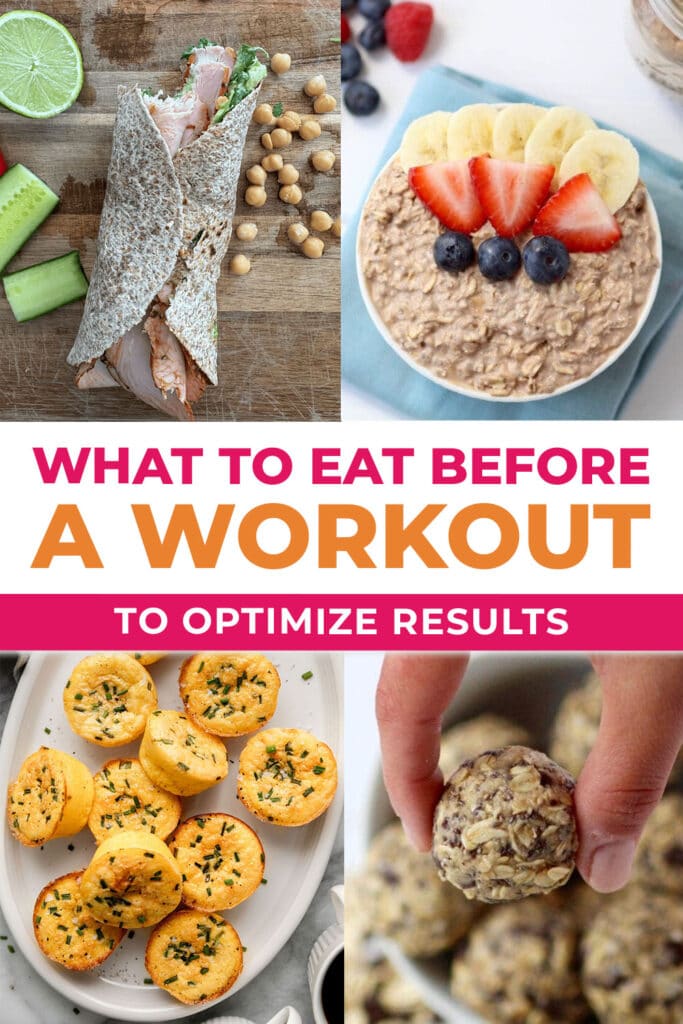
Nutrition-Based PostsPin This: What to Eat Before a Workout (And What to Avoid)
no comments

Leave a Comment