





Barre vs. Pilates: What’s the Difference?
If you’re deciding between barre vs. Pilates, I’m breaking down the similarities, differences and benefits of each to help you choose the best workout for your goals. Both are low-impact, strength-focused workouts that can improve flexibility, posture and overall body awareness, but they challenge your body in different ways. Whether you’re looking to build endurance, strengthen your core or add variety to your routine, understanding how each workout works can help you find the right fit for your goals.
Barre is a ballet-inspired workout that combines small, high-repetition movements with strength and endurance training. Pilates focuses on controlled movement, deep core activation and alignment. Both offer great benefits, and the best choice really comes down to your personal fitness goals and the type of movement you enjoy most.
What Is Barre?
Barre is a workout inspired by ballet, Pilates and traditional strength training. It was originally developed in 1959 by dancer Lotte Berk. She wanted to combine ballet conditioning exercises with rehabilitative therapy movements to create a workout designed to improve strength, flexibility and posture.
Despite its dance roots, you don’t need any ballet experience to do barre. Most barre workouts focus on small, controlled movements that target specific muscle groups through high repetitions, light weights and bodyweight exercises. In a barre studio, you’ll often hear cues to pulse or hold, which helps keep tension on the muscles and builds endurance.
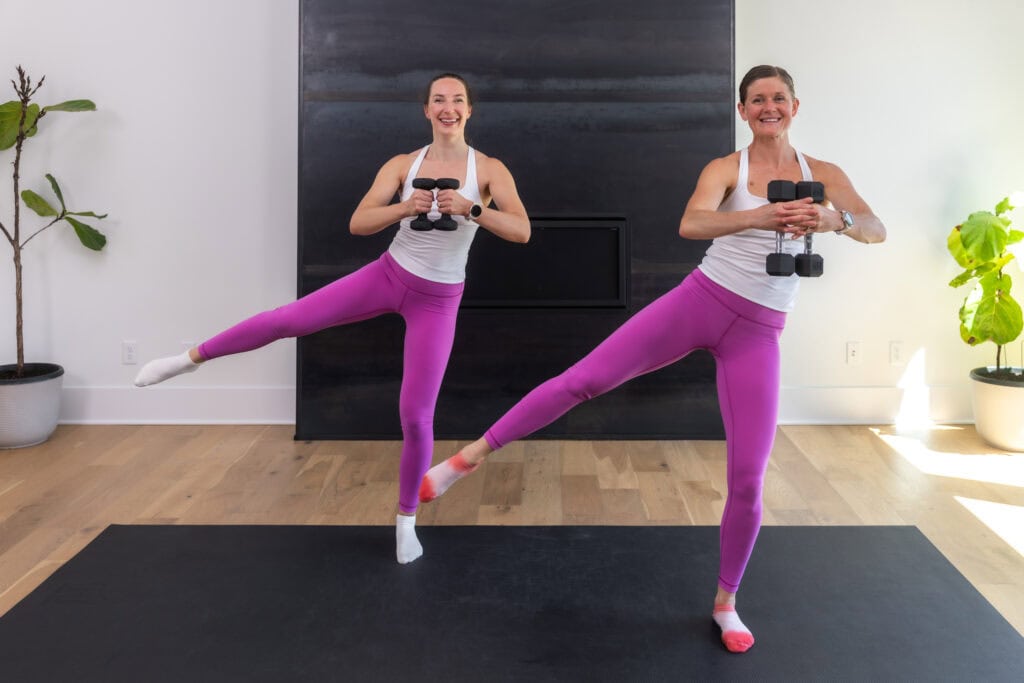
A typical barre workout includes movements like plié squats, lunges, leg lifts, planks and upper-body sculpting exercises. They’re often done using light dumbbells, resistance bands or a ballet barre/chair for balance and support. Many barre classes also incorporate core work and stretching throughout the workout.
Benefits
What makes barre unique is its focus on muscle endurance and time under tension. Instead of lifting heavy weights, barre pushes your muscles through repeated movements until fatigue. That’s why you might feel the signature “shake” during class. Here are a few more benefits:
- Tones and Strengthens Muscles: Because barre targets specific muscle groups, it can help strengthen and define muscles throughout the body, especially your legs, glutes, core and arms.
- Low-Impact on Joints: Most barre exercises are gentle on the joints, making them a great option for beginners, postpartum moms or anyone looking for a challenging workout without jumping or high-impact movements.
- Improves Balance and Stability: Many barre exercises require balance work, engaging your core, or using stabilizing muscles, which can help improve coordination and overall body control.
- Enhances Posture: Barre emphasizes alignment and body awareness, which can help strengthen the muscles that support better posture and spinal stability.
- Increases Flexibility: Because barre workouts often include stretching between strength intervals, they can help improve flexibility and mobility while reducing muscle tightness.
- Strengthens Mind-Muscle Connection: Barre requires intentional, focused movement, helping you become more aware of how your body moves and engages during exercise.
What Is Pilates?
Pilates is a low-impact workout designed to improve core strength, posture, flexibility and breathing through slow, controlled movements. It was developed in the early 20th century by Joseph Pilates. He originally created the method as a way to help rehabilitate injured soldiers and train dancers while building strength.
Every Pilates exercise is performed with intention, and the emphasis is on the quality of your movements, not speed or repetition. The goal is to strengthen the body, particularly the deep core muscles, while improving stability and mobility. It’s considered a form of strength training because it uses controlled resistance and bodyweight movements to build muscular strength.
There are 2 primary types of Pilates: mat Pilates and reformer Pilates. Mat Pilates is performed on the floor using your own bodyweight and, sometimes, resistance bands, Pilates balls or sliders. Reformer Pilates uses a specialized machine with springs and pulleys to provide additional resistance and support throughout the workout.
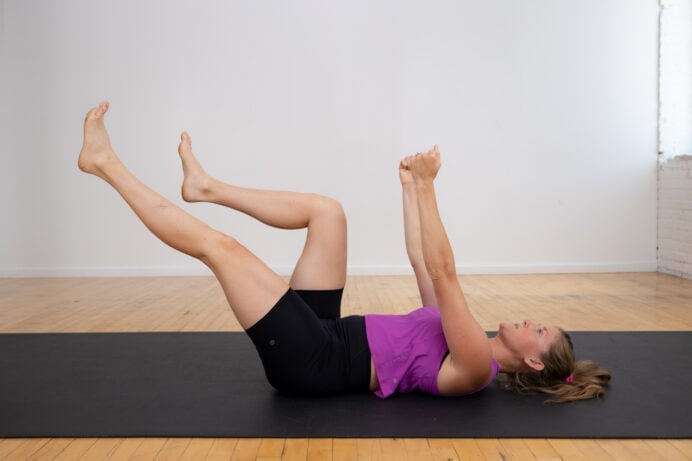
A typical Pilates workout includes exercises like bridges, leg lifts, planks, roll-ups and controlled core movements, with a strong emphasis on breathing and proper form.
Benefits
I like Pilates when I want to improve body awareness and move with more intention. The exercises require concentration, encouraging you to focus on your breath, form and muscle engagement throughout each one. Here are a few additional benefits of Pilates:
- Strengthens Deep Core Muscles: Pilates is great for targeting the deep core muscles, including the transverse abdominis, pelvic floor and muscles that stabilize the spine. This helps create a stronger, more supported midsection.
- Improves Posture: Because Pilates emphasizes spinal alignment and core engagement, it can help strengthen the muscles responsible for better posture and reduce slouching.
- Enhances Flexibility and Mobility: Pilates incorporates stretching and controlled range-of-motion work, which can improve flexibility and joint mobility over time.
- Builds Functional Strength: Rather than isolating one muscle at a time, Pilates trains multiple muscle groups to work together, helping improve strength that carries over into everyday movement.
- Supports Better Balance and Stability: Many Pilates exercises challenge coordination and stability, helping improve balance and body control.
- Can Help Reduce Back Pain: By strengthening the core and improving posture, Pilates may help relieve or prevent certain types of lower back discomfort when practiced consistently and with proper form.

Can You Do Barre and Pilates Together?
Barre and Pilates complement each other really well. Both are low-impact and focus on intentional movement, but each offers unique benefits that can support a well-rounded workout routine.
Barre is high-rep and tends to emphasize muscle endurance and full-body strength through isometric movements. Pilates is focused more on deep core activation, alignment, posture and mobility. When combined, the two can help you build strength, improve flexibility, enhance posture and increase overall body awareness.
I like pairing barre and Pilates because they challenge the body in slightly different ways while still supporting similar goals. You might do barre when you want a more fast-paced, muscle-burning workout and Pilates when you want to slow down and strengthen your core.
Rotating both into your weekly routine can also help prevent workout boredom, which is so important for building a sustainable fitness practice. If you’d like to try it, check out my 2-Week Barre and Pilates Challenge.
The Best Choice for Your Goals
If you’re trying to decide between one form of exercise and the other, the best option really depends on your personal fitness goals. Both workouts can improve strength and mobility, but there are unique training benefits to each.
If your goal is endurance and full-body toning, barre may be the better fit. If your focus is deep core strength, posture and controlled movement, Pilates may be the better choice. Ultimately, the best workout is the one you like enough to stay consistent with.
Choose Barre If…
- You want to build muscle endurance and tone.
- You enjoy faster-paced, high-repetition workouts.
- You like feeling the “burn” from small, repetitive movements.
- You want a low-impact workout that still feels challenging.
- You enjoy full-body workouts that combine strength and cardio elements.
- You’re looking to improve balance and stability.
Choose Pilates If…
- You want to strengthen your core.
- You want to improve posture and spinal alignment.
- You enjoy slower, more controlled workouts.
- You want to focus on flexibility and mobility.
- You’re interested in improving body awareness.
- You’re looking for a low-impact workout focused on precision.
Choose a Barre-Pilates Combination If…
- You want to build muscular endurance and deep core strength.
- You’re looking for a balanced routine that supports strength, mobility and flexibility.
- You like variety in your workouts.
- You want to improve your posture and overall body awareness.
- You like combining higher-energy workouts with more precise movements.
- You want a fitness routine that challenges your body in different ways
- You’re focused on functional fitness and moving well in your day-to-day.
Recommended Barre and Pilates Workouts
- 5 Beginner Pilates Ab Exercises
- 5 Advanced Pilates Ab Exercises
- 10-Minute Barre Core Workout
- 10-Minute Prenatal Pilates
- 15-Minute Beginner Pilates
- 15-Minute Mat Pilates
- 25-Minute Pilates Class at Home
- 30-Minute Barre Sculpt at Home
- 30-Minute Cardio Kickboxing Barre Workout
- 30-Minute Standing Barre Workout
FREE 2-WEEK PROGRAM
Download A Barre/Pilates Workout Plan!
Build lean muscle and deep core strength with this 2-Week Barre and Pilates Challenge. Download the FREE plan here.
Download Plan
FAQs
Can you get toned from barre?
Barre workouts can help you build lean muscle and lead to a more toned appearance over time. Because it uses high repetitions, light resistance and small pulsing movements, it challenges your muscles under tension, which can improve definition. Barre may elevate your heart rate during faster-paced classes, but it’s primarily a strength and endurance workout rather than a true cardiovascular workout. Pilates isn’t as calorie-burning as higher-intensity cardio workouts, either.
Is Pilates suitable for beginners?
Pilates is suitable for most fitness levels, including beginners. Many Pilates exercises can be modified to match where you are, so it’s a more approachable option if you’re new to exercise or returning to a regular routine after time away. Because Pilates emphasizes breathing and proper form, it can also be a great way to learn foundational movement patterns before progressing to more high-intensity workouts.
Is Pilates good for high cortisol?
Pilates can be a helpful option for people looking to manage their stress because it combines intentional breathing with slow, controlled movement. While no workout will “cure” high cortisol, many people find that lower-intensity exercise like Pilates feels less taxing on the body than aerobic cardio or high-intensity training.
Can Pilates or barre help prevent osteoporosis?
Pilates and barre can both support bone health as part of a well-rounded fitness routine. Barre includes weight-bearing and muscle-strengthening movements, and both can improve balance, flexibility and stability, which reduces the risk of injury and falls as you age.
Higher-impact exercise and heavier resistance training are generally considered most effective for building bone density, but Pilates and barre can be great complementary workouts. I recommend pairing them with more traditional strength training if improving bone health is one of your primary goals.
Final Thoughts
Both barre and Pilates are effective, low-impact workouts that can help you build strength, improve mobility and feel more connected to your body. Barre leans more into muscular endurance, higher repetitions and that full-body burn, while Pilates focuses on deep core strength, alignment and controlled, intentional movement.
I always tell my clients that there’s no “better” option between the two. The one that fits your goals, energy levels and what you enjoy enough to stay consistent with should be the one you choose. You can also do both, whether that’s alternating weeks or combining movements from both disciplines into one complete workout.If you’re just getting started, keep it simple. Try each style, pay attention to how you feel during and after each workout, and let that guide you. The best routine is the one you can come back to again and again, and both barre and Pilates can be part of a sustainable fitness practice.
More Posts
Educational FitnessPin This: Barre vs. Pilates: Understanding the Differences
no comments
Leave a Comment