





Boxing Workouts for Beginners: Combos to Build Speed, Power & Cardio
As a personal trainer, I am constantly looking for ways to break up my cardio routine so that I don’t get bored or burn out. This beginner boxing workout is meant to break up your repetitive cardio routine and introduce you to a new skill – all while helping to build a lean, functional body that keeps up with your daily workload! Whether juggling your kids or your career, women of all ages and fitness levels can benefit from a good boxing workout.
Ever noticed how boxers seem to be lean, athletic and super confident? It comes from combining footwork drills like jump rope and virtual sparring (shadow boxing) with strength and conditioning like calisthenics (sit-ups, burpees, pull-ups and squats) into high-intensity interval training or HIIT.
If you’re new to boxing or boxing-inspired workouts, adding these exercises to your favorite HIIT workout or Tabata routine 1-2 times per week is a great way to learn the fundamentals. You’ll build confidence, improve coordination and become more comfortable with each boxing combination over time.
Note: If you are recovering from an injury or surgery, avoid using a punching bag or punch mitts without consulting a physician, especially in the case of shoulder, arm, wrist or hand issues.
Equipment to Have on Hand
I recommend a punching bag or punch mitts with boxing gloves; however, this workout is still super effective if done with only shadow boxing.
Instructions
Your Workout Looks Like This:
- Circuits: 3, 5-minute circuits
- Time Per Exercise: 1-minute
- Cool Down: 90 seconds between 5-minute circuits
Note: I recommend doing this workout as a mixture of bag work and shadow boxing.
Sample Workout Outline
1. Jab and Hook (1 minute)
Targets: Shoulders, chest, upper back, core, obliques, hips, glutes, quadriceps and forearms.
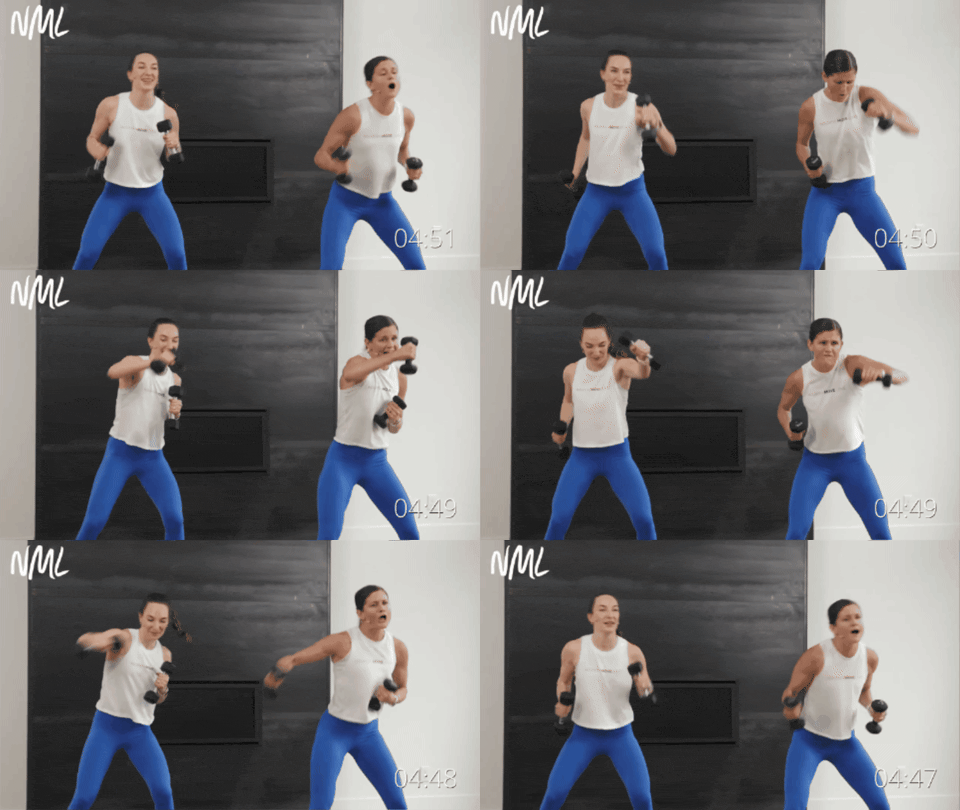
How to Do a Jab and Hook
- Stand with your feet shoulder-width apart in an athletic boxing stance, knees slightly bent, and your hands up in a defense or guard position.
- Engage your core and throw a jab with your lead hand, extending your arm straight before quickly returning it to your guard.
- Rotate your hips and torso as you throw a hook with your lead arm, keeping your elbow bent at about a 90-degree angle.
- Return your hand to your guard position and reset your stance while maintaining a slight bend in your knees.
- Continue repeating the jab and hook combination with controlled movements, keeping your core engaged and your punches fluid.
Modification(s): Slow the pace and practice each punch individually before combining them into one smooth sequence. Focus on proper form and controlled rotation rather than speed or punching power.
2. Jab, Crossbody Punch, Hook and Uppercut (1 minute)
Targets: Shoulders, chest, upper back, core, obliques, hips, glutes, quadriceps and forearms.
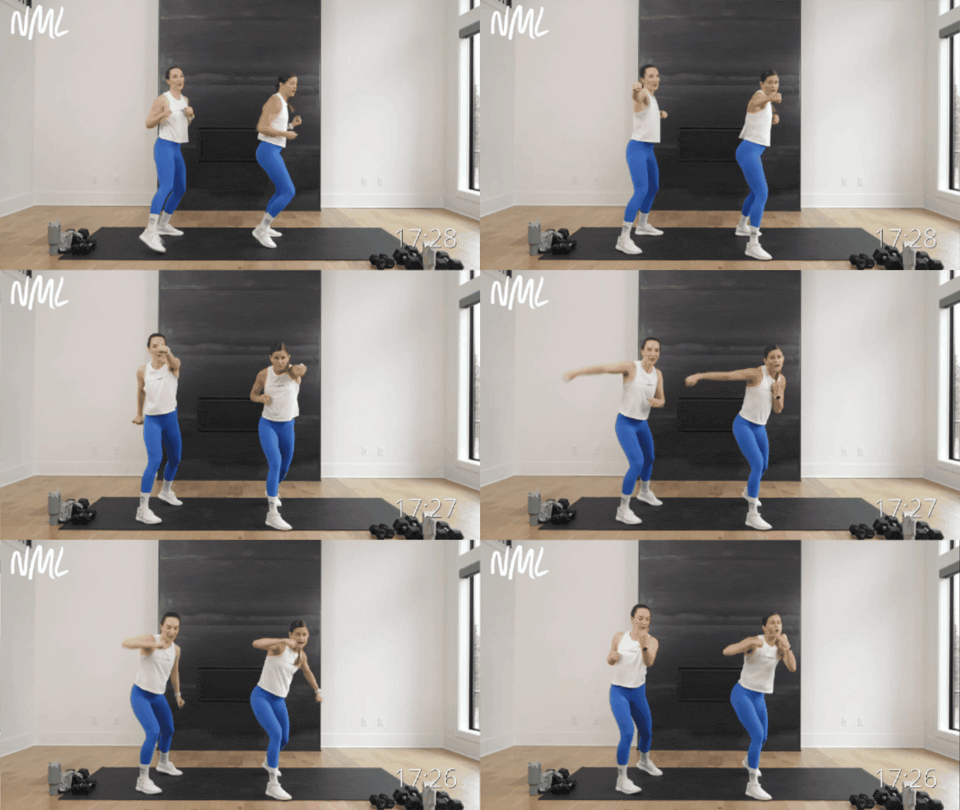
How to Do a Jab, Crossbody Punch, Hook and Uppercut
- Stand with your feet shoulder-width apart in an athletic boxing stance, knees slightly bent, and your hands up in a guard position.
- Engage your core and throw a jab with your lead hand, extending your arm straight before returning it to your guard.
- Follow with a crossbody punch by rotating your hips and torso as you punch diagonally across your body, then return to your guard position.
- Throw a hook by rotating through your hips and bringing your lead arm across your body with your elbow bent at about a 90-degree angle.
- Finish with an uppercut by driving through your legs and hips as you punch upward with a bent arm, then return both hands to your guard position.
- Continue repeating the combination with smooth, controlled movements while maintaining good posture and steady breathing.
Modification(s): Slow the pace and focus on controlled movements, proper rotation, and returning to your guard after every punch.
3. Jab Cross Speedbag (1 minute)
Targets: Shoulders, chest, upper back, core, obliques, hips, biceps, triceps and forearms.
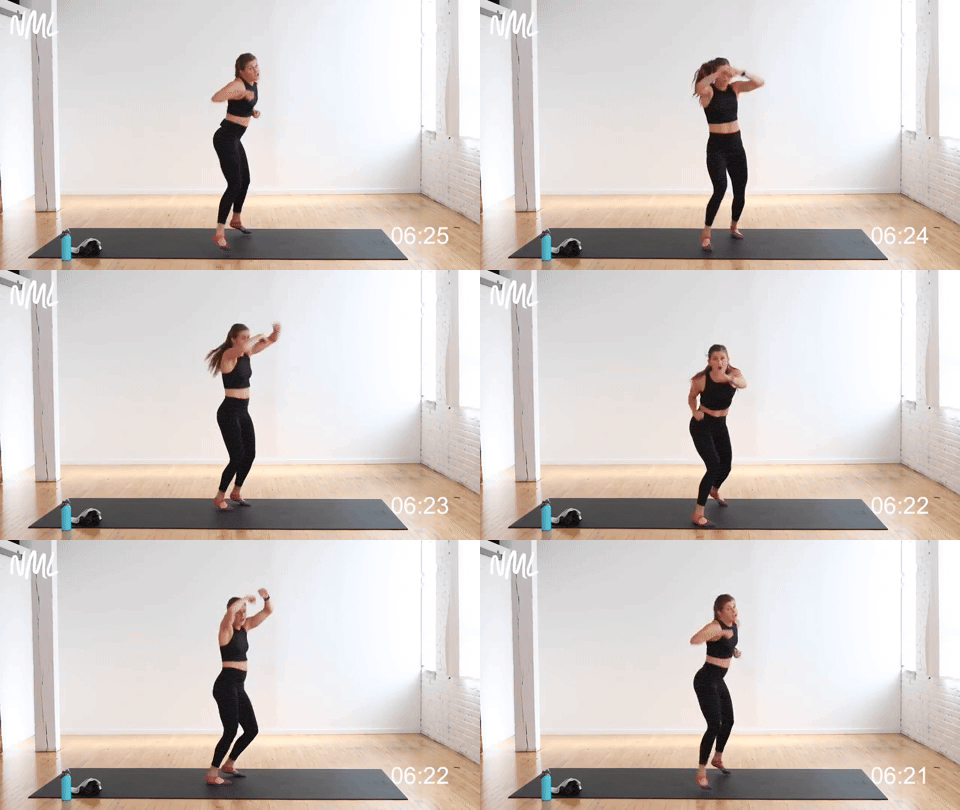
How to Do a Jab Cross Speedbag
- Stand with your feet shoulder-width apart in an athletic boxing stance, knees slightly bent, and your hands up in a guard position.
- Engage your core and throw a jab with your lead hand, extending your arm straight out before quickly returning it to your guard.
- Follow immediately with a cross, rotating your hips and torso as you extend your rear arm. Return your hand to your guard position after the punch.
- Transition into a speedbag motion by making small, controlled circles with your fists in front of your face while keeping your elbows lifted and your core engaged.
- Continue alternating between the jab, cross, and speedbag motion with smooth, controlled movements while maintaining an athletic stance.
Modification(s): Break up the boxing combo into individual movements if form becomes confused or jumbled.
4. Bob and Weave Squat (1 minute)
Targets: Quadriceps, glutes, hamstrings, calves, core, obliques, hips, shoulders and lower back.
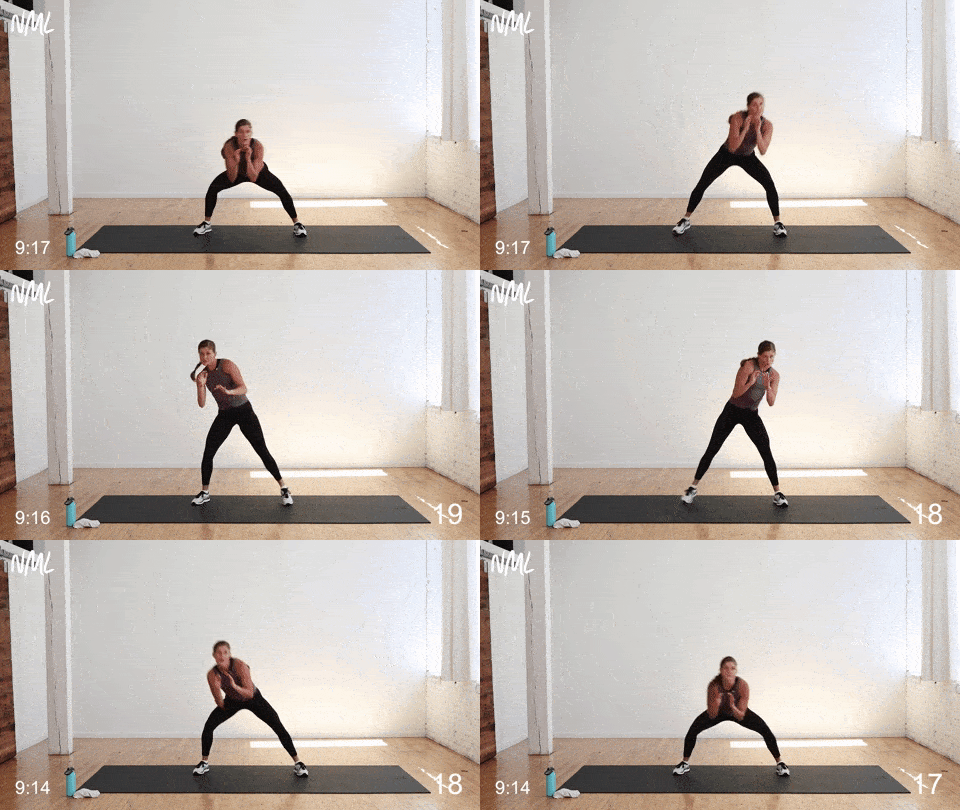
How to Do a Bob and Weave Squat
- Stand with your feet slightly wider than shoulder-width apart, knees slightly bent, and your hands up in a guard position.
- Engage your core and lower into a squat while shifting your body slightly to one side, keeping your chest lifted and your eyes forward.
- As you rise, weave under an imaginary punch by driving through your legs and moving your head and shoulders in a smooth “U” shape to the opposite side.
- Lower into another squat as you complete the weave, maintaining your guard and keeping your knees aligned with your toes.
- Continue alternating sides with each repetition, moving with control and keeping your core engaged throughout the exercise.
Modification(s): Decrease the depth of the squat or perform the bob and weave without squatting until you’re comfortable with the head movement. Focus on controlled side-to-side motion before increasing speed or range of motion.
5. Hook and Tap (1 minute)
Targets: Shoulders, chest, upper back, core, obliques, hips, glutes, quadriceps and forearms.
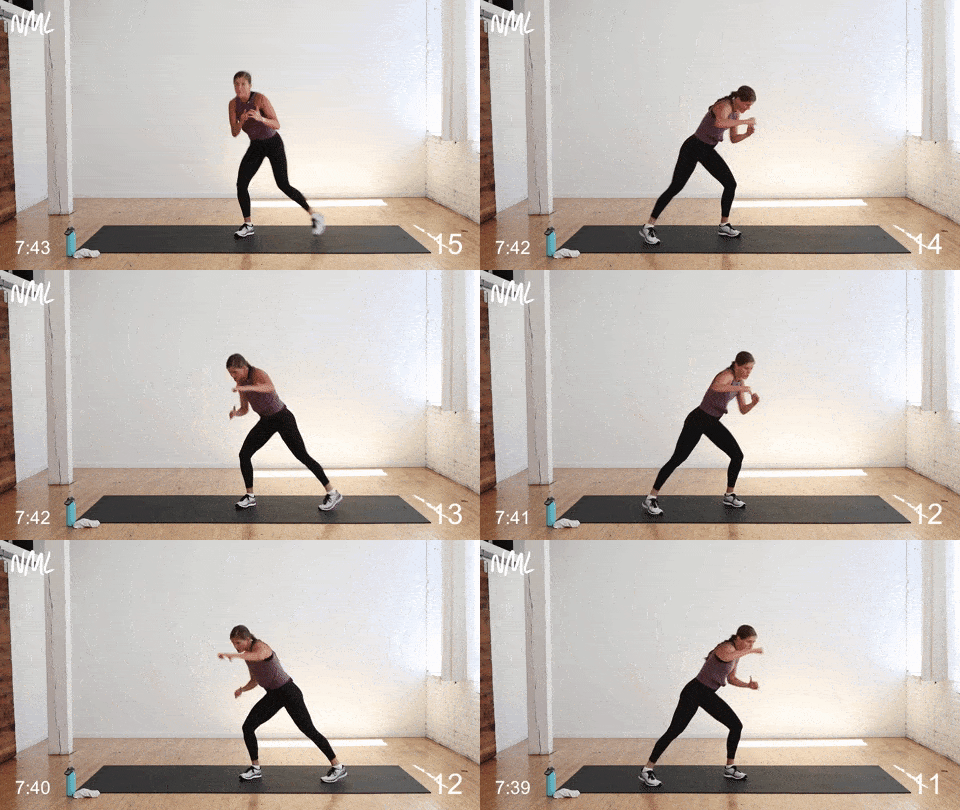
How to Do a Hook and Tap
- Stand with your feet shoulder-width apart in an athletic stance, knees slightly bent, and your hands up in a guard position.
- Engage your core and rotate your hips and torso as you throw a lead hook, keeping your elbow bent at about a 90-degree angle and your fist at shoulder height.
- Return your hand to your guard position, then repeat with a rear hook by rotating through your hips and pivoting your back foot.
- After completing the hooks, lightly tap the heavy bag or punch target with one or both hands to maintain rhythm and prepare for the next combination.
- Reset your stance, keep your hands up, and repeat the movement with controlled, fluid motions.
Modification(s): Practice the hook motion without a heavy bag to focus on proper rotation and technique.
Full-Length Boxing Workouts
10-Minute Cardio Kickboxing Tabata Workout
Cardiovascular endurance and core conditioning collide in this no-jumping, cardio kickboxing workout! This 10-minute tabata-style HIIT workout is quick and effective. Use it as a cardio warm-up, add it to a longer workout, or squeeze it in when you only have 10 minutes to workout at home.
- Workout Time: 10 Minute
- Equipment: None, just your bodyweight.
- YouTube Link: 10-Minute Cardio Kickboxing Tabata Workout
25-Minute Core and Cardio Kickboxing Workout
Punch, jab and kick your way through this 25-Minute Cardio Kickboxing Workout at home (no equipment needed)! This quick and fun, full-body workout burns major calories while sculpting your midsection from every angle.
- Workout Time: 25 Minutes
- Equipment: None, just your bodyweight.
- YouTube Link: 25-Minute Core and Cardio Kickboxing Workout
30-Minute Cardio Kickboxing Barre Workout
Build lean muscle, challenge your core strength and improve your cardiovascular endurance with this cardio kickboxing barre workout. Cardio kickboxing barre blends the sculpting power of barre with heart-pumping kickboxing drills, creating a dynamic workout that will leave you feeling strong and energized.
- Workout Time: 30 Minutes
- Equipment: Optional Light Dumbbells. I recommend between 2-15 lbs, depending on your fitness level. I’m using 5 lb dumbbells in today’s workout.
- YouTube Link: 30-Minute Cardio Kickboxing Barre Workout
35-Minute Boxing Workout at Home
This full-body session targets the lower body, upper body and core while improving muscular strength, cardiovascular fitness, coordination and endurance. It’s ideal for anyone looking for an efficient, time-saving workout that blends strength training with high-energy boxing combinations, combining resistance-based exercises (like squats, presses and lunges) with dynamic boxing drills to keep your heart rate elevated and your muscles working throughout.
- Workout Time: 35 Minutes
- Equipment: Heavy dumbbells for the strength training blocks. I recommend between 15-25 lbs, depending on your fitness level. Optional light dumbbells for the boxing blocks. I recommend 3-5 lbs, but you could perform these with just your bodyweight as well.
- YouTube Link: 35-Minute Boxing Workout at Home
40-Minute Strength and Kickboxing Workout at Home
Strength training and cardio kickboxing collide in this sweaty, full-body workout! Burn major calories in the back-to-back kickboxing drills and build strength in the upper body, lower body and core during the strength circuits.
- Workout Time: 40 Minutes
- Equipment: Medium-to-heavy dumbbells. We are using 15-20 lb weights in the workout video.
- YouTube Link: 40-Minute Strength and Kickboxing Workout
Other Movements You Can Add In
1. Push-Ups
Targets: Chest, shoulders, triceps, back, abs and core muscles.
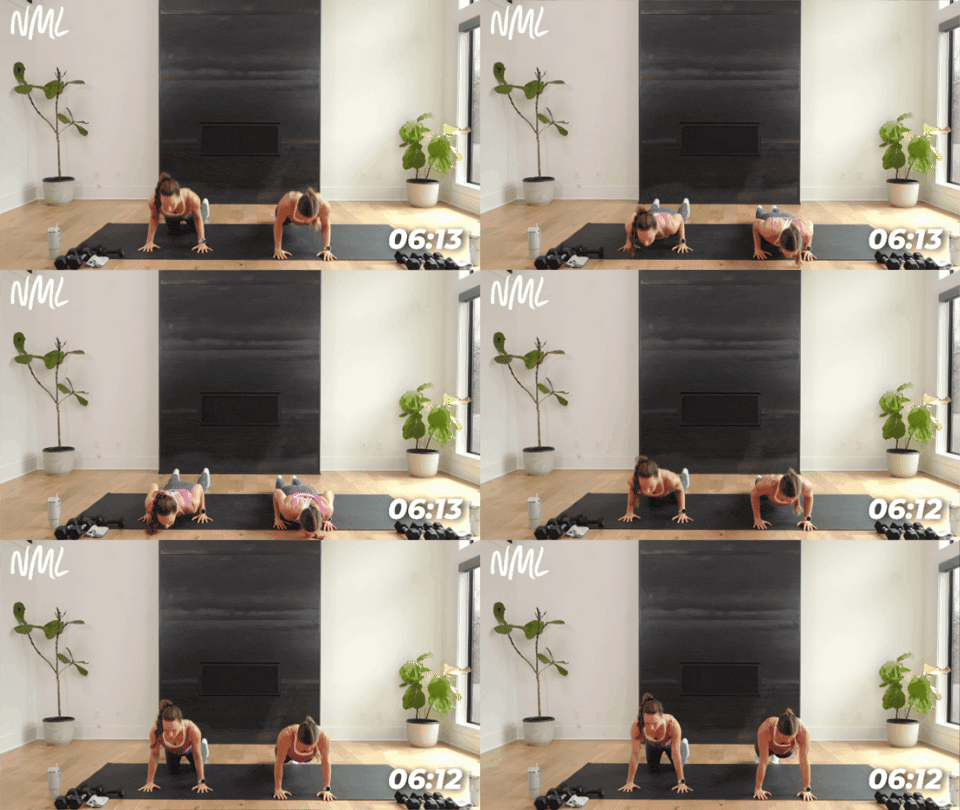
How to Do a Push-Up
- Start in a high plank position with your shoulders stacked over your wrists, weight evenly distributed among all 10 fingers. Pull your kneecaps up towards your belly, feet hip-width apart.
- Hold this plank position, maintaining a straight line with your body, gaze slightly in front of you.
- Slowly lower your chest down towards the ground as your elbows fall back towards your hips (not out to the sides).
- Once at the bottom of your push-up, exhale as you push back up into high plank position, returning to the starting position.
Modification: If holding a high plank causes wrist pain, place your hands on a pair of sturdy dumbbells. Check out this push-up progression if you are struggling with full-depth push-ups.
2. Bodyweight Squats
Targets: Legs, glutes, quads, hamstrings, hip flexors and core.
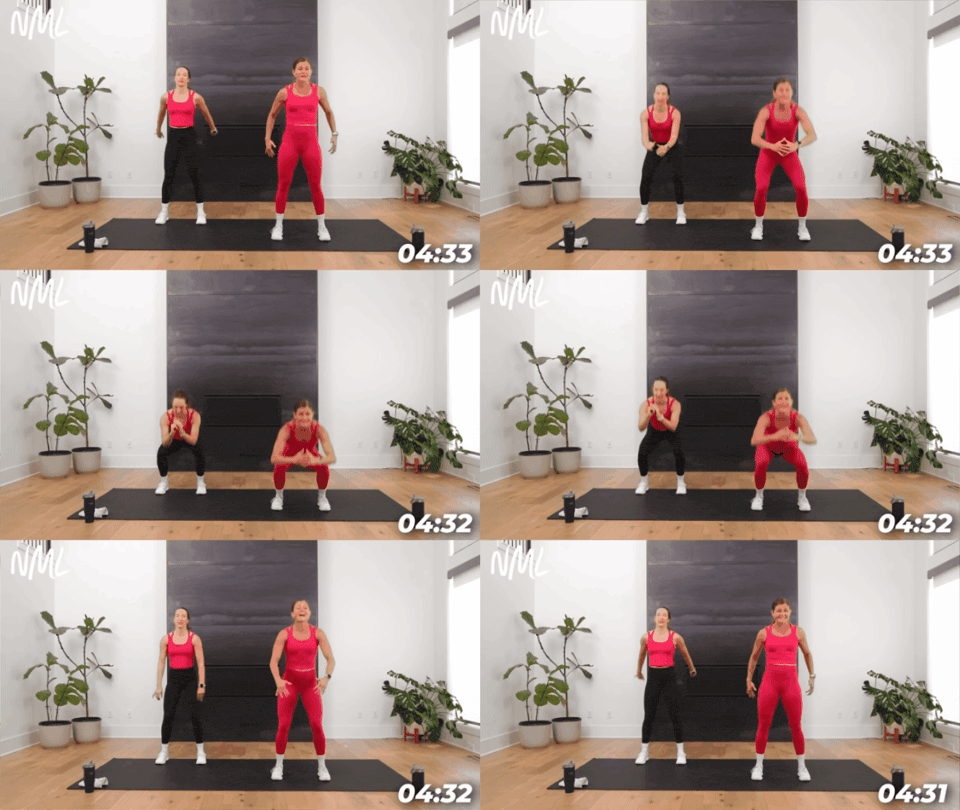
How to Do a Bodyweight Squat
- Stand with your feet shoulder-width apart, shoulders stacked over hips, and knees slightly bent. Think about engaging your core and keeping your spine neutral.
- Lower into a squat by sitting your hips back (as if sitting in a chair). Lower until your thighs are parallel to the floor, 90-degree bends in both knees.
- Drive through your heels to stand tall, completing one rep.
Common Mistakes: Don’t allow your knees to collapse in; instead, focus on pressing your knees out towards your pinky toes.
Modifications: Consider doing box squats or shallower squats to reduce intensity. Alternatively, if squats don’t feel good, substitute these lunge and squat alternatives. When I was doing this workout post-knee surgery, I would sub glute bridges for squats.
3. Burpees
Targets: Upper body (chest, arms, back, shoulders), lower body (legs, glutes, hips) and core.
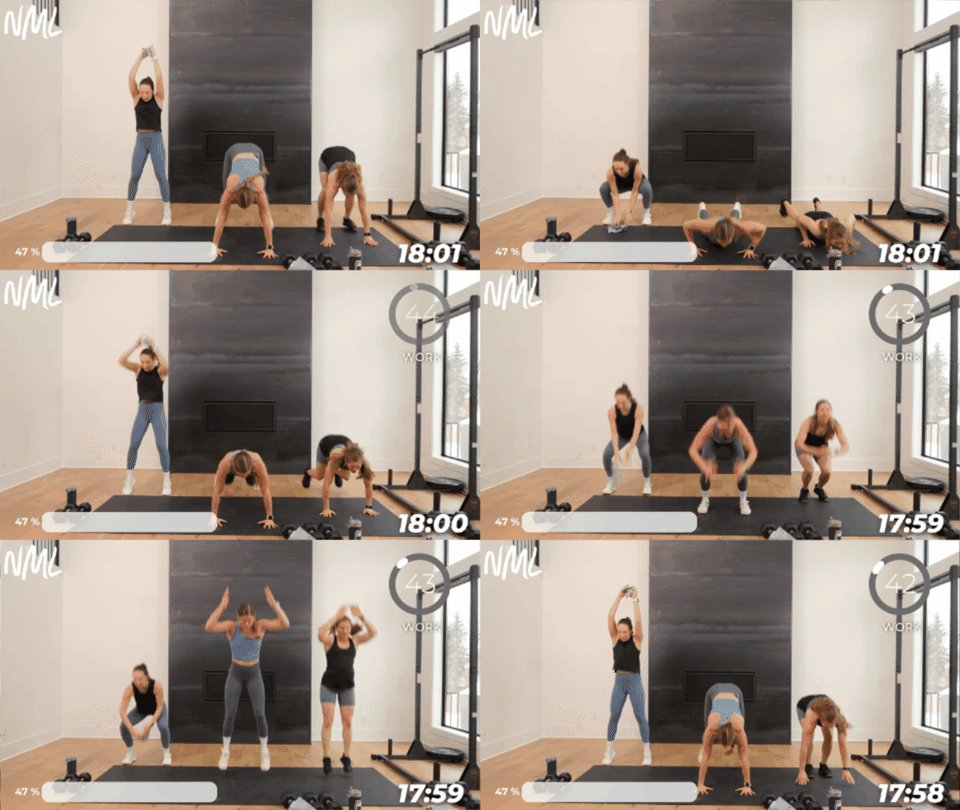
How to Do a Burpee
- Start standing, feet shoulder-width apart, arms at your sides.
- Bend your knees and drop your hips as you lower into a squat position, then place your hands on the floor directly in front of your feet.
- Shift your weight into your hands as you jump your feet back to softly land on the balls of your feet in a high plank position. Your body should form a straight line from your head to your heels.
- Elbows fall back towards your body as you lower your chest towards the ground, bringing your chest to meet the floor. Press back up and return to high plank.
- Jump your feet up, landing outside your hands in a loaded squat position. Then drive through your legs to explode up, reaching arms overhead as you stand tall, returning to starting position.
Modification: Substitute towel slams for burpees. Or perform walking burpees, stepping your feet in and out of plank position rather than jumping.
4. Bicycle Crunches
Targets: Rectus abdominis, transverse abdominal muscles, obliques and hips.
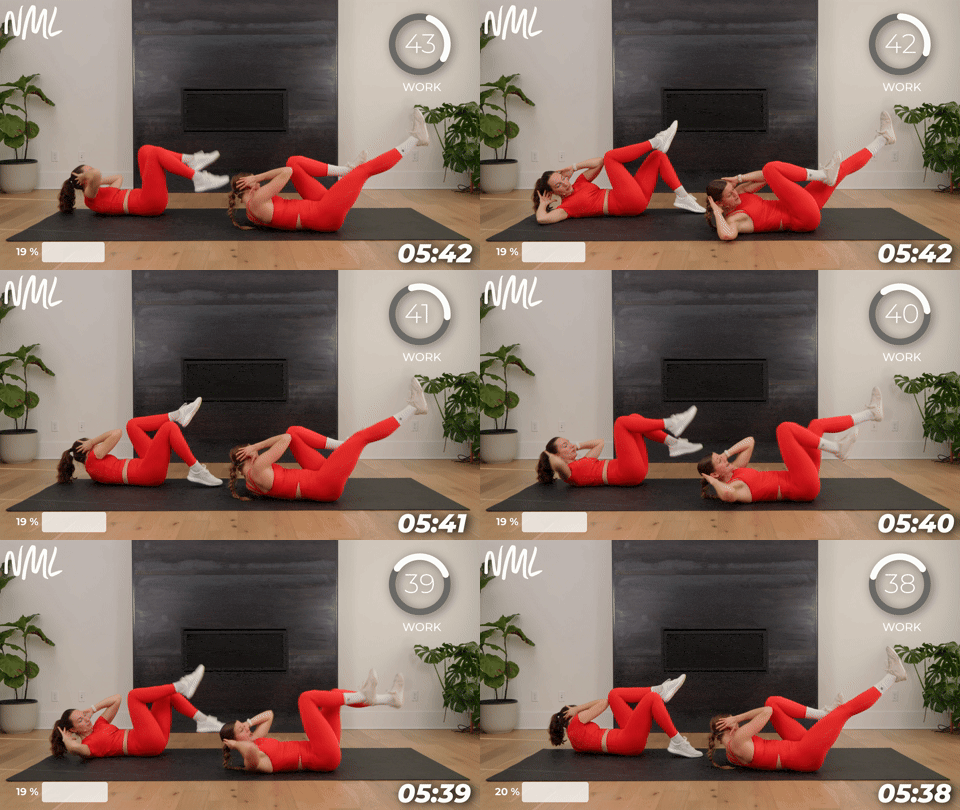
How to Do a Bicycle Crunch
- Start lying flat on your back, lower back pressing firmly into the mat. Bring your legs to a raised 90-degree bend.
- Lift your head, neck and shoulder blades off the ground (avoid straining your neck). Place your hands behind your head and think about pressing your head into your fingertips.
- Lift your right elbow towards your left knee as you extend your right leg long. Aim to touch the left elbow to the mat.
- Slowly return to the starting position and repeat on the other side. Pulling your left elbow towards your right knee as you extend your left leg long, right elbow touches the mat.
- Continue to repeat this ‘bicycling’ movement, alternating knee to elbow crunches.
Modification(s): Option to perform an overhead dumbbell march.
5. Pull-Ups
Targets: Latissimus dorsi (lats), biceps, rhomboids, trapezius (traps), deltoids (shoulders), forearms and core.

How to Do a Pull-Up
- Reach up and grip the pull-up bar with your palms facing away from your body (overhand grip), hands slightly wider than shoulder-width distance apart.
- Hang from the bar: Allow your body to hang freely with your arms fully extended.
- Perform the pull-up: Initiate the pull-up by squeezing your shoulder blades together and pulling your chest towards the bar. Keep your elbows pointed downward throughout the movement.
- Complete the pull-up: Continue to pull your body, pulling your chest up until your chin is above the bar, or as high as you can comfortably go. Keep your core engaged and your body straight throughout the movement.
- Lower yourself down: Slowly lower yourself back down to the starting position, extending your arms fully to return to the starting position.
Common Mistakes: Instead of thinking “chin over bar,” think “elbows to hips.” This encourages proper muscle engagement and prevents excess straining or swinging.
Modification(s): If you can’t do a pull-up, start by performing assisted pull-ups with a resistance band. Then, increase max pull-up reps by following a pull-up progression program. You could also substitute ring rows for pull-ups.
6. Russian Twist
Targets: Upper abs, lower abs, obliques, core and hips.
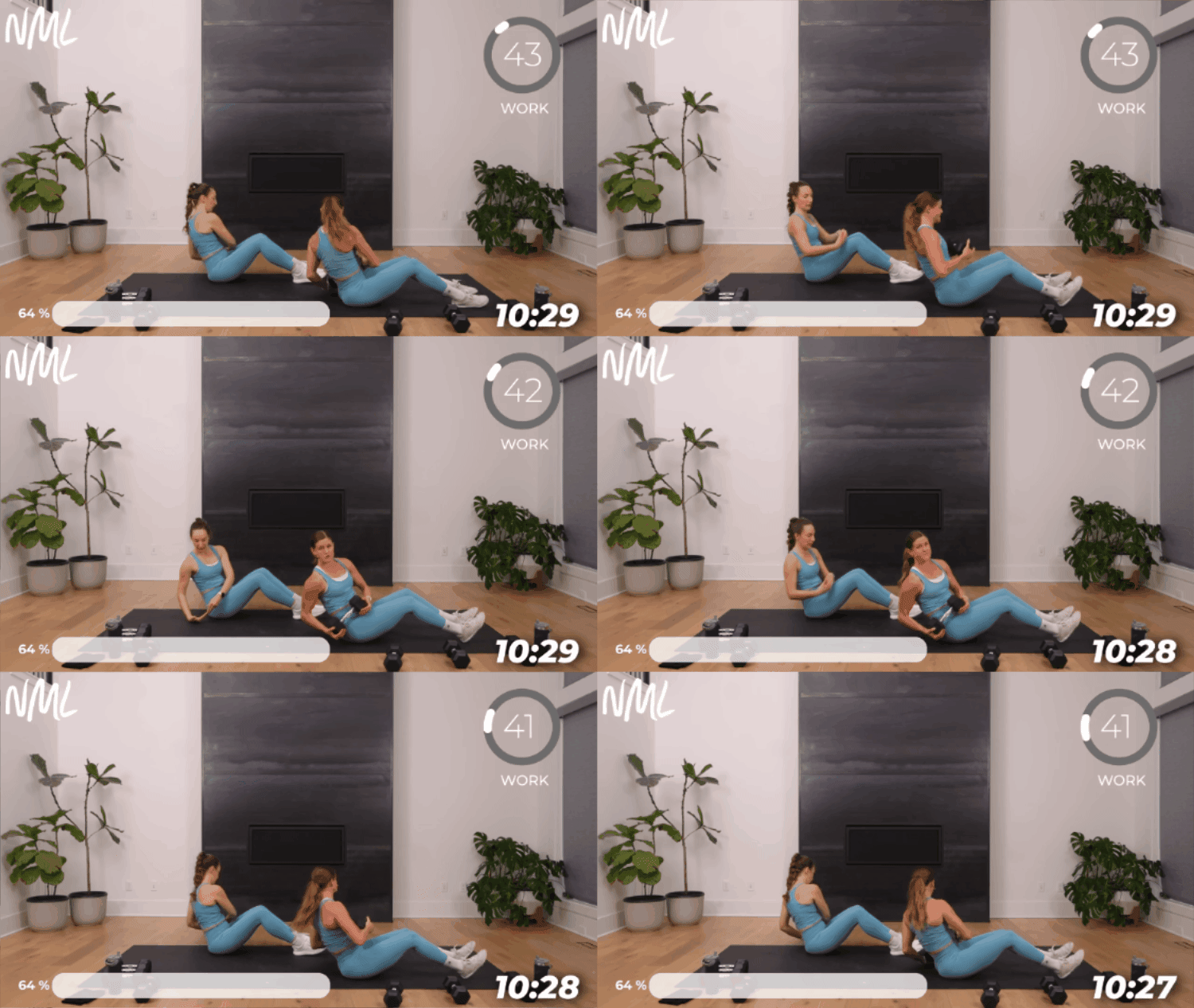
How to Do a Russian Twist
- Start in a seated position, sitting on your sit bones as you lean back. Hold 1 dumbbell horizontally between both hands. Float 1 or both feet off the ground to increase the intensity.
- Pull your right elbow back towards your right hip as you rotate through your torso to tap the dumbbell to the mat near your right hip.
- Use your obliques and abs to return to center.
- Reverse the movement, pulling your left elbow back towards your left hip as you rotate through your torso to tap the dumbbell to the mat near your left hip.
Modification(s): Keep both heels on the ground for additional support.
7. Plank
Targets: Upper abs, lower abs, obliques, deep core, lower back, shoulders, chest, glutes, hips and quadriceps.
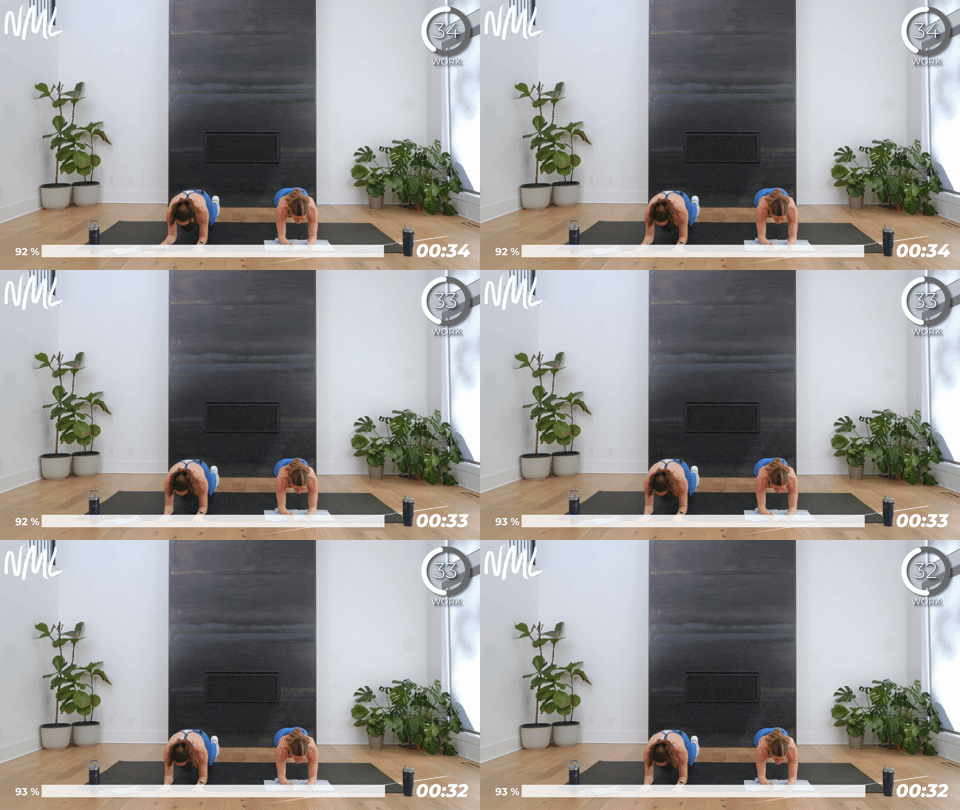
How to Do a Plank
- Start on the floor with your forearms shoulder-width apart, elbows stacked directly beneath your shoulders, and your legs extended behind you.
- Tuck your toes under and lift your knees off the floor, forming a straight line from your head to your heels.
- Engage your core by pulling your belly button toward your spine while squeezing your glutes and quadriceps.
- Keep your neck neutral by looking slightly in front of your hands, avoiding excessive arching or rounding through your back.
- Hold the plank for the desired amount of time while breathing steadily and maintaining proper alignment.
- Slowly lower your knees to the floor and rest before repeating.
Modification(s): Try these alterations if a traditional plank is too challenging or to mix it up.
FAQs
What do the numbers 1, 2, 3, 4, 5, and 6 mean in boxing?
In boxing, the numbers 1-6 refer to the six basic punches used in combinations. A 1 is a jab, 2 is a cross, 3 is a lead hook, 4 is a rear hook, 5 is a lead uppercut, and 6 is a rear uppercut. Learning this numbering system makes it easier to follow boxing workouts and quickly recognize punch combinations.
Is 30 minutes of boxing a day enough?
Yes! 30 minutes of boxing a day can be enough to improve cardiovascular fitness, build endurance, and support weight-loss goals when performed consistently. Pairing boxing workouts with strength training, proper nutrition, and adequate recovery can help you achieve even greater results over time.
How often should I train with a heavy bag?
For most people, training with a heavy bag 2-4 times per week provides enough practice to improve technique, power, and cardiovascular fitness while allowing time for recovery. Beginners should focus on proper form and gradually increase the duration and intensity of their workouts as their fitness level improves.
How many days per week should I do boxing workouts?
For most people, 2-5 boxing workouts per week is enough to improve technique, build endurance, and increase overall fitness. Beginners should start with 2-3 sessions per week and gradually increase frequency as their conditioning, recovery, and skill level improve.
Let’s Get Stronger, Together
It’s time to break out of your normal cardio routine and punch your way to better agility, power and confidence! Remember, every expert was once a beginner. So lace up your shoes, throw your first punch and let’s get stronger together!
More Workouts
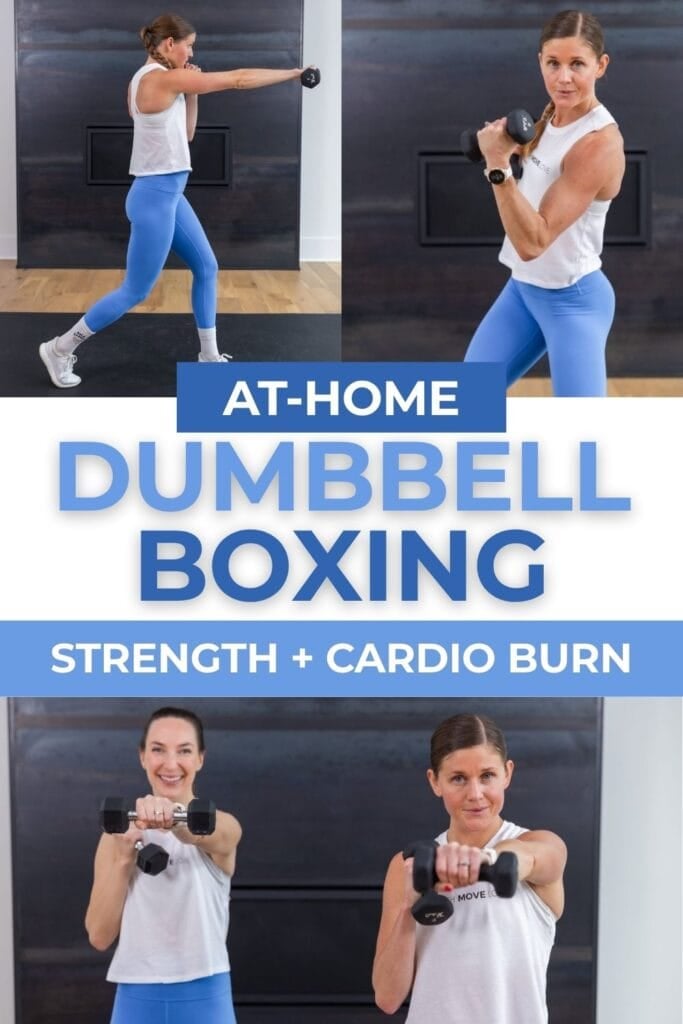
HIIT CardioPin This: Boxing Workouts for Beginners (Best Combos)
This post includes affiliate links. I do earn a commission for products purchased using these links (at no additional cost to you). Thank you for supporting Nourish Move Love, making the content you see on this blog possible.
one comment


Great breakdown of why boxing workouts are so effective for building overall athletic conditioning! I’ve always admired the lean physique and quick footwork that boxers have, but I wasn’t sure how to integrate those movements into a basic fitness routine. Combining shadow boxing with bodyweight moves like burpees and pull-ups into a HIIT format makes a lot of sense. Starting out 1–2 times a week feels very manageable for a beginner. I’m definitely going to try adding some jump rope intervals to my warm-up to help improve my coordination and foot speed. Thanks for sharing this tip!