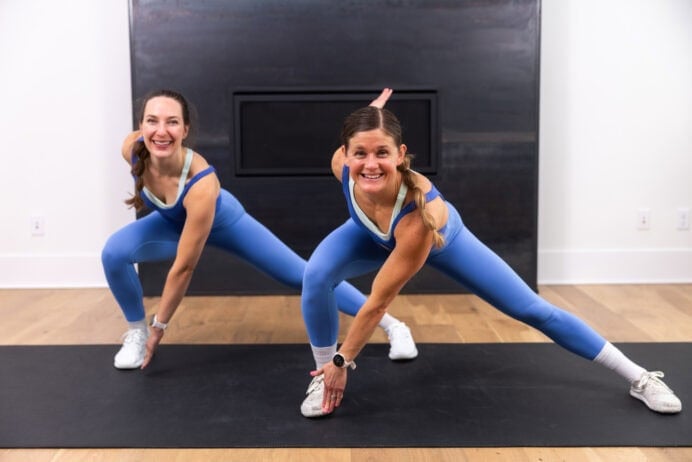



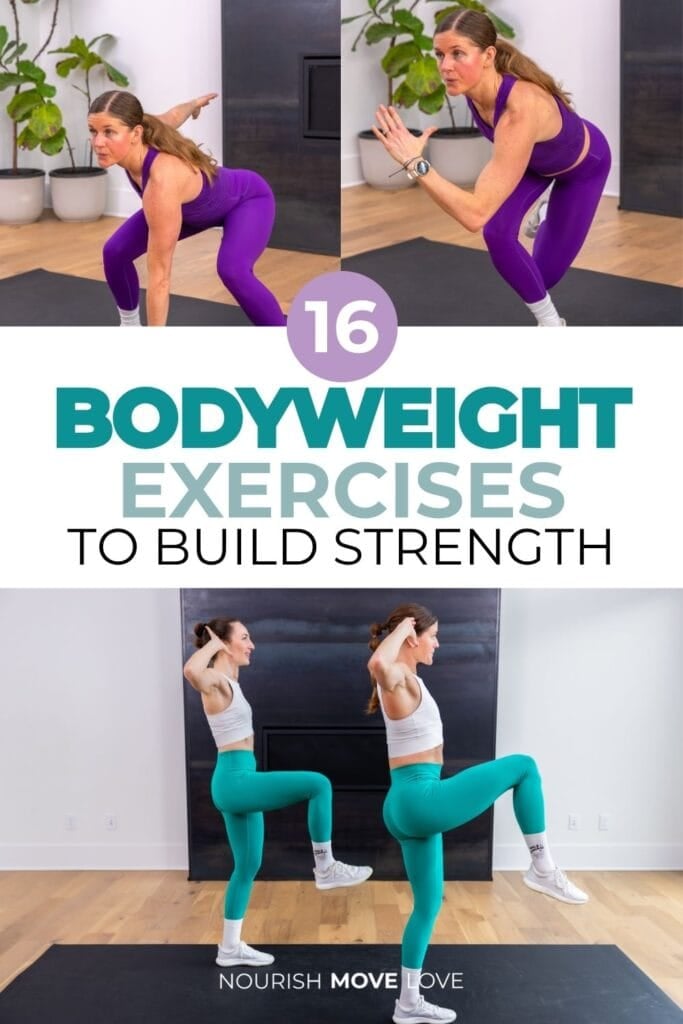
16 Bodyweight Exercises You Can Do at Home
These are 16 of the best bodyweight exercises to help you build total-body strength, strengthen your core and round out your current fitness routine. You’ll hit every major muscle group – from upper to lower body – so you can expect to see real gains in strength and endurance over time. Plus, these moves will get your heart rate up quickly. They’re especially great for busy, on-the-go moms or anyone working out at home who wants to keep their muscles, bones and heart healthy.
Using your bodyweight is extremely beneficial, whether you are a beginner or a fitness pro. Being able to move your body in challenging ways, repetitively and with good form, improves flexibility, promotes weight loss and muscle growth and is proven to increase bone density when done regularly. The best news is, you can fit in a full-body workout in 30 minutes!
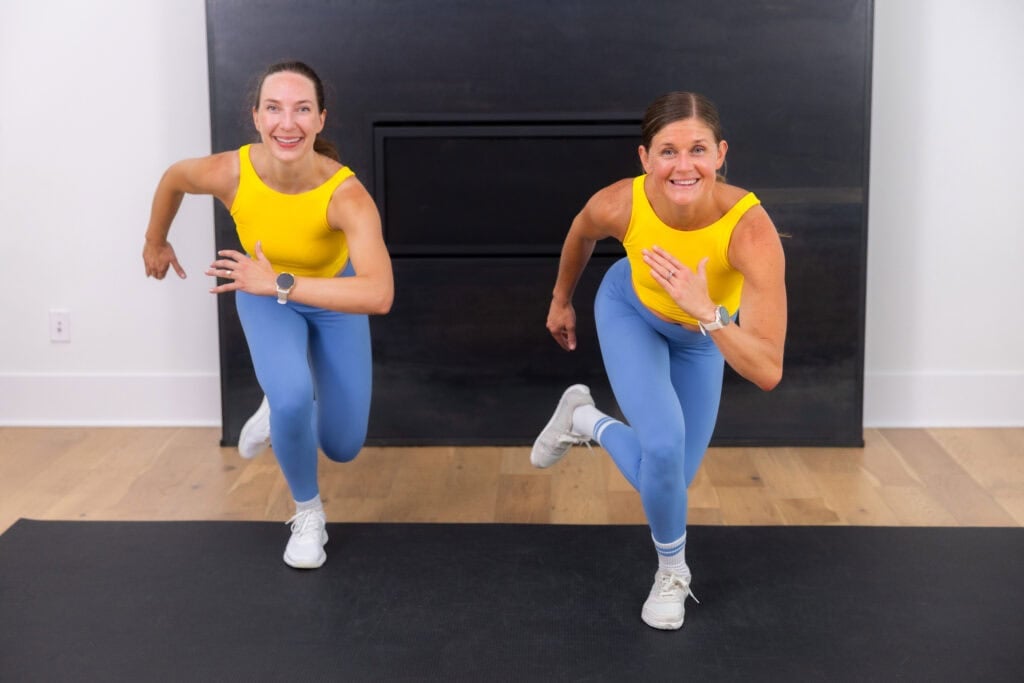
A Brief Rundown
All of the movements you will learn about here can be done as a part of a Bodyweight Program or in tandem with a dumbbell strength training workout like this 20-Minute Dumbbell Workout and should be done between 3-5 times a week. Bodyweight exercises are infinitely scalable and can be modified to fit anyone regardless of fitness level and are sure to increase overall wellness.
This is a list of my favorite bodyweight exercises. If you prefer a full guided workout video (complete with a warm-up and cool-down), try this guided no-equipment workout!
Note: If you are injured or recovering from an injury, you should talk with your doctor before beginning any new workout program, even a bodyweight-based one.
Equipment
No equipment, just your bodyweight! A good yoga mat and towel are nice to have, but they are not necessary.
Instructions
Choose 3-5 different exercises from the list below. Your workout should look like this:
- Beginners: 3 sets of 6-10 reps per exercise (30-45 second holds)
- Intermediate: 3 sets 10-15 reps per exercise (45-60 second holds)
- Advanced: 15-20 reps per exercise (60-90 second holds)
Take a 1-2 minute rest between sets. Be sure to pair upper-body exercises with lower-body exercises for a well-rounded workout routine.
At-Home Bodyweight Exercises Outline
1. Bodyweight Squat
Targets: Glutes, quads, hamstrings, hip flexors and core.
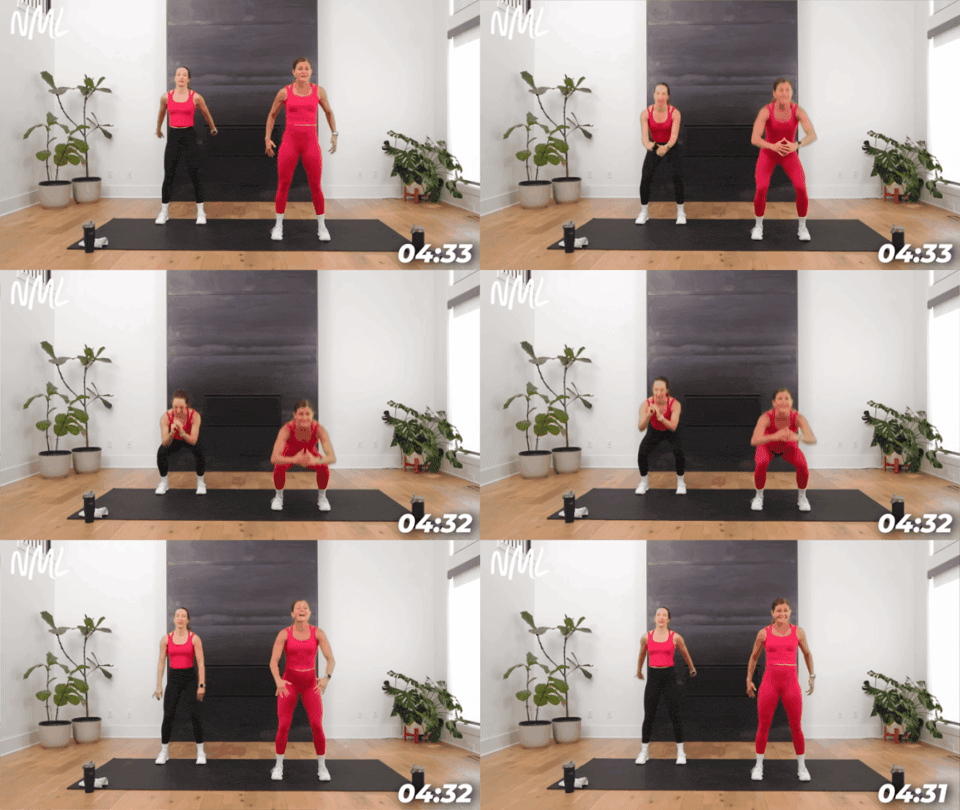
How to Do a Bodyweight Squat
- Start standing with your feet shoulder-width distance apart, knees slightly bent, core engaged.
- Lower down into a squat position, lowering your hips down parallel with your knees. Drive your knees out toward your outer toes.
- Drive through your heels to stand tall, squeezing your glutes.
2. Reverse Lunge
Targets: Legs, hamstrings, quads, glutes, abs and core.
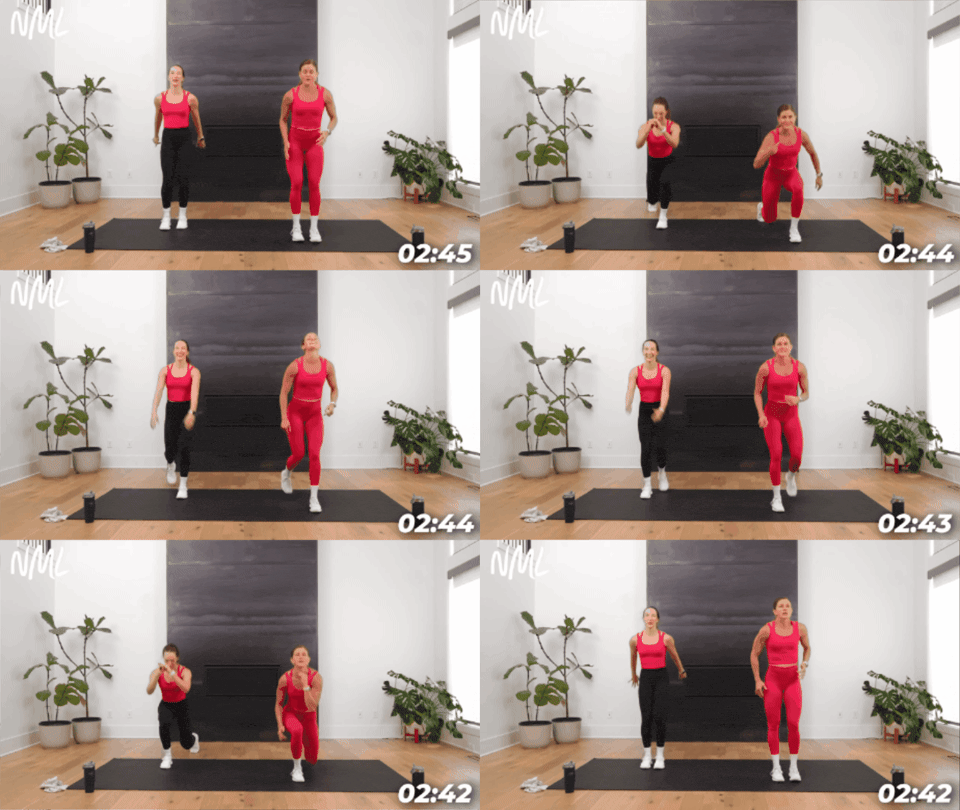
How to Do a Reverse Lunge
- Start standing, feet shoulder-width apart, knees slightly bent.
- Step your left leg back into a reverse lunge, lowering your hips until both knees reach a 90-degree angle, front thigh parallel to the ground.
- Drive through your front heel to stand tall, bringing your left leg back to center.
- Repeat, alternating legs with each rep.
Modification: If lunges don’t feel good, sub one of these lunge and squat alternatives.
3. Glute Bridge
Targets: Glutes, hamstrings, hips, core and pelvic floor.
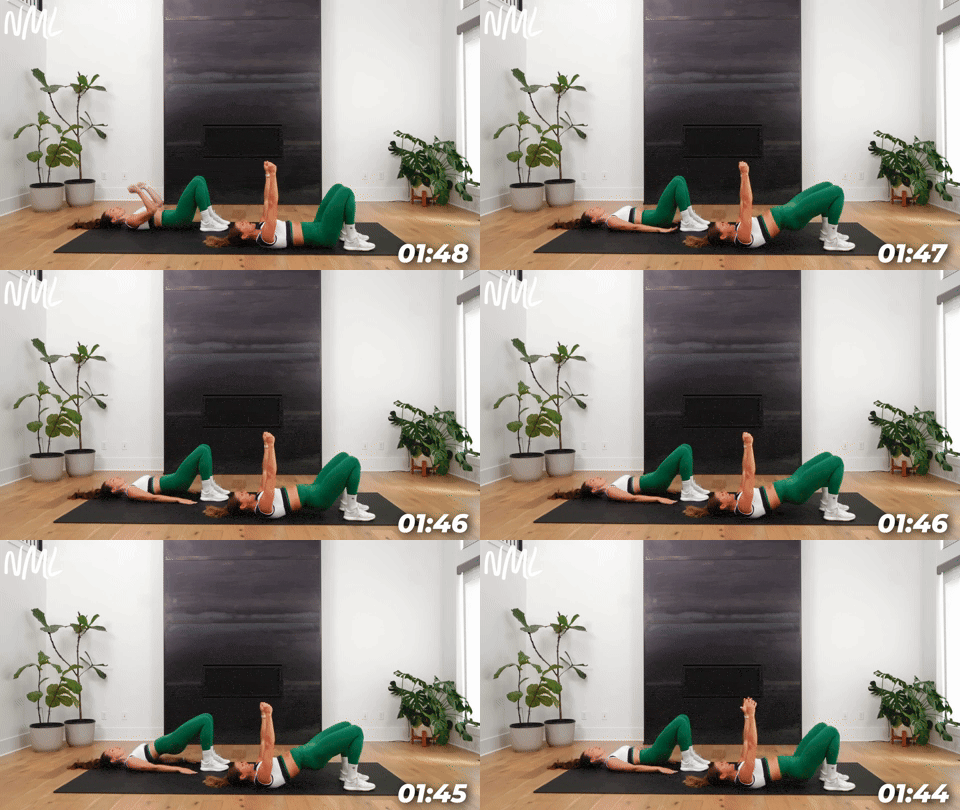
How to Do a Glute Bridge
- Lie flat on your back with your knees bent and feet flat on the floor.
- Drive through your heels, squeezing your butt to lift your hips up toward the ceiling. Keep your knees in line with your hips.
- Hold this position for a moment, then slowly lower your hips down, hovering just above the mat.
4. Good Morning
Targets: Legs, glutes, quadriceps, hamstrings, hip flexors, erector spinae, lower back muscles and core.
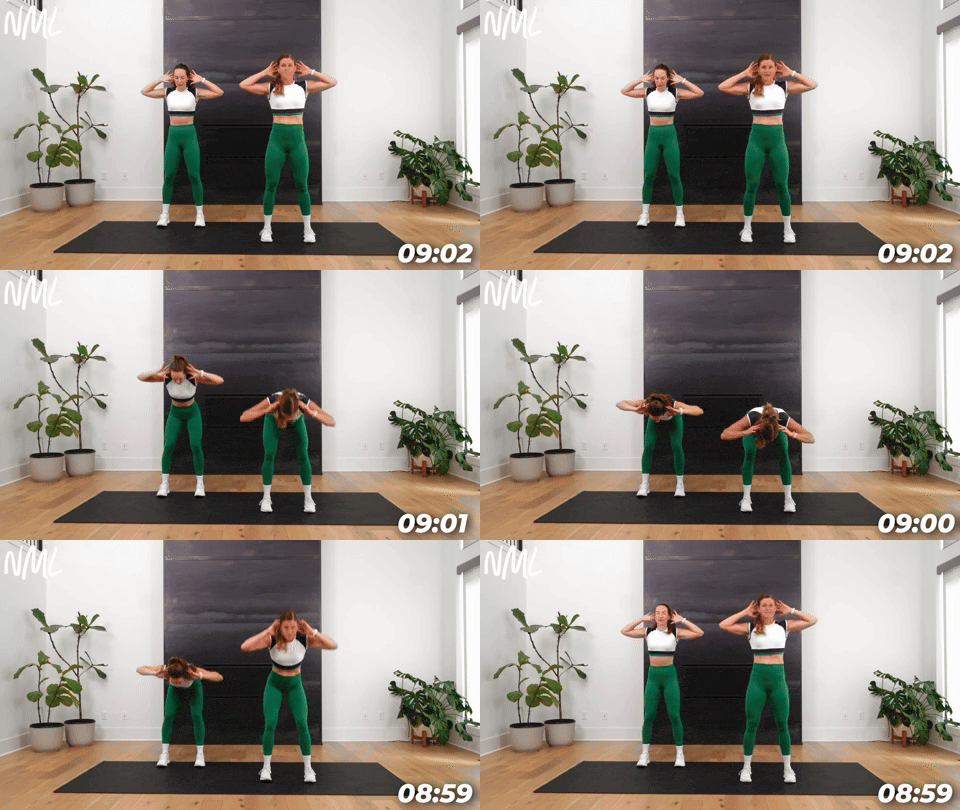
How to Do a Good Morning
- Start in a standing position, feet shoulder-width apart, core engaged. Place your hands behind your head, squeezing the shoulder blades and engaging the back.
- With a slight bend in your knees, hinge forward at the hips until your torso is parallel to the ground. Your core is engaged and your spine is neutral (back flat). You should feel a stretch in your hamstrings (the back of your legs) at the bottom of the movement.
- Reverse the movement, driving through your heels to stand tall, returning to the starting position (torso upright).
5. Single-Leg Deadlift
Targets: The posterior chain (backside of body) — glutes, hamstrings, lower back and core muscles. This single-leg stability exercise will also challenge your balance.
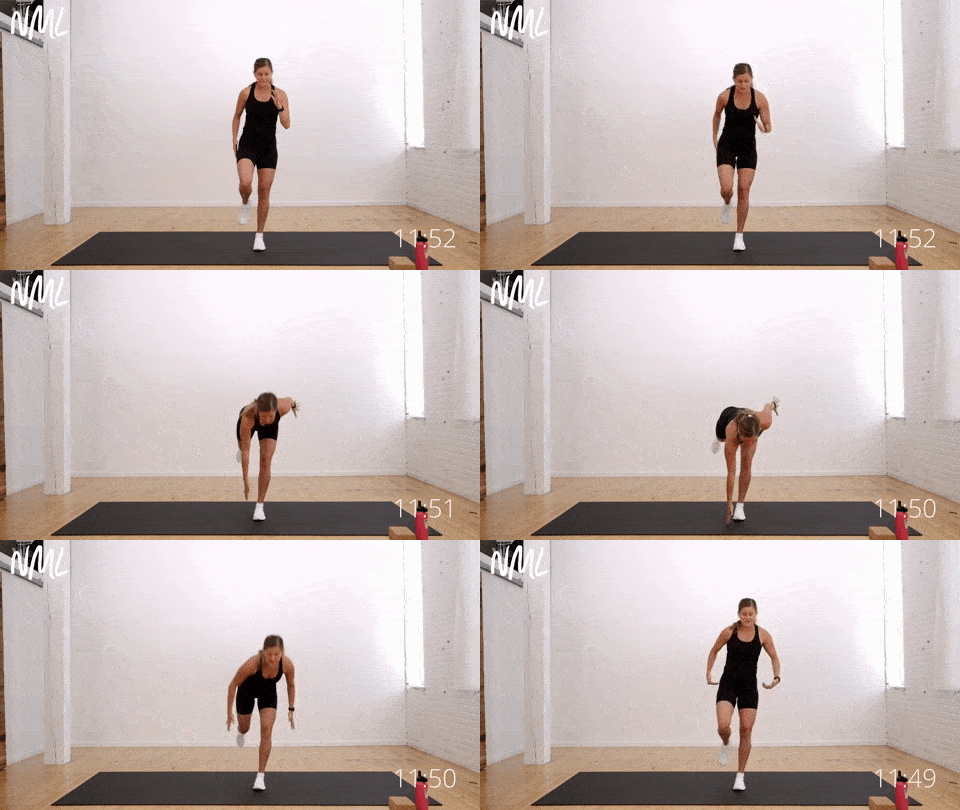
How to Do a Single-Leg Deadlift
- Start standing with your feet hip-width apart, knees slightly bent. Transfer your weight into your right foot and kickstand or float your left foot off the ground. Balance on your right leg.
- With your right knee bent, hinge at your hips (hip flexors), extending your left leg long behind you as you lower your left fingers down towards the ground, balancing on your right leg. Keep your hips square to the mat.
- You should feel a good stretch in your right hamstring (back of your right leg) at the bottom of this movement. The range of motion looks different for everyone.
- Drive through your front right heel, squeezing your glutes and hamstrings to push your hips forward and return to the starting position. Bring your floating back left leg up to meet your right leg again.
6. Push-Up
Targets: Chest, shoulders, triceps, back, abs and core muscles.
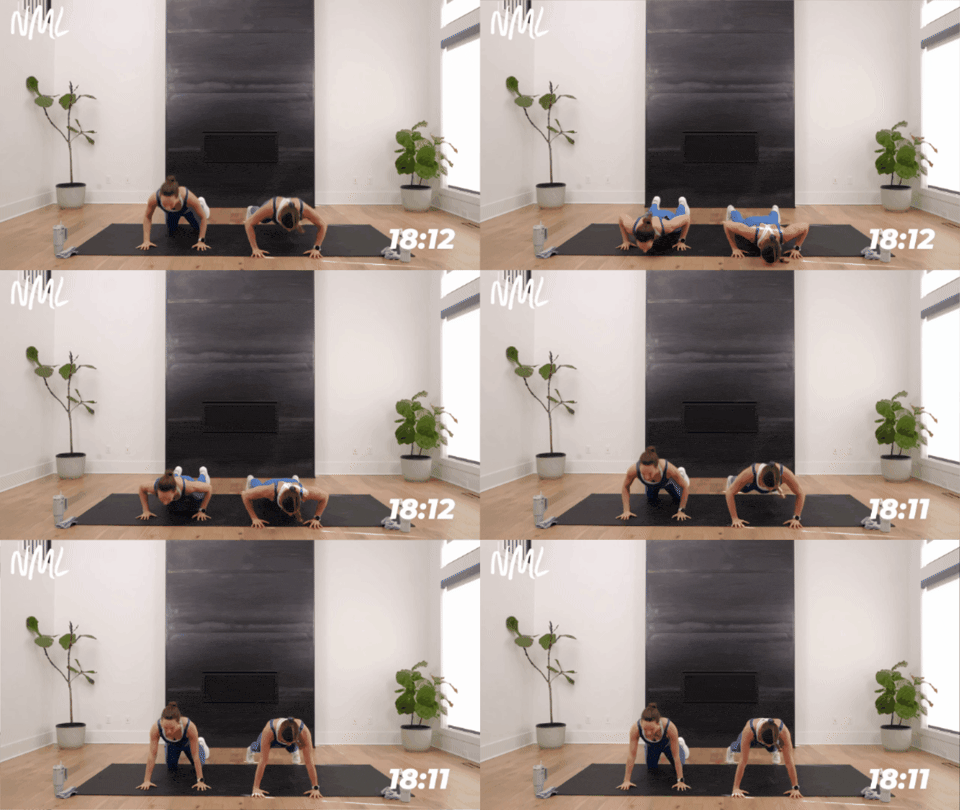
How to Do a Push-Up
- Start in a standard high plank position, feet hip-width apart and shoulders stacked over your wrists. Press evenly into your hands to distribute your weight amongst all 10 fingers.
- Hold this plank position, maintaining a straight line with your body, gaze slightly in front of you.
- Slowly lower your chest down towards the ground as your elbows fall back towards your hips (not out to the sides, keep elbows tight to the body).
- Once you’ve reached the bottom of your push-up, exhale as you push back up into a high plank position (the top of your push-up position).
Modification: If you can’t do a full push-up on your toes, substitute one of these push-up modifications.
7. Plank or Forearm Plank
Targets: Transverse abdominals, upper abs, lower abs, obliques, shoulders, glutes and thighs.
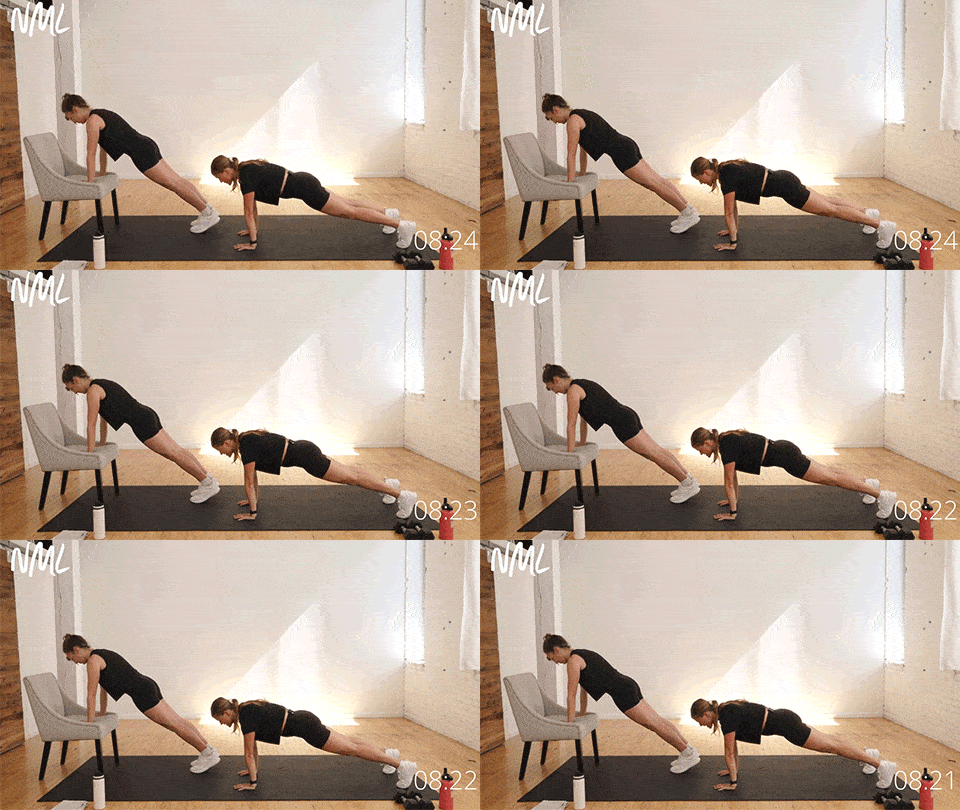
How to Do a Plank or Forearm Plank
- Start in a table top position with your shoulders stacked over your wrists (soft bend in the elbows) and hips over knees. Hands are planted firmly on the mat, weight evenly distributed between all 10 fingers. For the forearm plank, start on all fours, then lower your forearms to the floor instead and ensure your elbows are directly under your shoulders.
- Step both feet back, legs extended long, balancing on your toes. Pull up on your kneecaps and push back on your heels to keep your core engaged.
- Hold this plank position, maintaining a straight line with your body, gaze slightly in front of you.
Modification: Plank variations (such as placing your hands on a raised surface, like a chair, couch or countertop, as well as a high plank or side plank) are extremely effective ways to engage the deep core. If being in the plank position hurts your wrists, check out these modifications for wrist pain.
8. Jumping Jacks
Targets: Calves, quadriceps, glutes, hamstrings, hip abductors, shoulders and core stabilizers (abs and lower back).
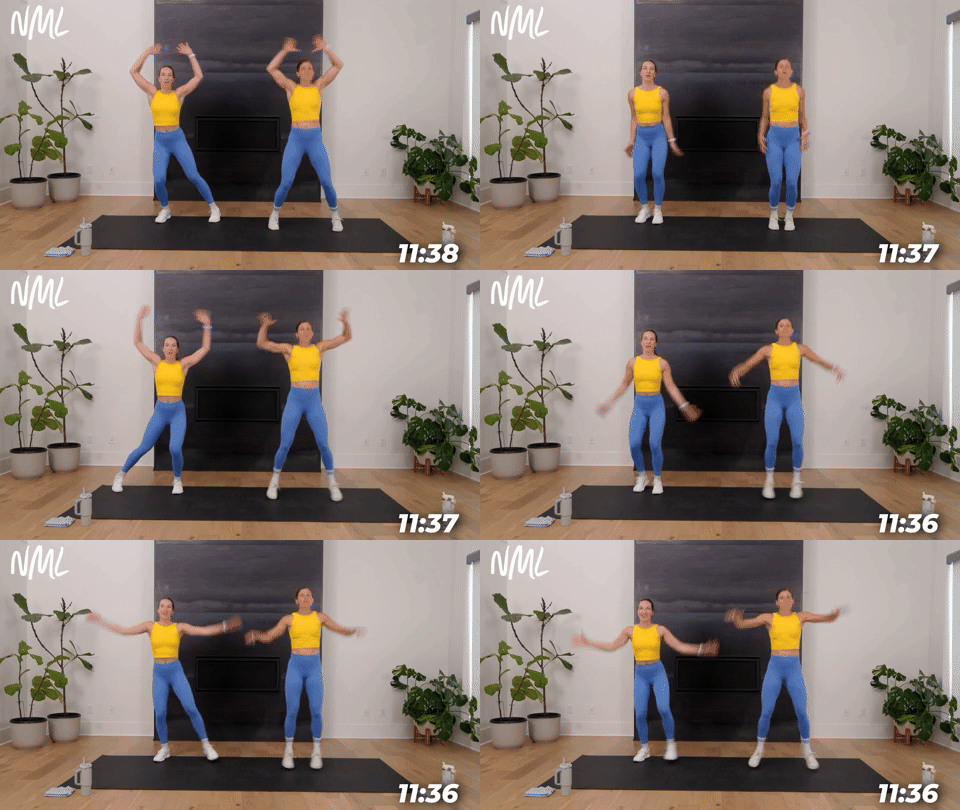
How to Do a Jumping Jack
- Start standing tall with your feet together and arms resting at your sides.
- Jump your feet out wider than hip-width as you swing your arms up and overhead, fingertips almost touching.
- Quickly jump your feet back together while lowering your arms to your sides, returning to the starting position.
- Repeat continuously at a steady pace, staying light on your feet and maintaining an upright posture.
Modification: Make this a low-impact exercise by omitting the jumping. Perform alternating tap outs, tapping the right foot out to the side, bringing it back in, then tapping the left foot out to the side.
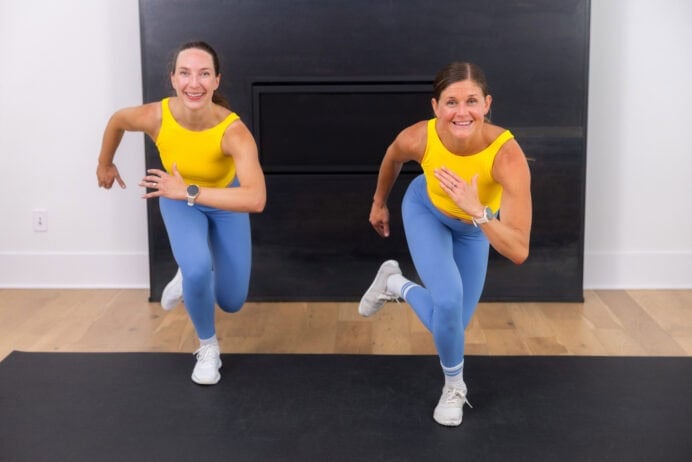
9. Skaters
Targets: Legs, glutes (outer gluteus medius), hips, calves, quads and core (for stability and balance).
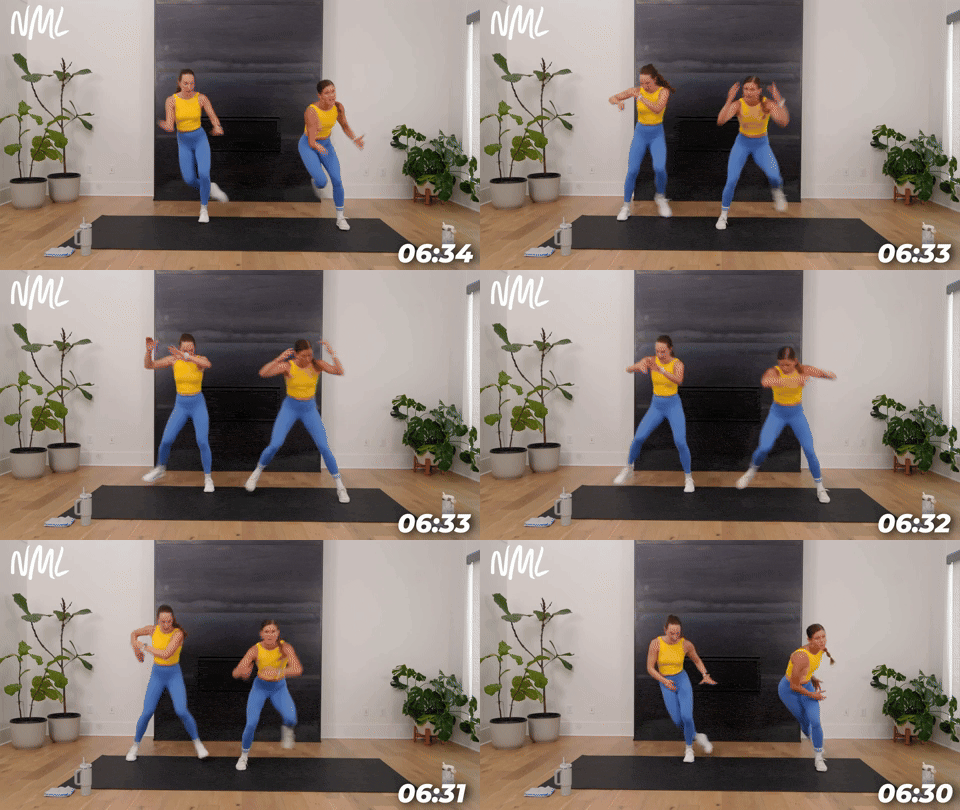
How to Do a Skater
- Start standing in an athletic stance, feet hip-width apart, knees slightly bent, core engaged.
- Push off your right foot to bound laterally to the left, landing in a loaded skater position on your left foot. Left knee bent, right leg tracking behind your left foot in a skater position.
- Then, drive off your planted left foot to bound laterally back to the right. Landing softly on your right foot. Right knee bent, left leg tracking behind your right foot in a skater position.
- Repeat, alternating the skaters on each leg.
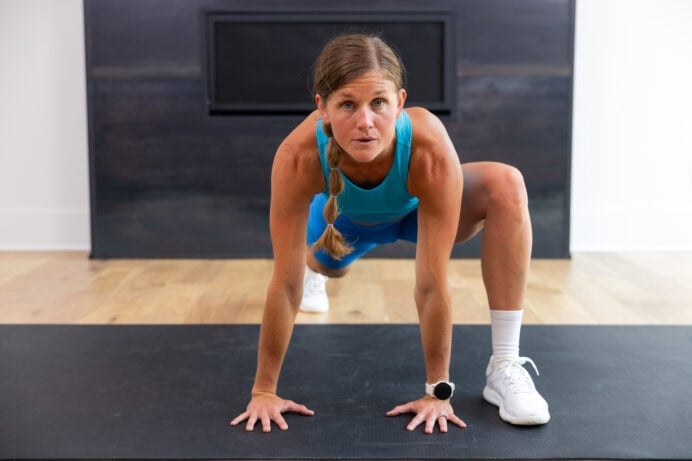
10. Mountain Climbers
Targets: Hips (abductors), hip flexors, groin, quads, glutes, hamstrings and low back.
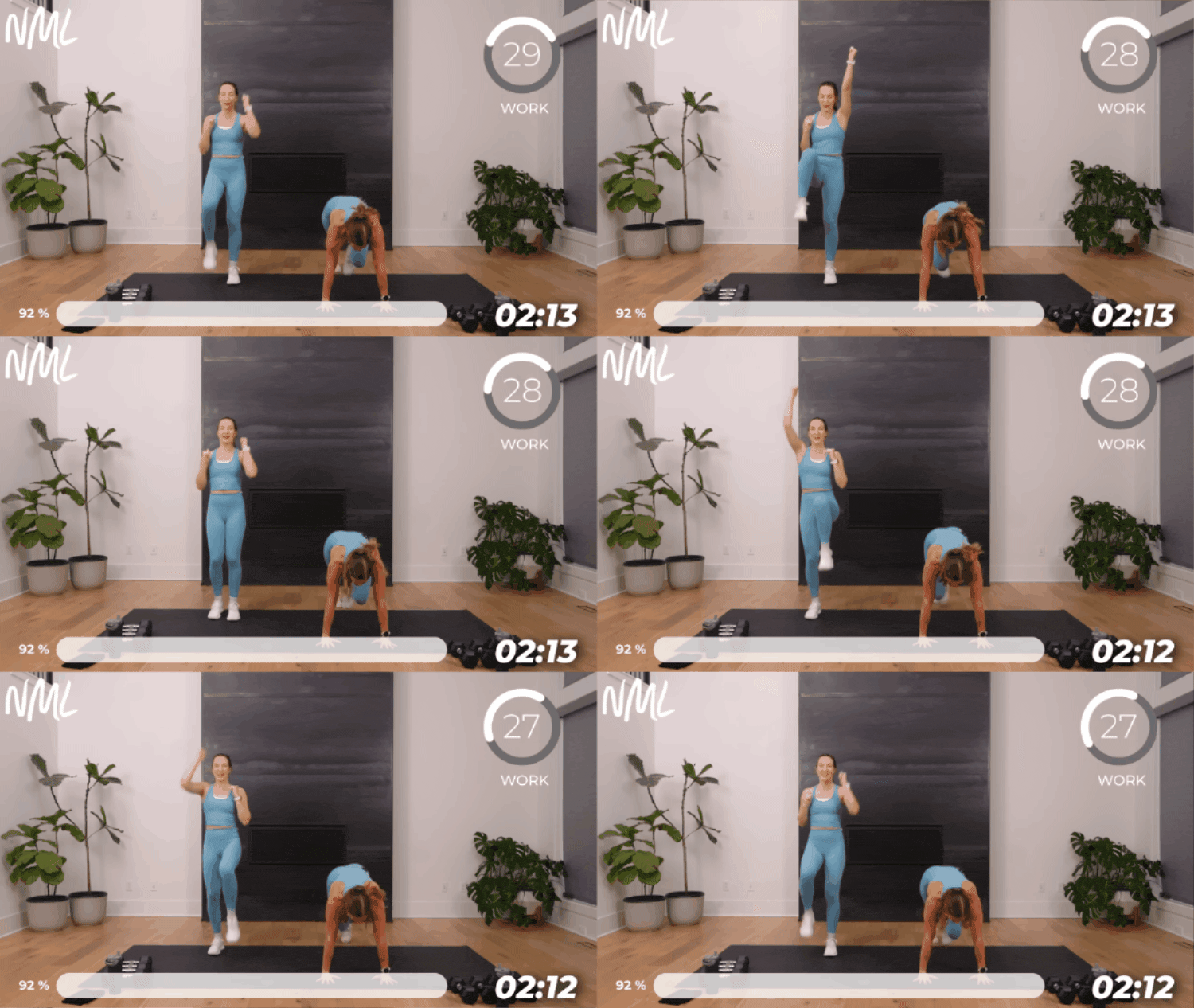
How to Do a Mountain Climber
- Start in a high plank position with your shoulders stacked over your wrists, weight evenly distributed amongst all ten fingers. Pull your kneecaps up towards your belly.
- Hold this position, maintaining a straight line with your body, gaze slightly in front of you.
- Then, drive your right knee towards your left elbow before quickly driving your left knee towards your right elbow.
- Continue this pattern, alternating knee drives towards your chest at a rapid pace, as if “running” in a plank position.
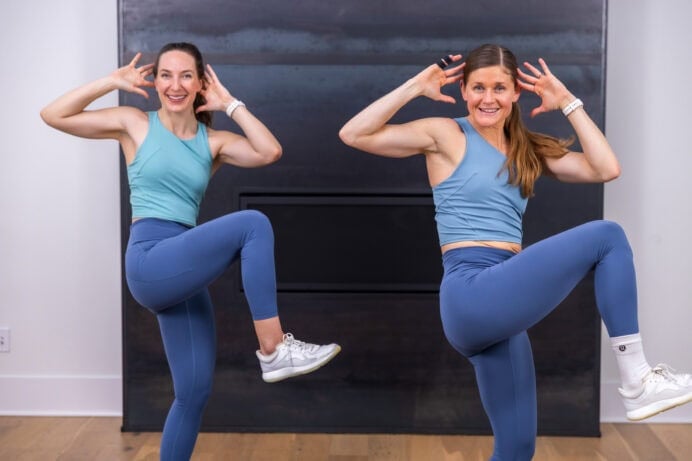
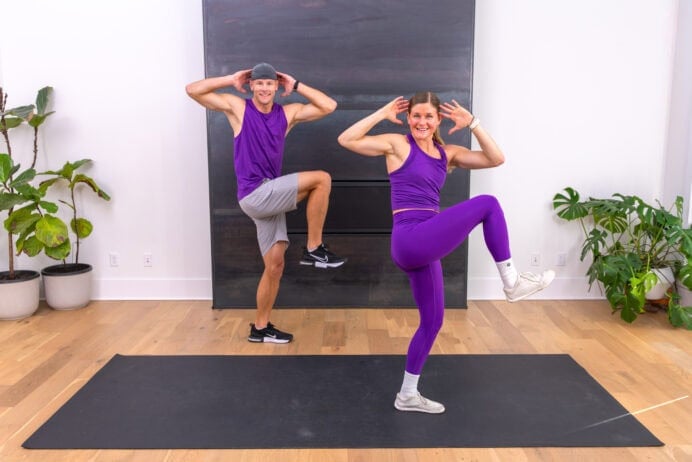
Modification: Perform a standing knee drive and alternating punch overhead.
11. Burpees
Targets: Upper body (chest, arms, back, shoulders), lower body (legs, glutes, hips) and core.
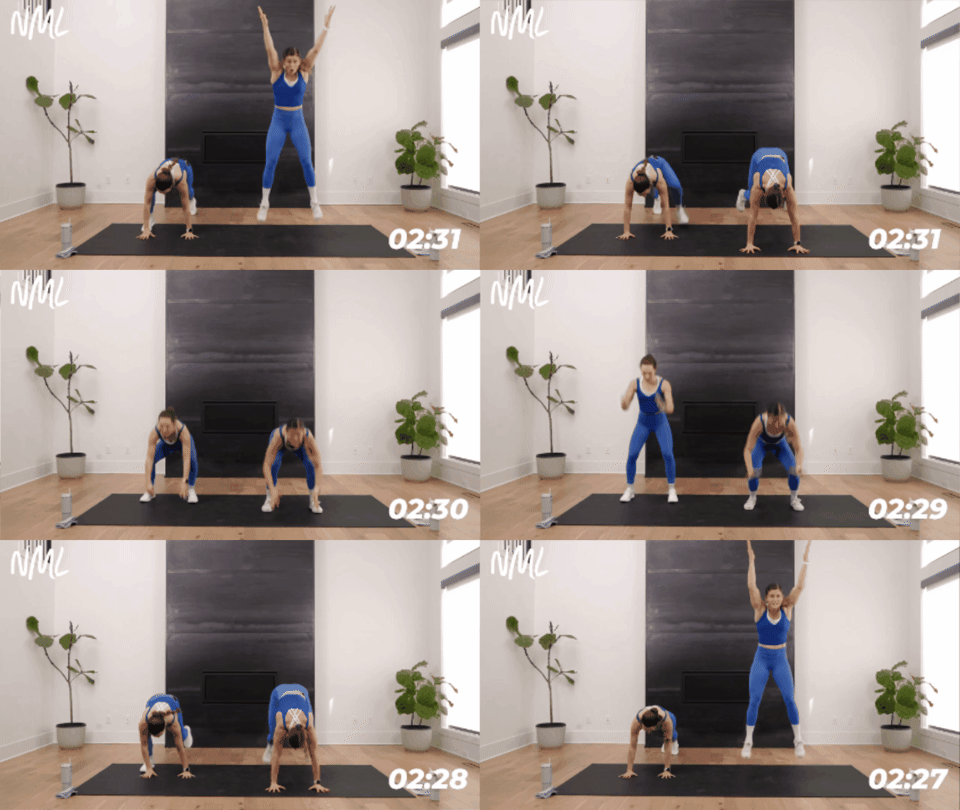
How to Do a Burpee
- Start standing, feet shoulder-width apart, arms at your sides.
- Bend your knees and drop your hips as you lower into a squat position. Then, place your hands on the floor directly in front of your feet.
- Shift your weight into your hands as you jump your feet back to softly land on the balls of your feet in a high plank position. Your body should form a straight line from your head to your heels.
- Jump your feet up, landing outside your hands in a loaded squat position. Then drive through your legs to explode up, reaching arms overhead as you stand tall, returning to the starting position.
Modification: Slow this down, performing walking burpees. Omit the jump at the top to reduce the impact.
12. Bear Crawl Hold
Targets: Deep transverse abdomen muscles, rectus abdominis (six-pack ab muscles), oblique muscles, shoulders, back, legs, glutes and quads.
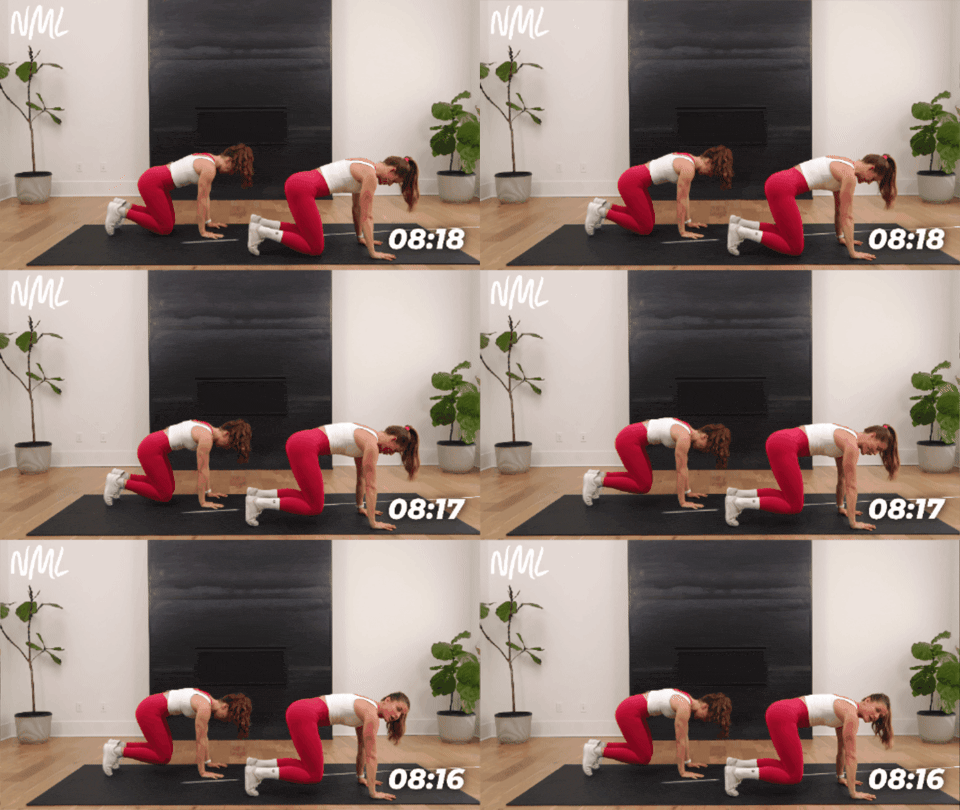
How to Do a Bear Crawl Hold
- Start in a tabletop position, shoulders stacked over wrists and hips stacked over knees.
- Inhale, taking a deep breath as you let your belly slightly drop as you breathe through your midsection.
- Exhale, drawing your abs tight around your torso as you tuck your toes under and lift your knees 1 inch off the mat, finding a bear crawl. Hold for a 3-count.
- Inhale as you lower your knees to the mat, finding a neutral spine and returning to the starting position.
13. Bird Dog
Targets: The entire posterior chain (or backside of your body).
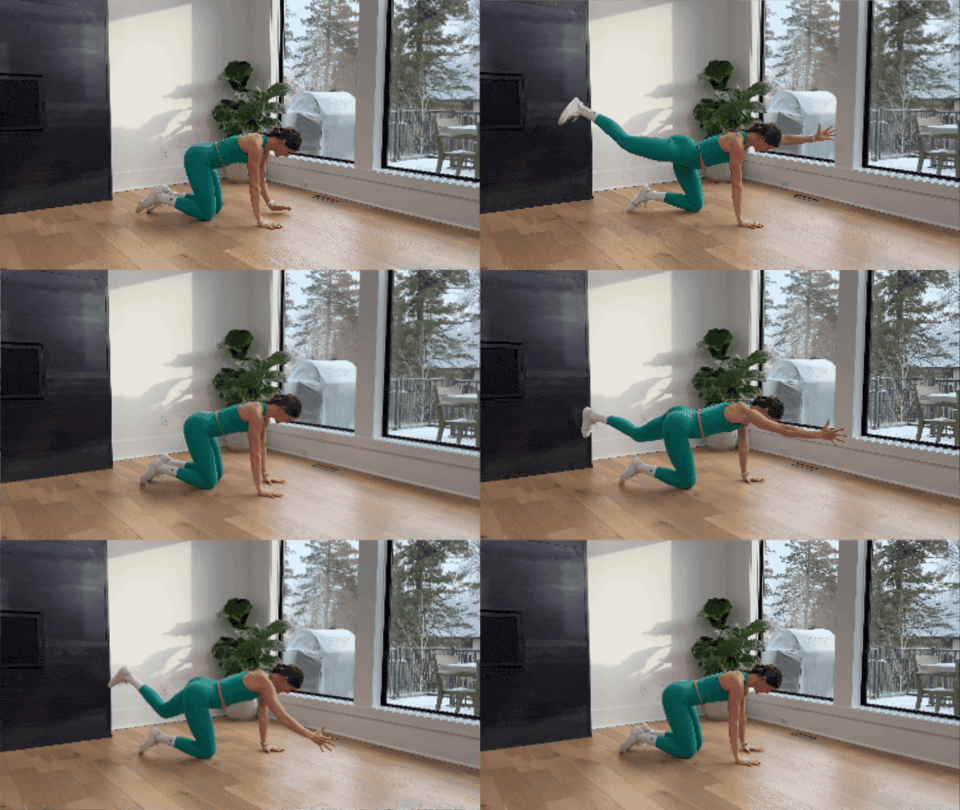
How to Do a Bird Dog
- Find a quadruped position with your knees hip-width apart and hands firmly on the ground, about shoulder-width apart. Engage your core.
- Find a bird dog position by extending your right leg back, floating it off the ground. As you extend the right leg back, extend the opposite arm, the left arm, straight out in front of you.
- Hold the right leg back and left arm out for a moment, then return to the starting position on all fours.
- Then repeat this movement on the other side of the body, extending the left leg long and the right arm straight out in front of you.
14. Bicycle Crunches
Targets: Rectus abdominis, transverse abdominal muscles and obliques.
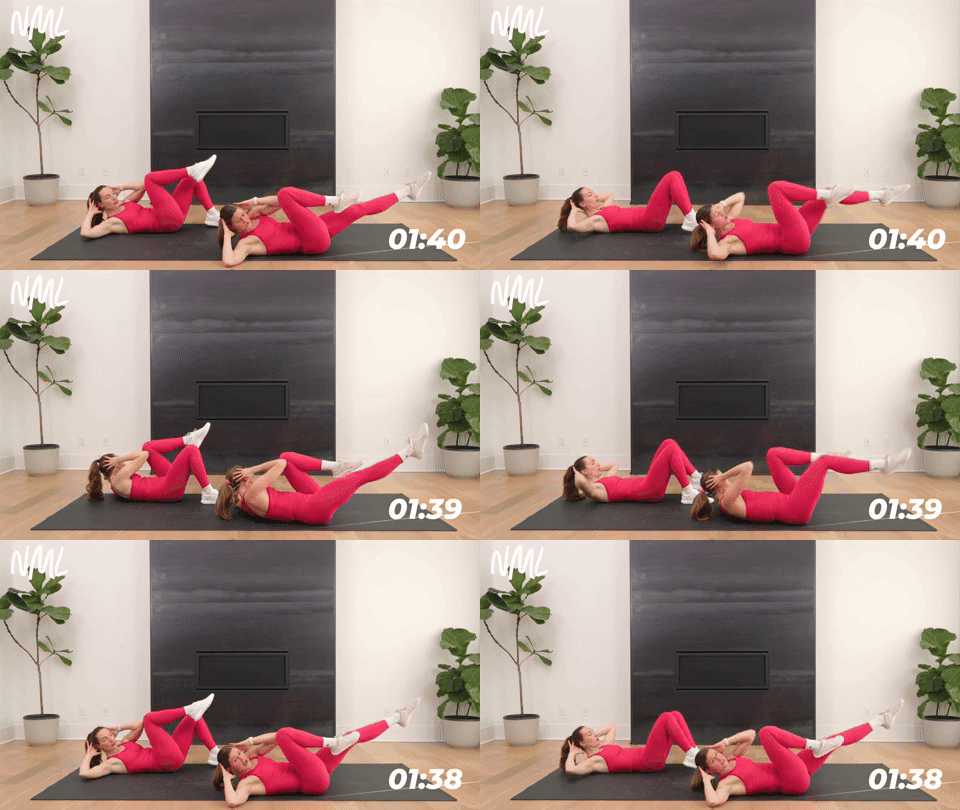
How to Do a Bicycle Crunch
- Lie flat on your back, lower back pressing firmly into the mat. Bring your legs to a raised 90-degree bend.
- Lift your head, neck and shoulders off the ground. Place your hands behind your head and think about pressing your head into your fingertips.
- Lift your right elbow towards your left knee as you extend your right leg long.
- Slowly return to the starting position and repeat on the other side. Pulling your left elbow towards your right knee as you extend your left leg long.
- Continue to repeat this ‘bicycling’ movement, alternating knee to elbow crunches.
Modification: Perform with knees bent, reducing the range of motion.
15. Prone Superman
Targets: Erector spinae muscles (which run along the spine), glutes, hamstrings, shoulders and core muscles.
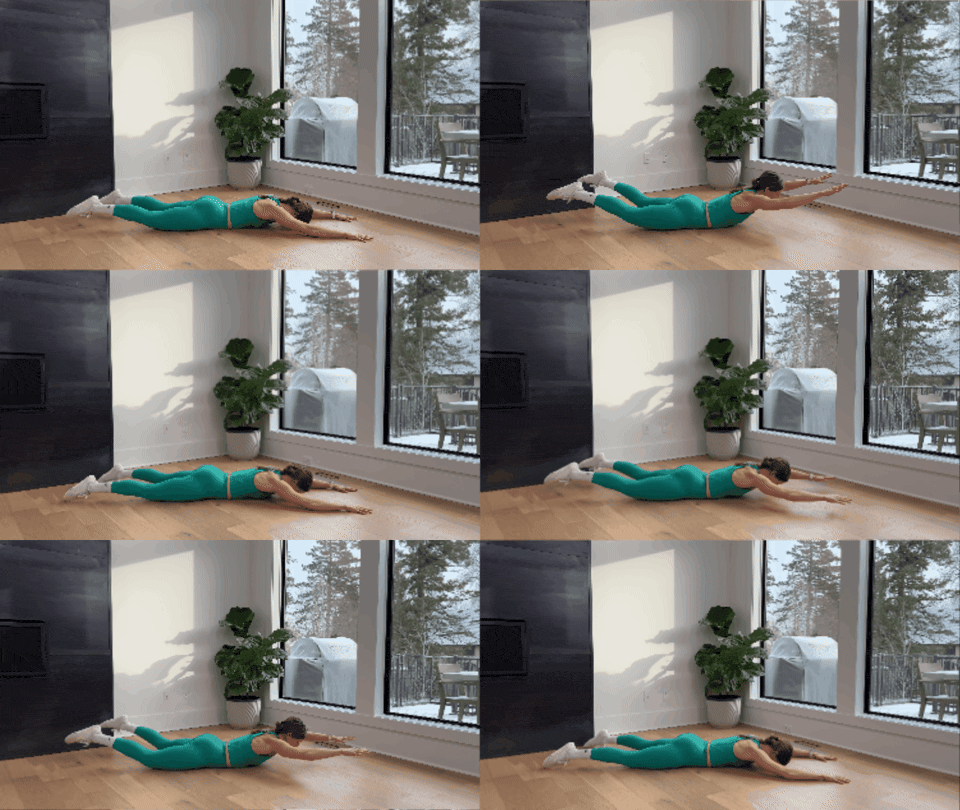
How to Do a Prone Superman
- Lie face down on a mat or flat surface with your legs straight out behind you. Then, reach your arms overhead, extending your hands away from your body. Keep your neck in a neutral position by looking down towards the floor.
- Take a deep breath and engage your core muscles to lift your arms and chest off the ground simultaneously.
- Hold the top position for a second, squeezing your glutes and lower back muscles to keep your chest lifted.
- With control, lower your upper body towards the mat, returning to the starting position.
Modification: Perform a bird dog exercise, extending the opposite arm and the opposite leg away from each other in a quadruped position.
16. Dead Bug
Targets: Deep core muscles (transverse abdominis), lower abdominal muscles, hips, shoulders and back (posterior and anterior deltoids).
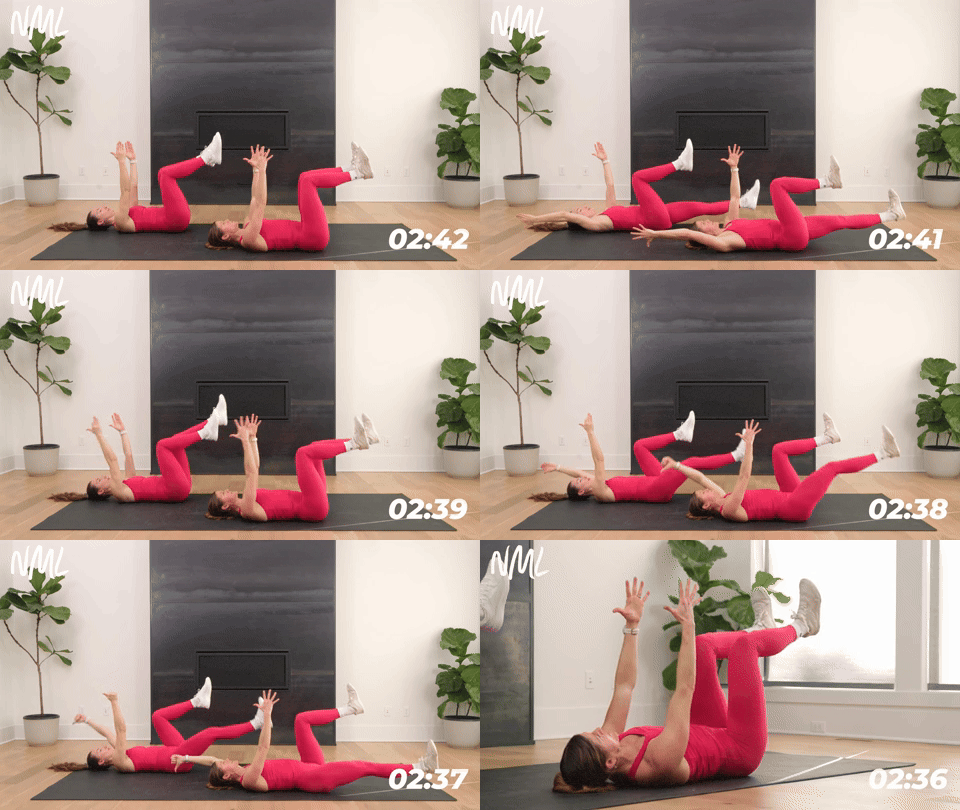
How to Do a Dead Bug
- Lie on your back flat on the floor, performing a slight pelvic tilt to press your lower back into the mat. Lift your knees to form a 90-degree angle (knees stacked on top of hips). Inhale, letting your belly expand.
- Exhale, engaging your core. Extend your left leg and right arm away from your body, lowering the right hand and left foot towards the ground with control. Left arm and right leg remain in place. With control, inhale as you return to center.
- Then repeat on the opposite side. Exhale as you extend your right leg and left arm away from the body, lowering the left hand and right foot towards the ground. With control, return to the starting position.
FAQs
Can bodyweight exercises help improve bone density?
Yes! Bodyweight exercises are a great way to support bone health. When you move your body against gravity, it creates tension and load through your bones, which helps stimulate bone growth over time.
How often should you do bodyweight exercises for optimal results?
Aiming for about 3-5 times per week is a solid goal. You can mix bodyweight exercises into your current weightlifting routine, do them with a friend to keep things fun, or even start by adding a few moves into your warm-up if you’re just getting started.
How can beginners start a bodyweight exercise routine?
If you’re new to bodyweight training, keep it simple. Focus on good form, start with a manageable number of reps and stay consistent. As you get more comfortable, you can slowly increase the intensity and volume. If you’re looking for a full beginner workout plan, start here.
How can you progress with bodyweight exercises to increase strength?
There are lots of ways to level up. You can slow things down with tempo changes, add more reps or sets, or focus on one muscle group at a time. Small tweaks like these can make a big difference in building strength. Give this full-body bodyweight workout a try.
How can you make bodyweight exercises more challenging?
If you’re ready to add more resistance, try adding a weighted vest. Or, keep it simple by slowing down your movements, like taking a full 3 seconds to lower yourself in a push-up, then pushing back up with power. It’s a small change that makes the exercise much tougher!
More Workouts
BodyweightPin This: 16 At-Home Bodyweight Exercises
no comments