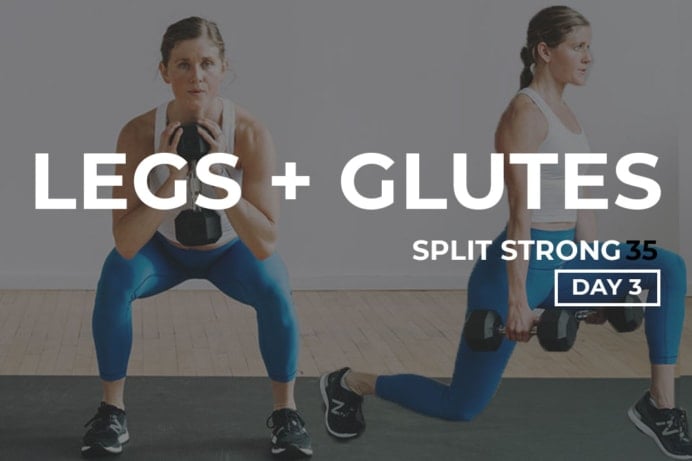



Weekly Workout Schedule for Women
If you’re looking for a simple, effective workout schedule that fits into a busy life, this 7-day at-home workout plan is for you. I designed it to combine strength training, cardio and mobility in structured workouts that help you build muscle, improve cardiovascular fitness and create a routine you can actually stick with.
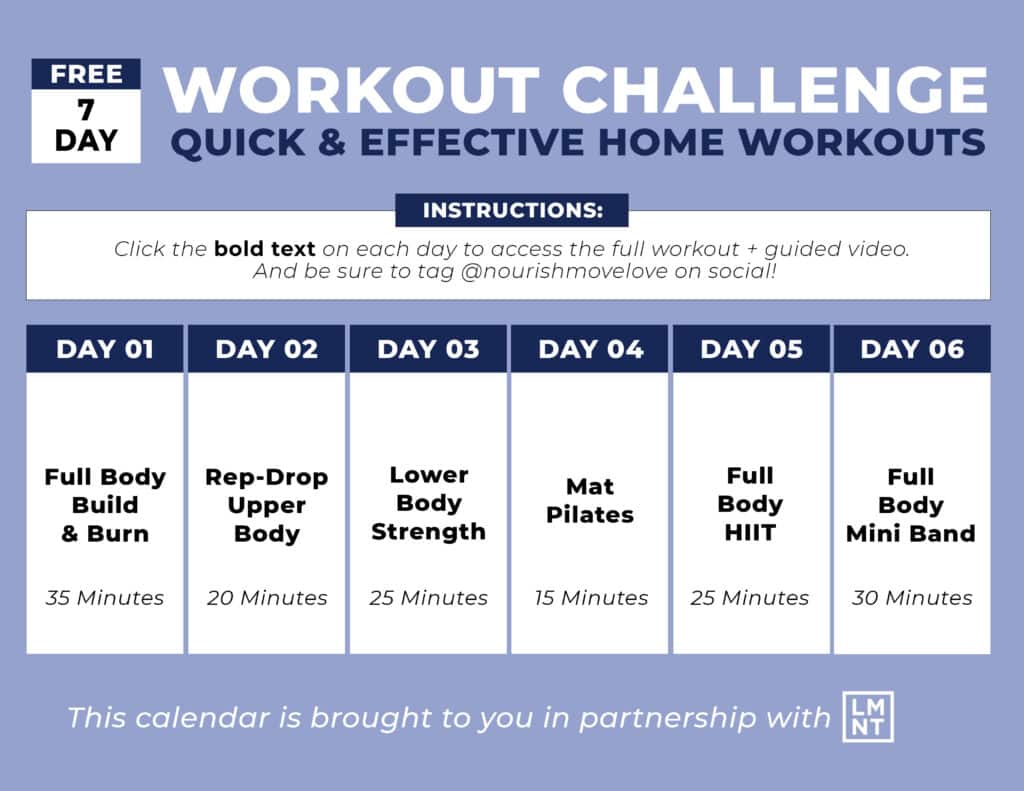
When life gets busy, the last thing I want to do is waste time figuring out which workout to do. Having a written schedule takes the guesswork out of my day and makes it easier for me to stay motivated and consistent. I know exactly what I’m doing each day, which saves time, reduces stress and helps me build a routine that supports my fitness goals.
I’ve found that the ideal workout schedule for women balances strength training, cardio and recovery without making fitness feel overwhelming. For me, the best training schedule combines upper-body, lower-body and full-body strength workouts with high-intensity cardio and mobility work. This well-rounded approach helps me build strength, improve endurance and support functional fitness, while still leaving room to modify workouts or rest when needed.
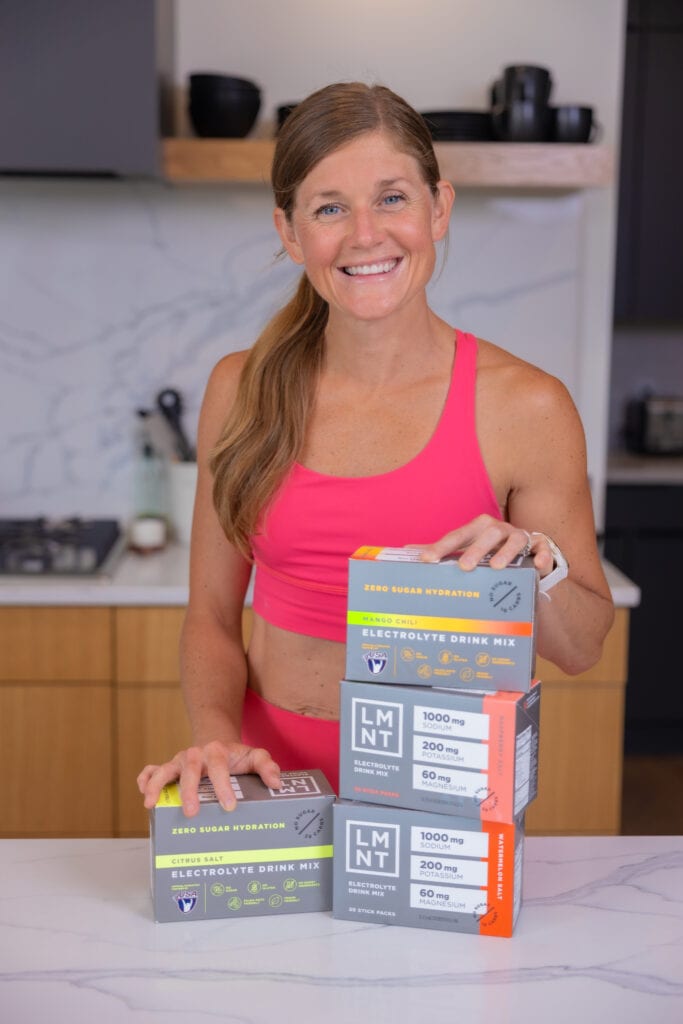
My Go-To Electrolyte
This workout plan is sponsored by LMNT, my go-to electrolyte for staying properly hydrated. When you train like an athlete, recovery matters just as much as the workout itself. I count on LMNT to help me rehydrate and recharge so I can show up strong, day after day.
Click the link below to get a free 8-count sample pack of LMNT’s most popular drink mix flavors with any purchase.
Try LMNT
Click the link below to get a free 8-count sample pack of LMNT’s most popular drink mix flavors with any purchase.
Who This Fitness Plan Is Ideal For
This weekly exercise routine for women is ideal for:
- Building strength across all major muscle groups, including the hamstrings, glutes, quads, upper body and core.
- Improving your ability to perform foundational strength exercises like lunges, leg extensions, calf raises, lateral raises, tricep extensions, shoulder presses, push-ups, pull-ups, bicep curls, lat pulldowns, rows and crunches.
- Increasing cardiovascular endurance through dynamic, high-intensity workouts.
- Improving core strength, flexibility, posture, balance and overall mobility.
- Combining strength training and cardio for a well-rounded fitness routine.
- Burning calories and supporting fat loss, weight loss and improved body composition through consistent exercise.
- Establishing a consistent at-home workout routine you can stick with.
- Building confidence and momentum, whether you’re new to exercise or returning after a break.
Modifications are offered throughout this workout routine for women to make this plan accessible for different fitness levels. If you’re a beginner, focus on bodyweight exercises and lighter weights as you build strength and confidence before progressing to a more advanced split training workout schedule. If you’re pregnant or postpartum, check out my pregnancy and postpartum workout plans for appropriate modifications on your fitness journey.
LET’S GET STARTED
Download Your FREE Workout Plan Here
Download the PDF calendar for this workout plan so you can easily access your daily workouts.
Download Plan
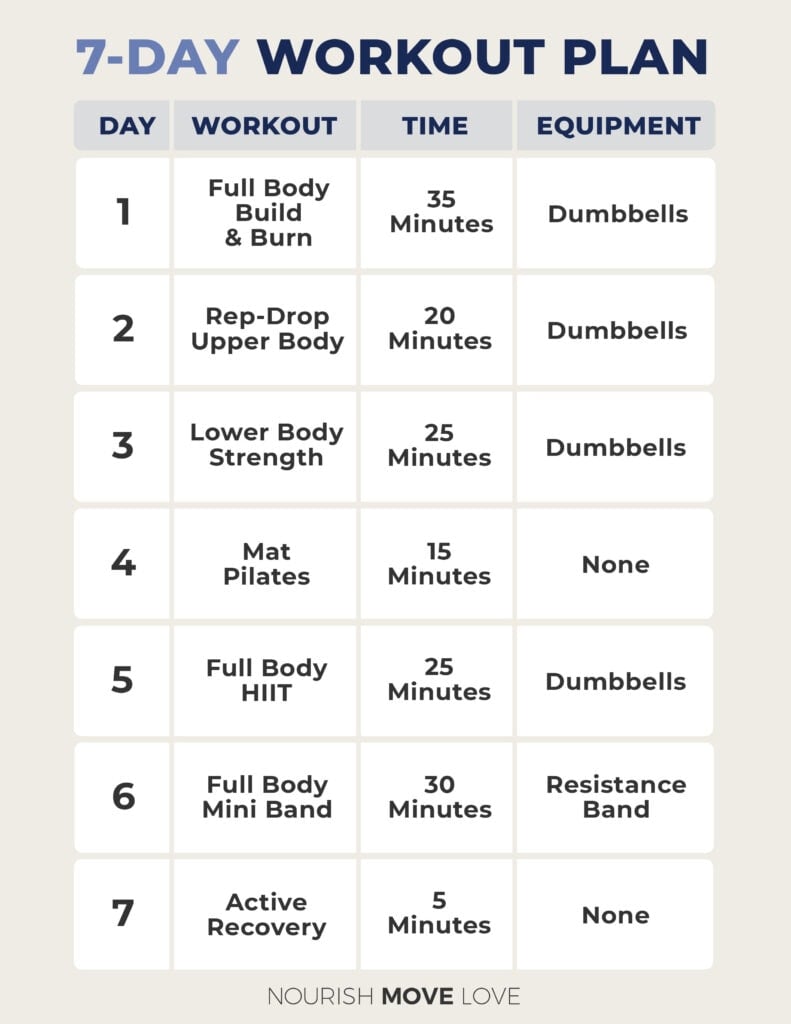
Weekly Workout Plan
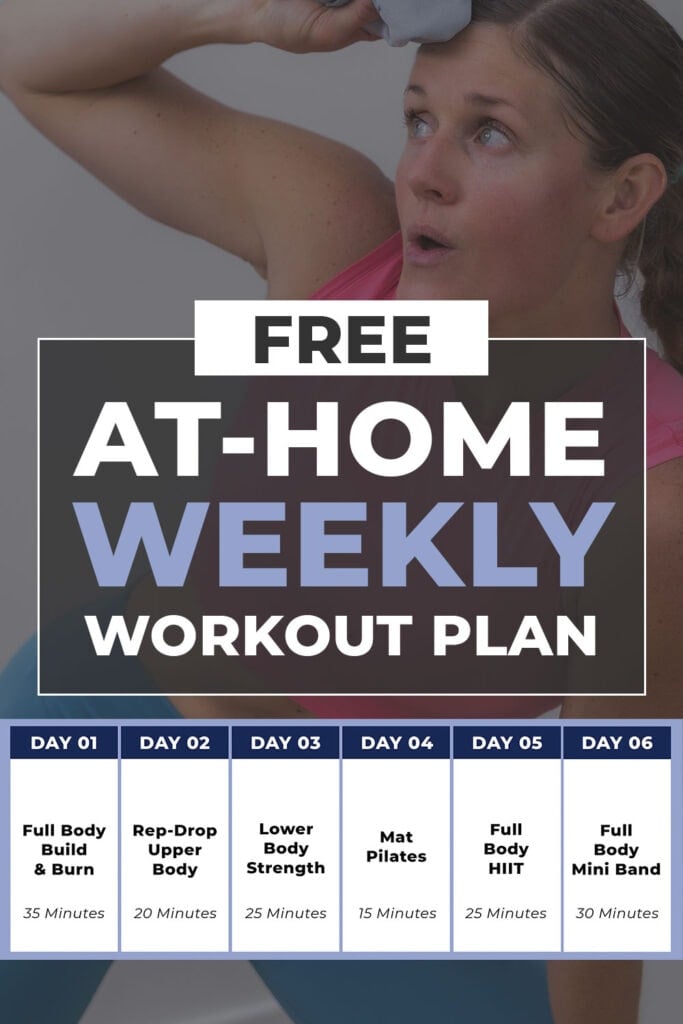
Day 1: 35-Minute Full-Body Strength and Conditioning Workout
- Workout Time: 35 Minutes
- Equipment: Dumbbells
Day 2: 20-Minute Quick Arm Workout
- Workout Time: 20 Minutes
- Equipment: Dumbbells
Day 3: 25-Minute Dumbbell Leg Workout
- Workout Time: 25 Minutes
- Equipment: Dumbbells
Day 4: 15-Minute Mat Pilates
- Workout Time: 15 Minutes
- Equipment: None
Day 5: 25-Minute Full-Body HIIT Workout
- Workout Time: 25 Minutes
- Equipment: Dumbbells
Day 6: 30-Minute Full-Body Resistance Band Workout
- Workout Time: 30 Minutes
- Equipment: Mini Loop Resistance Band
Day 7: 5-Minute Daily Mobility
- Workout Time: 5 Minutes
- Equipment: None
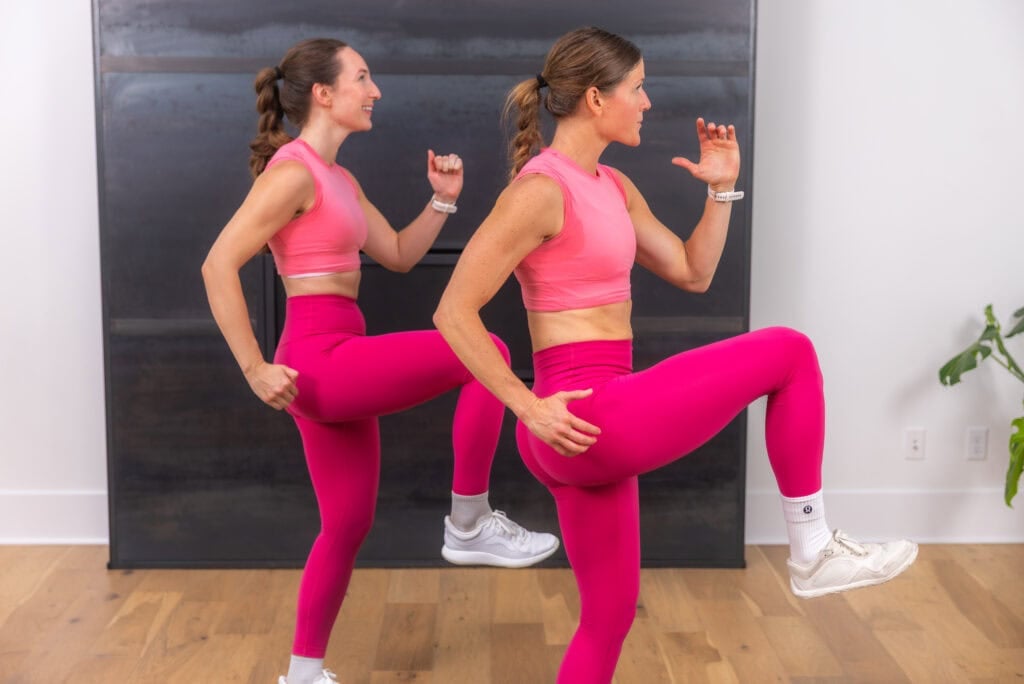
Find This Workout Plan On YouTube
 Youtube Playlist
Week-Long Workout Schedule Details
1. Gym Equipment Needed:
Equipment. Most of the daily workouts require a set of dumbbells. Each weight-training workout includes a recommended dumbbell weight, usually between 8-20 pounds. Choose a weight that makes your last few reps challenging while still allowing you to maintain proper form.
Optional Exercise Equipment: Mini Loop Resistance Band
Equipment (Discount Code: NML). A resistance band adds extra resistance to exercises like squats, lateral movements, glute work and upper-body exercises, helping strengthen and activate the muscles while making bodyweight movements more challenging.
2. Time Requirement:
Workouts are 15-30 minutes a day, 6 days per week. You can always take additional rest days as needed for muscle recovery. Each workout includes a dynamic warm-up and dedicated cool-down to prevent muscle soreness.
If you’re reducing workout days to accommodate a running schedule or make this plan more beginner-friendly, I recommend completing 2-3 strength workouts per week.
3. Fitness Level:
Intermediate to advanced, with modifications offered for all fitness levels in the daily workout videos. If you’re looking for a full-body workout plan for beginners, follow my Beginner Workout Plan.
4. Cost:
FREE! No sign up needed, this is a FREE Workout Plan.
FAQs
How did you decide on the format for this workout plan?
I built this plan around structures I’ve found helpful for maintaining consistency without overcomplicating workouts. That includes the 3-3-3 rule (3 sets, 3 exercises, 3 times a week for beginners) and the 4-2-1 rule (4 moderate workouts, 2 high-intensity days and 1 recovery day).
How should a weekly workout plan change based on fitness goals?
Your weekly workout plan should reflect your main fitness goals. For example, prioritize strength training and progressive overload if you want to build muscle or add more cardio if improving endurance is the goal. For overall fitness and healthy aging, combine strength, cardio and mobility work.
How can a beginner build muscle?
If you’re new to strength training and lifting weights and want to build muscle mass, focus on resistance training, getting enough protein and recovery.
Start with compound exercises like squats, deadlifts and bench presses, which work multiple muscle groups at once. You can use free weights for weight training or machines, depending on what you have available. Aim for 2-3 strength workouts per week and make sure you’re training all major muscle groups to build lean muscle.
Eating enough protein and calories also supports muscle growth, while rest gives your muscles time to recover and adapt. Give each muscle group adequate recovery time between strength training sessions. That means real rest, not active recovery.
How can women effectively balance cardio and strength training in a weekly workout plan?
Balance cardio and strength training by scheduling 2-3 strength workouts and 2-3 cardio sessions each week, with rest or active recovery days between harder workouts. Mix high-intensity interval training (HIIT) with lower-impact options like walking, swimming or cycling to support cardiovascular fitness without overtraining.
You can also incorporate stretching, yoga and mobility work into your warm-ups, cool-downs or recovery days to improve flexibility and support recovery.
How do I start a gym workout as a beginner?
As a beginner, the best way to start a gym workout is to focus on form. Don’t worry about lifting super heavy or completing long workouts. Start with a few days a week, making sure to mix in some cardio and strength training.
I recommend following a well-rounded plan for accountability and motivation. A well-rounded workout plan will hit every muscle group (total-body, upper-body and lower-body) and include strength training, cardio workouts and mobility.
How to Download and Use This Weekly Workout Plan
- Download the Weekly Workout Schedule PDF by clicking here, or bookmark this webpage for reference.
- Save this workout calendar to your iPhone home screen for easy access.
- Open this workout calendar pdf in the Safari browser on your phone.
- Tap the bottom arrow in the center of your screen.
- Select ‘Add to Home Screen’.
- Hover over and then click on the bold text each day to access the full-length, real-time workout video on nourishmovelove.com. Or scroll to find the daily workouts on YouTube here.
- You can also access all of the home workout videos on this workout challenge calendar on YouTube via this YouTube Playlist: Weekly Workout Schedule for Women.
- Share your daily workouts with me by tagging @nourishmovelove on social and ‘Pin’ the daily workouts on Pinterest so you can do them again.
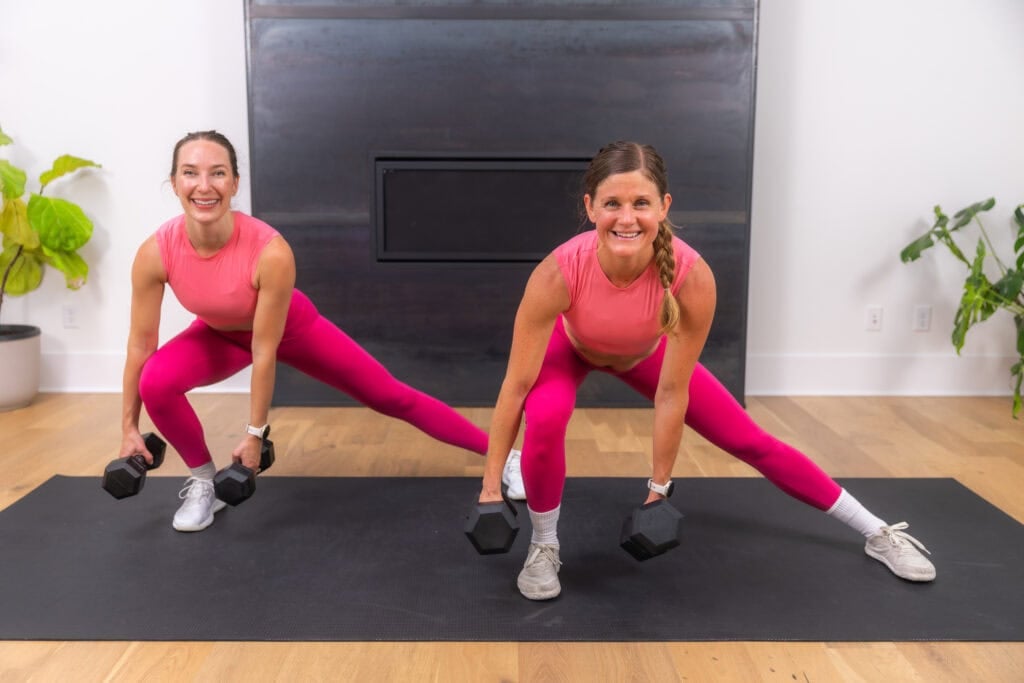
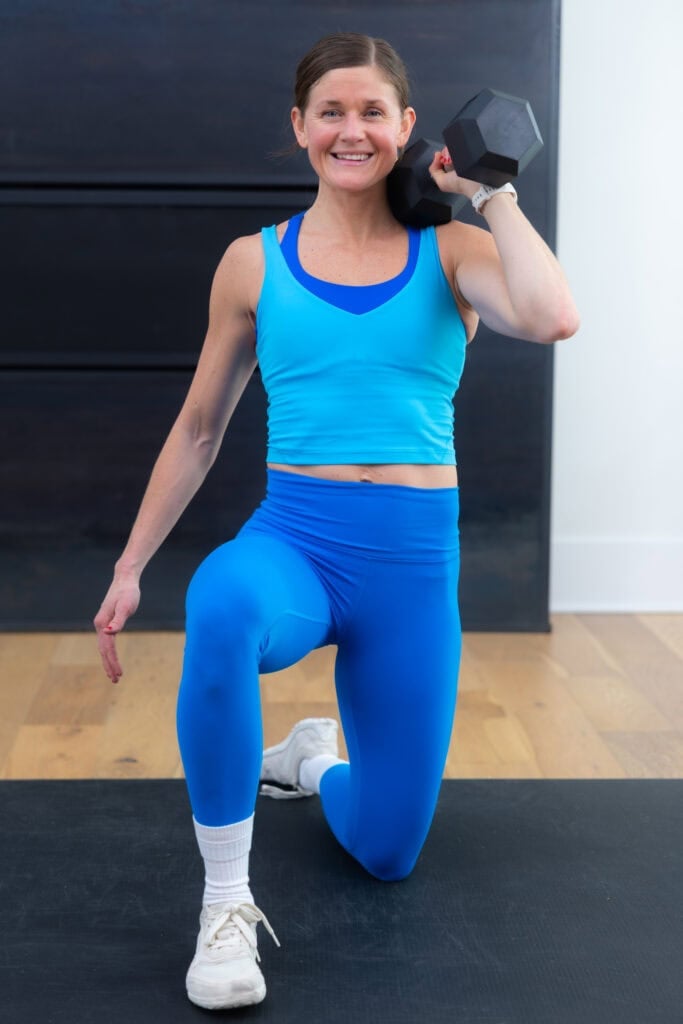
Get My Full Program Guide!
New to Nourish Move Love and wondering which workout plan is best for you? Check out more of my free workout plans, and find the program that’s best for you!
Start Here!
Pin This Weekly Workout Plan for Women
Note: Before beginning any new exercise program you should consult with your physician or midwife. The information provided with this workout challenge is intended for general information and use; it does not include specific, individualized recommendations and is not intended as medical advice. Before you begin any new exercise program Nourish Move Love, LLC recommends that you consult with your physician. Nourish Move Love, LLC primarily educates clients to assume more personal responsibility for their health by adopting a healthy and active lifestyle.
This post is sponsored by LMNT. All opinions are my own. This post includes affiliate links. I do make a small commission for products purchased using these links (at no additional cost to you). Thank you for supporting Nourish Move Love, making the content you see on this blog possible.
no comments