





How Long After Eating to Work Out
I get this question all the time: Should you exercise right after eating, or wait a certain amount of time? In my experience, the answer depends on a few things, like meal size, what you ate, the type of workout you’re doing and how your body personally digests food. I’m breaking down exactly how long I recommend waiting after meals, snacks and everything in between so that you can feel strong, not sluggish, during every workout.
General Guidelines
I like to follow a few simple timing guidelines based on how much I’ve eaten and how intense my workout will be. These aren’t strict rules around workout nutrition, but they’re a helpful starting point to avoid discomfort and get the most out of your training.
After a Full Meal
If I’ve eaten a heavier, large meal, I typically wait at least 3-4 hours before working out. Big meals take longer to move through your digestive system, especially if they include higher amounts of fat and protein.
Working out too soon after a big meal can lead to cramping, bloating, or nausea because your body is still focused on digestion. Give yourself a few hours to help ensure that energy is available for your workout instead of being tied up in your stomach.
After a Small Meal
If I’ve had a smaller meal, I still wait about 1-2 hours before exercising. This gives my body enough time to start digesting that meal without feeling overly full. Waiting a bit after a moderate meal helps reduce the chances of side effects like gut discomfort or sluggishness, while still giving you some fuel to power through your workout.
After a Snack
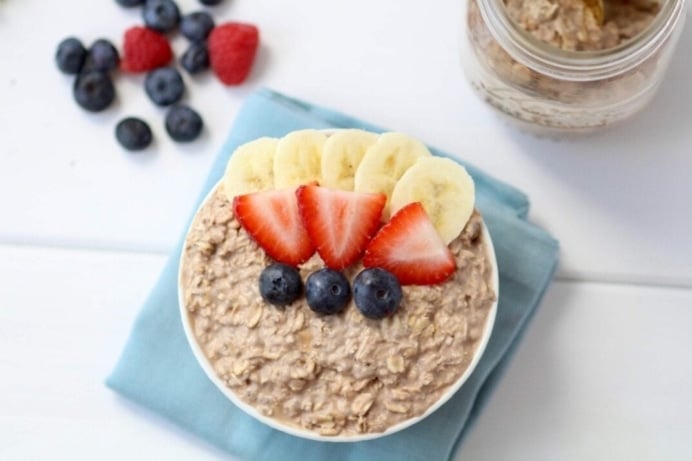
If I’ve had a light snack, I can typically work out within 30 minutes, depending on the snack. Quick-digesting snacks like fruit, a granola bar, a protein shake or a small carb-protein combo tend to sit well with me and provide a fast energy boost.
In my experience, a light snack is often the best option before a workout if I’m working with a limited amount of time. It gives me enough energy without feeling heavy, especially before higher-intensity or shorter workouts.
The Type of Exercise You’re Doing Matters
How long I wait to work out after eating depends on the type of workout I’m doing, too. In general, the more intense the workout, the more I prioritize giving my body time to digest first. Here are some quick tips based on what you’ll be doing post-meal:
- High-intensity workouts (HIIT, running, cardio intervals): I try to allow more time after eating, especially after a full meal. Jumping into intense movement too quickly can lead to cramping or nausea. I aim for about 2-3 hours after a full meal, or at least 60-90 minutes after a smaller meal if I know I’ll be doing something more intense.
- Strength training: I like to give myself some digestion time before strength training workouts, but I’ll often train 1-2 hours after a small meal or 30-60 minutes after a snack.
- Low-intensity movement (walking, stretching, mobility): I can usually do this kind of movement pretty soon after eating, even within 30 minutes, since it’s gentler on digestion.
What to Eat Before a Workout
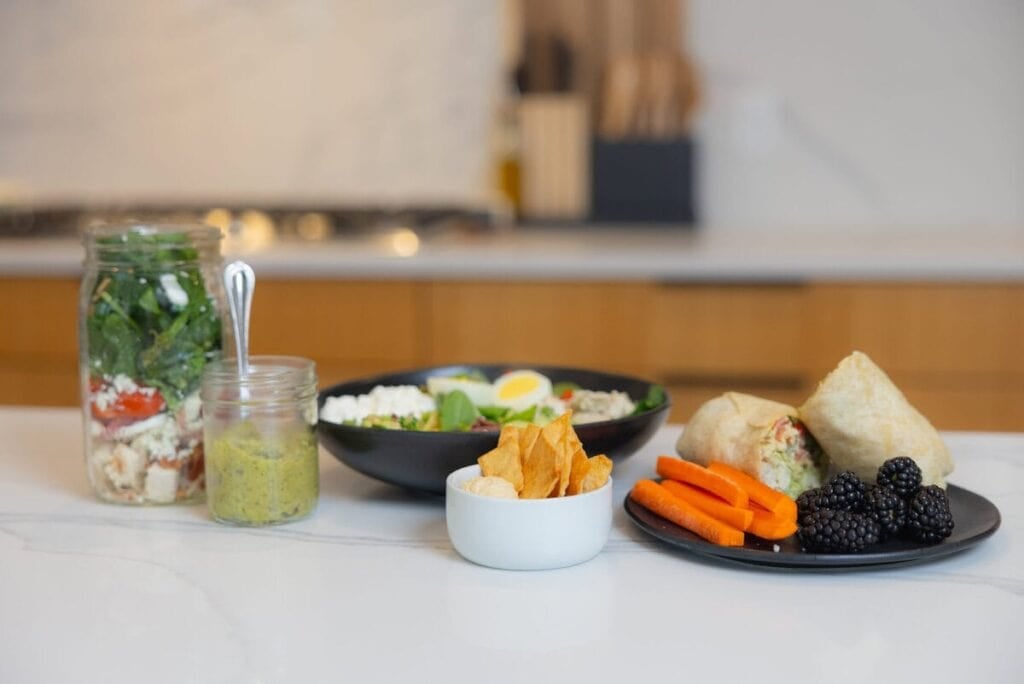
When I’m deciding what to eat before a workout, I focus on foods that digest easily and give me quick, usable energy, exactly what my body needs to perform at its best. I prioritize simple carbohydrates paired with protein to support performance and muscle function.
Carbohydrates are my go-to for sustained energy levels because they’re the body’s preferred fuel source during exercise. Adding protein helps support muscle performance and recovery, especially if I’m strength training. I go into more detail on timing, portions, and pre-workout meal plans in my full guide on what to eat before a workout.
Some of my favorite healthy snacks and pre-workout options include:
- A banana or apple with a spoonful of nut butter
- Greek yogurt with berries
- A rice cake with peanut butter or honey
- A protein bar or a couple of energy bites
- Eggs with whole-grain toast if I have more time before my workout
If I’m eating closer to my workout, I keep things lighter and lower in fat and fiber so digestion doesn’t slow me down. The goal is to feel energized and ready to move, not heavy or sluggish. If you need quick ideas, I also share more easy pre-workout snack options that are simple to grab when you’re short on time.
What to Avoid
There are a few types of foods I try to avoid right before a workout because of how they make me feel and the impact they have on my energy:
- Fried or greasy foods: These take longer to digest and can feel heavy during a workout. The last thing you need is a full stomach during your workout.
- High-fat meals right before training: Fat slows digestion, which can lead to sluggishness. A good rule of thumb is to keep fats lower when eating within a few hours of a workout.
- Very high-fiber foods close to a workout: These can cause bloating or an upset stomach mid-workout.
- Sugary drinks or candy: These may give a quick spike in energy, but I often feel a crash shortly after.
- Spicy foods: These can lead to heartburn (acid reflux) or irritation along the digestive tract while exercising.
Don’t Forget to Hydrate
Hydration plays a big part in how I feel during exercise and post-workout. I drink water consistently throughout the day, so I’m not trying to play catch-up right before I exercise.
Staying hydrated helps support energy, endurance and focus, and even mild dehydration can leave me feeling fatigued or sluggish. For higher-intensity or sweat-heavy workouts, I’ll sometimes add electrolytes to help replace what I lose and support muscle function.
More isn’t always better, though. Drinking too much water or sports drinks right before a workout can lead to discomfort, that “sloshing” feeling in your stomach, and in extreme cases, hyponatremia. This is when sodium levels in the blood become too diluted.
Go for steady hydration throughout the day, then sip water leading up to a workout instead of chugging large amounts all at once. This helps me start my workout feeling hydrated, comfortable and ready to move.
If I’m training early in the day, I’ll sometimes also have a coffee before my workout for an extra energy and focus boost. If I’m having it, I’ll sip a cup about 30-45 minutes before training so it has time to kick in, and I always pair it with water since caffeine can be mildly dehydrating. If you work out right after getting up, save the coffee for post-workout to avoid any gut issues.
FAQs
Is it better to exercise on an empty stomach or after eating?
In most cases, I don’t recommend working out on an empty stomach, especially for women. Women’s bodies are more sensitive to energy availability. Skipping some fuel before higher-intensity workouts can increase stress hormones, disrupt energy levels and leave you feeling fatigued, lightheaded or underpowered.
In my experience, even a small snack before a workout can make a big difference in how strong and steady I feel. Fasted workouts might be okay for low-intensity movement like walking, but for strength training or cardio, I feel much more supported when I’ve had some fuel beforehand.
If you’re curious about fasted cardio, I go deeper into the pros and cons and when it might align with your lifestyle.
What are the potential side effects of working out too soon after eating?
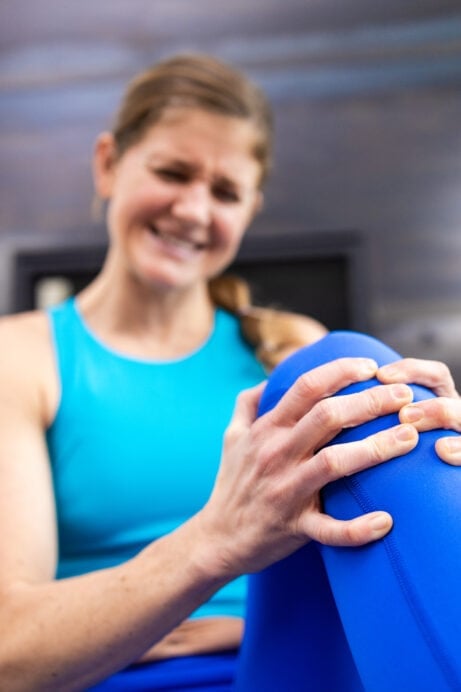
If I start a workout too soon after eating, I usually notice it pretty quickly. The most common side effects are digestive discomfort, including bloating, cramping, nausea or acid reflux.
This happens because your body is trying to do two things at once. It’s digesting food and fueling your movement. Blood flow gets redirected to your working muscles, which can slow digestion and lead to that heavy, uncomfortable feeling.
I also find that my energy can feel off. Instead of feeling strong and ready to move, I feel sluggish or weighed down. Giving myself enough time to digest helps me avoid these issues, enjoy the workout and avoid any uncomfortable gut effects.
How long should you wait to exercise after eating carbohydrates?
It depends on the type and amount of carbohydrates you’ve eaten. If I’ve had a small, simple-carb snack like fruit or a rice cake, I can usually work out within about 30 minutes. Those foods digest quickly and provide fast energy.
If the carbs are part of a larger meal that includes protein, fat or fiber, I’ll wait closer to 1-2 hours. Those nutrients slow digestion, which is great for sustained energy, but not ideal for jumping into a workout too quickly.
I adjust my timing based on how I feel and what kind of workout I’m doing. For higher-intensity workouts, I give myself more time. For something lighter, I can often get started sooner without any issues.
I also try not to experiment with brand-new foods right before a workout. I stick with what I know works well for me so I can focus on the workout, not how my stomach is reacting.
Listen to Your Body
Timing your workouts after eating is helpful, but it shouldn’t feel rigid. Everyone’s body digests food differently, and what feels great for one person might feel totally off for another. Some days I feel best training after a light snack, while other days I need something more substantial, and as a result, more time, to feel comfortable and strong.
There’s no one-size-fits-all rule here, and it often comes down to experimenting and noticing what supports your energy, performance and digestion. If you have specific goals like weight loss, performance training or medical considerations, it can also be helpful to check in with a registered dietitian for personalized guidance.
I also remind myself that life isn’t always perfectly timed around meals and workouts, and that’s okay. The goal isn’t perfection, but consistency and learning what helps you feel your best. Trust your body and adjust as needed. Over time, you’ll figure out the rhythm that works for you.
More Fitness Educational Posts
Pin This: How Long to Wait to Exercise After Eating

This post includes affiliate links. I do earn a commission for products purchased using these links (at no additional cost to you). Thank you for supporting Nourish Move Love, making the content you see on this blog possible.
no comments




Leave a Comment