


7 Best Forearm Exercises
Build stronger, more resilient forearms with these 7 exercises designed to target both the flexor and extensor muscle groups. This roundup is ideal for women who want better grip strength and wrist stability, whether you want to add forearm training to your routine or carve out a short, focused arm session at home. You’ll find a mix of bodyweight, dumbbell and grip-focused exercises that strengthen the forearms, improve endurance and support daily activities like lifting, carrying and pulling.
Strong forearms often get overlooked in women’s strength training, but they’re essential for functional fitness. I prioritize forearm work because a strong grip and stable wrists make so many movements safer and more effective, from push-ups to carrying groceries.
The best forearm workouts help build strength in the smaller stabilizing muscles of the forearms and wrists, which means better control, endurance and injury prevention.
For women, especially those balancing work, family and home responsibilities, these exercises are time-efficient and highly functional. You don’t need hours in the gym. A few key movements done consistently can translate to stronger hands, wrists and forearms that carry over into everyday life and more advanced workouts.
A Quick Rundown
These forearm exercises combine bodyweight, dumbbell workouts and grip-focused movements to target both the flexors and extensors of the forearms from multiple angles. You’ll see a mix of compound exercises and isolation exercises designed to strengthen the muscles that support grip, wrist stability and everyday functional strength.
The goal is to improve forearm strength, endurance and wrist control while supporting upper-body pulling and pushing movements. I recommend adding 3-5 of these exercises to your upper-body or arm-day workouts 2-3 times per week.
You can pair them with back, biceps or chest training or finish a workout with focused forearm work for functional strength gains and to support a full range of motion.
Note: If you have a history of wrist tendonitis, severe elbow pain or shoulder instability, reduce load, modify the movement or consult a medical professional before attempting these exercises.
Just starting your fitness journey? Check out my beginner workout plan.
Equipment to Have on Hand
- Light to medium set of dumbbells. I suggest 5-20 pounds, depending on the exercise and your grip strength. Lighter weights are fine for wrist curls. Heavier is better for farmer’s carries.
- Resistance band (light to medium tension) for assisted pull-ups or alternative wrist curl options.
- Pull-up bar, sturdy and securely installed to support your body weight.
- Optional exercise mat for floor-based movements like crab walks or plank shoulder taps.
Start lighter if you’re new to forearm or grip-focused exercises. Choose a weight that allows the last 2-3 reps to feel challenging while maintaining proper form.
Instructions
Before you start, I recommend spending a few minutes on a warm-up targeting your wrists, forearms and shoulders. My pre‑workout stretch routine is perfect for improved mobility. Then, choose 3-5 exercises from the list below and follow these rep and set ranges:
- Beginners: Aim for 2-3 sets of 8-10 reps
- Intermediate: Aim for 3-4 sets of 10-12 reps
- Advanced: Aim for 4-6 sets of 12-15 reps
For timed or circuit-style workouts, try 40 seconds of work per exercise followed by 20 seconds of rest. Focus on controlled motion, maintaining proper wrist and core alignment. Rest for 30-60 seconds between sets, and prioritize form over weight or speed.
Forearm Exercises Outline
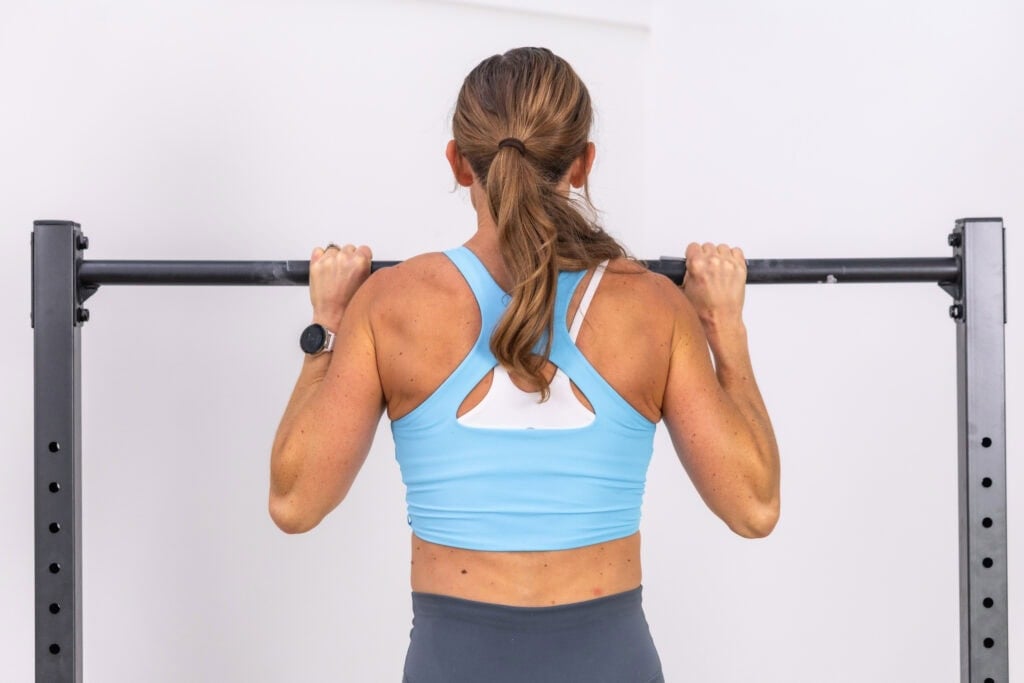
1. Pull-Ups
Targets: Forearm flexors and extensors (grip strength), brachioradialis, upper and lower back, latissimus dorsi (lats), erector spinae, trapezius (traps), rear deltoids, biceps, pectoralis major and minor (chest) and core.
How to Do a Pull-Up
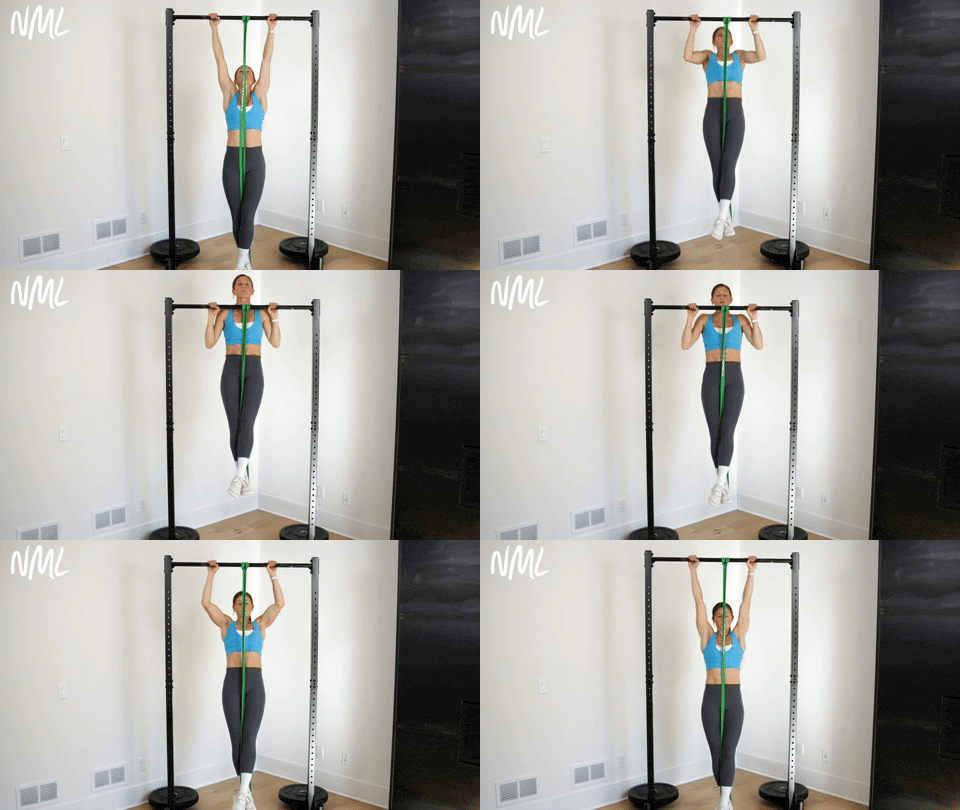
- Stand directly beneath a secure pull-up bar with feet hip-width apart and shoulders relaxed.
- Reach overhead and grip the bar with an overhand grip, hands slightly wider than shoulder-width apart. Wrap your thumbs fully around the bar.
- Hang with your arms fully extended and allow your body to lengthen, keeping your core lightly engaged.
- Begin the movement by drawing your shoulder blades down and together, then bend your elbows to pull your chest upward. Keep your elbows angled toward your sides.
- Pull until your chin clears the bar, or as high as you can with control, maintaining a straight body line and controlled movement.
- Lower yourself slowly back to the starting position, fully extending your arms before beginning the next repetition.
Modification(s): Substitute assisted pull-ups using a long resistance band if you can’t perform a full repetition. You can also follow a structured pull-up progression program to gradually build the strength for your first unassisted rep.
2. Dead Hangs
Targets: Forearm and finger flexors, wrist stabilizers, shoulders and upper back stabilizers. The dead hang is one of the most effective exercises for strong forearms and building up to pull-ups.
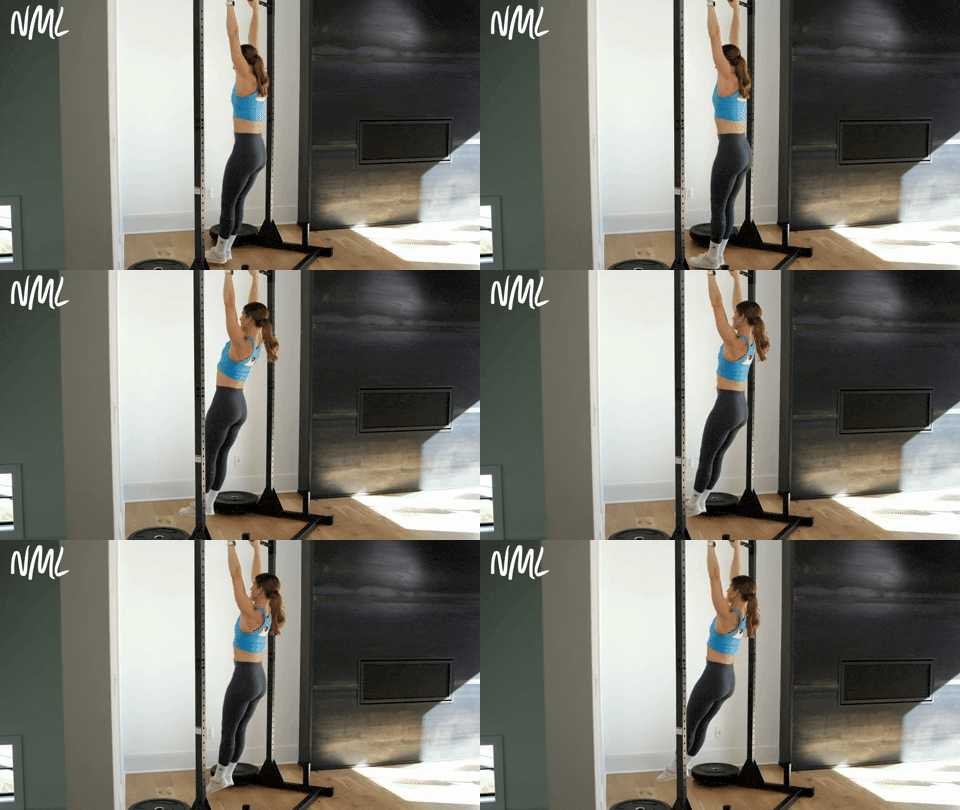
How to Do a Dead Hang
- Stand directly beneath a secure pull-up bar with feet hip-width apart.
- Reach overhead and grip the bar with an overhand grip, hands slightly wider than shoulder-width apart. Wrap your thumbs fully around the bar.
- Lift your feet off the floor and allow your body to hang freely with arms fully extended.
- Gently engage your shoulders by pulling them slightly down away from your ears while keeping your neck relaxed.
- Brace your core and maintain a straight line from head to heels as you hang.
- Hold for 10-40 seconds, breathing steadily and relaxing your grip, then step down with control.
Modification(s): Keep your toes lightly on the floor or on a box to reduce the load while building grip strength. You can also use a resistance band under one foot for partial assistance.
3. Farmer’s Carry
Targets: Forearm flexors and extensors, trapezius (upper and middle), shoulders and deep core muscles. The glutes, hamstrings, quads and calves assist in stabilizing the hips and supporting posture while walking under load.
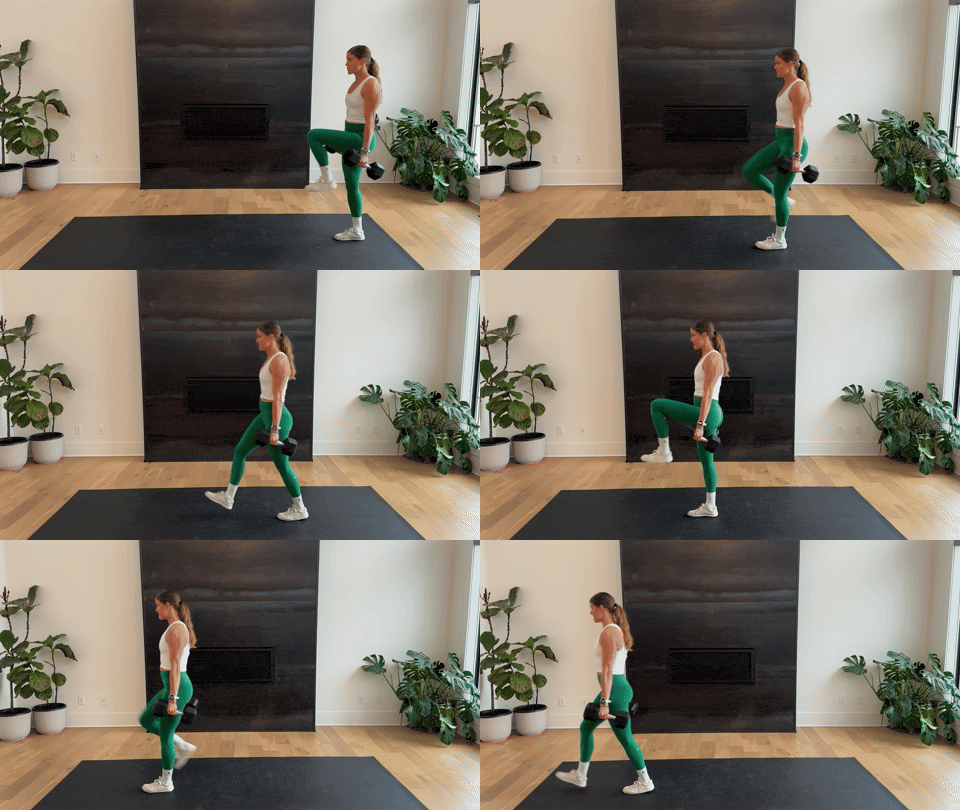
How to Do a Farmer’s Carry
- Stand tall with your feet hip-width apart, holding a dumbbell or kettlebell in each hand at your sides, palms facing inward.
- Let your arms hang long, then brace your core and gently pull your shoulders down and back to maintain strong posture.
- Begin walking forward with small, controlled steps, keeping your chest lifted and spine neutral.
- Squeeze the handles firmly as you walk, resisting the urge to lean or sway side to side.
- Continue for a set distance — I aim for 200m during Hyrox workouts — then carefully lower the weights to the floor with control.
Modification(s): Start with lighter weights or shorter time intervals if your grip fatigues quickly. You can also try a single-arm farmer’s walk to reduce load while challenging your core stability.
4. Palms Up Wrist Curl
Targets: Forearm flexors and grip strength. Supinated dumbbell wrist curls work the muscles along the underside of the forearm to build strength for pulling movements and everyday lifting.
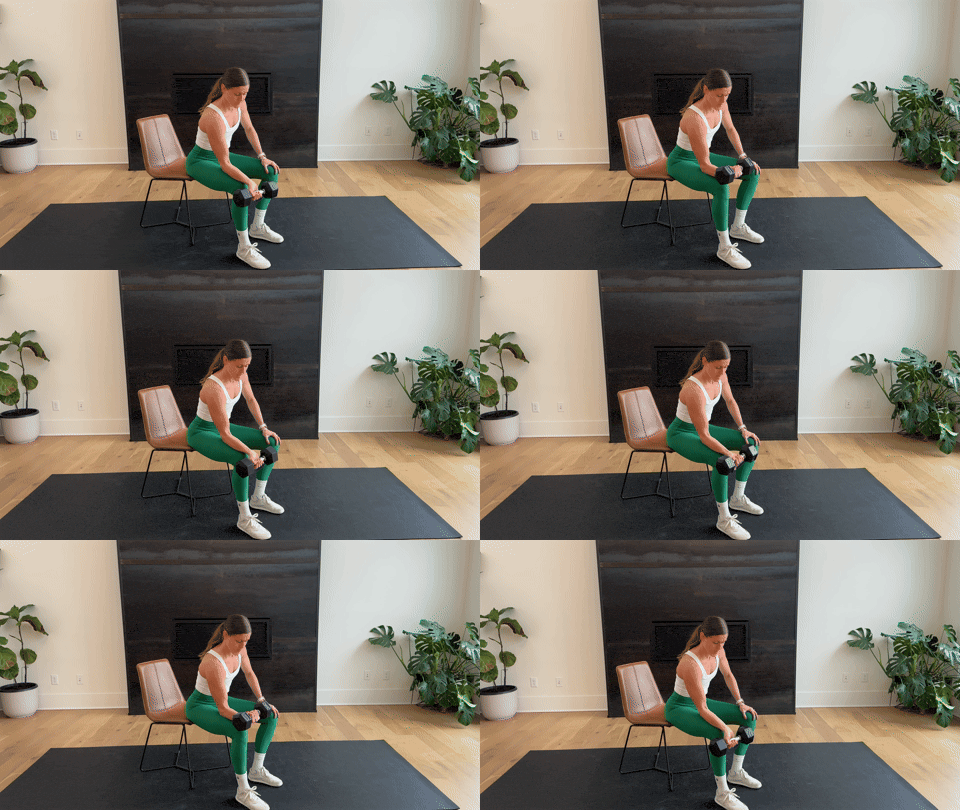
How to Do a Palms Up Wrist Curl
- Sit on a bench or chair with your forearms resting on your thighs, palms facing up and wrists just beyond your knees. Hold a dumbbell in each hand.
- Curl your wrists upward, lifting the dumbbells toward your body while keeping your forearms stationary.
- Pause at the top, then slowly lower the dumbbells back down to the starting position.
- Aim for 12-15 reps for 2-3 sets with slow, controlled motion.
Modification(s): Reduce the weight, or if you have access to a cable machine, try a cable curl at a lighter load for more controlled tension.
5. Palms Down Wrist Curl
Targets: Forearm extensors, wrist flexors, and grip endurance. This wrist extension exercise strengthens the muscles along the top of the forearm to improve wrist control.
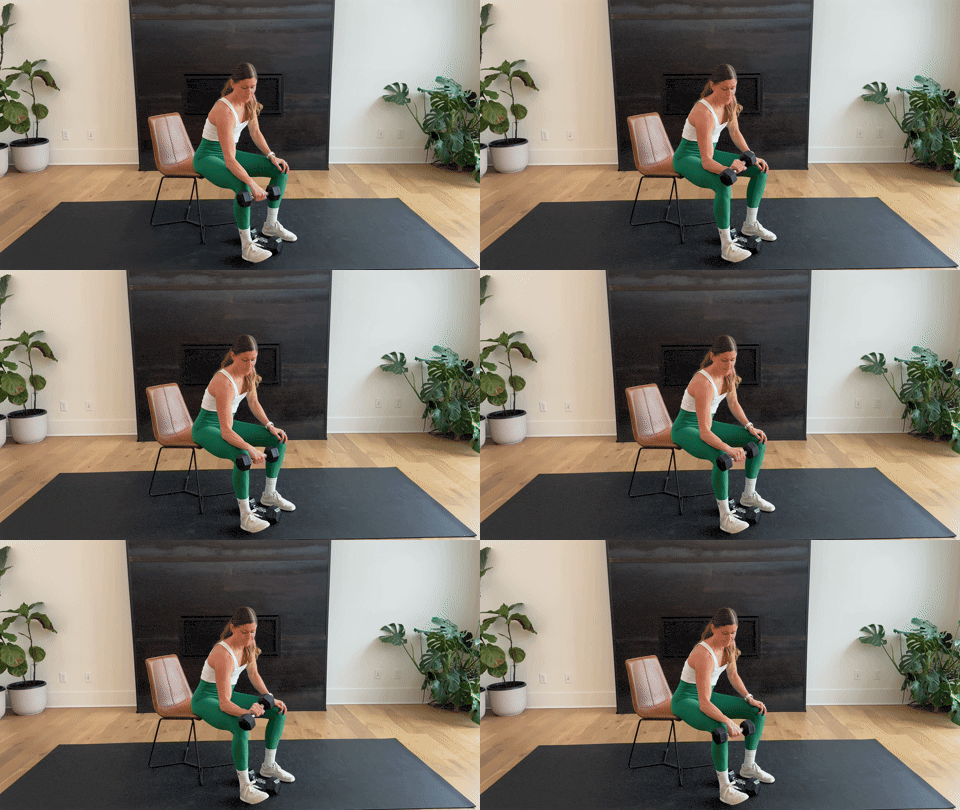
How to Do a Palms Down Wrist Curl
- Sit on a bench or chair with your forearms resting on your thighs, palms facing down and wrists just beyond your knees. Hold a dumbbell in each hand.
- Slowly curl your wrists upward, lifting the dumbbells while keeping your forearms in place.
- Pause briefly at the top, then lower the dumbbells back down with control.
- Complete 12-15 controlled reps for 2-3 sets.
Modification(s): Use lighter dumbbells if you experience wrist discomfort during reverse curls. You can also try this reverse grip with a resistance band for a gentler, more controlled motion.
6. Crab Walk
Targets: Forearm stabilizers, shoulders, triceps, hamstrings, glutes and core. Supporting your bodyweight through extended wrists builds stronger forearms and improves strength in the smaller stabilizing muscles around the wrists.
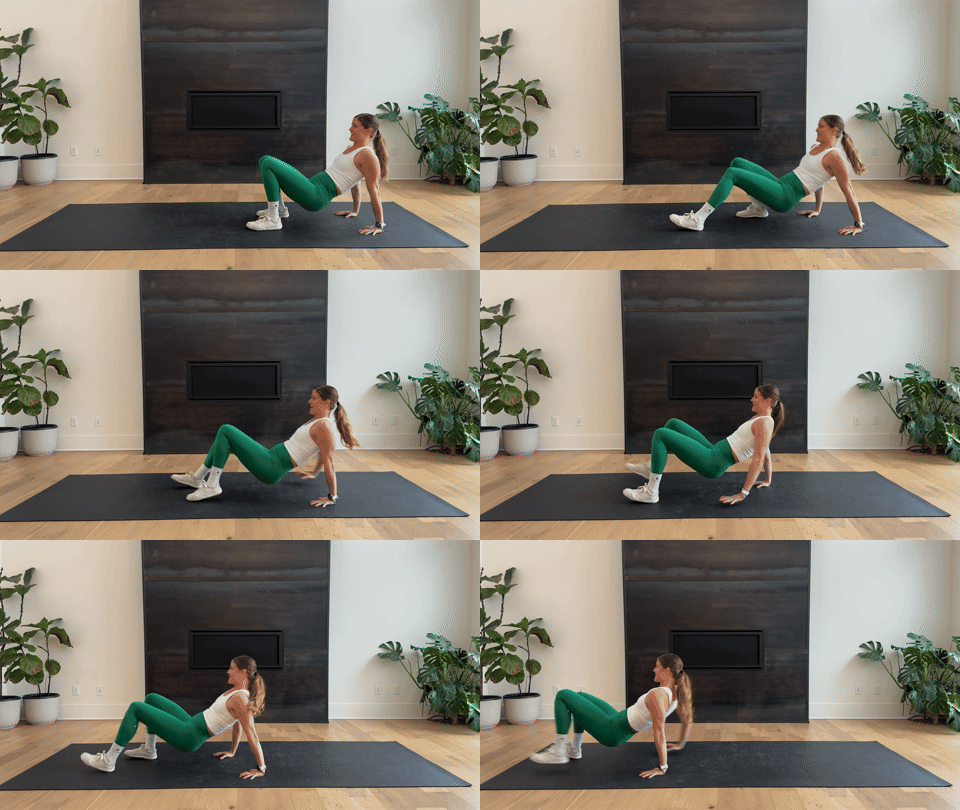
How to Do a Crab Walk
- Start seated on the floor with your feet hip-width apart and knees bent. Place your hands behind you with fingertips pointing toward your body.
- Press through your palms and feet to lift your hips off the floor, creating a tabletop position.
- Engage your core and keep your chest open as you begin to “walk” forward by moving one hand and the opposite foot simultaneously.
- Take 3-5 small, controlled steps forward while keeping your hips lifted.
- Reverse the movement and walk backward to your starting position with control.
Modification(s): Keep your hips slightly lower to reduce wrist strain or shorten the walking distance. If wrist discomfort occurs, adjust your hand placement slightly outward instead of directly toward your body.
7. Plank and Shoulder Tap
Targets: Shoulders, triceps, core and chest. Maintaining a stable plank while lifting 1 hand challenges forearm endurance and wrist stability.
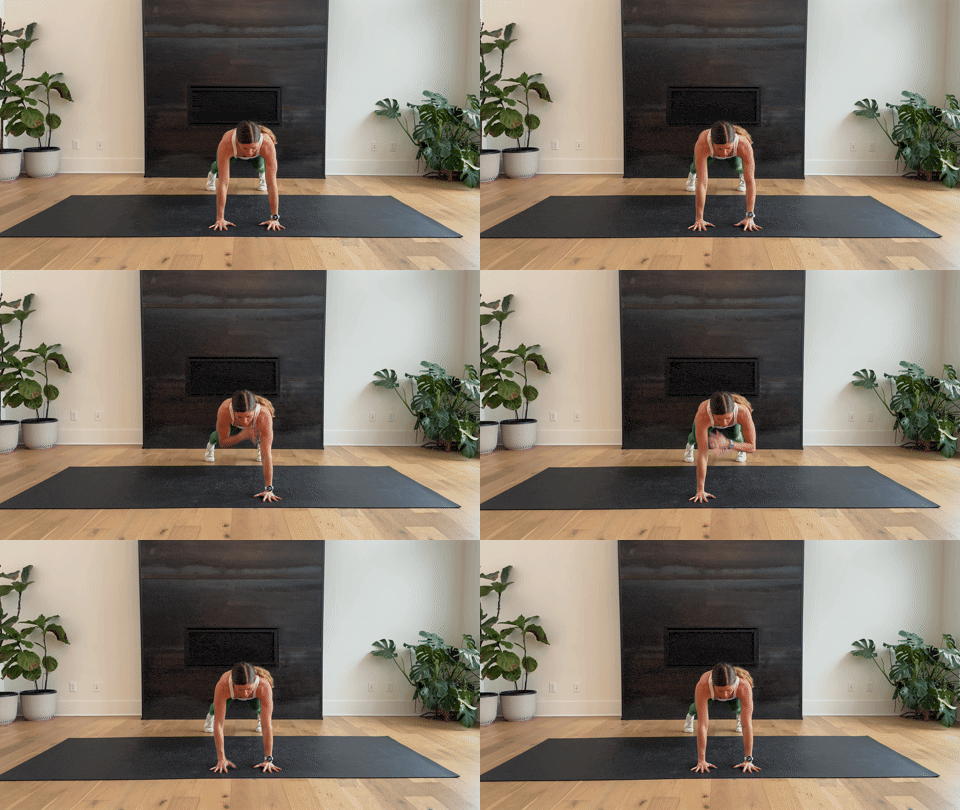
How to Do a Plank and Shoulder Tap
- Start in a high plank position with your shoulders stacked directly over your wrists and your feet hip-width apart. Engage your core and keep your body in a straight line from head to heels.
- Slowly lift your right hand and tap your left shoulder, keeping your hips and torso as stable as possible.
- Return your right hand to the floor and then lift your left hand to tap your right shoulder. That’s one full rep.
- Repeat for 8-12 reps, maintaining control and minimizing rocking in the hips.
Modification(s): Drop to your knees to reduce load on wrists and shoulders. You can also perform the shoulder taps from an incline by placing your hands on a bench or sturdy surface.
FAQs
How many sets and reps should you do for forearm hypertrophy?
For forearm hypertrophy (building muscle size and strength), aim for 8-12 reps per set and 2-4 sets per exercise. Focus on controlled motion and progressive overload, slightly increasing weight or reps over time, to maximize growth without overstraining your forearm muscles. These exercises complement larger compound lifts like deadlifts, hammer curls and bicep curls in your upper-arm workout routine.
Is it okay to train forearms every day?
Your forearms are smaller muscles that can handle frequent work, but daily training isn’t necessary. I recommend 2-3 sessions per week, allowing at least a day of rest between heavy or high-volume forearm workouts to avoid tendon irritation or overuse injuries.
How long does it take to see forearm growth?
With consistent hypertrophy-style training, you may notice strength improvements in 4-6 weeks. Visible muscle definition usually appears around 6-8 weeks, depending on your starting point, nutrition, and how consistent you are with training.
Is getting stronger different from building muscle in the forearms?
Strength gains come from challenging your muscles to handle more load, while building muscle focuses on increasing size and definition through controlled tension. Combining both in your forearm work improves grip, endurance and visible tone over time.
More Workouts
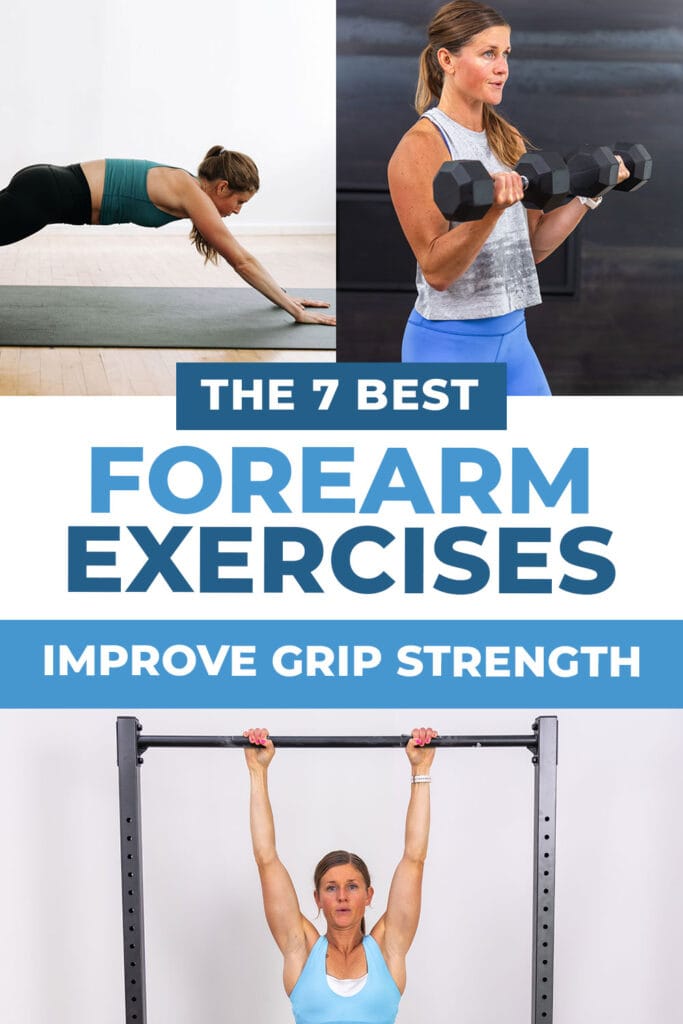
Upper BodyPin This: The 7 Best Forearm Exercises
no comments