



How to Build Bone Density (10-Minute Workout)
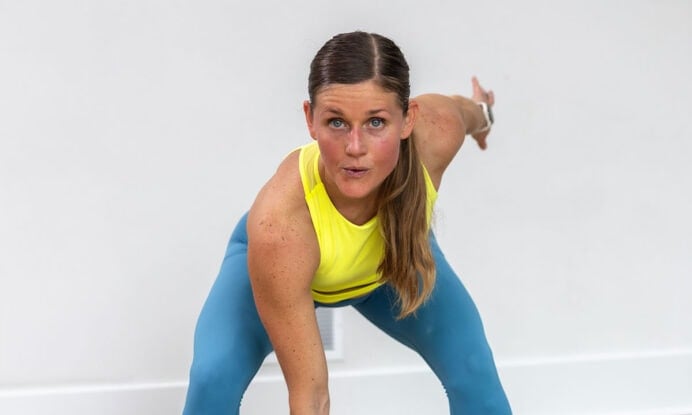
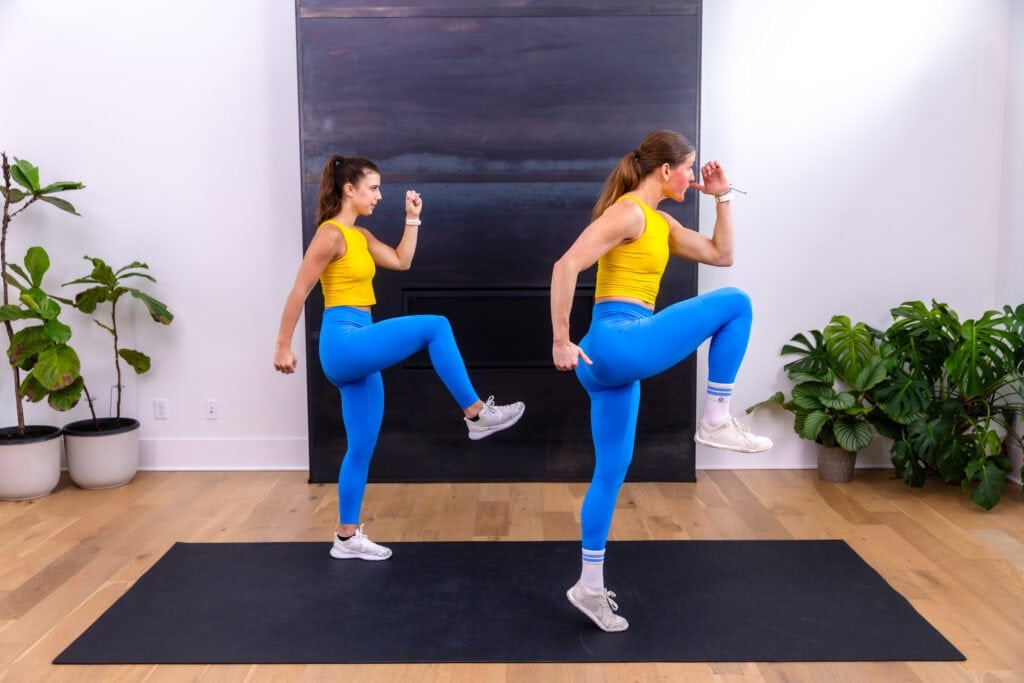
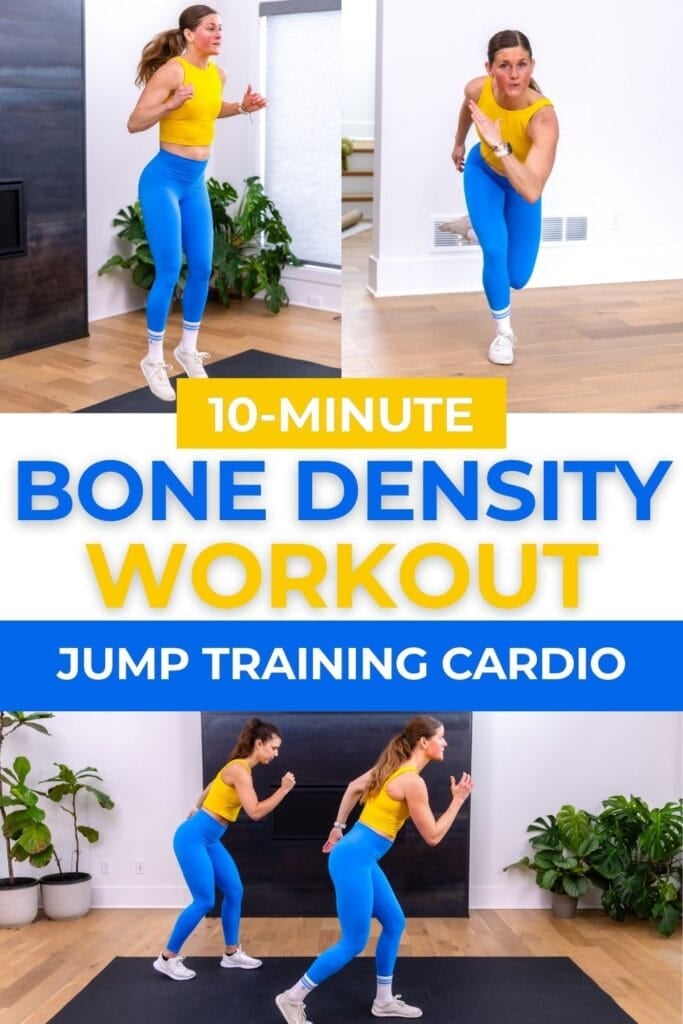
If you’re a woman over 35, your bone density is already declining — but the good news is high-impact movement like jumping can help stimulate bone growth. Which is why I created this quick 10-minute daily jump workout to improve your bone density through external impact!
Benefits of This 10-Minute Workout
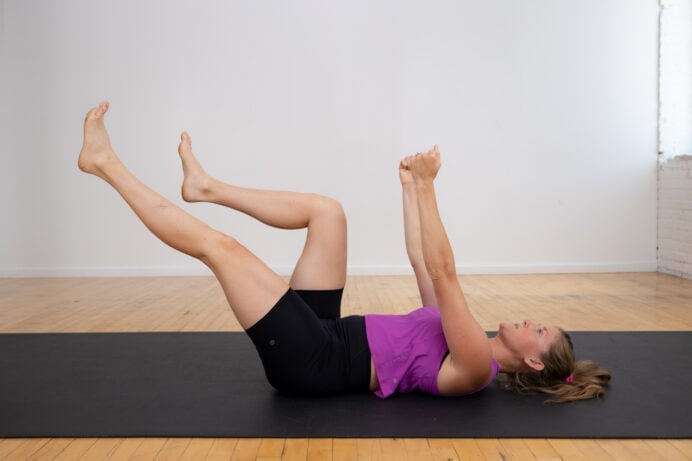
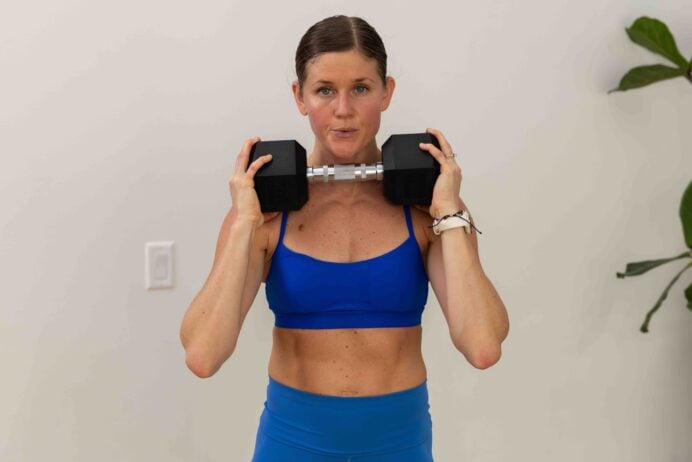
This daily workout I created uses exercises that studies agree will help to stimulate bone growth and increase bone density! Adding this workout to an established exercise program, as part of a warm-up or as part of your High Intensity Interval Training (HIIT), will blaze the trail to stronger bones. All it takes is a little standing room, your own bodyweight and 10 minutes.
This workout will:
- Support stronger bones
- Stimulate bone growth through weight-bearing and resistance exercise
- Help reduce the risk of fractures
- Improve bone density, muscle strength and overall skeletal strength
- Lower risk of falls through balance exercises
- Encourage better posture and spinal support
When Bone Density Starts Declining
Typically, a decline in bone density begins in women as early as their 30s. Bone loss often accelerates post menopause due to a decrease in estrogen levels. Since bone loss is not an overnight process and happens gradually, it is often called a “silent disease.” It can go unnoticed or undiagnosed until a fracture or significant loss of strength occurs.
Since many women are asymptomatic until such an event, it is critical to start preventative measures as early as possible. Luckily, prevention through regular weight-bearing exercise, strength training and proper nutrition is simple to implement and beneficial to overall health.
Bone Is Living Tissue
The human skeleton doesn’t get enough attention. Usually, it only gets mentioned when there are broken bones, bone disease or a sprain/twist. However, bone is living tissue! One that is constantly breaking down and rebuilding through a process called remodeling.
Like our muscles, bones adapt to the physical forces and stresses we place on them through physical activity like aerobics, stair climbing and even brisk walking. In fact, force and stress are needed to build strong bones and keep them healthy. Without regular stress or movement, bones can gradually weaken and lose density over time.
Why Impact Training Matters
Impact training is for your bones what weightlifting is for your muscles. Exercises such as jumping, hopping and plyometric movements place controlled force through the skeleton. This stimulates bones and puts the necessary stress on them needed to become stronger.
This stress triggers the body’s natural bone-building response and encourages bone remodeling over time, ultimately improving bone strength and reducing the risk of osteoporosis-related fractures.
Combining Impact and Strength Training
What if I told you you could maximize your efforts to strengthen your bones? Combining both impact and strength training can provide more complete support for long-term bone health, balance and injury prevention. Strength training is an essential piece of the puzzle when it comes to supporting and protecting the skeletal system.
Resistance exercises like push-ups, squats and leg lifts or balance training – through tai-chi and yoga – place additional stress on bones by challenging the muscle structure surrounding the bones in a low-impact format.
As muscle mass increases, the support and pressure around the skeletal structure do as well. Through regular exercise, muscles and bones grow and strengthen together.
FAQs
What are osteopenia and osteoporosis?
In short, osteopenia is often a precursor condition to osteoporosis.
Osteopenia is a condition in which bone density is lower than normal. This makes bones weaker and more likely to fracture over time. It is often considered an early stage of bone loss that can progress to osteoporosis if not addressed.
Osteoporosis is a disease that causes bones to become brittle, fragile and more prone to fractures. This is due to a significant loss of bone density and commonly affects the hips, spine and wrists. Osteoporosis is commonly called a “silent disease” because it develops without signs and symptoms and is not found until a fracture occurs as a result of a minor slip or fall.
How long does it take to improve bone density with exercise?
If you are starting from ground zero, you will usually see measurable changes within 6-12 months. Overall, improving bone density and increasing bone mass with exercise is a gradual process and takes regular high-impact exercises in conjunction with weight-bearing activities and resistance training.
Age, nutrition, hormone levels, overall health and exercise intensity can all affect the rate of improvement. Whether you are in your prime or older and asymptomatic, the sooner you implement a consistent workout routine, the better.
Should anyone avoid bone-strengthening workouts?
While most people benefit from bone-strengthening workouts, anyone with low bone density, severe osteoporosis, recent fractures, balance issues or medical conditions that carry an increased risk of injury should consult a healthcare provider before beginning a program.
A physical therapist may provide specific osteoporosis exercises for women with severe cases of osteoporosis.
What are the best foods for osteoporosis?
The best foods to support bone health and help manage osteoporosis are foods rich in calcium, vitamin D, protein, magnesium and vitamin K. Stick to your dairy products, leafy green vegetables, fatty fish, eggs, nuts and beans. Fortified foods such as milk, cereal or orange juice can also be a great addition.
How often should you do muscle-strengthening exercise?
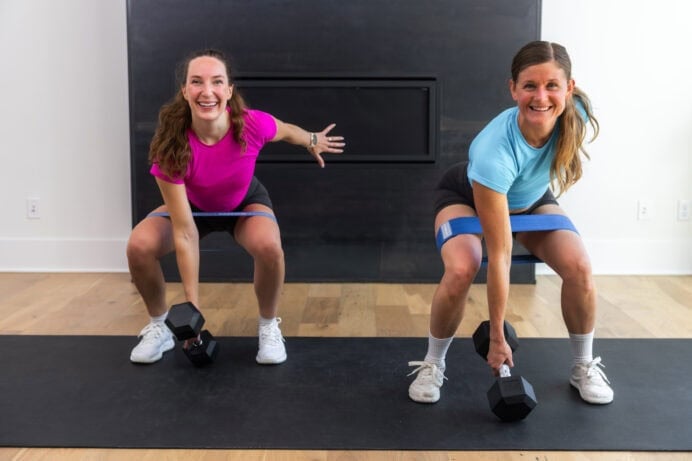
While this depends on your fitness level and ability, the aim is to consistently perform muscle-strengthening exercises 2-3 times per week, at a minimum. Exercises can include resistance bands or weight machines.
Recovery time should be consciously built into any workout plan to encourage consistency, relieve burnout, strengthen bones and muscles and support overall well-being, while reducing the risk of injury.
Let’s Get Stronger, Together
So let’s recap! Women as early as their 30’s are at risk of decreased bone density, bone loss and potentially osteoporosis if gone unchecked and they may not even know it.
Strength and resistance training, as well as low-impact, high-impact and weight-bearing exercises, work together to help the muscular and skeletal systems stay strong and healthy, all while promoting natural processes like bone remodeling and muscle growth.
A solid and well-balanced exercise program implemented consistently is the most effective preventative measure when paired with good nutrition.
The best news is that preventing or treating osteoporosis doesn’t have to be overwhelming, though it can seem daunting. This workout and workouts like these can be done in your living room without cutting into a massive portion of your day or added to an already flourishing exercise program to ensure a little peace of mind. This “Silent Disease” doesn’t have to loom over your everyday life if you start taking these simple steps to prevent it now.
More Workouts
Full-BodyPin This: 10-Minute Bone Density-Building Workout
This post includes affiliate links. I do earn a commission for products purchased using these links (at no additional cost to you). Thank you for supporting Nourish Move Love, making the content you see on this blog possible.
no comments