





9 Pre-Workout Stretches (No Equipment)
Level up your workout with these dynamic pre-workout stretches. No equipment needed for this guided warm-up routine. This functional full-body warm-up prepares your body for lifts, allowing you to move stronger and pain-free through a full range of motion. Increase flexibility, mobility and athletic performance in just 10 minutes.
READY TO SWEAT?
FREE 2-Week Workout Plan
This extended warm-up is part of my FREE 2-Week New Year Workout Program: Athlete 25. Get the full program below!
Free 2-Week Program
Stronger lifts and better workouts start with a solid warm-up.
If you’ve followed along with my workouts for a while, you may have noticed that my warm-ups and cool-downs have gotten longer and more intentional as I’ve gotten older. As I’ve learned more about the benefits of mobility work and experienced first-hand how devastating injuries can be, I’ve implemented strategies to keep you strong, mobile and injury-free into every warm-up and cool-down.
In my 20s, I could jump into a workout after a few quad stretches and leg swings. Now that I’m in my 30s, I’ve noticed dedicating just 5-10 minutes to pre-workout stretching has significantly reduced my knee and lower back pain and improved my lifts.
A truly functional warm-up is much more than simple static stretching; instead, a proper warm-up should focus on preparing your body for the movements in your workout with dynamic stretches to warm up your joints and muscles.
Dynamic stretches are active movements that take your muscles and joints through a full range of motion with intention and control. Think of exercises like high knees or butt kicks rather than a static stretch like reaching for your toes. These pre-workout stretches help get your heart rate up, raise your body temperature, increase blood flow and activate the muscles you’ll use during your workout.
Properly warming up with pre-workout stretches reduces your risk of injury, but also allows for better performance during your workout. Warming up the lower body (including the ankles, hip flexors, calves, hips and knees) allows for deeper squats and pain-free lunges. Activating your upper body muscles (including the rotator cuff, thoracic spine and shoulders) allows for cleaner bench presses and overhead lifts.
Whether you’re heading to the gym or sweating at home, these are the best pre-workout stretches to do before physical activity.
Workout Details
Improve flexibility, mobility and athletic performance with this functional pre-workout stretching routine. You’ll hit every major muscle group in just 10 minutes, no equipment needed.
I suggest doing this extended warm-up right before your gym session or home workout. You should perform some type of warm-up before every workout for injury prevention, but I try to perform extended sessions like this one 1-2 times a week or anytime I’m feeling sore or tight.
Workout Equipment
None, just your bodyweight.
Workout Instructions
Follow along with the guided 10-Minute Pre-Workout Stretch Workout Routine on YouTube, led by me — your certified personal trainer, Lindsey Bomgren.
Your Workout Looks Like This:
- 9 Pre-Workout Stretches
- Timed Intervals (Perform each stretch for 30-60 seconds, spending longer on any sticky points)
- No Repeats (Perform each stretch x1 set, alternate sides as needed)
Workout Outline
1. Calf Raise and Tib Raise
Targets: Calf muscles (gastrocnemius and soleus), Achilles tendons and tibialis anterior muscle.
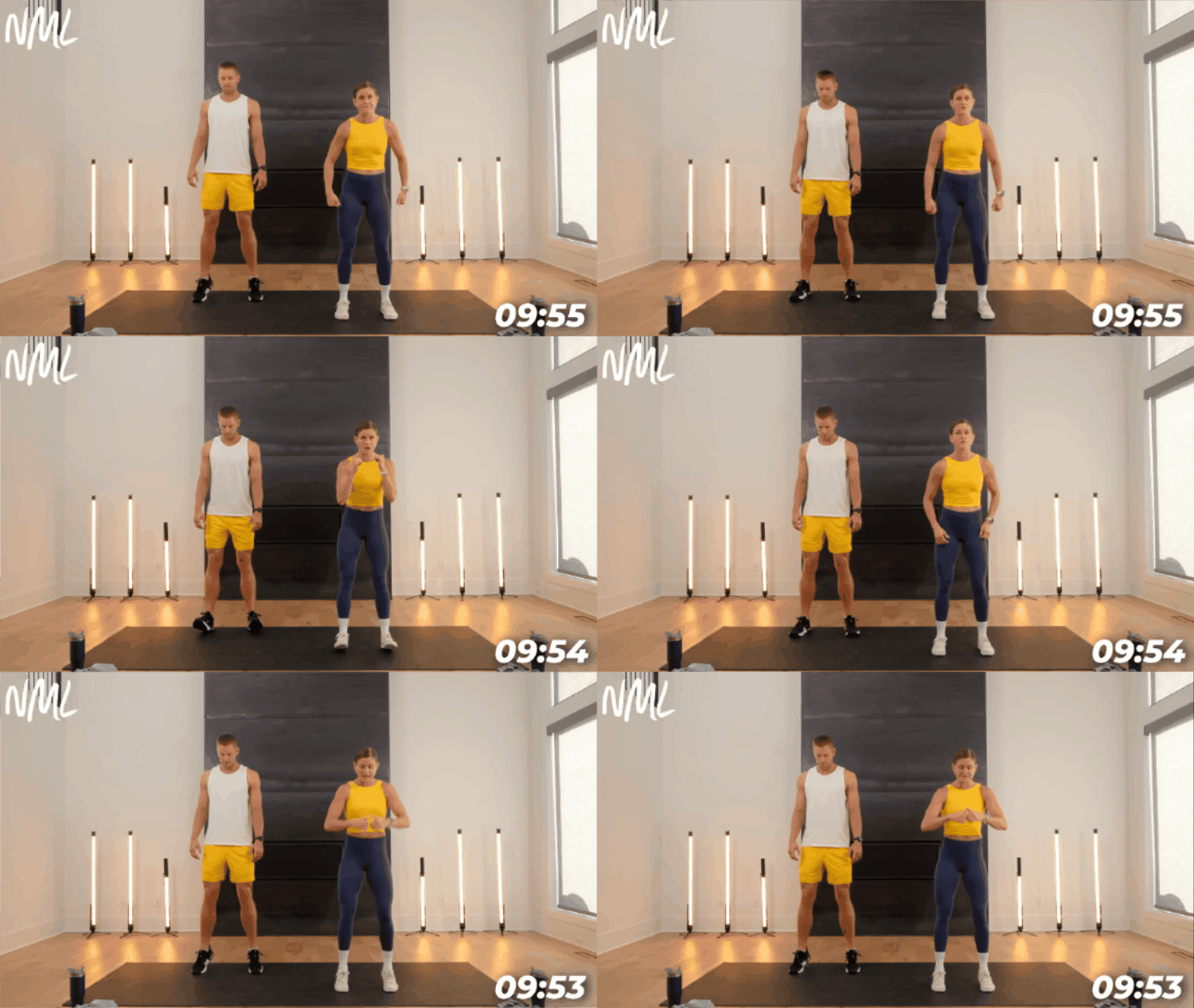
How To Do a Calf Raise and Tib Raise
- Start standing, feet shoulder-width apart. Keep your back straight and core engaged to stand tall.
- Slowly and with control, lift yourself up onto the balls of your feet. Lift your heels until you feel a stretch along the back of your legs, balancing on your toes.
- Then, slowly lower your heels to the ground, returning to starting position.
- Keep your heels on the ground as you slowly lift your toes towards your shins.
- With control, lower your toes to the ground.
2. Good Morning
Targets: Legs, glutes, quads, hamstrings, hip flexors, erector spinae, lower back muscles and core.
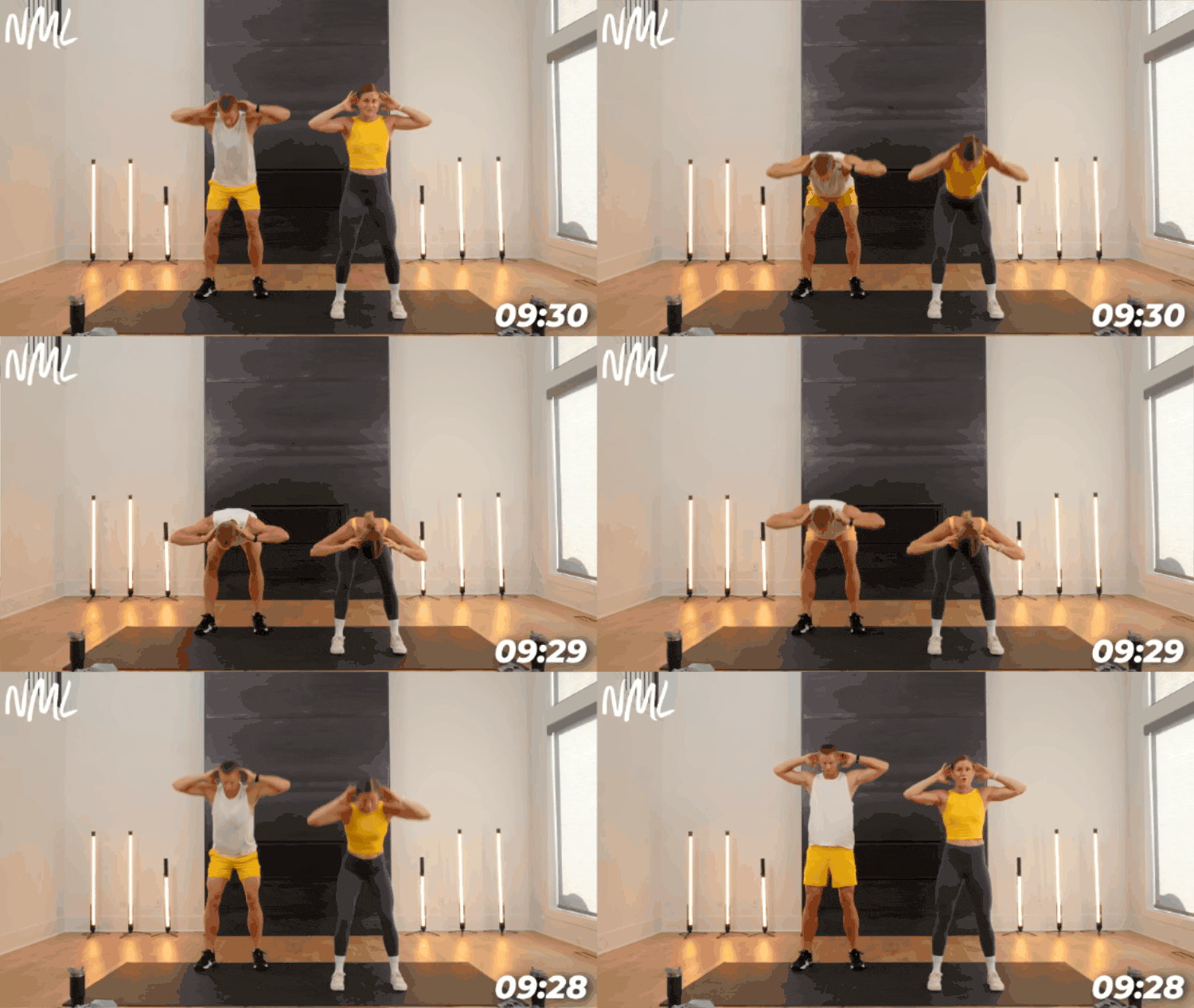
How To Do A Good Morning
- Start in a standing position, feet shoulder-width apart, core engaged. Place your hands behind your head, squeezing the shoulder blades and engaging the back.
- With a slight bend in your knees, hinge forward at the hips until your torso is parallel to the ground. Core engaged and spine neutral (back flat). You should feel a stretch in your hamstrings (back of the legs) at the bottom of the movement.
- Reverse the movement, driving through your heels to stand tall, returning to starting position (torso upright).
3. Shoulder External Rotation
Targets: Rotator cuff, trapezius (traps), and latissimus dorsi (lats).
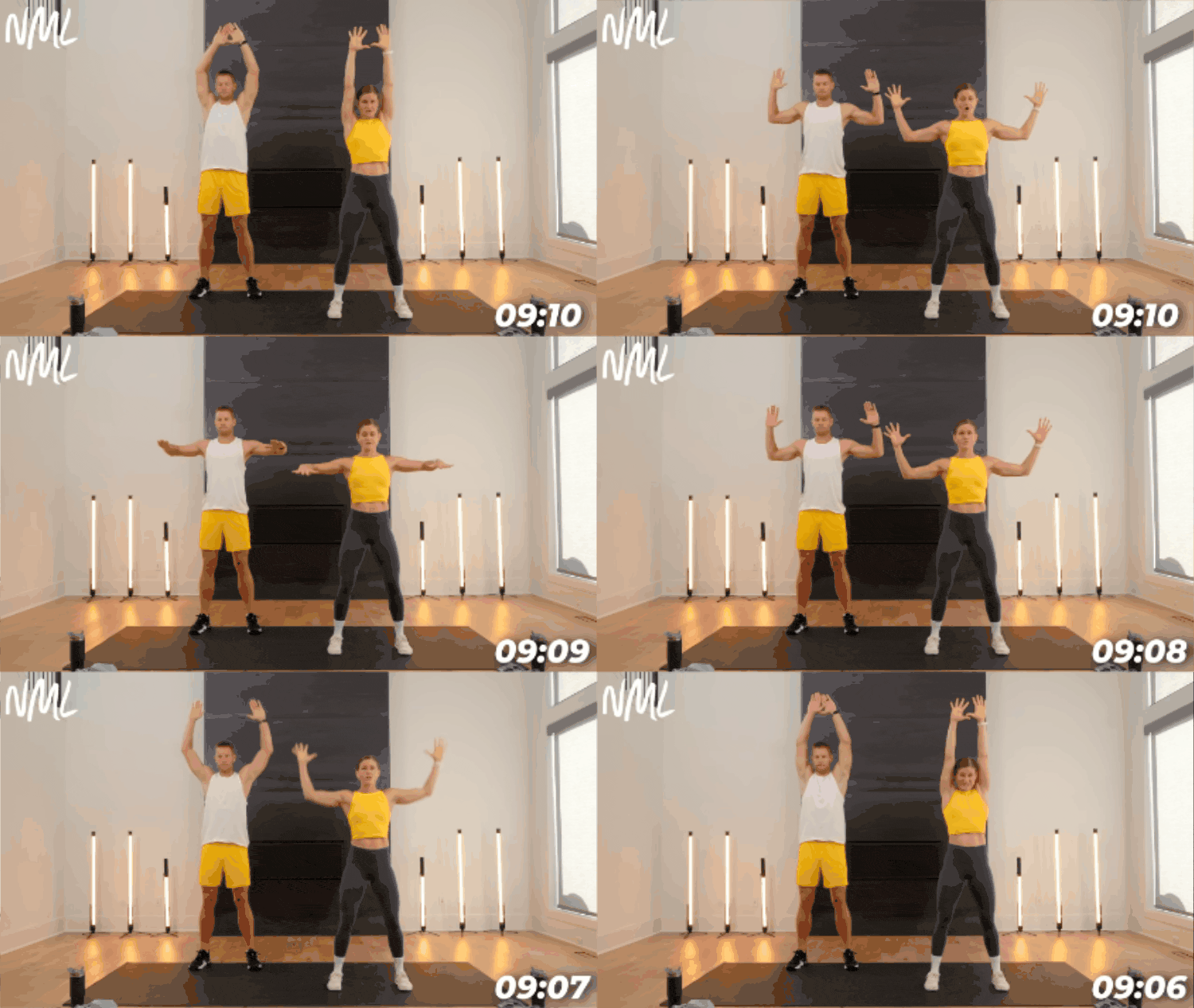
How To Do A Shoulder External Rotation
- Start in a standing position, feet shoulder-width apart, core engaged. Extend your arms straight overhead, palms facing away from your body.
- Slowly slide your arms down until your elbows are in line with your shoulders, “goal-posting” your arms. Both elbows are bent at 90 degrees.
- Then, perform a shoulder stretch by rotating your palms forward, pausing when your palms are facing the ground. Your hands are in line with your shoulders.
- With control, reverse the movement, rotating your hands up (returning to a “goal post” position), then pressing your hands overhead.
4. Bodyweight Squats
Targets: Legs, glutes, quadriceps, hamstrings and core.
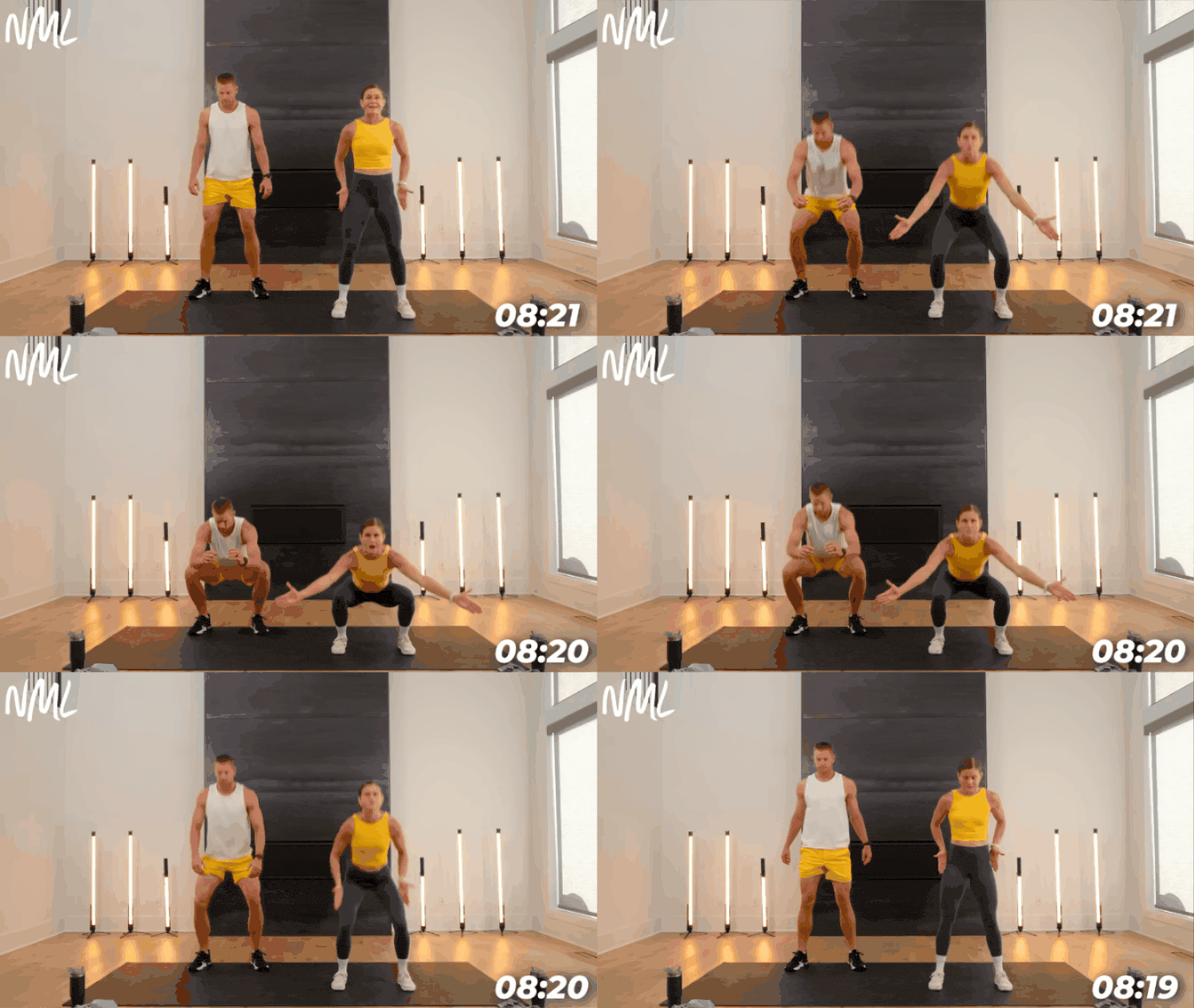
How To Do A Bodyweight Squat
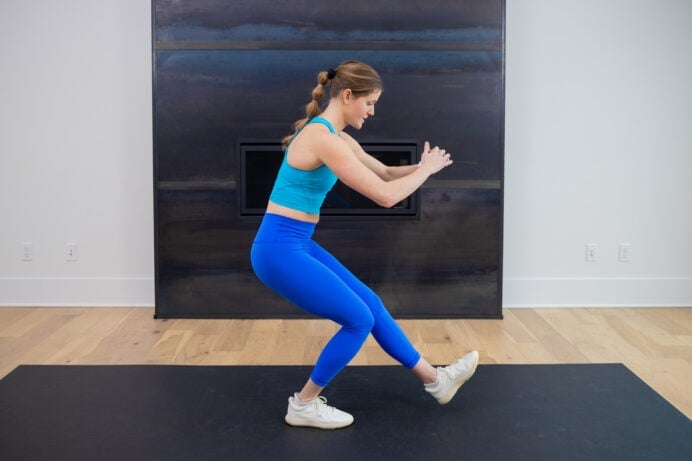
- Start in a standing position, feet shoulder-width apart, core engaged.
- Lower down into a deep squat position, lowering your hips down parallel with your knees. Drive your knees out toward your outer 3 toes.
- Drive through your heels to stand tall, squeezing your glutes.
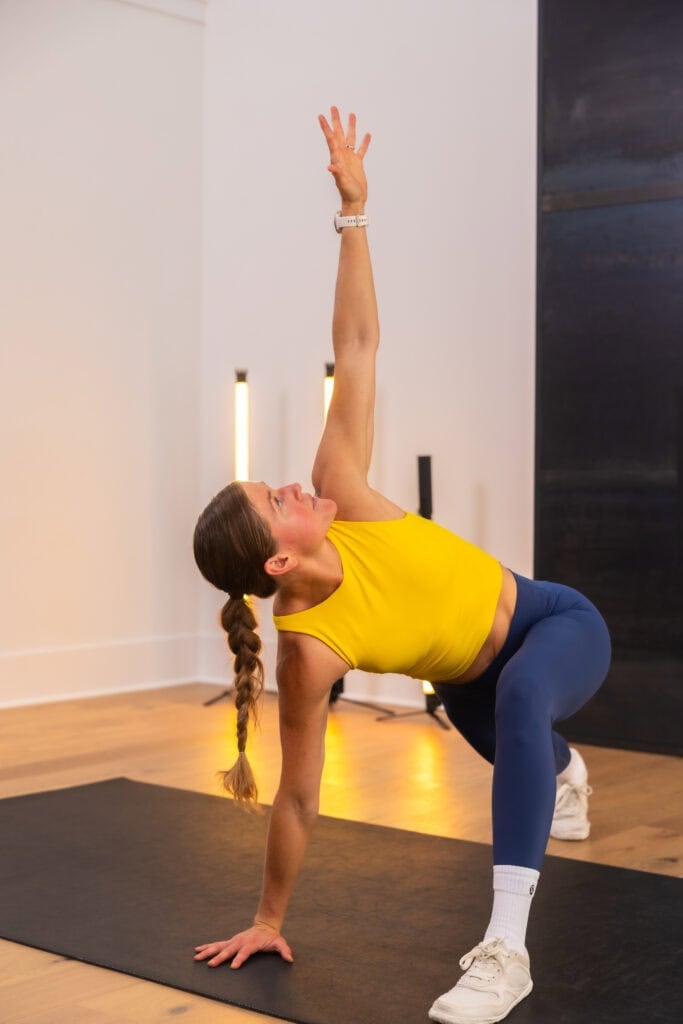
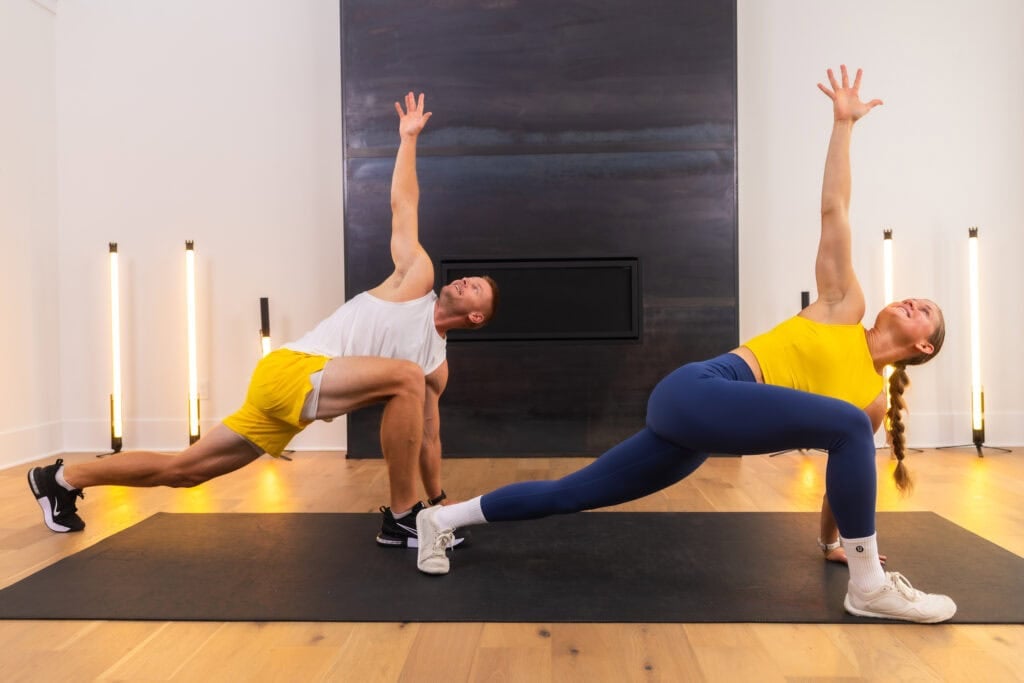
5. World’s Greatest Stretch
Targets: Hips (abductors), hip flexors, groin, quads, glutes, hamstrings, upper and middle back (thoracic spine), low back, shoulders and core.
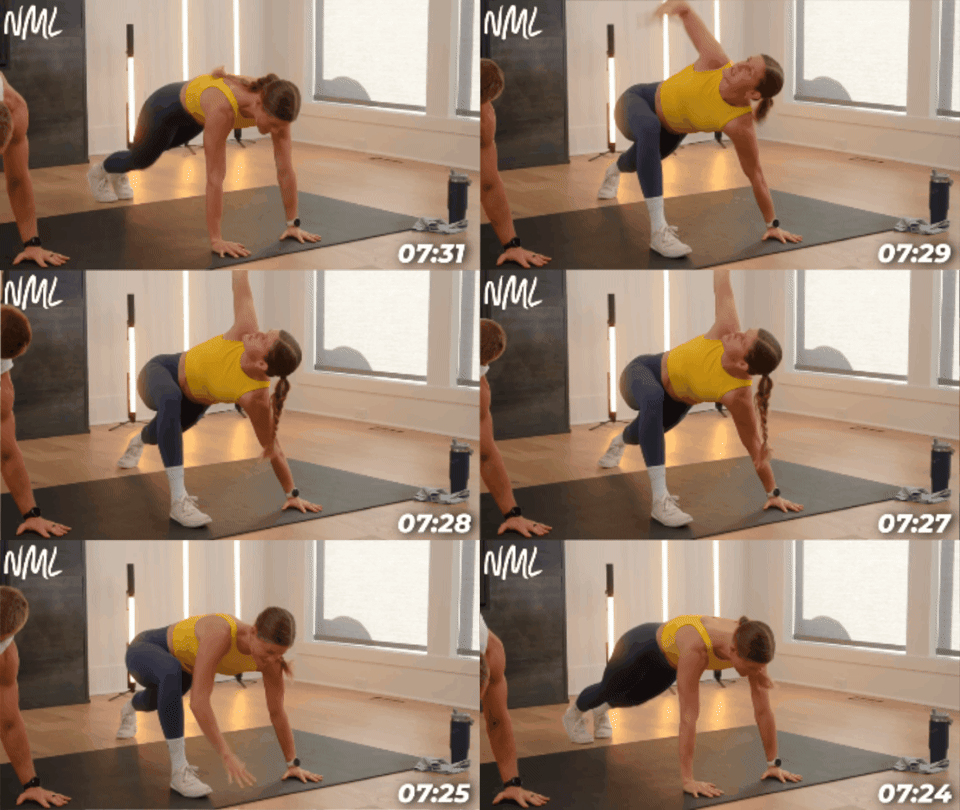
How To Do The World’s Greatest Stretch
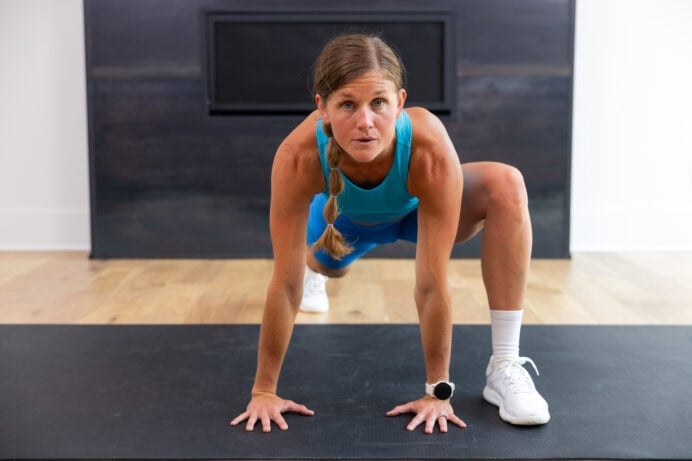
- Start in a high plank position; shoulders stacked over wrists, core engaged. Pull your kneecaps up towards your belly, feet hip-width apart.
- Step your left leg forward, planting it outside of your left hand. Left knee bent, right leg straight.
- Exhale as you drop your hips slightly toward the ground, deepening the stretch.
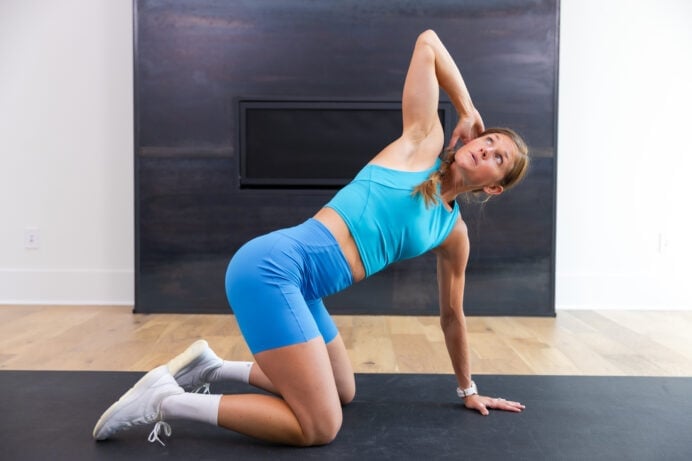
- Rotate through your torso to reach the left arm towards the ceiling, gaze follows fingertips. Keep your hips even and stable. Rotate only as far as you can without straining or causing discomfort.
- Then drop the left hand back to the mat and inhale, stepping your foot back to center and returning to high plank starting position.
- Switch sides, this time stepping your right foot forward and planting it outside of your right hand. Rotate through your torso to reach the right arm towards the ceiling, gaze follows fingertips. Hold for a few breaths, relaxing into the stretch.
- Continue this pattern, alternating sides with each step.
6. Prone Back Flys
Targets: The entire posterior chain (or backside of your body) with an emphasis on the rhomboid muscles in your upper back.
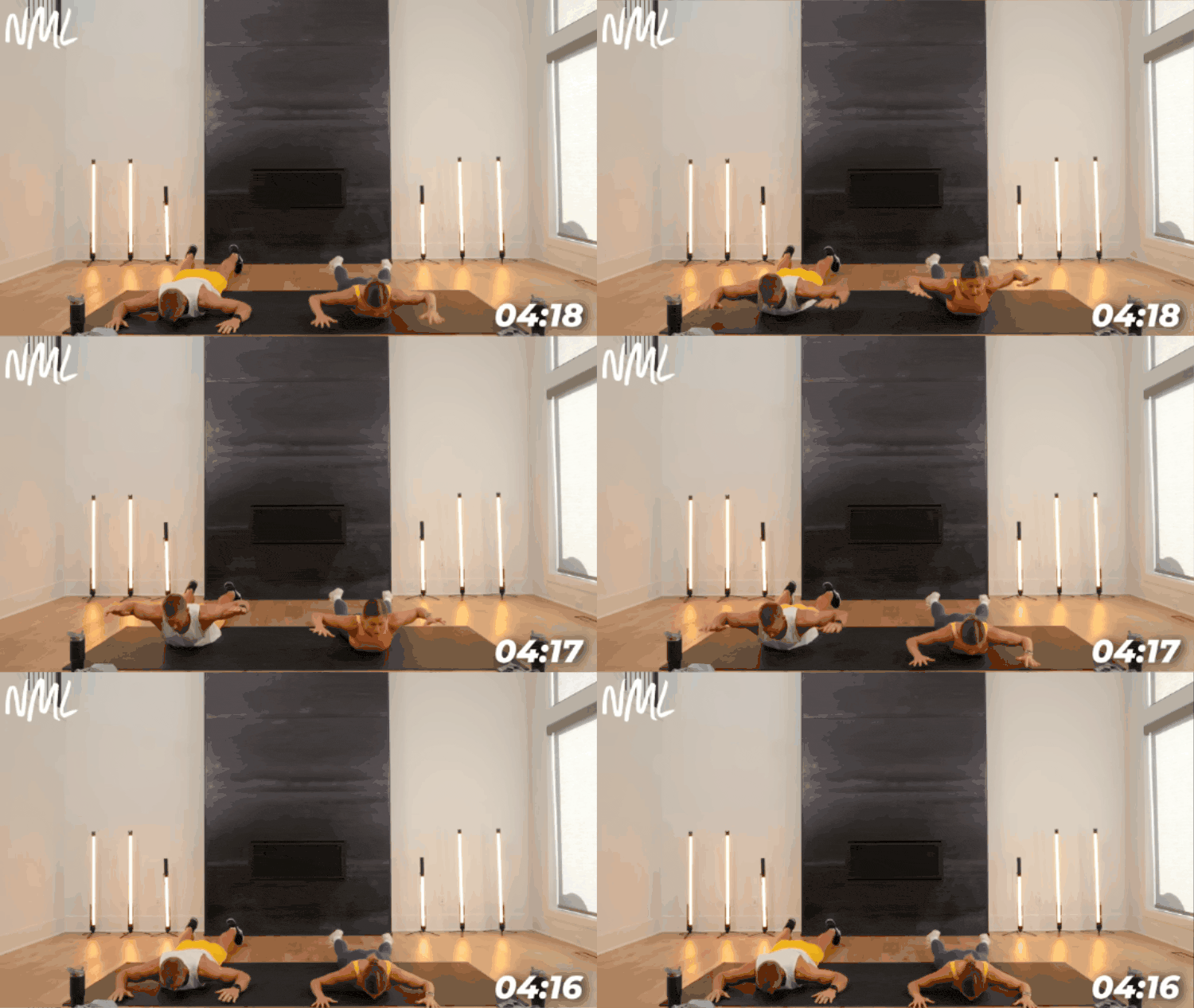
How To Do A Prone Back Fly (Superman Back Fly)
- Start lying on your stomach, legs long and arms goal-posted at your sides.
- Lift your head and chest slightly off the mat to engage your back muscles. Legs stay connected to the mat.
- Hold your head and chest off the ground as you lift your arms off the mat, squeezing your shoulder blades together.
- Hold at the top for a moment, then lower your hands back to the mat.
Modification: If you’re pregnant or not comfortable lying on your stomach, perform a Bird Dog Exercise (exercise #3 in this workout).
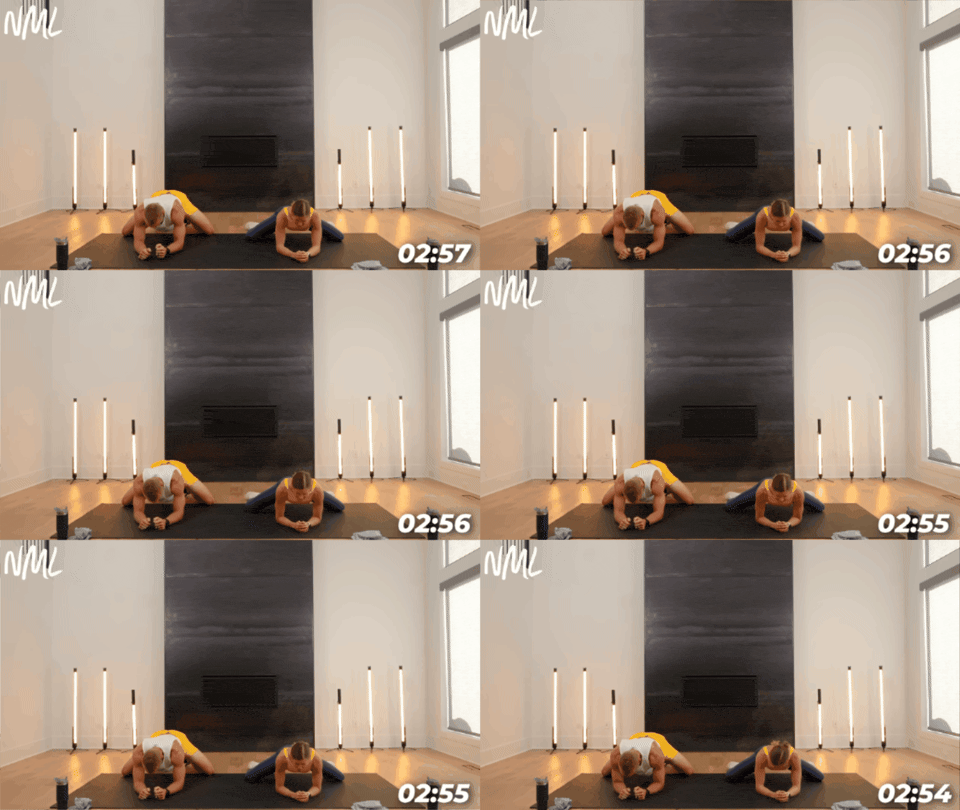
7. Frog Rocks
Targets: Inner thighs, outer hips, glutes and lower back.
How To Do A Frog Rock
- Start in a table top position, quadruped on all fours, shoulders stacked over wrists. Spread your knees out wide, knees outside hips.
- Lower to your forearms, shoulders stacked over your elbows.
- Exhale as you rock your hips back towards your heels, deepening the stretch.
- Inhale, rocking forward to stack your shoulders over your elbows, returning to starting position.
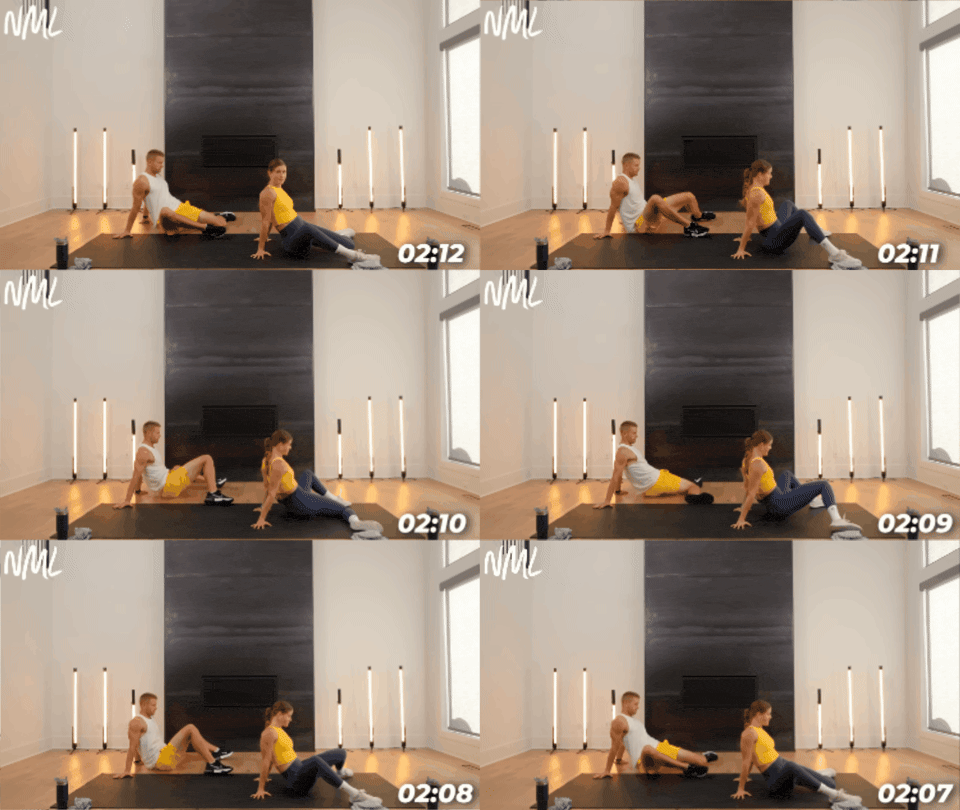
8. Internal Hip Rotations
Targets: Outer hip, gluteus medius, gluteus minimus, and inner thigh muscles.
How To Do An Internal Hip Rotation
- Sit on the floor, feet out wide on the floor in front of you, toes pointing out 45 degrees (towards the corners of the room). Place your hands behind you and slightly lean back.
- Slowly internally rotate your right hip, lowering your right knee to hover above or tap the mat in front of your body. Inhale, bringing your knee back up and return to the starting position.
- Then repeat on the left hip, lowering the left knee to tap the mat at the midline of your body.
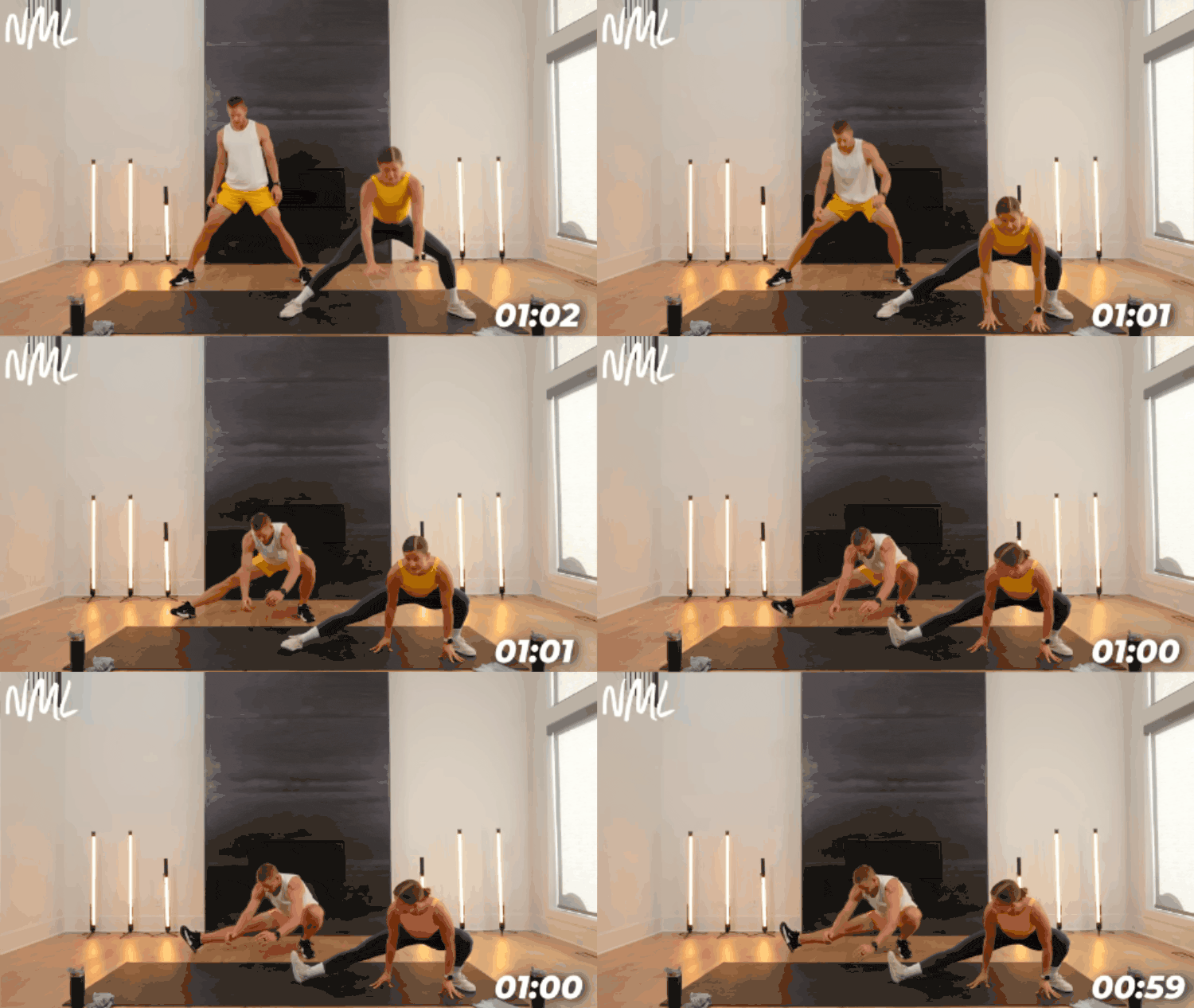
9. Cossack Squat
Targets: Hip, knee, and ankle mobility. As well as increasing flexibility in the hamstrings and adductors (inner thighs).
How To Do A Cossack Squat
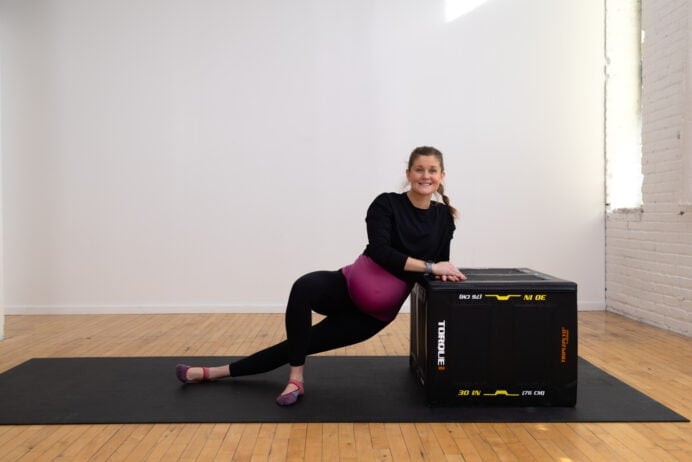
- Start in a wide forward fold, feet outside hips, toes pointing forward, fingertips touching the mat.
- Shift your hips back and to the left. The left leg creates a 90-degree angle, and the right leg is straight. Option to press your left elbow into your left thigh to deepen the stretch.
- Rotate your right leg open, so your toes point up towards the ceiling. Feel a stretch in your hips (inner thighs). Then bring your toes back to the mat.
- Shift to the opposite side, crawling your fingers over to the right as you sit back into your right hip. Right leg at a 90-degree angle, left leg straight.
- Rotate your left leg open, pointing your left toes up towards the ceiling.
FAQs
Are your warm-up movements supposed to be controlled and progressively larger?
Yes, it’s generally a good idea to start with smaller, controlled movements and then increase range of motion and intensity as your muscles and joints warm up due to increased blood flow. For example, if you’re performing arm circles, hip circles or cat-cow, start with small movements, then increase range of motion with every breath.
What is the difference between static and dynamic stretching?
Static stretching is holding a pose with the goal of increasing flexibility. Dynamic stretching involves more active movements, often flowing through multiple moves to prepare for exercise. Both types of stretches have their benefits and should be included in a well-rounded wellness routine.
Is 20 minutes of stretching a day enough?
You don’t need to purchase additional equipment for basic agility workouts like this one. Tape or chalk on the ground is a great visual marker for accountability, however you can perform agility exercises with just your bodyweight.
What is the 12-8-4 warm-up method?
The 12-8-4 warm-up method is a warm-up routine for weight lifting that includes 3 sets of progressively heavier “warm-up sets” before moving into your working set. The idea is that you start at 12 reps with 50% of your working set weight, then perform 8 reps with 70% of your working set weight and finally end your warm-up with 4 reps with 85% of your working set weight.
More Workouts
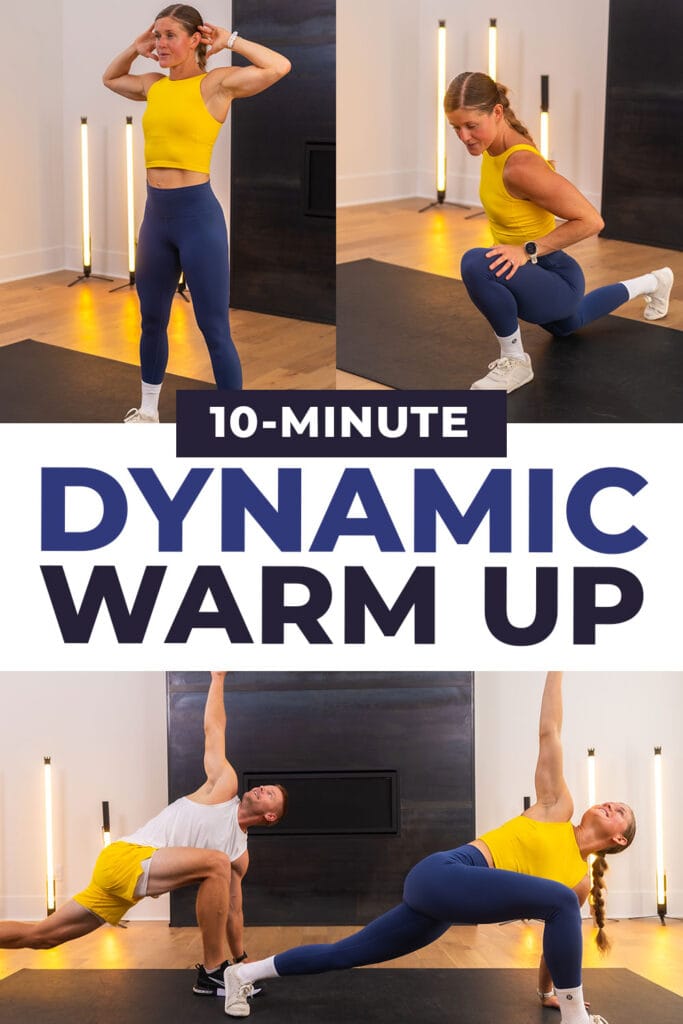
Stretching WorkoutsPin This Pre-Workout Stretch Routine
6 comments
Saving this! Coming back from a long injury recovery and need this before every work out.
It’s one of my favorite stretch routines. Hope this is helpful for you, Lindsey! Thanks for following along! -Lindsey
It’s the newest workout program with rule husbands going to have either of you doing a modified exercise to follow along with?
Hi Kitty! Great question – for the most part, we are both doing the advanced version of an exercise, but I will break to show a modification that you can follow along with. So yes, options are provided throughout – there just isn’t a modifier who is showing the modification the entire time! -Lindsey
You are the best at home workout person along with Rachel!! Merry Christmas to both of you & your families.
Hi Diane! Thank you so much – so appreciate your kind words. Thanks for choosing to follow along with NML workouts. Have a wonderful holiday season! -Lindsey