





25-Minute Booty Band Workout
Want to fire up your legs and glutes in just 25 minutes? This booty band workout tones your quads, hamstrings, thighs, glutes and even hits your core. It’s great for building strength, boosting stability and targeting those smaller muscles traditional workouts miss. Perfect for busy days, home sessions or when you just want a serious leg burn.
Fire up your legs, glutes and core with this 25-minute resistance band workout!
Booty bands – also called mini bands or resistance loops – might be small, but they pack a serious punch. These simple, portable bands are effective for strengthening your glutes, thighs and hips, and they’re one of the best tools for building real, functional strength at home. Whether you’re new to strength training or just looking for a low-impact way to level up your routine, resistance bands are a smart, accessible place to start.
Booty band exercises are great when it comes to targeting those often-overlooked stabilizing muscles. Traditional lower-body workouts tend to target big muscle groups like your glutes and quads, but resistance bands take it a step further. They create constant tension throughout the movement, forcing your smaller, supportive muscles (like your glute medius, hip flexors and deep core) to stay engaged. That’s what makes this kind of training so valuable for functional fitness. Mini bands build stronger hips and knees while improving your balance and stability in everyday movements like walking, climbing stairs or lifting.
For beginners, bands are easy to scale. You can choose a lighter band for more mobility-focused movements, or go heavier to build strength and endurance. The key is to focus on control. Slower, more intentional movements will give you better muscle activation than rushing through reps. If you’re just getting started, try using a booty band 2-3 times per week. As you get stronger, you can add resistance band work into your routine 3-4 days a week to build and maintain core and glute strength.
If you’ve been doing the same exercises for a few weeks and you’re no longer feeling challenged (or seeing progress), that’s a good sign it’s time to switch things up. You can increase your band resistance, add new movement patterns or adjust your tempo and rep ranges.
When it comes to glute workouts, look for a medium to heavy fabric resistance band that won’t roll or snap. These tend to stay in place better and offer more consistent resistance, especially during compound movements like squats, lunges and bridges.
The bottom line? Booty bands aren’t just a fitness trend. They’re a powerful tool for building functional strength, improving mobility and keeping your workouts fresh and challenging – no matter your fitness level.
Workout Details
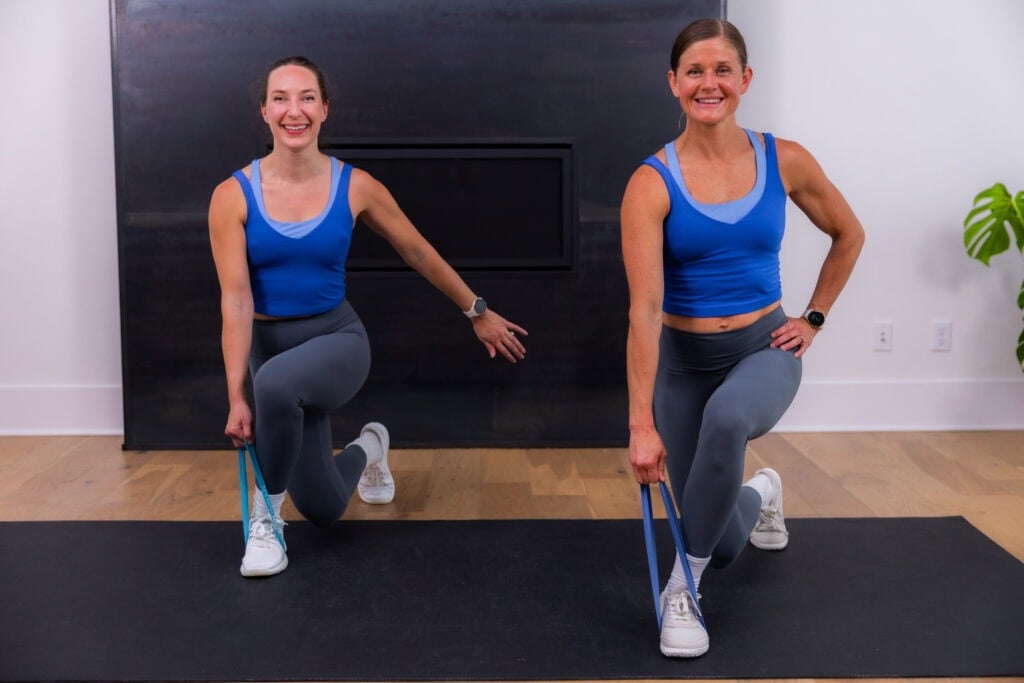
This booty band workout routine is designed to build muscle in just 20 minutes. Work through a variety of lower-body strength exercises designed to target the stabilizing muscles in your legs, glutes and hips. This workout also includes a dynamic warm-up and a comprehensive cool-down.
Add lower-body strength training like this to your home workout plan 1-2 times a week to reach your weight loss and fitness goals.
Workout Equipment
A mini loop resistance band. I’m using a medium resistance band in this band workout.
If you don’t have a resistance band, you can do this entire workout with your bodyweight.
Workout Instructions
Follow along with the guided Booty Band Workout on YouTube, led by me — your certified personal trainer, Lindsey Bomgren.
Your Workout Looks Like This:
- 3 Booty Band Circuits
- 3 Exercises Per Circuit (2 leg exercises and 1 ab exercise)
- Timed Intervals (30-second work periods, 15-second rest periods. Perform as many reps as possible while maintaining proper form during the timed intervals.)
- Repeat Each Circuit x2 Sets
Note: Today’s workout is an updated version of a popular booty band workout. I re-filmed this workout to improve the audio and video quality and share some new moves. If you try both, I’d love to know which version is your favorite!
Workout Outline
Circuit 1:
Circuit 2:
Circuit 3:
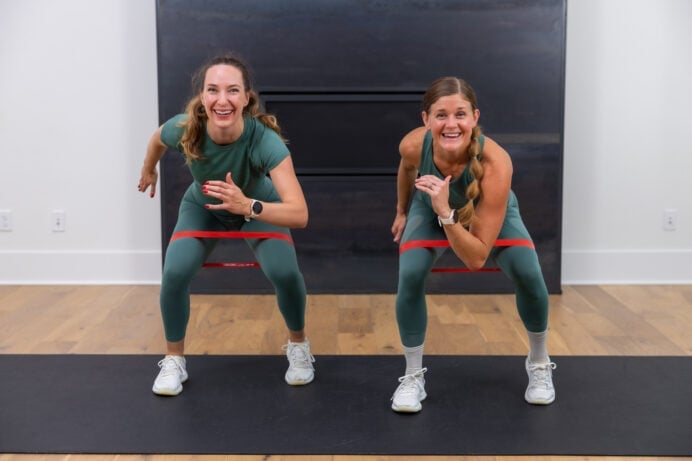
1. Banded Side Step Squats
Targets: Gluteus medius, hip abductors and quadriceps.
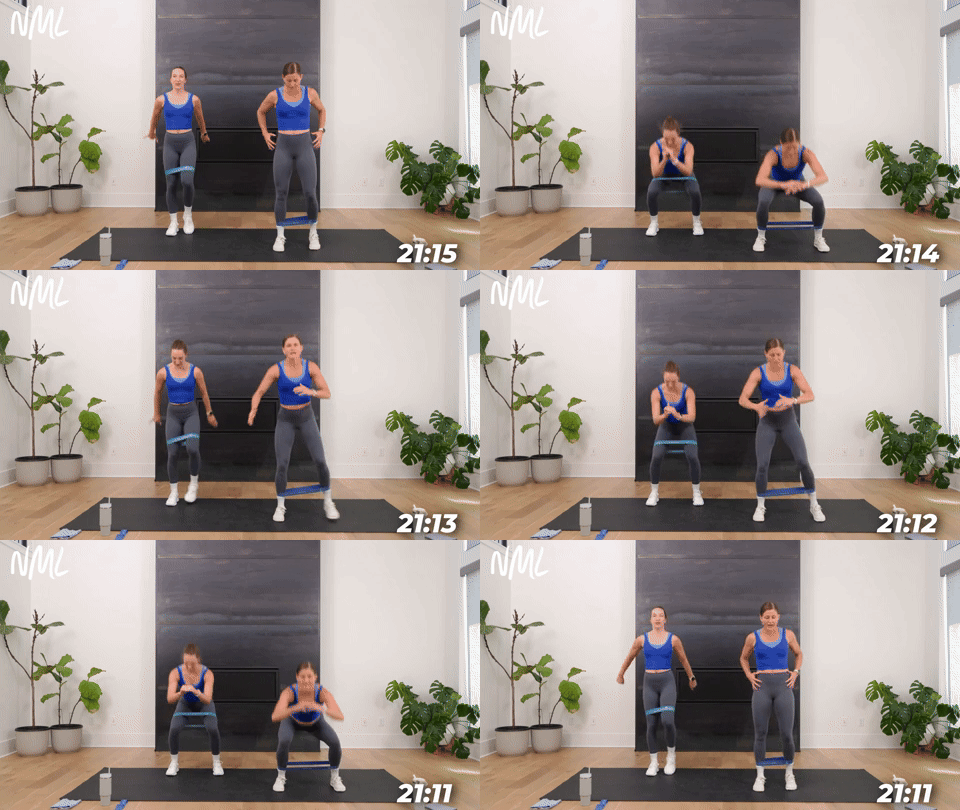
How to Do a Banded Side Step Squat
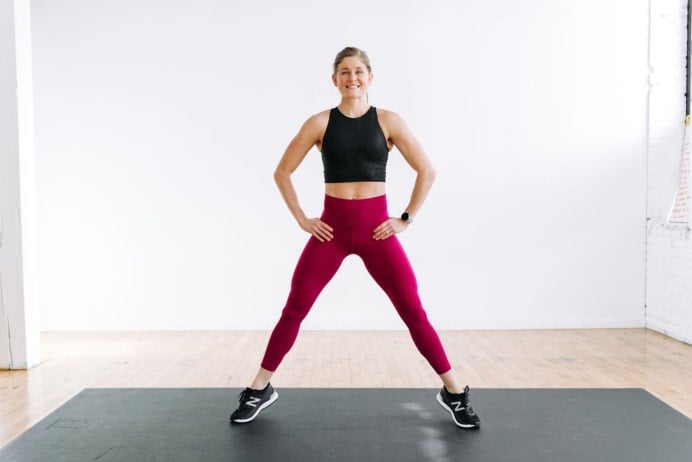
- Place a resistance band around your calves, approximately 6 inches above your ankles. Stand with your feet slightly wider than your hips to generate tension across the band.
- Step your right foot out to the right side of your space, stretching the band as far as you can.
- As you step out, sit back into a squat by lowering your hips parallel to your knees. Drop your hips down, keeping your weight in your heels and your chest up.
- Drive through your heels to stand tall as you step your right foot back to center.
- Repeat the movement, stepping the right foot out for the timed interval.
Modification: Place the resistance band around your thighs, approximately 6 inches above your knees.
2. Staggered Squat and Tap Back
Targets: Legs, glutes, quads, hamstrings, hip flexors and core.
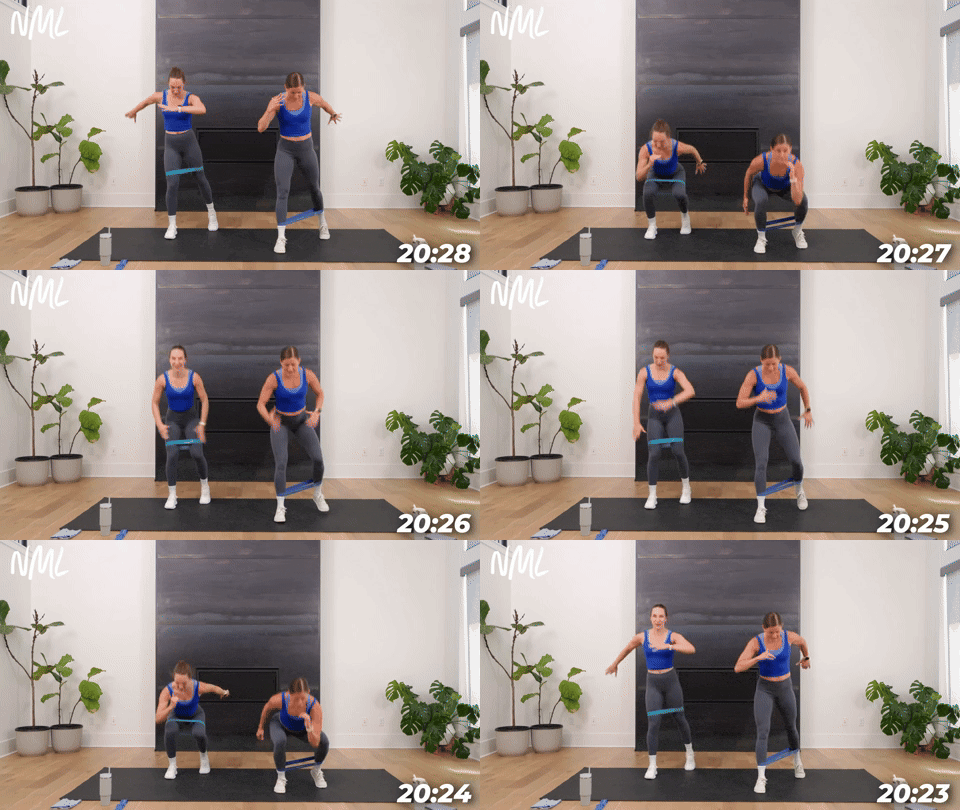
How to Do a Staggered Squat and Tap Back
- Stand with feet hip-width apart, knees slightly bent. Place a resistance band 6 inches above your ankles.
- Stagger your feet, so your left leg is slightly in front of your right foot. Kickstand your back right foot, right heel floating off the ground. Keep 80% of your weight in your front foot, 20% in your back toes.
- Maintain a staggered stance as you perform a banded squat, lowering down into a squat position until your hips are parallel with your knees. Drive your knees out toward your outer toes.
- Drive through your front left heel to stand tall, squeezing your glutes. As you stand tall, perform a tap back with your right foot. Tap the ground a couple of inches behind you with your right toes, then bring the toes back into the staggered stance position and repeat the squat.
Modification: Place the resistance band around your thighs, approximately 6 inches above your knees.
3. Banded Leg Lifts
Targets: Obliques, glutes (glute medius), hip abductors, quads and core.
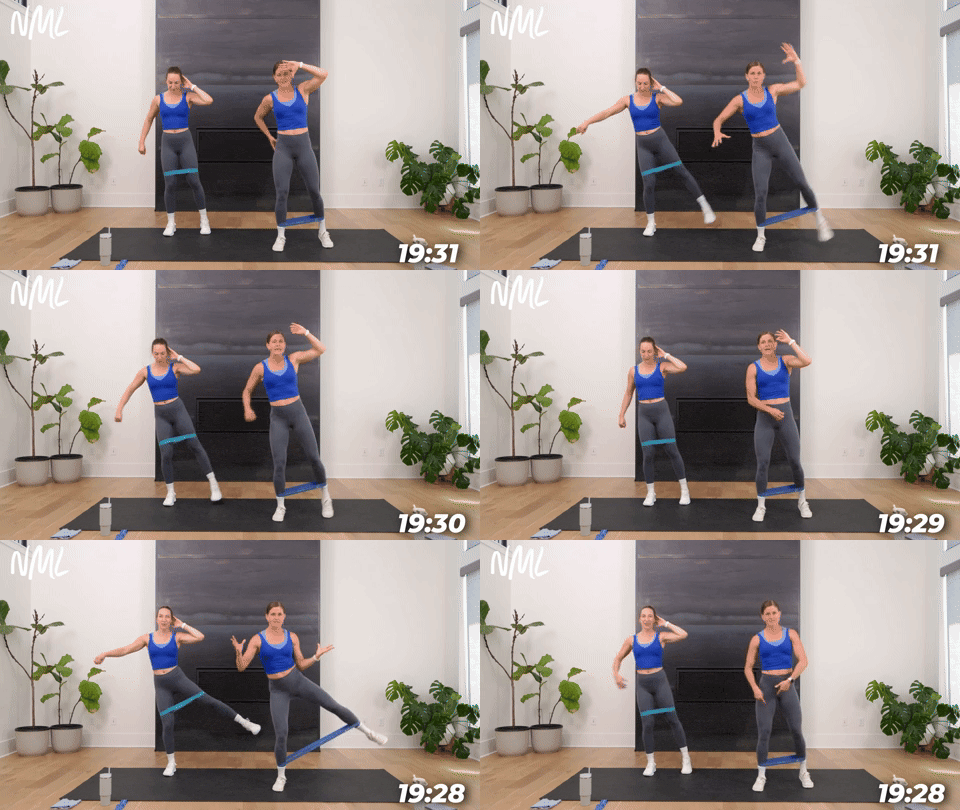
How to Do a Banded Leg Lift
- Stand with feet hip-width apart, knees slightly bent. Place a resistance band around your ankles, just above your ankle bones.
- Shift your weight into your left leg, knees bent. Engage your core and keep your torso upright. Your hands can rest on your hips or hold a wall for balance.
- With control, lift your right leg out to the side, keeping your toes pointed forward and your leg straight. Focus on engaging your outer glutes and obliques as you lift. Avoid leaning to the left. Keep your upper body tall and still.
- Pause at the top of the movement, then slowly lower your leg back to the starting position, keeping tension in the band.
- Repeat all reps on one side, then switch legs on the next set.
Modification: Place the resistance band around your thighs, approximately 6 inches above your knees.
4. Wide Narrow Squats
Targets: Glutes, quads, hamstrings, hip abductors and core.
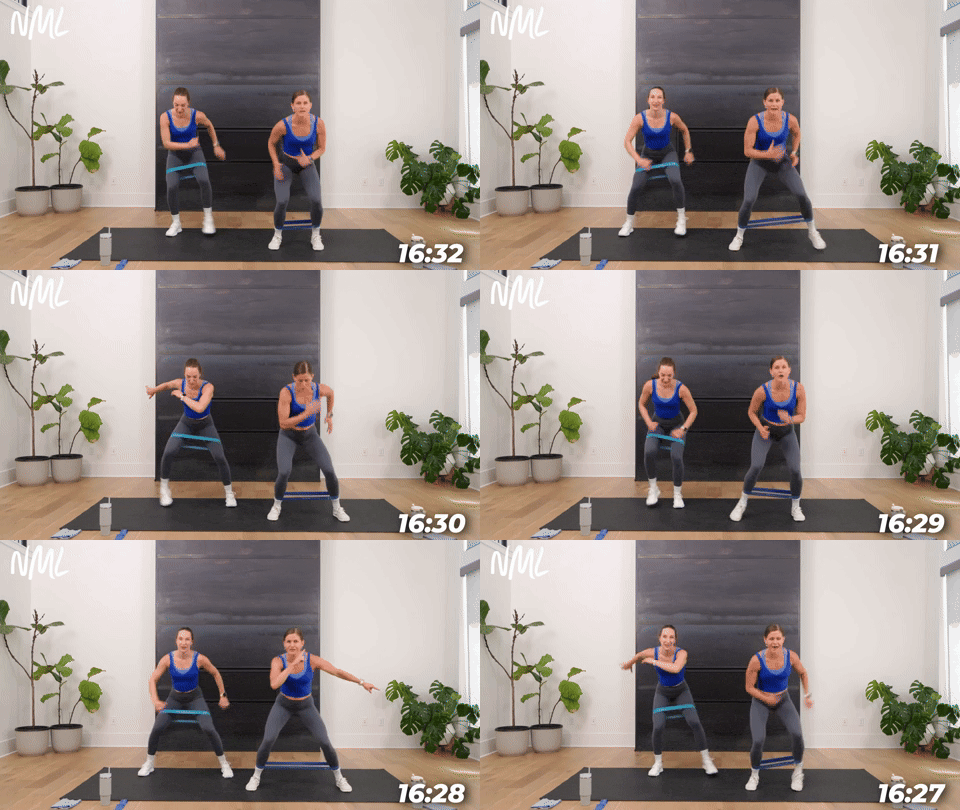
How to Do a Wide Narrow Squat
- Stand with feet hip-width apart, knees slightly bent. Place a resistance band just above your ankles.
- Lower down into a loaded squat position, driving your knees out and keeping your chest lifted.
- Step your right foot out to the right, then step your left foot out, so you’re in a wide squat stance.
- From the wide squat position, step your right foot in, then your left foot, returning to the starting stance.
- Repeat this lateral stepping pattern, alternating between wide and narrow squats while keeping constant tension on the band.
Modification: Place the resistance band around your thighs, approximately 6 inches above your knees.
5. Banded Squat Walk
Targets: Glutes, quads, hamstrings and hip abductors.
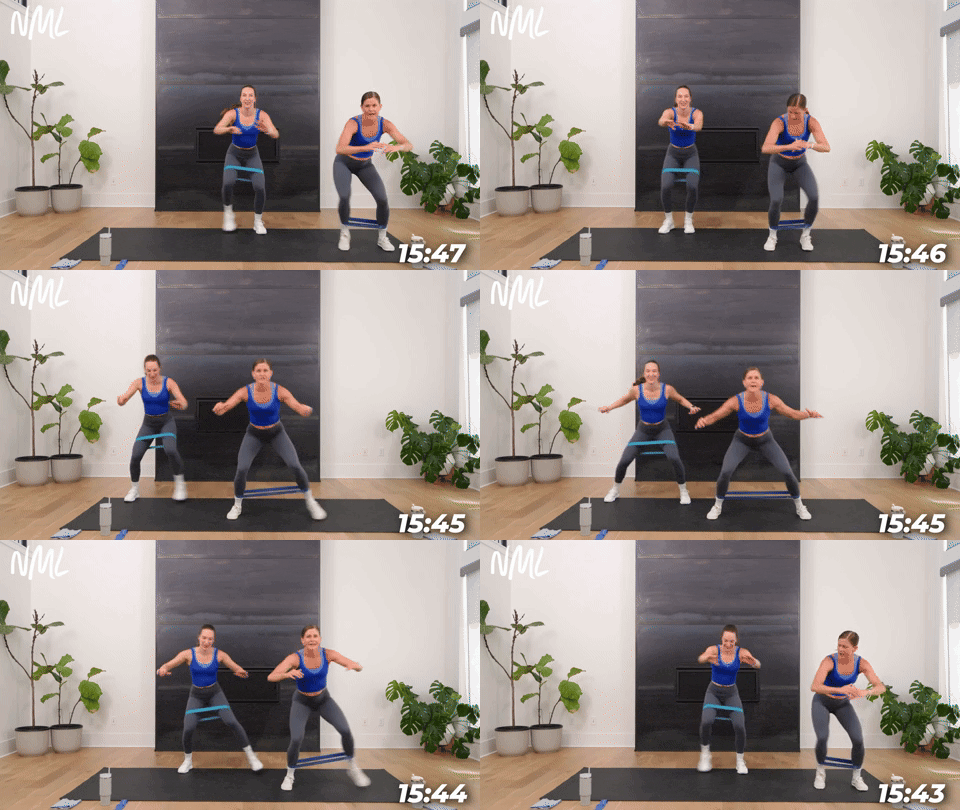
How to Do a Banded Squat Walk
- Place a resistance band just above your ankles. Stand with your feet slightly wider than your hips to create tension across the band (activating your glutes).
- Bend your knees to lower down into a loaded squat position. Shift your weight into your heels and keep your chest up.
- Hold this loaded squat position as you take two lateral steps to your right, stretching the band as far as you can.
- Tap your left foot in, bringing it towards your right foot, maintaining a low squat position.
- Step out with your left leg, maintaining tension across the band before bringing your right leg to the left to meet your outside foot.
Modification: Place the resistance band around your thighs, approximately 6 inches above your knees.
6. Standing Crunches
Targets: Obliques, hip flexors, quads, glutes and core.
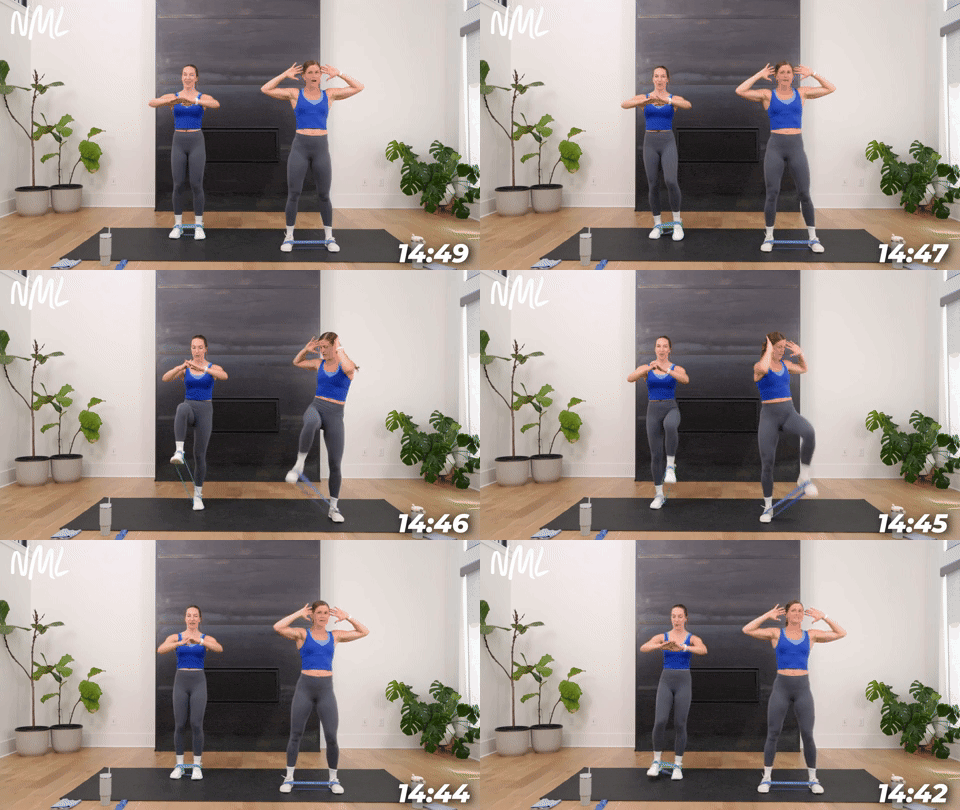
How to Do a Standing Crunch
- Stand with your feet hip-width apart, a resistance band looped securely under the arches of both feet. Hands come behind your head, elbows wide.
- Engage your core and lift your chest. Shift your weight slightly into your right foot.
- Drive your left knee up toward your chest as you rotate through your torso, bringing your right elbow to meet your left knee. Focus on crunching through your obliques, not just pulling with your arms.
- Lower your left leg back down with control, returning to your starting stance. Repeat, this time bringing the right knee up to meet the left elbow.
Modification: Omit the torso rotation and perform alternating knee drives or marches.
7. Single Leg Deadlift
Targets: Hips, glutes, hamstrings, core and lower back muscles.
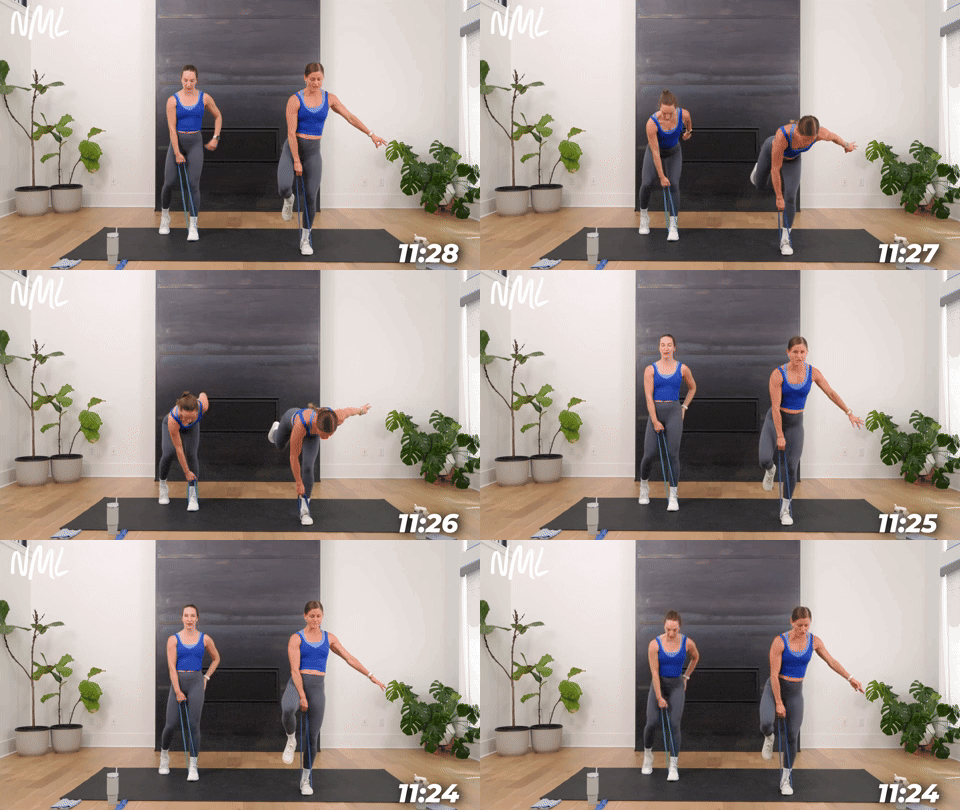
How to Do a Single Leg Deadlift
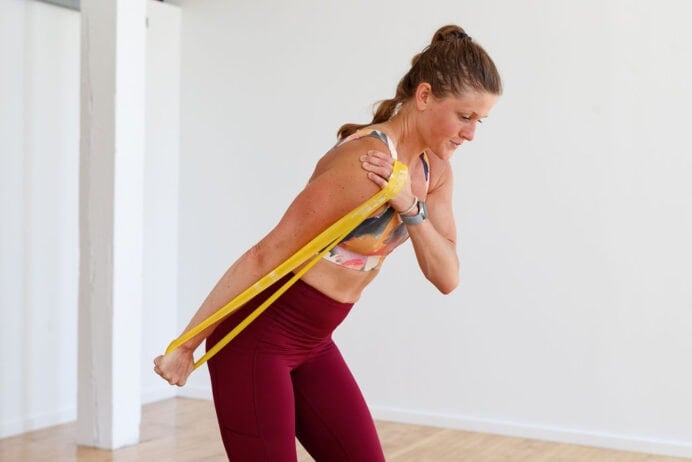
- Loop the exercise band around the arch of your right foot. Hold on to the band with your left hand. Shift your weight to your right leg, then float your left leg off the floor, balancing on the right.
- Hinge at the hips, pushing your hips towards the wall behind you until your body is in a straight line, head to tailbone. Left leg extends behind you as you hinge, performing a single-leg deadlift on the right side.
- Drive through your right heel, squeezing your butt and hamstring to return to a balanced standing position.
Modification: Perform single-leg deadlifts from a staggered stance, keeping the left toes on the ground for stability.
8. Curtsy Lunge
Targets: Glutes (especially glute medius), quads, hamstrings, inner thighs and core.

How to Do a Curtsy Lunge
- Stand with feet hip-width apart. Loop the resistance band around the arch of your right foot and hold the other end of the band in your left hand. Let your left arm hang naturally by your side.
- Step your left leg back and behind your right leg, lowering into a curtsy lunge. Keep your chest lifted and your front right knee tracking over your toes. You should feel the resistance in the band as your left foot moves away from your right.
- Drive through your front right heel to stand tall, bringing your left foot back to the starting position. Maintain tension on the band throughout the movement.
- Repeat all reps on one side, then switch.
9. Balance Chop
Targets: Obliques, glutes, shoulders and core stabilizers.
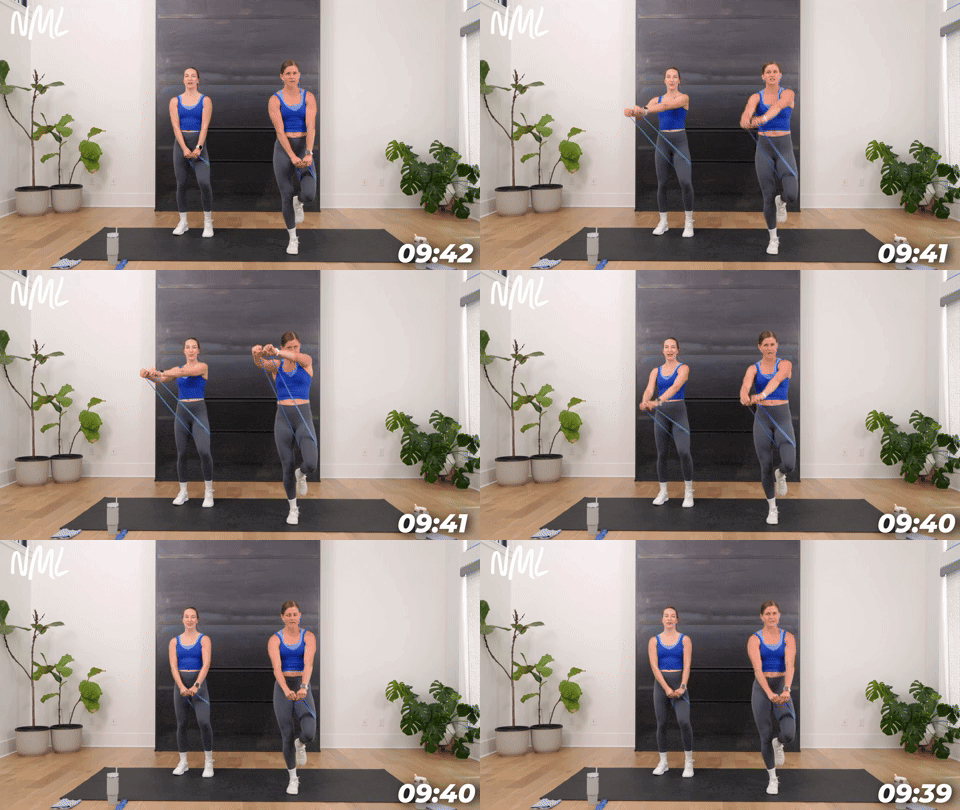
How to Do a Balance Chop
- Stand tall and shift your weight into your left foot. Bend your right knee and kick your right foot back behind you so your right shin is parallel to the floor (leg bent at 90 degrees).
- Loop the resistance band under your right knee and grab the other end of the band with both hands.
- Engage your core and find your balance. From your right hip, pull the band up and across your body toward your left shoulder in a diagonal chopping motion. Keep your arms mostly straight and your torso stable as you rotate slightly through the core.
- Control the movement as you return the band back down toward your right hip. Keep your right leg lifted and your left leg grounded throughout.
Modification: Omit the balance challenge by keeping both feet on the ground. Shift your weight into your left foot and loop the resistance band around the back of your right thigh. Keep most of your weight in the left leg. Your right toes are on the mat to provide some additional stability.
FAQs
What exercises lift your glutes?
Focus on exercises like squats, hip thrusts and deadlifts. These exercises target the gluteus maximus, medius and minimus muscles, making them effective for growing the glutes. Single-leg deadlifts, curtsy lunges, glute bridges, clamshells and donkey kicks are also great for glute activation and growth.
Can resistance bands help grow glutes?
Yes, resistance bands are a great tool to grow the glutes. Bands provide a form of resistance that targets and stimulates the glute muscles, promoting muscle growth.
How long does it take to see results from a booty band workout?
Ultimately, how long it takes to see results from a booty band workout will depend on your training intensity and goals. Generally, you can expect to see results from booty band workouts within 4-6 weeks, with more significant changes taking around 8-12 weeks. Keep in mind that factors like training consistency, diet and body type can impact how long it’ll take to see results from your workouts.
What is the 8-8-8 rule for glutes?
The 8-8-8 rule or 8-8-8 method is a glute isolation technique. You perform 8 repetitions of hip thrusts, followed by 8 repetitions of glute bridges (pulses), followed by an 8-second isometric hold. The 8-8-8 method aims to maximize glute muscle activation and fatigue.
Do you prefer the light or heavy fabric resistance bands?
The ideal fabric resistance band depends on your fitness level and the exercises you’ll be doing. Beginners should generally start with light resistance bands and gradually progress to heavier ones. Thicker bands offer more resistance than thinner bands. I prefer to use a medium resistance fabric band as it is the most versatile. That said, you should have a variety of resistance levels for different exercises.
Free 2-Week Strength Program
More Workouts
Resistance BandPin This 25-Minute Booty Band Workout
This post includes affiliate links. I do earn a commission for products purchased using these links (at no additional cost to you)
2 comments


Do you prefer the light or heavy fabric resistant bands?
Hi Kari! Great question! I personally prefer the medium resistance fabric resistance band (the pink one). That’s the one I use the most! I hope that helps. -Lindsey