


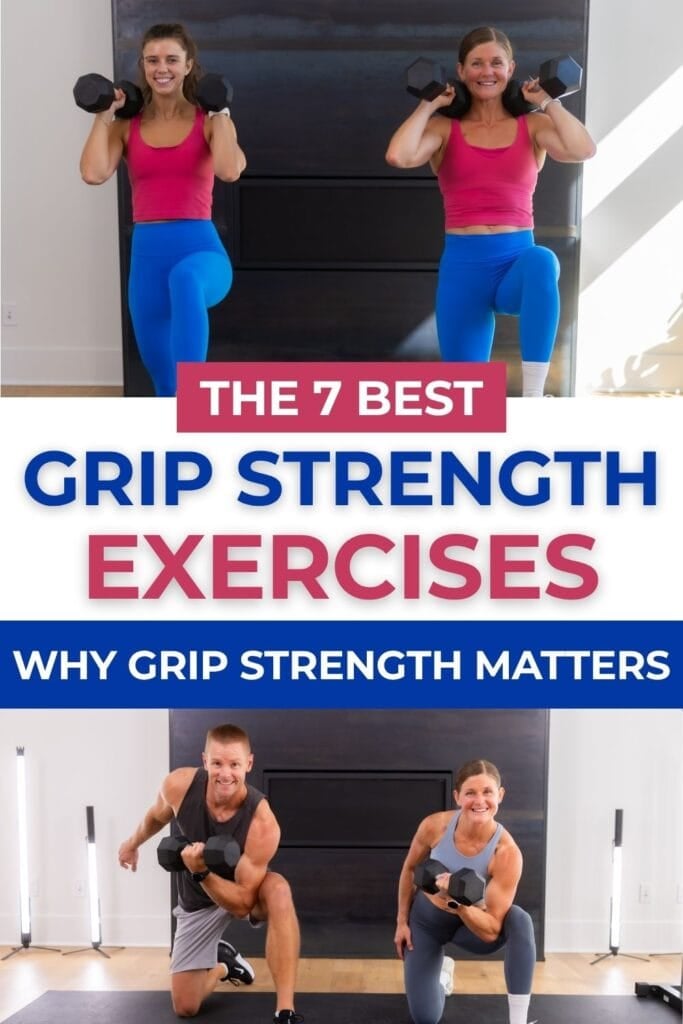
7 Best Exercises to Improve Grip Strength
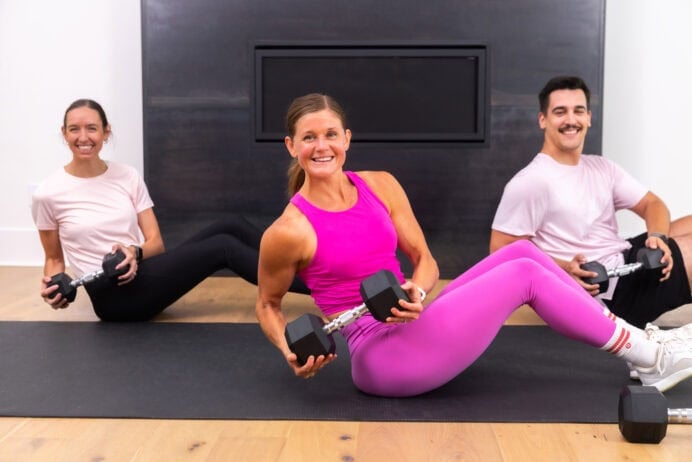
As a mom of 3, I am constantly picking up, carrying or gripping something – maybe even all at the same time! Needless to say, my grip strength is constantly being tested. In this roundup, I’ve put together a combination of exercises that take little time to complete but are infinitely beneficial for the active mama or athlete in the gym.
When most people think of grip strength, they think of farmers and strongmen competitors, and they aren’t far off. Exercises like barbell holds or plate pinches and the invention of fat grips are inspired by these 2 professions, all of which improve grip strength significantly. The truth is, your grip strength says more about your overall health than one might think.
Grip strength by itself is an indicator of systemic health and directly combats the risks most associated with aging, like loss of balance, falls and fractures. Taking steps to maintain and strengthen your grip is a very effective way to improve systemic health and directly combat aging risks. Everything from hand function and wrist flexion to overall dexterity relies on grip and forearm strength.
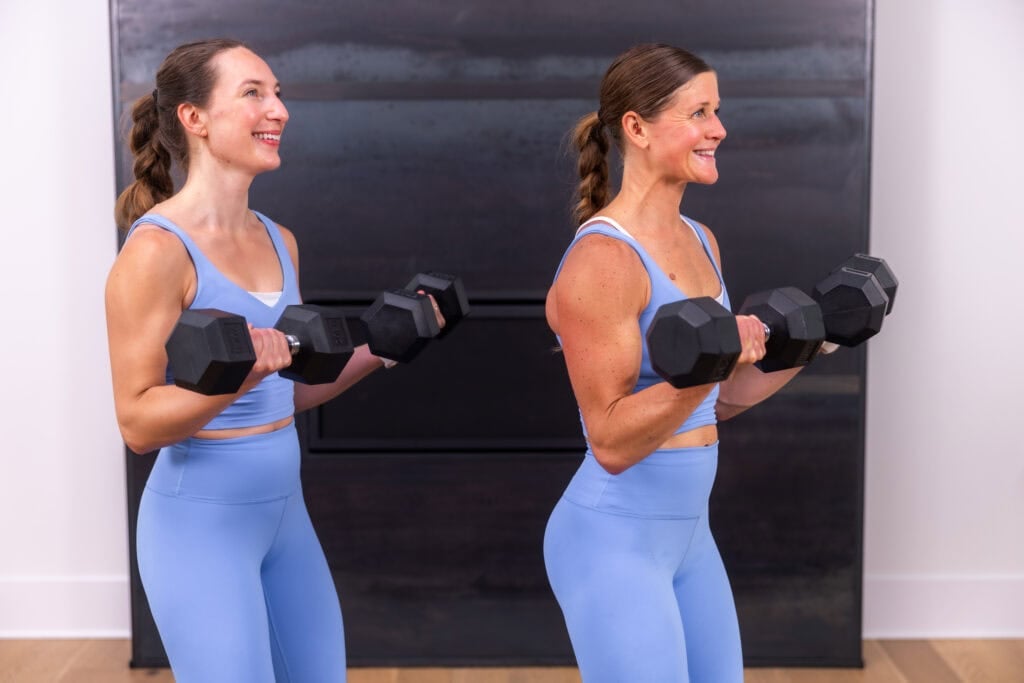
A Quick Rundown
These 7 exercises target all 20 muscles that make up the forearm, including the flexor carpi radialis, flexor carpi ulnaris and flexor digitorum superficialis, the muscles responsible for flexion of the fingers and wrist.
The movements challenge the strength of the pinch grip (e.g., holding a knife to cut vegetables), crush grip (e.g., opening jars) and the support grip (e.g., holding a handrail) and are pivotal to weightlifting, Olympic weightlifting and powerlifting movements. Building these exercises into the end of your workout is the best way to strengthen your grip without sacrificing your main workout.
Note: If you are recovering from a recent surgery or injury, or if you have wrist or hand tendon issues that limit pronation or supination (turning the palm face down or face up, respectively), be sure to speak with a physician before attempting these movements.
Equipment to Have on Hand
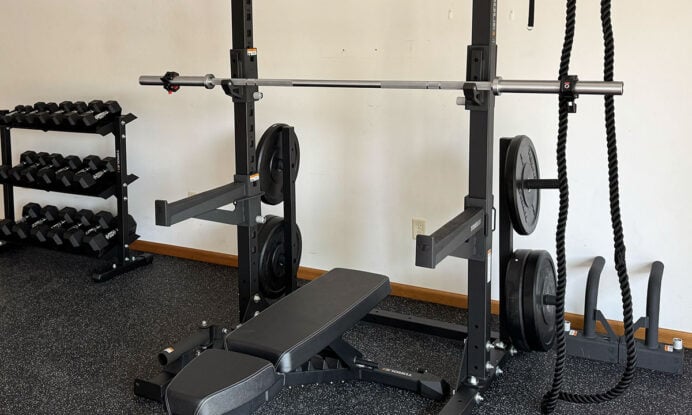
Equipment Needed: Dumbbells, pull-up bar and pull-up assist bands.
Instructions
Choose 3-5 exercises from the list below and follow these rep and set ranges:
- Beginners: Aim for 2-3 sets of 8-10 reps
- Intermediate: Aim for 3-4 sets of 10-12 reps
- Advanced: Aim for 4-6 sets of 12-15 reps
Grip Strength Exercises Outline
1. Reverse Curl (Palm Down Wrist Curl)
Targets: Forearm extensors, wrist flexors and grip endurance. This wrist extension exercise strengthens the muscles along the top of the forearm to improve wrist control.
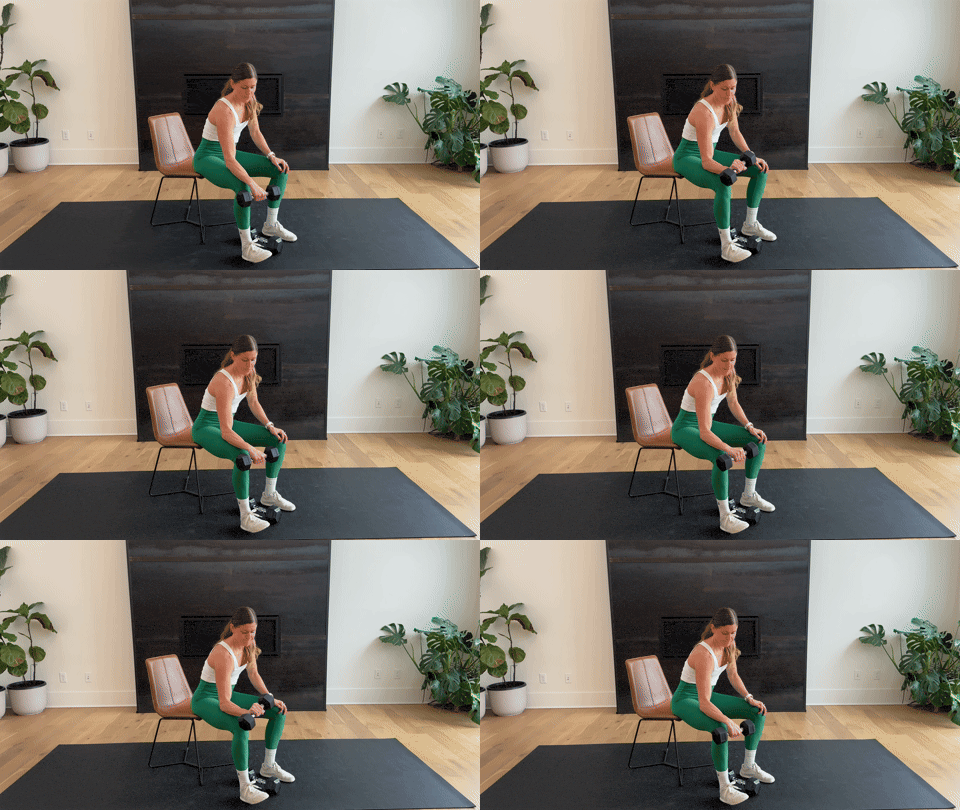
How to Do a Reverse Curl (Palm Down Wrist Curl)
- Sit on a bench or chair with your forearms resting on your thighs, palms facing down and wrists just beyond your knees. Hold a dumbbell in each hand.
- Slowly curl your wrists upward, lifting the dumbbells while keeping your forearms in place.
- Pause briefly at the top, then lower the dumbbells back down with control.
Modification(s): Use lighter dumbbells if you experience wrist discomfort during reverse curls. You can also try this reverse grip with a resistance band for a gentler, more controlled motion.
2. Palm Up Wrist Curl
Targets: Forearm flexors and grip strength. Supinated dumbbell wrist curls work the muscles along the underside of the forearm to build strength for pulling movements and everyday lifting.
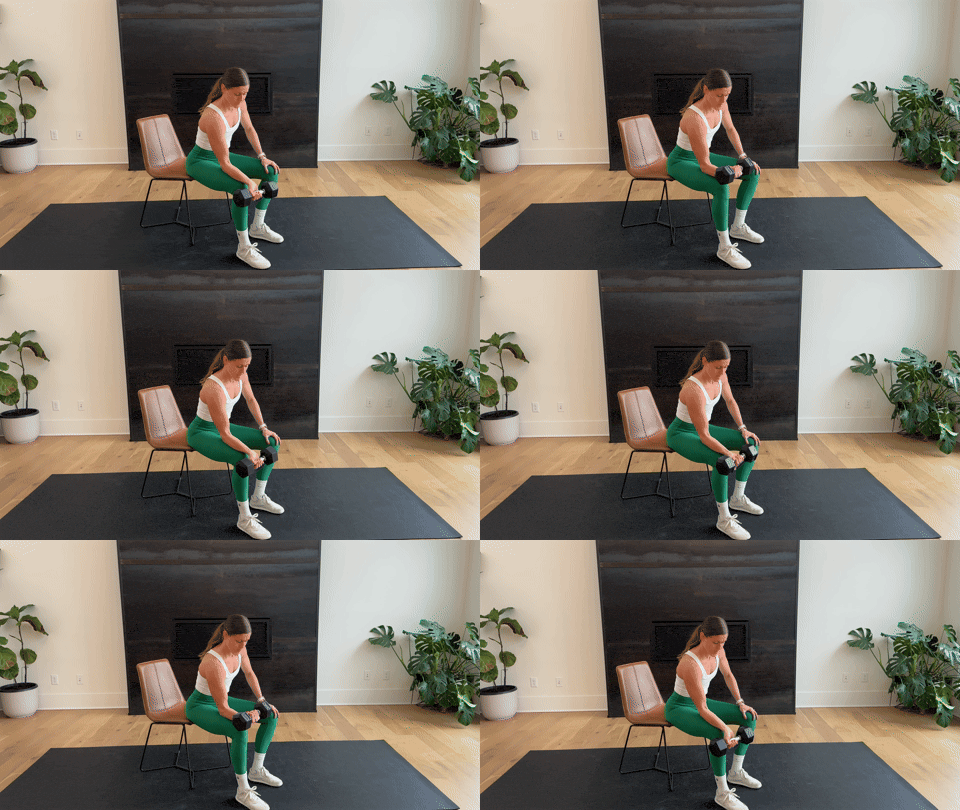
How to Do a Palm Up Wrist Curl
- Sit on a bench or chair with your forearms resting on your thighs, palms facing up and wrists just beyond your knees. Hold a dumbbell in each hand.
- Curl your wrists upward, lifting the dumbbells toward your body while keeping your forearms stationary.
- Pause at the top, then slowly lower the dumbbells back down to the starting position.
Modification(s): Reduce the weight, or if you have access to a cable machine, try a cable curl at a lighter load for more controlled tension.
3. Hammer Curl
Targets: The long head of the biceps as well as the brachialis (another muscle in the upper arm located at the elbow joint) and the brachioradialis (a forearm muscle).
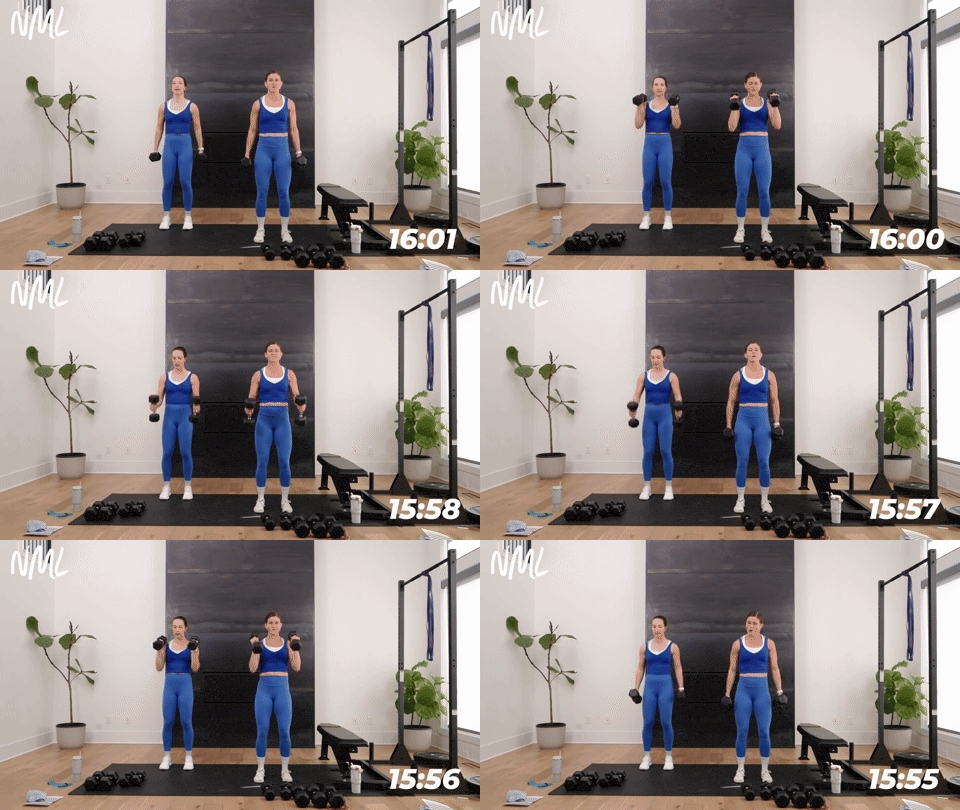
How to Do a Hammer Curl
- Start standing, feet shoulder-width apart, core engaged. Hold a dumbbell in each hand at your sides, palms facing in towards each other (hammer curl grip, or neutral grip).
- Squeeze your bicep muscle to curl the weight in your right hand up to your right shoulder, before lowering it with control, performing a single-arm hammer curl. Keep the upper arms stationary as you curl.
- Then repeat on the left side, curling the dumbbell in your left hand up to your left shoulder before lowering with control and returning to the starting position.
4. Bicep Curl
Targets: The biceps brachii (the front of your arms or the long head of the biceps muscle).
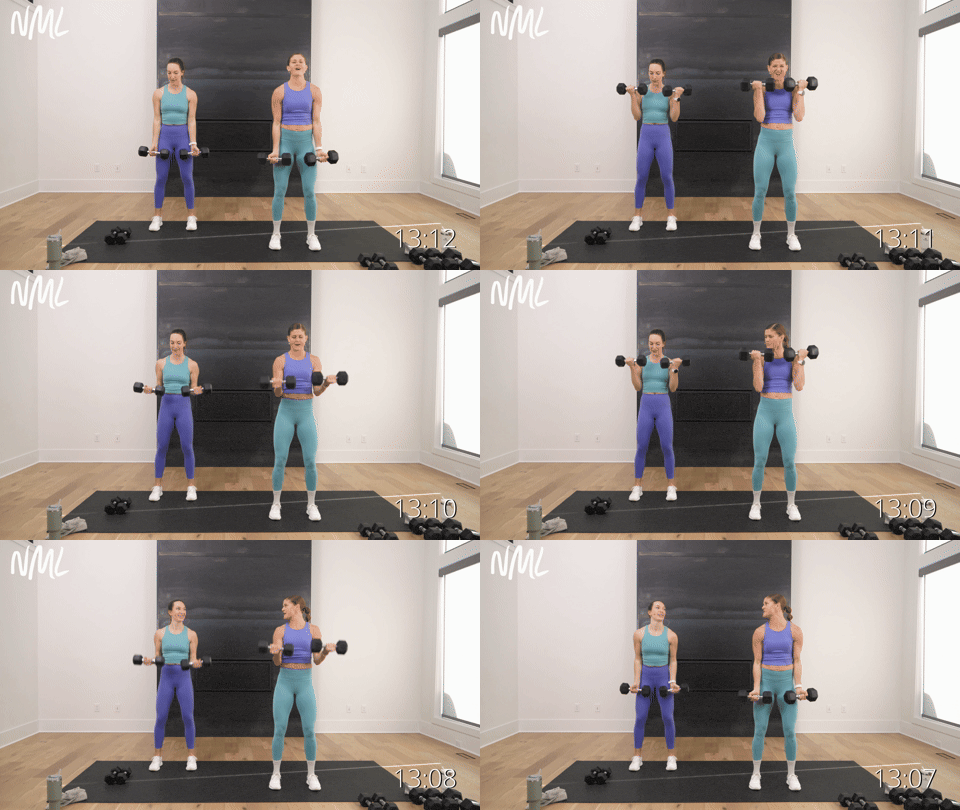
How to Do a Bicep Curl
- Start standing, feet shoulder-width apart and core engaged. Hold a dumbbell in each hand at your sides, palms facing outward (underhand grip or supinated grip).
- Exhale, squeezing the biceps muscle to curl the weights up to shoulder height. Think about keeping elbows tucked into your sides and shoulder blades pulled down.
- With control, slowly lower the dumbbells down to your sides. Return to the starting position and repeat.
5. Farmer’s Carry
Targets: Forearm flexors and extensors, trapezius (upper and middle), shoulders and deep core muscles. The glutes, hamstrings, quads and calves assist in stabilizing the hips and supporting posture while walking under load.
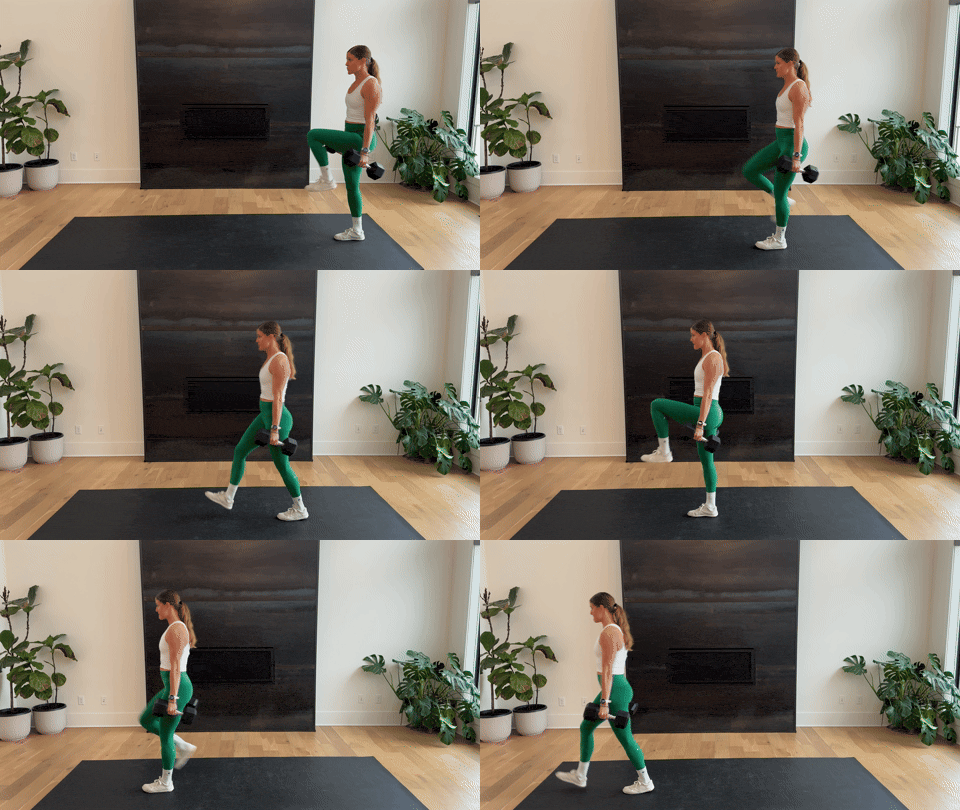
How to Do a Farmer’s Carry
- Stand tall with your feet hip-width apart, holding a dumbbell or kettlebell in each hand at your sides, palms facing inward.
- Let your arms hang long, then brace your core and gently pull your shoulders down and back to maintain strong posture.
- Begin walking forward with small, controlled steps, keeping your chest lifted and spine neutral.
- Squeeze the handles firmly as you walk, resisting the urge to lean or sway side to side.
- Continue for a set distance — I aim for 200m during Hyrox workouts — then carefully lower the weights to the floor with control.
Modification(s): Start with lighter weights or shorter time intervals if your grip fatigues quickly. You can also try a single-arm farmer’s walk to reduce load while challenging your core stability.
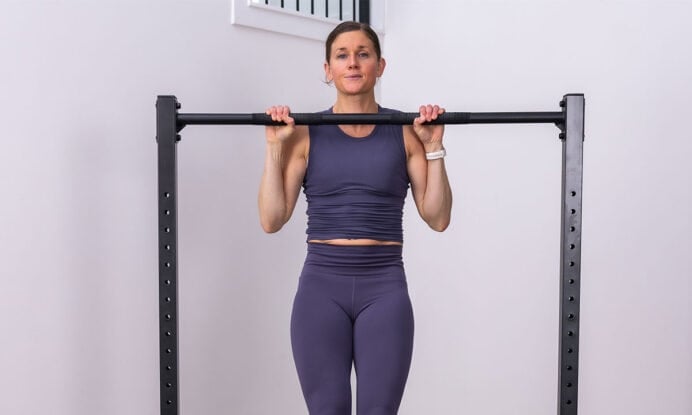
6. Dead Hang
Targets: Forearm and finger flexors, wrist stabilizers, shoulders and upper back stabilizers. The dead hang is one of the most effective exercises for strong forearms and building up to pull-ups.
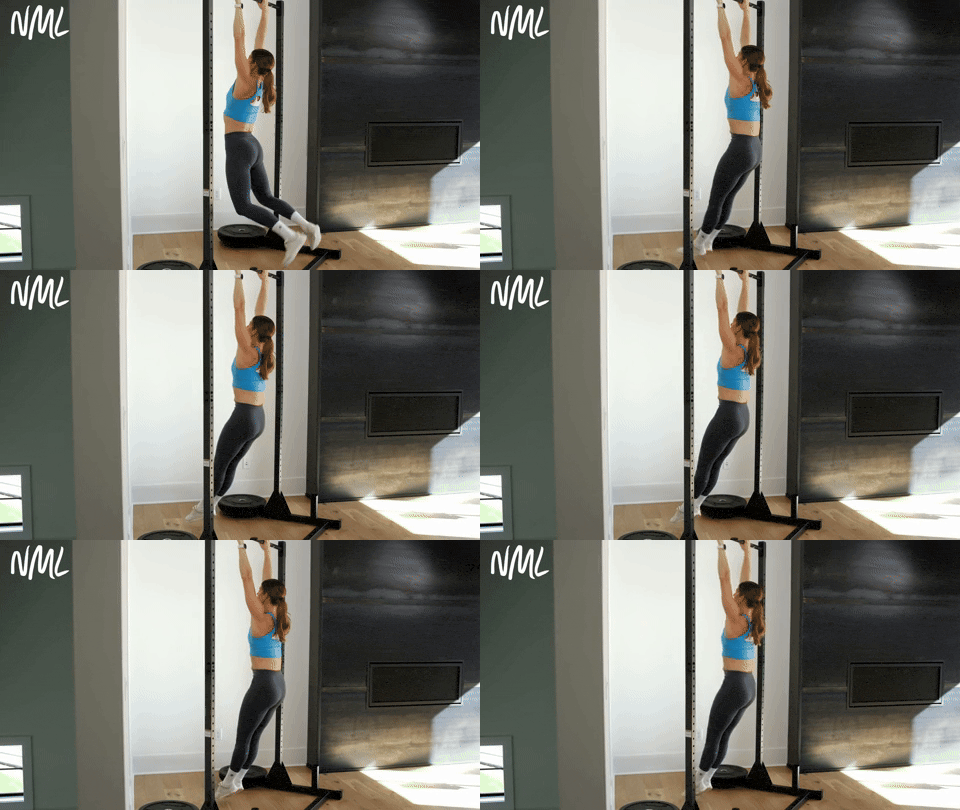
How to Do a Dead Hang
- Stand directly beneath a secure pull-up bar with feet hip-width apart.
- Reach overhead and grip the bar with an overhand grip, hands slightly wider than shoulder-width apart. Wrap your thumbs fully around the bar.
- Lift your feet off the floor and allow your body to hang freely with arms fully extended.
- Gently engage your shoulders by pulling them slightly down away from your ears while keeping your neck relaxed.
- Brace your core and maintain a straight line from head to heels as you hang.
Modification(s): To scale this exercise, use a bar set at about waist height to hang in a “seated” position with your feet and legs on the ground directly in front of you. This allows you to load and unload your Dead Hang by walking your legs further from your body to increase weight and bringing them closer to your body to decrease weight.
7. Pull-Ups
Targets: Latissimus dorsi (lats), biceps, rhomboids, trapezius (traps), deltoids (shoulders), forearms and core.
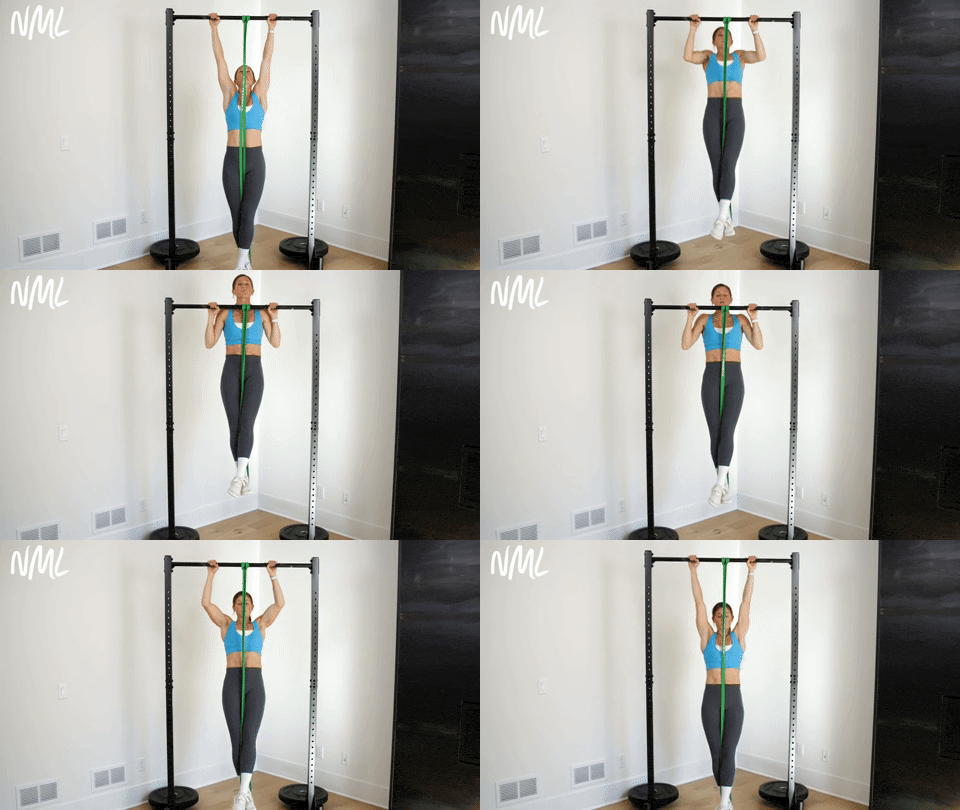
How to Do a Pull-Up
- Reach up and grip the pull-up bar with your palms facing away from your body (overhand grip), hands slightly wider than shoulder-width distance apart.
- Hang from the bar: Allow your body to hang freely with your arms fully extended.
- Perform the pull-up: Initiate the pull-up by squeezing your shoulder blades together and pulling your chest towards the bar. Keep your elbows pointed downward throughout the movement.
- Complete the pull-up: Continue to pull your body, pulling your chest up until your chin is above the bar, or as high as you can comfortably go. Keep your core engaged and your body straight throughout the movement.
- Lower yourself down: Slowly lower yourself back down to the starting position, extending your arms fully to return to the starting position.
Common Mistakes: Instead of thinking “chin over bar,” think “elbows to hips.” This encourages proper muscle engagement and prevents excess straining or swinging.
Modification(s): If you can’t do a pull-up, start by performing assisted pull-ups with a resistance band. Then, increase max pull-up reps by following a pull-up progression program. You could also
FAQs
How do I test grip strength?
Grip strength is most accurately measured with a handgrip dynamometer, which records the maximum force you can squeeze with each hand. If you don’t have a dynamometer, exercises like dead hangs or heavy carries can give you a general idea of your grip endurance.
What grip strength level indicates sarcopenia?
For many women, grip strength peaks around their early to mid-30’s before seeing a steady decline throughout the rest of their lives.
Low grip strength is commonly used as a screening tool for sarcopenia, which is the age-related loss of muscle mass and strength. Generally, grip strength below 59.5 lbs for men and 35.3 lbs for women may indicate probable sarcopenia and should be evaluated by a healthcare professional.
Do hand grippers actually build forearm muscles?
Yes, hand grippers can help build the muscles in your forearms by strengthening the muscles responsible for gripping and finger flexion. While they are effective for improving grip strength and forearm endurance, combining them with exercises such as deadlifts, farmer’s carries, dead hangs and wrist curls provides a more well-rounded approach to forearm development.
How often should I train grip strength?
For most people, training grip strength 2-3 times per week is enough to see steady improvements while allowing your hands and forearms time to recover. As your grip gets stronger, you can gradually increase the resistance, duration or variety of exercises to continue making progress.
How long does it take to improve grip strength?
Most people begin to notice improvements in grip strength within 2-4 weeks of consistent training, with more significant gains developing after 6-8 weeks. Performing grip-strength exercises 2-3 times per week, gradually increasing the challenge, can help build stronger hands, wrists and forearms over time.
Gaining Strength for Real Life
Grip strength matters – and not just for the strongmen and powerlifters! Adding a few of these 7 exercises into a daily workout routine helps ensure functional strength and improved systemic health for years to come. No more struggling to open jars, carry groceries or swinging the kids around! Let’s start building strength for real-life – a single workout at a time!
More Posts
Fitness EducationPin This: Best Exercises to Improve Grip Strength
This post includes affiliate links. I do earn a commission for products purchased using these links (at no additional cost to you). Thank you for supporting Nourish Move Love, making the content you see on this blog possible.
no comments