


9 Knee Mobility Exercises
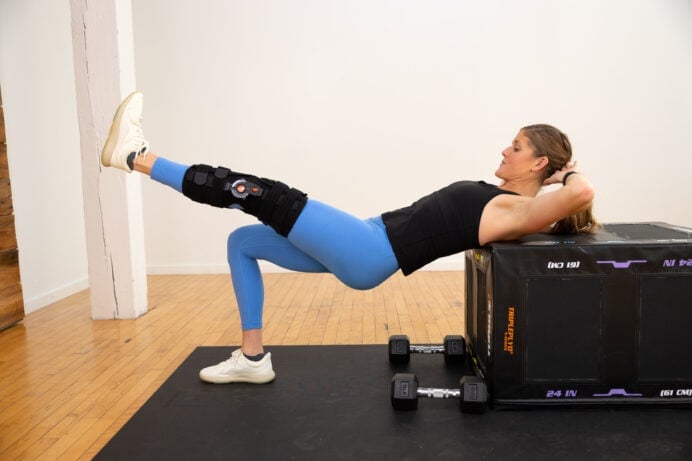
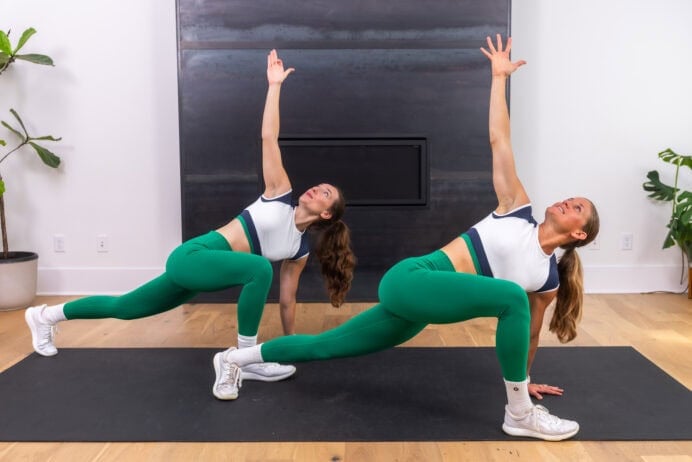
This knee-focused workout targets the quads, hamstrings, glutes, calves and joint stabilizers to improve strength, mobility and overall knee function. It’s designed to reduce stiffness, support recovery and enhance movement quality through a combination of low-impact strength exercises and controlled mobility work. Ideal for beginners, those managing knee discomfort or anyone looking to build more resilient, pain-free movement.
Knee health is something I don’t take lightly. A few years ago, I had surgery to repair a torn meniscus, and that experience completely changed how I approach training. I used to think of knees in terms of strength alone, but I’ve learned that mobility, knee stability and knee flexibility are just as important. When my knees can move through a full range of motion without pain, everything else (strength, performance, even daily activities) feels better and more natural.
For me, knee mobility is about being able to move through a full, controlled range of motion without compensation or discomfort. That shows up in everyday movements like walking up stairs, step-ups, getting up off the floor or sitting into a squat. In workouts, it’s the difference between forcing positions your body isn’t ready for and actually owning the movement. When my knees move well, my hips and ankles tend to function better too, which takes stress off the ligaments and improves overall movement quality.
After my surgery, I had to rebuild that mobility from the ground up, very similar to what I learned through physical therapy. I focused on slow, controlled exercises that encouraged my knee to bend and straighten fully again, while also strengthening the surrounding muscles. I paid close attention to my thigh muscles, including the front of my thigh (quads) and the back of my thigh (hamstrings), along with the calves and muscles around the back of the knee. That combination is key; mobility without strength doesn’t hold, and strength without mobility can lead to stiffness and strain.
If my knees feel stiff, one of the most effective things I can do is simply start moving them more gently and consistently. Controlled repetitions through a pain-free range, combined with light stretching exercises like a hamstring stretch or calf stretch, can help loosen the back of your thigh and improve how the joint feels. I’ve found that when I take care of the surrounding areas, including adding calf raises or activation work, I get better pain relief and more lasting results.
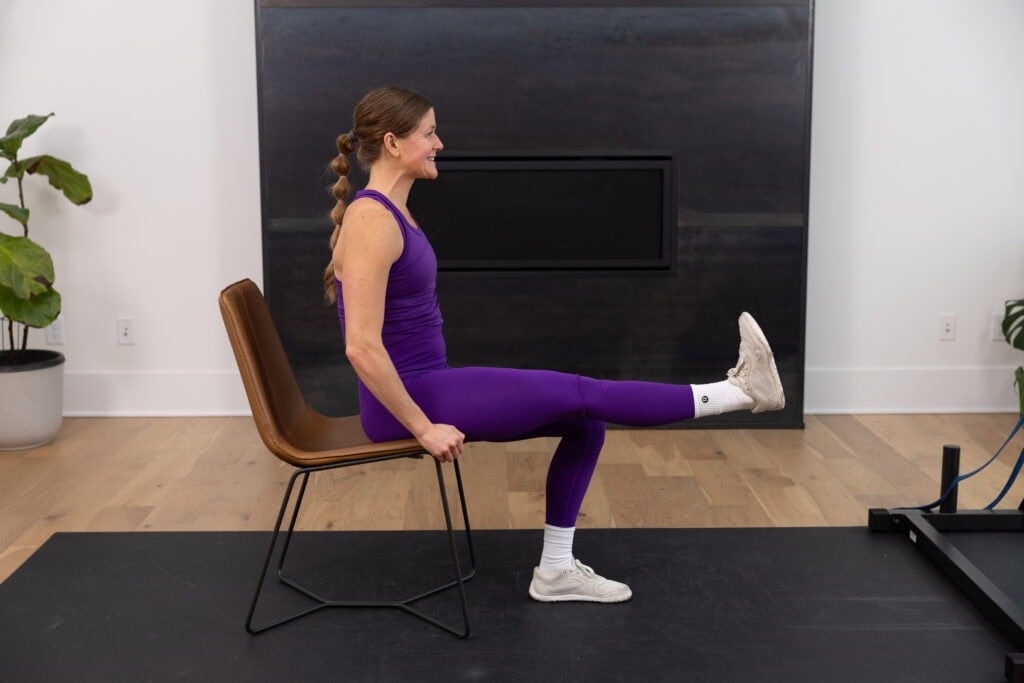
Some of the most effective exercises I come back to (especially when starting a new exercise routine or rebuilding strength) are simple and low-impact. Movements like seated knee extensions, heel slides, straight leg raises and standing hamstring curls help reinforce basic bending and straightening of the knee. From there, I’ll layer in exercises like Spanish squats, glute bridges and reverse lunges to build strength while improving joint mechanics.
These exercises carry over directly into functional fitness and real life. Sitting down, standing up, climbing stairs or even walking all rely on healthy knees that can move well and handle load. When I train knee mobility, I’m not just thinking about isolated movements; I’m thinking about how I want my body to feel and perform during everyday activities.
I still include this type of training in my routine regularly, not just when something feels off. A few sessions a week are usually enough to maintain healthy knees, improve mobility and support long-term joint health. And if you’re dealing with pain or a previous injury, it’s always worth seeking medical advice to make sure you’re choosing the right exercises for your body.
Read A 5-Star Review ⭐⭐⭐⭐⭐
“Love these exercises! Good for me even without bad knees. Everyone should work on their mobility and flexibility so they don’t lose it when they age! Thank you!”
— Karen J.
Knee Mobility Workout Specifics
This knee-focused workout combines low-impact strength and mobility exercises to support joint health, improve range of motion and build more resilient, pain-free movement.
I like to incorporate these exercises 2-3 times per week, either as a standalone routine or as part of a warm-up or recovery day. If you’re dealing with a recent injury, significant pain or post-surgical restrictions, it’s best to check with a physical therapist or healthcare provider before starting, and always work within a pain-free range of motion.
Workout Equipment
Optional chair, glider/towel and long loop resistance band.
Workout Instructions
Follow along with the guided 10-Minute Knee Mobility Routine on YouTube, led by me — your certified personal trainer (CPT), Lindsey Bomgren.
Your Workout Looks Like This:
- 9 Knee Mobility Exercises
- Perform 10 reps per exercise per leg
Knee Mobility Exercises Outline
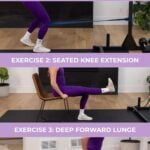
1. Seated Knee Extensions
Targets: Quadriceps, knee joint stabilizers and hip flexors.
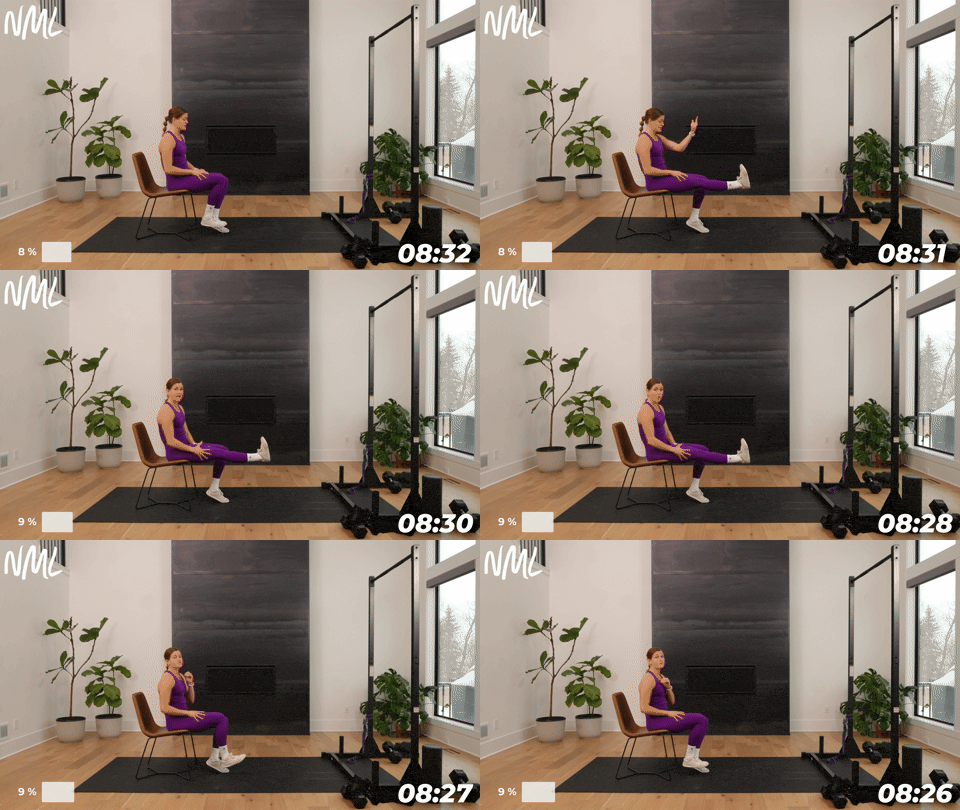
How to Do a Seated Knee Extension
- Start seated on a chair with your feet flat on the floor and knees bent at a 90-degree angle. Sit upright with your back straight and core gently engaged.
- Slowly lift your right foot off the floor, extending your leg forward until it is fully straight in front of you. Keep your thighs aligned and avoid leaning back as you lift.
- Pause briefly at the top, squeezing your quadriceps, then slowly lower your right foot back to the floor with control.
- Keep your left foot grounded throughout the movement.
- Repeat for the desired number of reps, then switch sides.
2. Banded Knee Extension
Targets: Quadriceps, knee joint stabilizers and hamstrings.
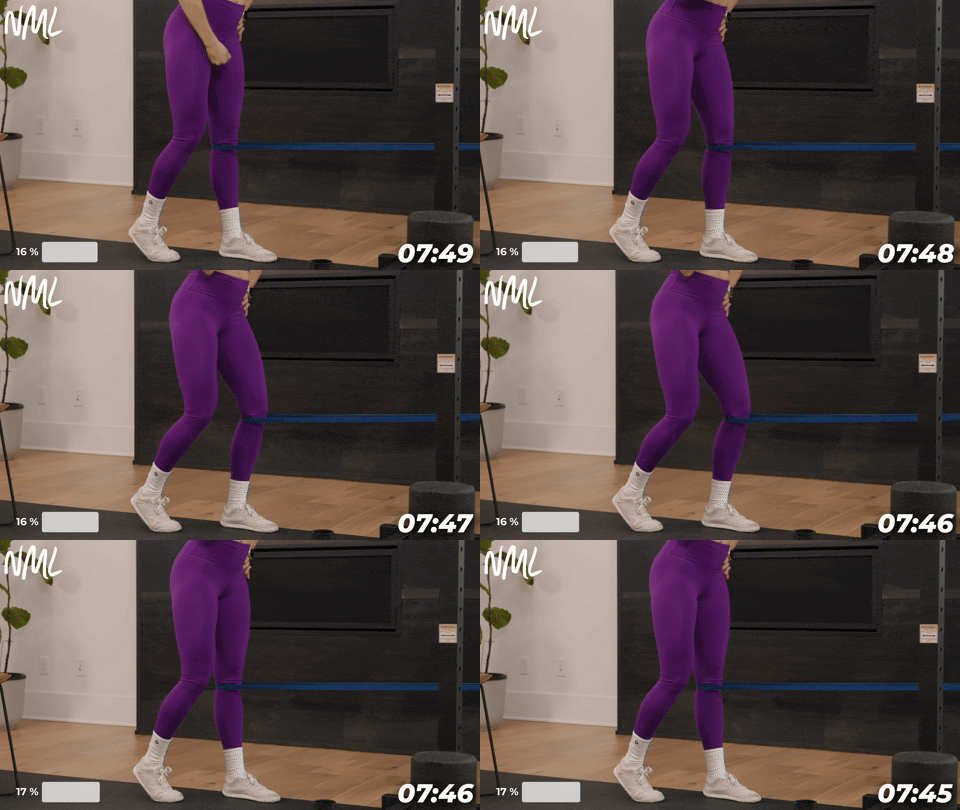
How to Do a Banded Knee Extension
- Secure a long loop resistance band to a sturdy anchor point such as a pull-up bar or banister. Step your left leg into the band so it rests just behind your knee. Stand facing the anchor point with your feet hip-width apart and hands on your hips.
- Gently bend your left knee into a soft bend, keeping your torso upright and weight evenly distributed.
- From here, press your left knee back into full extension, straightening the leg and contracting your quadriceps against the resistance of the band.
- Pause briefly at full extension, then slowly return to the starting position with control.
- Keep your right leg stable and your core engaged throughout the movement.
- Complete your reps, then switch sides.
3. Spanish Squats
Targets: Quadriceps, glutes, knee joint stabilizers and core.
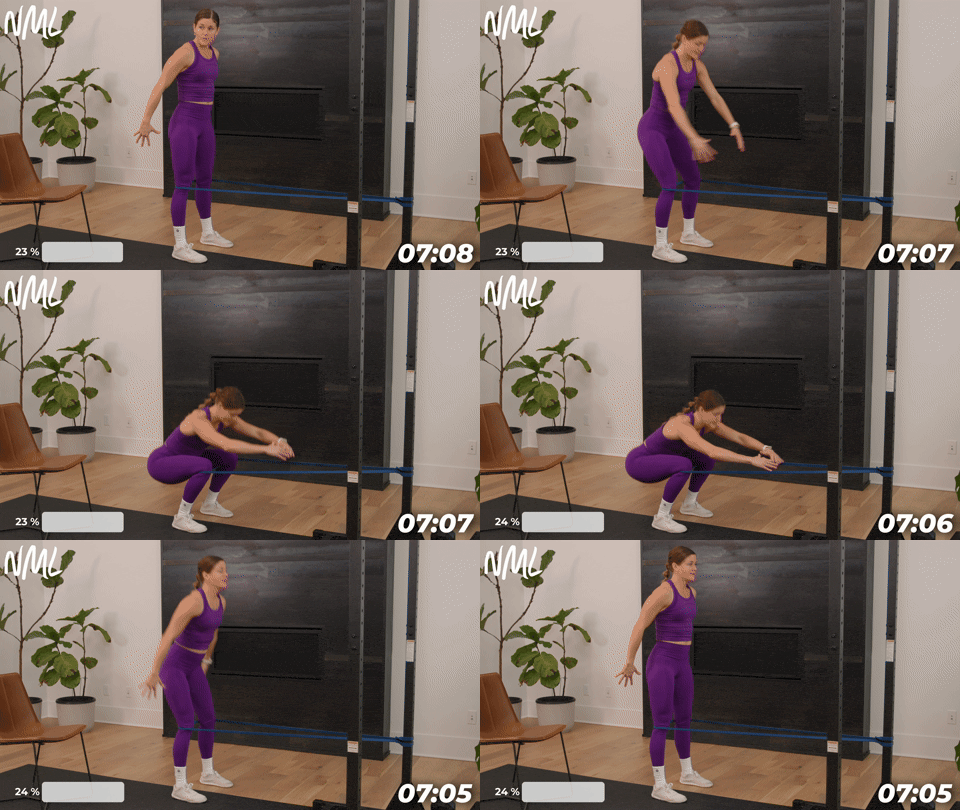
How to Do a Spanish Squat
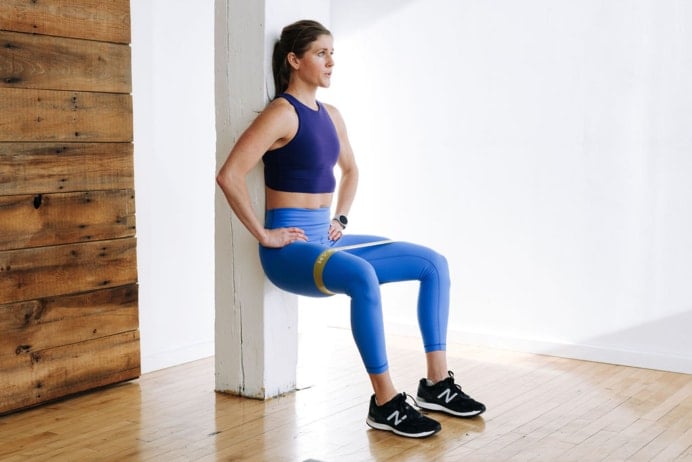
- Secure a long loop resistance band to a sturdy anchor point such as a pull-up bar or banister. Step both legs into the band so it rests just behind your knees. Walk back until there is tension in the band, feet about hip-width apart, toes pointing forward.
- Sit back into a squat, allowing the band to support you as your knees bend and track forward while your torso stays upright. Keep your chest lifted and core engaged as you lower down.
- Press through your heels to stand back up, fully extending your hips and knees while maintaining tension in the band.
- Continue lowering and rising with control for the desired number of reps.
4. Seated Heel Slides
Targets: Hamstrings, quadriceps, knee joint mobility and hip flexors.
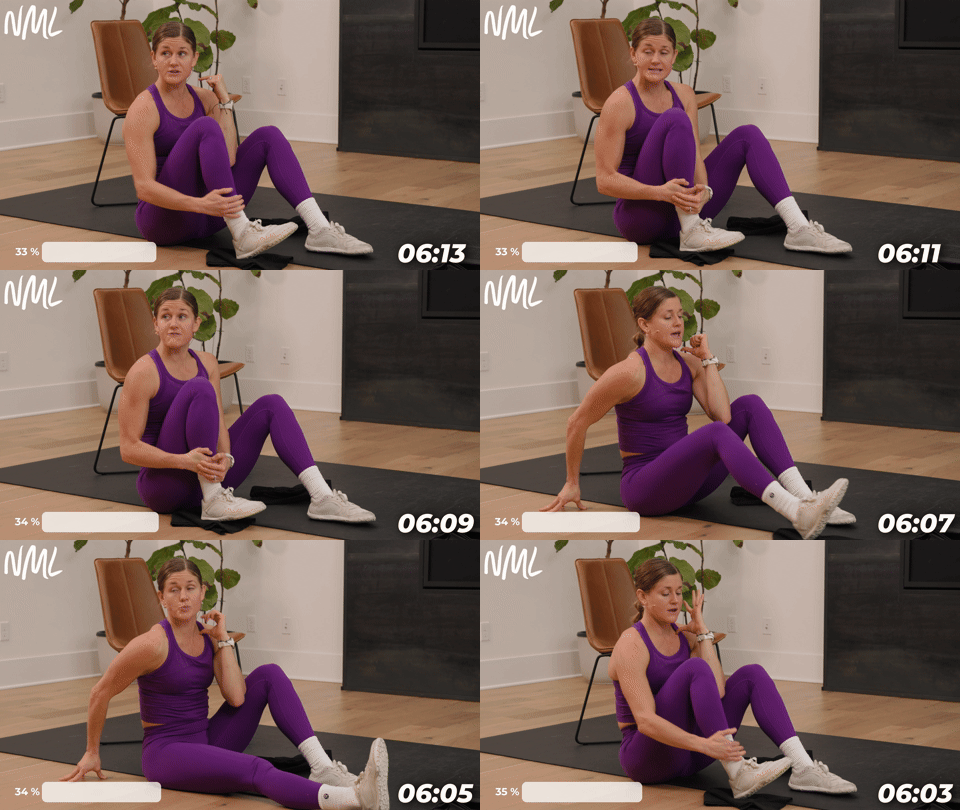
How to Do a Seated Heel Slide
- Start seated on the floor, with your knees bent and tucked in toward your chest. Place a towel or glider under your left heel, keeping your right foot planted. Sit upright with your chest lifted and core engaged.
- Slowly slide your left heel away from your body, extending your leg forward until it is fully straight. Keep your heel in contact with the floor and your movement controlled.
- Pause briefly at full extension, then pull your heel back toward your body, bending your knee and returning to the starting position.
- Keep the movement smooth and controlled throughout.
- Complete your reps, then switch sides.
5. Glute Bridge
Targets: Glutes, hamstrings, core and lower back.
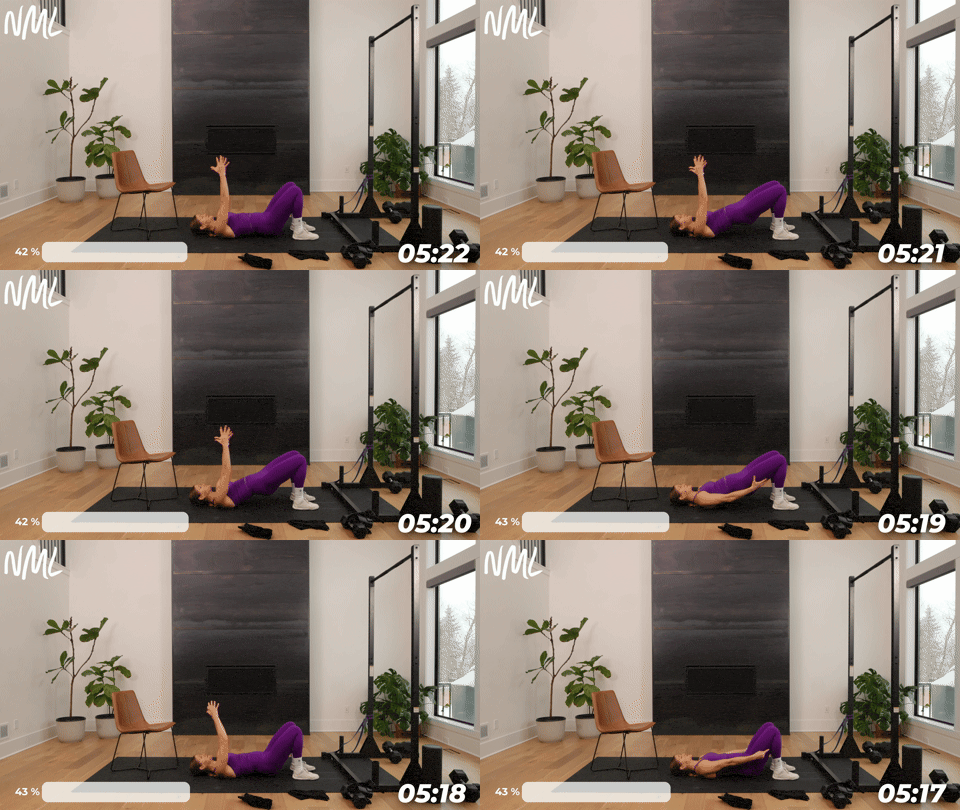
How to Do a Glute Bridge
- Start lying on your back with your knees bent and feet flat on the floor, hip-width apart. Place your arms by your sides with palms facing down.
- Press through your heels and engage your core as you lift your hips off the floor, driving them upward until your body forms a straight line from your shoulders to your knees. Squeeze your glutes at the top without over-arching your lower back.
- Pause briefly at the top, then slowly lower your hips back down to the floor with control.
- Reset and repeat for the desired number of reps.
6. Kneeling Flexion
Targets: Quadriceps, knee joint mobility and hip flexors.
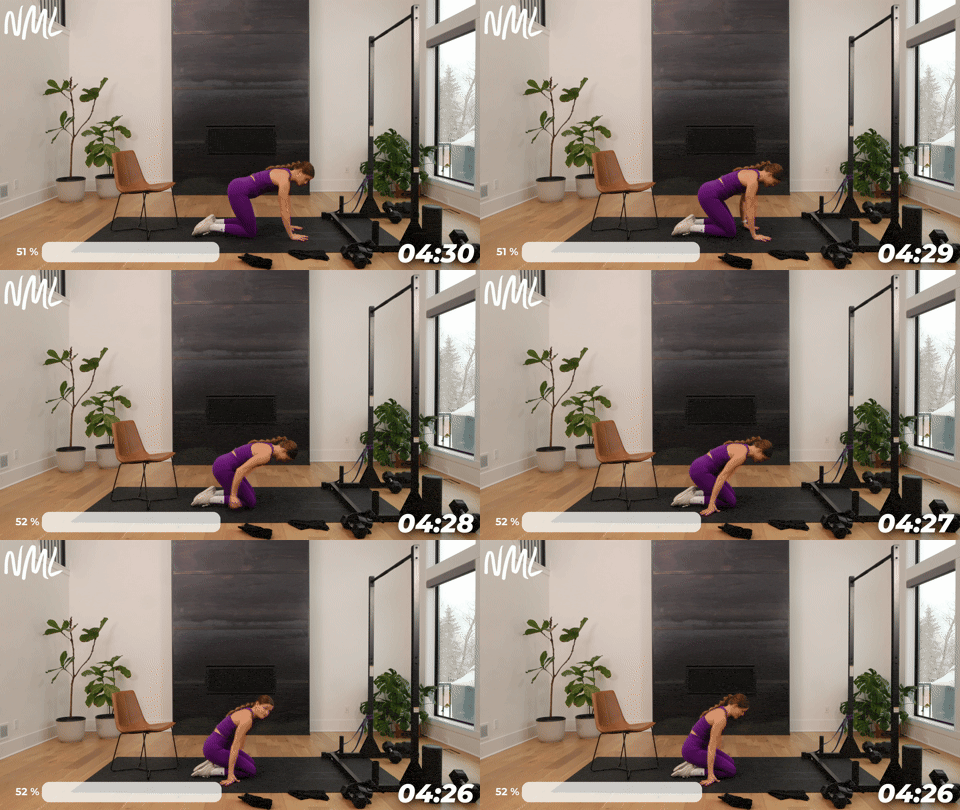
How to Do a Kneeling Flexion
- Start in a tabletop position with your hands under your shoulders and knees under your hips. Keep your spine neutral and core engaged.
- Slowly shift your hips back toward your heels, allowing your knees to bend into full flexion as you sit back. Move within a comfortable range, keeping your hands on the floor for support.
- Pause briefly at the end range, then gently shift forward to return to the starting position.
- Continue moving in and out of the stretch with control for the desired number of reps.
Modification: Kneel in front of a chair and place one foot up on the seat behind you. Slowly lean your body back, increasing the bend in your knee to deepen the flexion. Move gradually and only as far as feels comfortable.
7. Ankle Mobility Rocks
Targets: Ankles, calves, Achilles tendon and lower leg mobility.
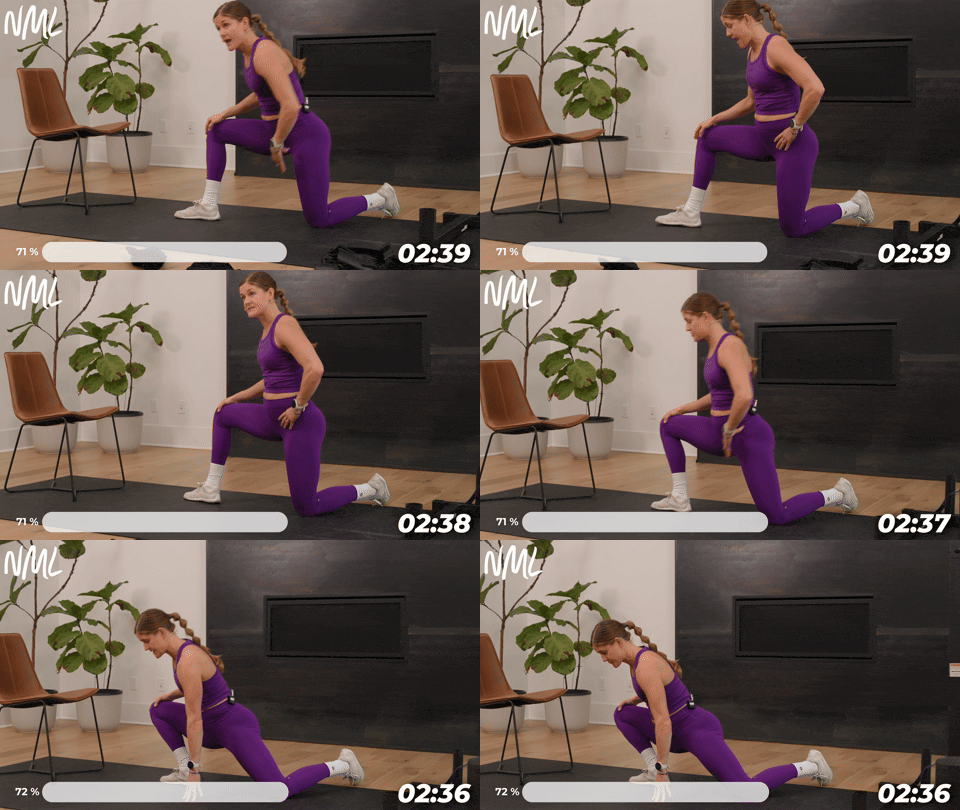
How to Do an Ankle Mobility Rock
- Start in a half-kneeling position with your right knee on the ground and your left foot planted in front of you, knee bent at a 90-degree angle. Keep your torso upright and hands resting on your hips or your front thigh for balance.
- Slowly shift your bodyweight forward over your left foot, driving your knee past your toes as far as you comfortably can while keeping your heel grounded. Focus on feeling a stretch through your ankle and calf.
- Pause briefly at your end range, then shift your weight back to the starting position.
- Move slowly and with control, repeating for the desired number of reps before switching sides.
8. Standing Hamstring Curls
Targets: Hamstrings, calves, knee joint stabilizers and glutes.
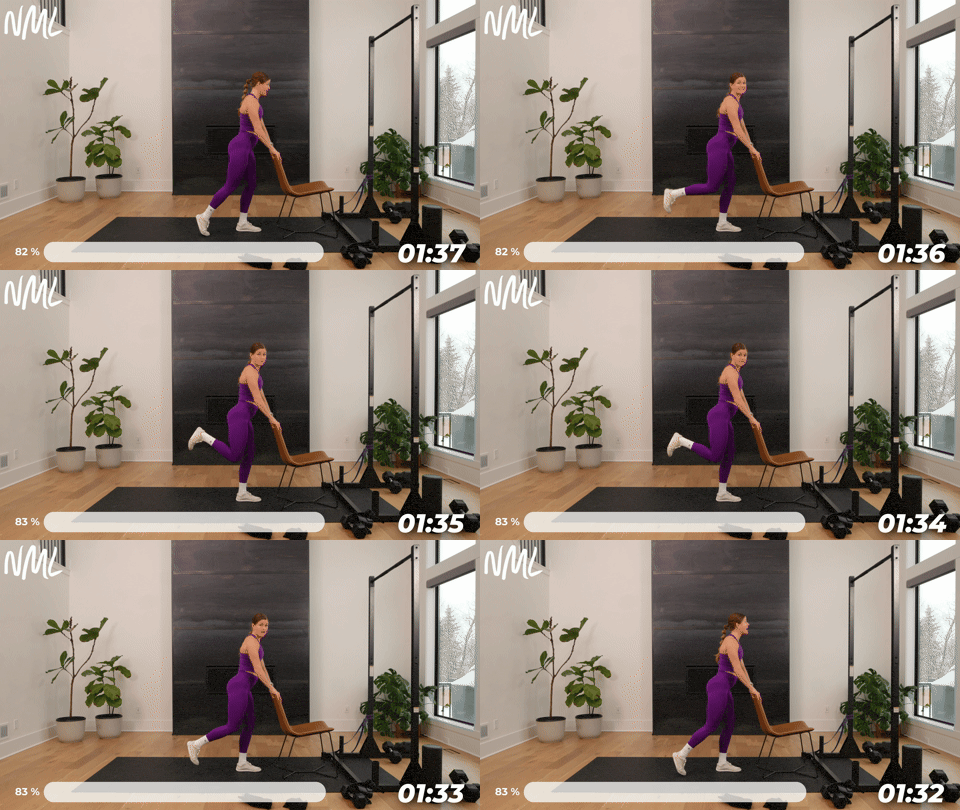
How to Do a Standing Hamstring Curl
- Stand tall behind a chair and lightly rest your hands on it for balance. Place your feet hip-width apart, then shift your weight into your right leg.
- Lift your left foot off the ground and bend your knee, curling your heel up toward your glutes. Keep your thighs aligned and avoid letting your knee drift forward.
- Pause briefly at the top, squeezing your hamstring, then slowly lower your foot back to the floor with control.
- Keep your core engaged and maintain an upright posture throughout the movement.
- Complete your reps, then switch sides.
9. Reverse Lunge Isometric Hold
Targets: Quadriceps, glutes, hamstrings, knee joint stabilizers and core.
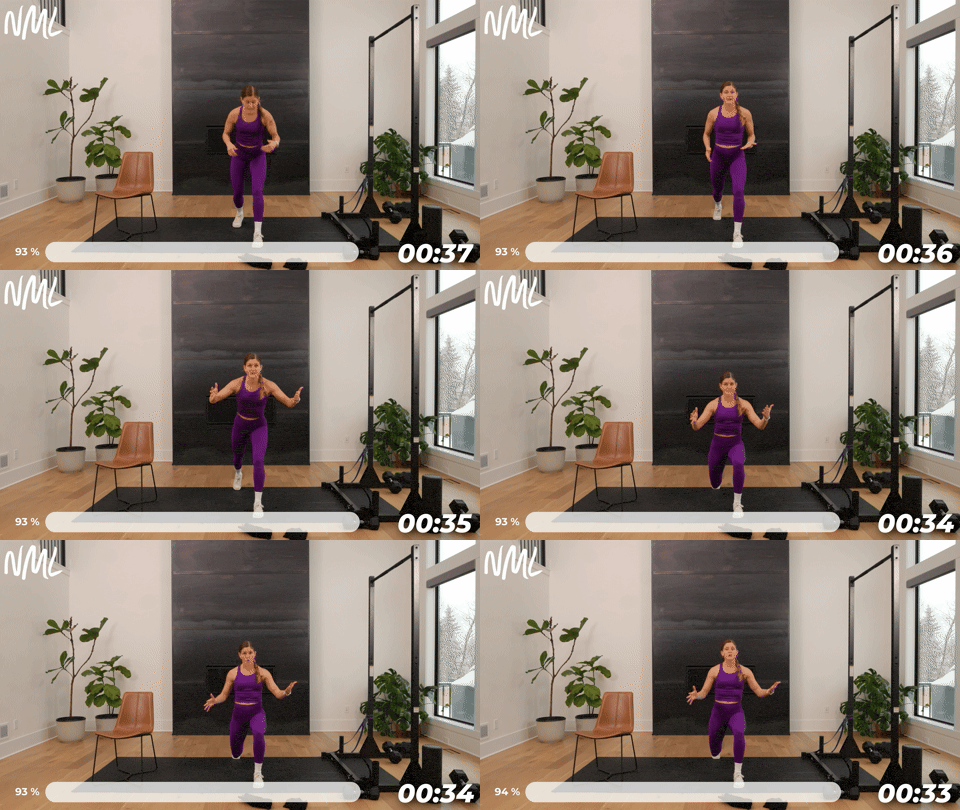
How to Do a Reverse Lunge Isometric Hold
- Start standing tall with your feet hip-width apart and core engaged. Step your right foot back into a reverse lunge position, lowering until both knees are bent at about 90 degrees. Keep your front (left) knee stacked over your ankle and your torso upright.
- Hold this bottom position, maintaining tension through your legs and keeping your balance steady. Press evenly through your front foot while keeping your back heel lifted.
- Continue to hold for the desired amount of time, then step your right foot forward to return to standing.
- Switch sides and repeat.
FAQs
How often should you do knee mobility exercises?
Knee mobility exercises can be done daily, especially if you’re working to improve your range of motion or recovering from stiffness. For general maintenance, 3-5 times per week is typically enough. Keep sessions short and controlled, focusing on the quality of movement rather than intensity.
What are common causes of poor knee mobility?
Limited knee mobility is often caused by muscle tightness (especially in the quads, hamstrings and calves), joint stiffness, previous injuries, swelling or prolonged periods of inactivity. Weak stabilizing muscles and poor movement mechanics can also contribute over time.
Is calf muscle stiffness normal, and how does it affect knee mobility?
Yes, calf stiffness is common, especially if you sit often, run frequently or skip mobility work. Tight calves can limit ankle mobility, which in turn affects how the knee moves, often placing extra stress on the knee joint and restricting proper movement patterns.
Is rowing low-impact on the knees?
Yes, rowing is generally considered low-impact because your feet stay planted and there’s no repetitive pounding like running. However, poor technique or excessive resistance can still place stress on the knees, so proper form and controlled effort are important.
What shoes can make knee pain worse?
Shoes that lack support, are overly worn out or don’t match your foot mechanics can contribute to knee pain. Extremely flat shoes without cushioning or overly cushioned shoes that reduce stability can both be problematic, depending on the individual. Wearing the right shoe for your activity and foot type can help reduce unnecessary stress on the knees.
More Workouts
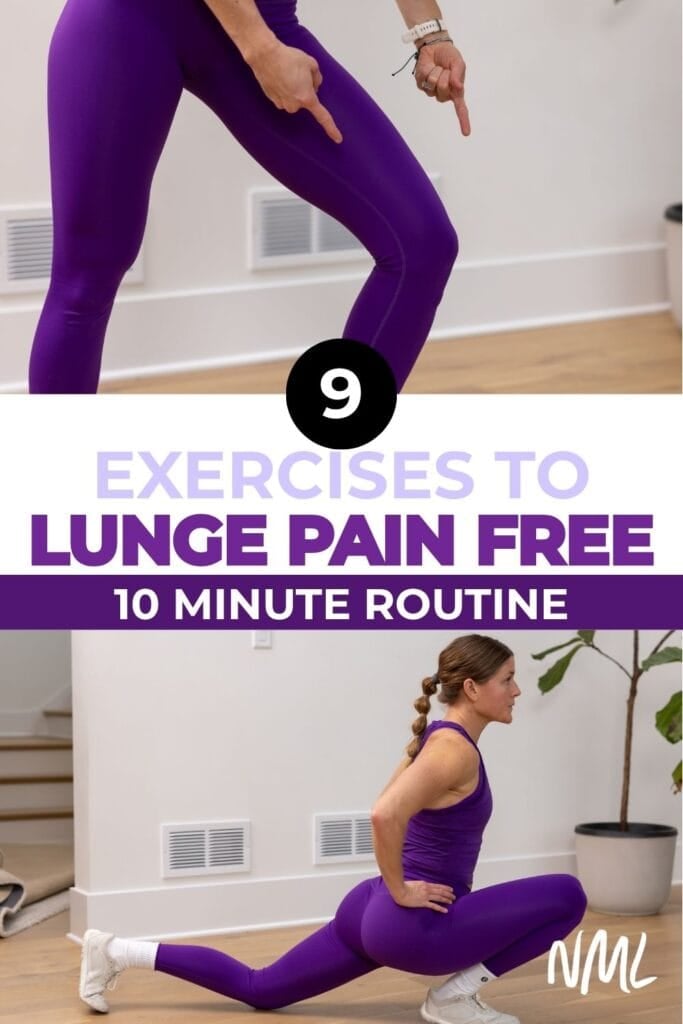
Lower-BodyPin This: 9 Effective Knee Mobility Exercises
This post includes affiliate links. I do earn a commission for products purchased using these links (at no additional cost to you). Thank you for supporting Nourish Move Love, making the content you see on this blog possible.
no comments