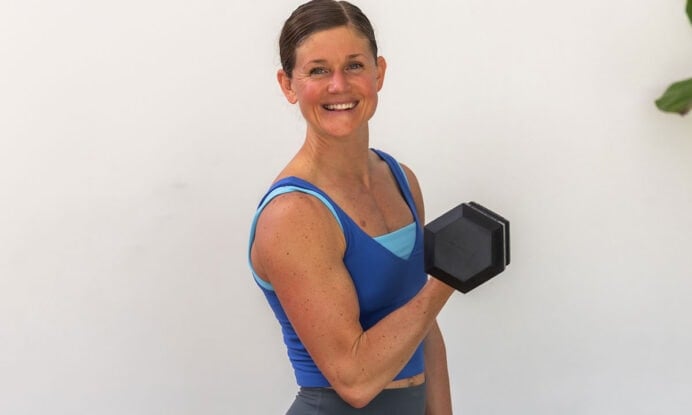



20-Minute Upper Body Dumbbell Workout (All Standing)
Build stronger, more defined arms with this all-standing, no-repeat dumbbell workout designed to challenge every major upper-body muscle group. This workout is perfect for anyone who wants an efficient, zero-floor-work routine. This 20-minute session hits the chest, back, shoulders, biceps and triceps. Grab a pair of dumbbells and get ready to build strong arms at home.
Biceps, triceps, back, chest and shoulders – this upper-body dumbbell workout hits it all, and the best part? You never have to hit the mat or repeat exercises.
I love dumbbell arm workouts because I can build serious upper-body strength without needing a full gym setup. By combining the best arm and shoulder exercises in a no-repeat format, each circuit challenges a different part of the upper body, helping you sculpt strong, defined arms while also improving functional strength that you’ll actually use in daily life – like lifting, reaching or carrying.
Everything in this workout is done standing, which makes a huge difference in accessibility. Standing exercises engage the core, improve balance and mimic real-life movement patterns, so you’re not just building muscle; you’re training your body to move better. This also makes the workout really accessible if you don’t want to get down on the floor, and it’s a great option for beginners or even during pregnancy.
I aim to do this upper-body workout with weights 1-2 times per week. That frequency keeps my muscles challenged without overdoing it, and I can feel my arms and shoulders getting stronger each session.
Whether you’re looking to build strength, increase muscle definition or just feel more capable in everyday tasks, this standing dumbbell workout will give you a full upper-body burn that fits into your schedule and helps you reach your goals.
Read A 5-Star Review ⭐⭐⭐⭐⭐
“I love workouts like these because they make it easy to keep showing up on those days when you didn’t get enough sleep or it’s just a busy season of life. Thank you, NML!!! And those punches at the end were my favorite part!!!”
— Ariana R.
Workout Specifics
Build upper-body strength and muscle definition with this 20-minute arm day workout.
This is a complete arm workout targeting every muscle group in the upper body: the shoulders, biceps, triceps, back and chest.
Add this upper-body workout for women to your home workout routine 1-2 times per week to build and maintain strength in the upper body.
Workout Equipment
Medium to Heavy Set of Dumbbells. I’m using 10, 15 and 20 lbs.
Workout Instructions
Follow along with the guided 20-Minute Upper-Body Workout on YouTube, led by me — your certified personal trainer (CPT), Lindsey Bomgren.
Your Workout Looks Like This:
- 14 Upper-Body Dumbbell Exercises
- Timed Intervals (40 seconds of work per exercise, followed by 20 seconds of rest. Perform as many reps as you can in the timed interval.)
- No Repeats (perform each move x1)
Workout Outline
Circuit 1:
Circuit 2:
Circuit 3:
Circuit 4:
Circuit 5:
1. Alternating Arnold Press
Targets: All 3 heads of the deltoids, also known as your shoulder muscles. The core and lower back are also engaged.
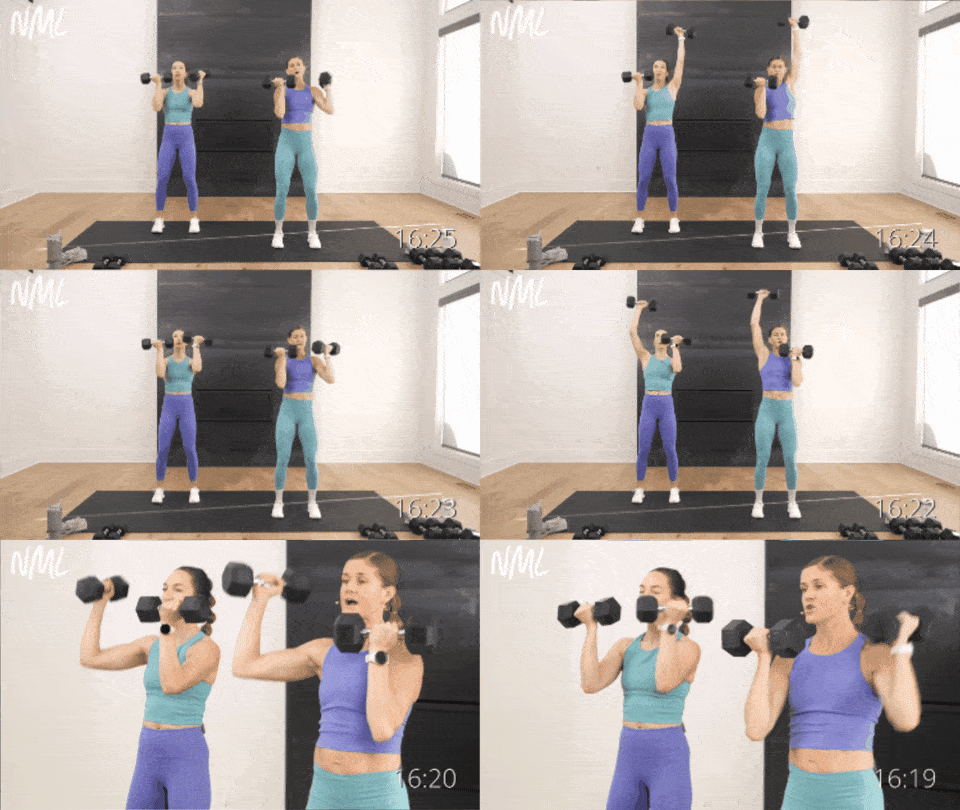
How to Do an Alternating Arnold Press
- Stand with your feet hip-width apart, shoulders stacked over hips, and knees slightly bent. Hold a dumbbell in each hand at eye level, palms facing in towards your face.
- Engage your core and squeeze your glutes to protect your lower back as you slowly raise the weight in your right hand overhead. As you raise the dumbbell, rotate your wrist so that the palm of your hand is facing outward (away from the body) when your arm is fully extended.
- Slowly reverse the movement, rotating your wrist as you lower the dumbbell to return to the starting position, palm facing in towards your body.
- Repeat, this time raising the dumbbell in your left hand overhead, rotating your wrist so that your left palm is facing outward when your arm is fully extended.
- Slowly and with control, lower the dumbbell and reverse the rotation, returning to the starting position.
2. Alternating Front Raise
Targets: Primarily the anterior (front) deltoids, with additional engagement in the lateral deltoids, upper chest and core for stability.
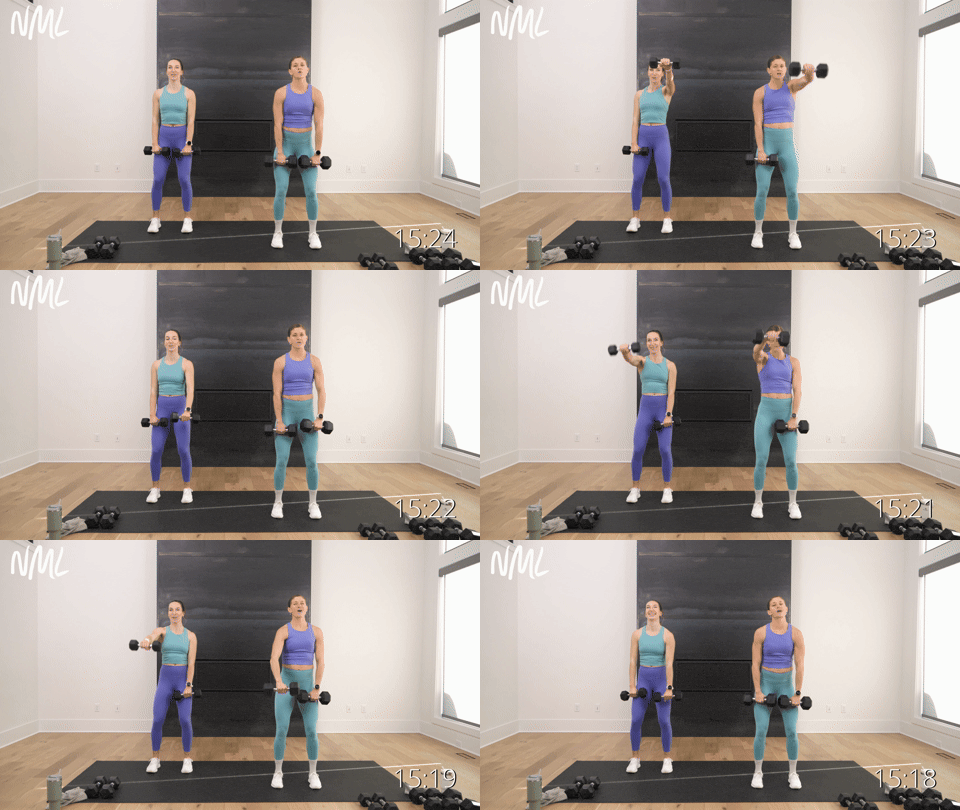
How to Do an Alternating Front Raise
- Stand with your feet hip-width apart, shoulders stacked over hips, and knees slightly bent. Hold a dumbbell in each hand at your thighs, palms facing your body.
- Engage your core and squeeze your glutes to protect your lower back as you slowly raise the dumbbell in your right hand straight out in front of you to shoulder height. Keep a soft bend in your elbow and maintain control (no swinging or using momentum).
- Lower the dumbbell with control back to the starting position.
- Repeat the movement on the left side, lifting the dumbbell straight out in front of you to shoulder height, then lowering it slowly and with control.
- Continue alternating arms, maintaining steady breathing and keeping your ribs pulled down to avoid arching through the lower back.
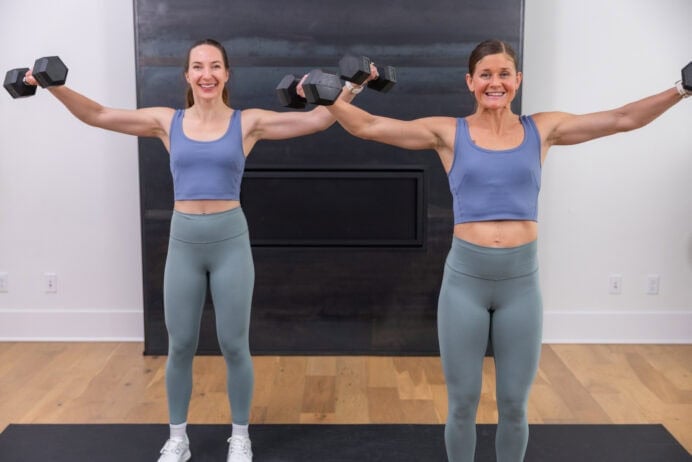
3. Lateral Raise and Half Bicep Curl
Targets: Biceps, shoulders and core.
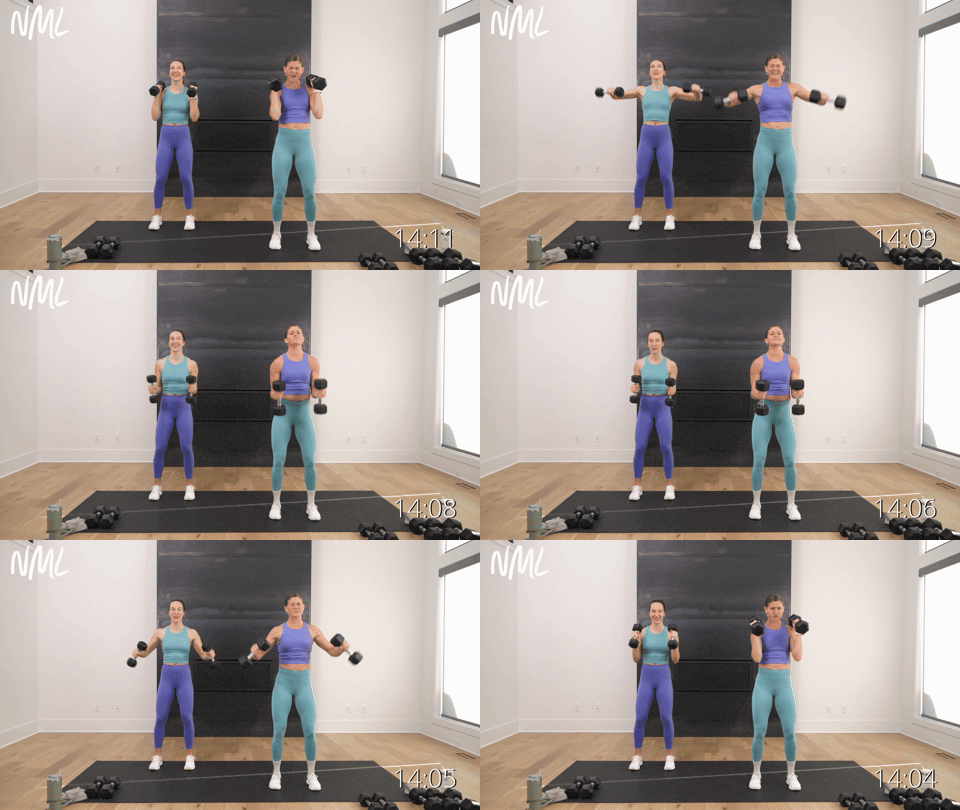
How to Do a Lateral Raise and Half Bicep Curl
- Stand with your feet under your hips, core engaged. Hold a dumbbell in each hand at your sides, palms facing in (hammer curl).
- Keeping your elbows locked by your sides, perform a lateral raise or L-fly by rotating the arms up until they are parallel with the floor (maintaining a 90-degree bend in both elbows). Arms are in line with the shoulders, and elbows remain bent at 90 degrees. Avoid pulling the shoulders up to the ears.
- With control, lower the arms down to return to the half curl isometric hold.
- Perform a half bicep curl by curling the dumbbells up to shoulder height.
- Lower the dumbbells down to the starting position with control and repeat.
4. Bicep Curls
Targets: The biceps brachii (the front of your arms or the long head of the biceps muscle).
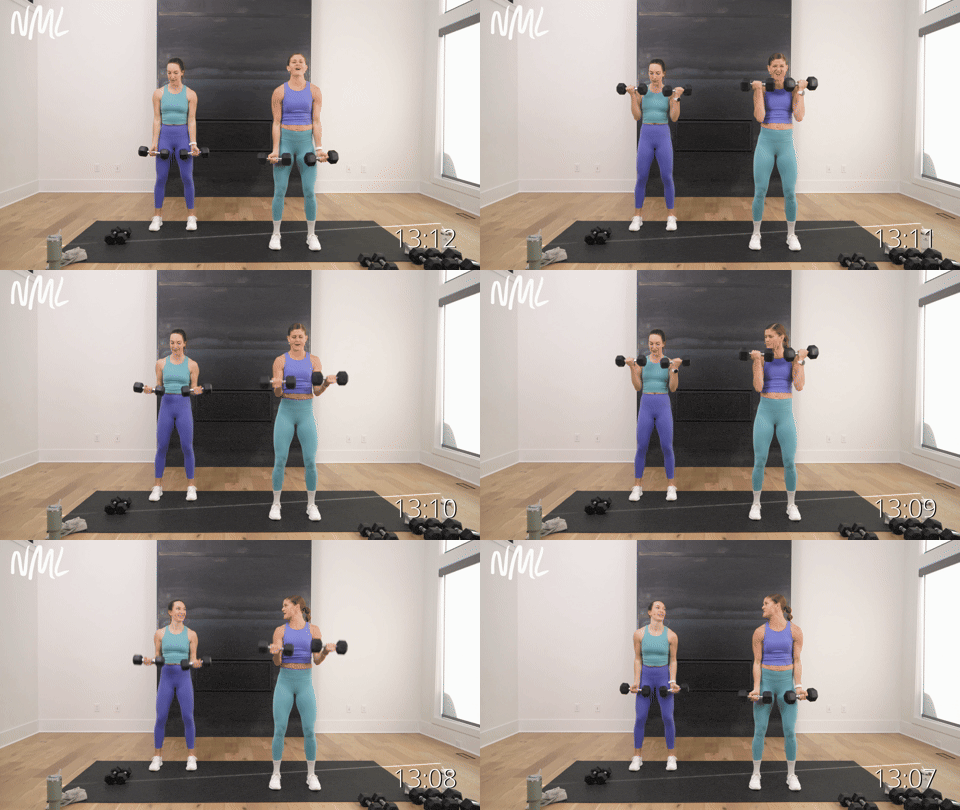
How to Do a Dumbbell Bicep Curl
- Start standing with your feet shoulder-width apart and your core engaged. Hold a dumbbell in each hand at your sides, palms facing outward (underhand grip or supinated grip).
- Exhale, squeezing the biceps muscle to curl the weights up to shoulder height. Think about keeping your elbows tucked in and your shoulder blades pulled down.
- In this variation, slowly lower the dumbbells down to your hips, maintaining a 90-degree bend in the elbows.
- Perform a half bicep curl by curling the dumbbells back up to shoulder height.
- Following the half curl, slowly lower the dumbbells down to your sides, returning to the starting position. Repeat the sequence.
5. Flip Grip Curls
Targets: The bicep muscles (front of your arm), specifically the brachialis (mid-arm) and brachioradialis (forearm).
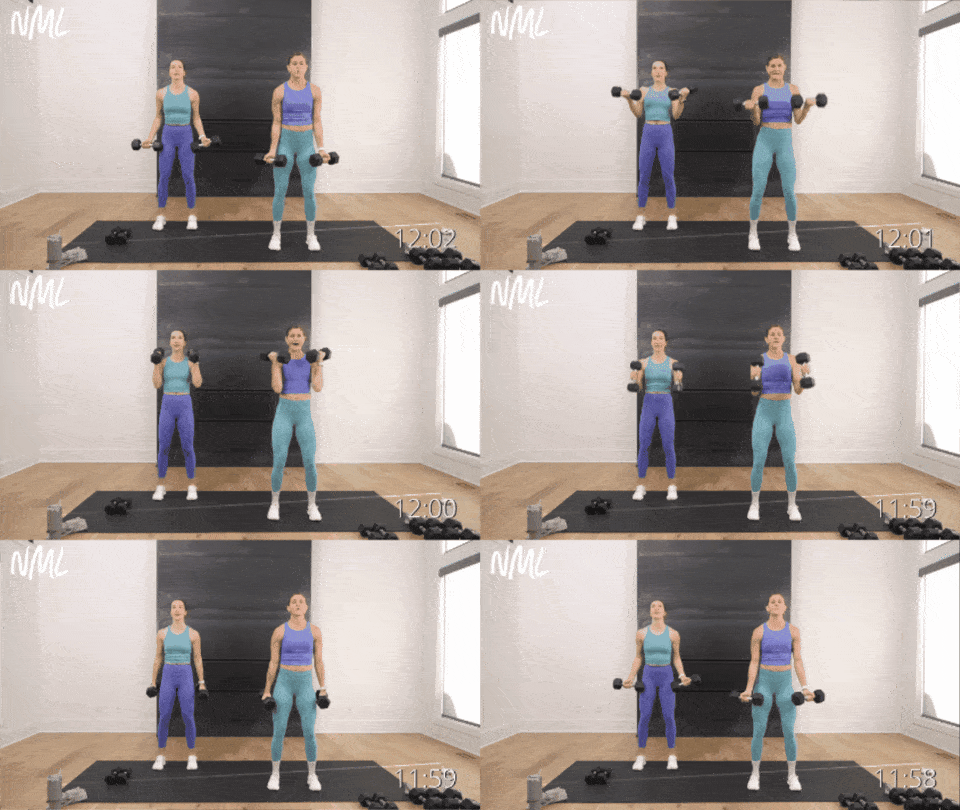
How to Do a Flip Grip Curl
- Start standing with feet hip-width apart and core engaged. Hold a dumbbell in each hand at your sides, palms facing outward (underhand grip or supine curl).
- Keeping your elbows locked by your sides, squeeze your bicep muscle to curl the weights up to shoulder height.
- At the top of the movement, rotate your hands so palms face in towards each other (hammer curl). With control, slowly lower the dumbbells down to your sides.
- At the bottom of your movement, flip your grip so palms face out again. Return to the starting position and repeat this movement.
6. Back Rows and Bicep Curls
Targets: Lats, rhomboids, rear delts, spinal erectors, biceps (especially the brachialis and brachioradialis), core and glutes.
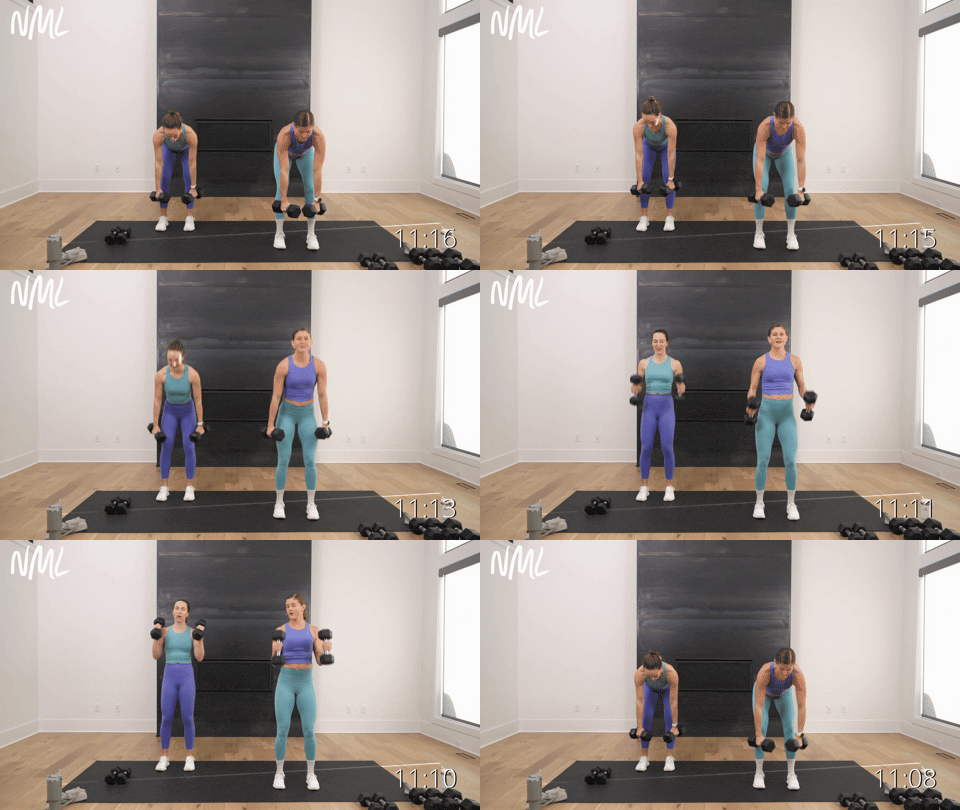
How to Do a Back Row and Bicep Curl
- Stand with your feet hip-width apart, holding a dumbbell in each hand. Push your hips back and hinge forward slightly, keeping your spine long and core engaged. Let the dumbbells hang directly beneath your shoulders, palms facing in.
- Pull both dumbbells up toward your ribcage, keeping your elbows close to your body and squeezing your shoulder blades together at the top. Lower the weights with control. Repeat for a second row.
- Stand tall by driving through your heels and re-engaging your glutes. With palms still facing in (hammer grip), curl both dumbbells up toward your shoulders, keeping your elbows tucked at your sides. Lower with control, then complete a second hammer curl.
- Continue alternating between 2 controlled back rows and 2 steady hammer curls for the duration of the interval.
7. Single, Single, Double Reverse Grip Rows
Targets: Lats, rhomboids, lower traps, rear delts, biceps and core.
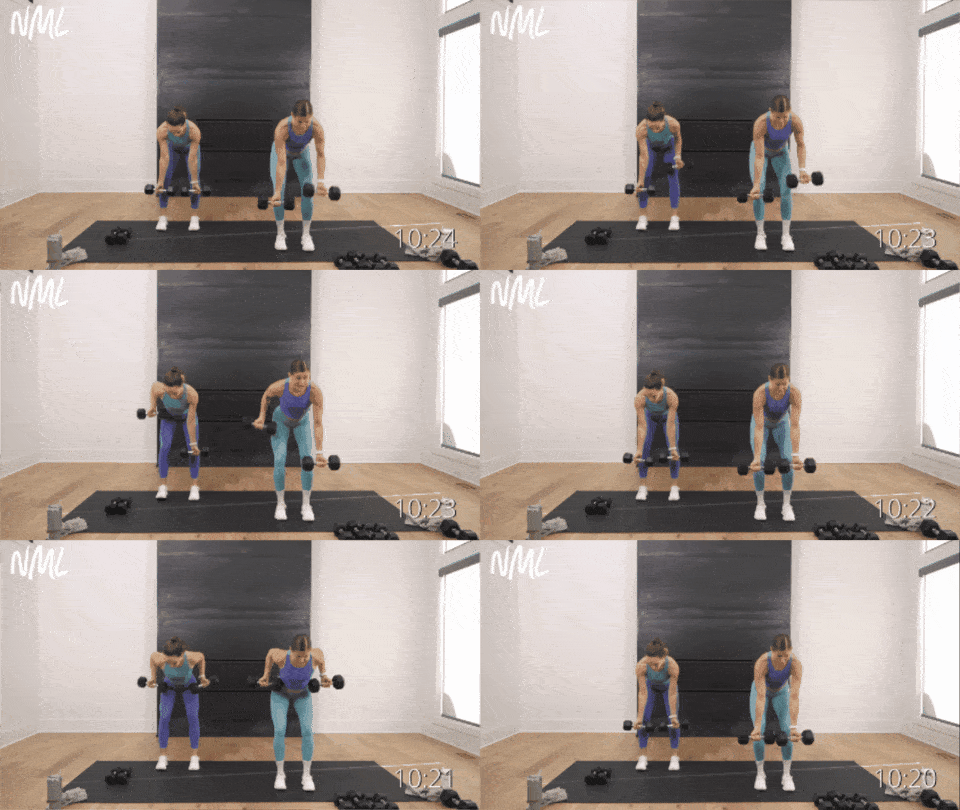
How to Do a Single, Single, Double Reverse Grip Row
- Stand with your feet hip-width apart and hinge forward slightly at the hips, keeping your spine long and core braced. Hold a dumbbell in each hand with your palms facing forward (reverse grip).
- Row the right dumbbell up toward your rib cage, keeping your elbow close to your body and squeezing your shoulder blade in. Lower with control.
- Repeat the same single-arm row on the left side, maintaining your hinge and avoiding rotation through the torso.
- Next, pull both dumbbells up at the same time for a double reverse-grip row, squeezing your shoulder blades together at the top. Lower slowly.
- Continue the pattern – right arm, left arm, then both arms – moving with control and keeping your upper body strong and stable.
8. Single Arm Back Rows
Targets: Lats, rhomboids, rear delts, biceps, core and glutes.
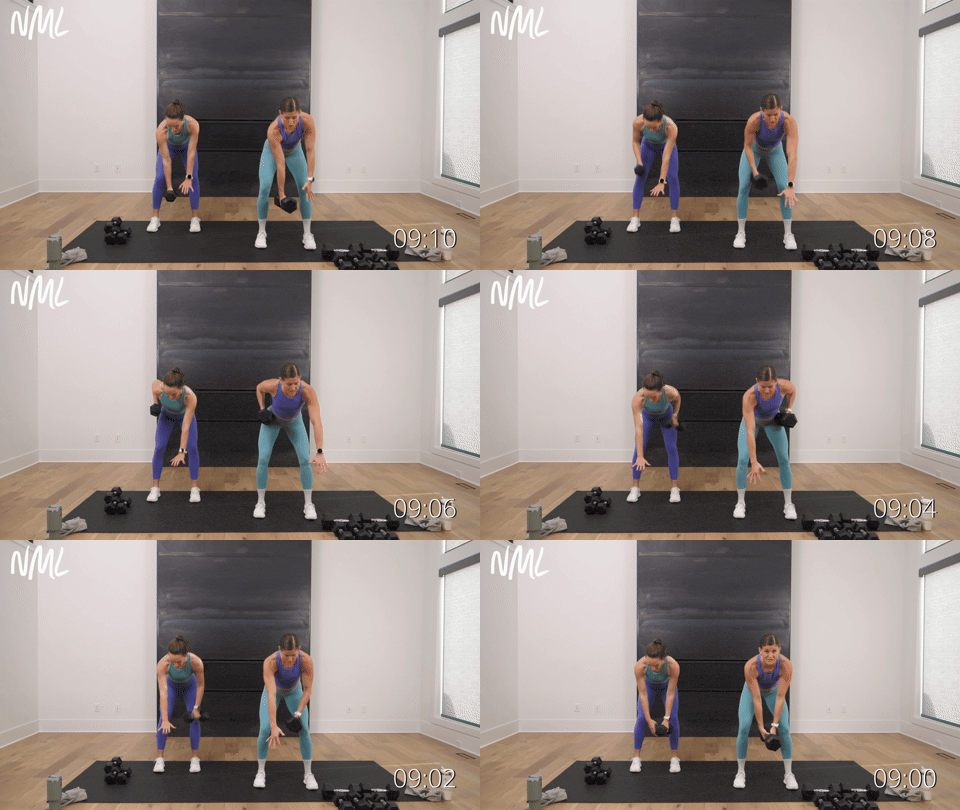
How to Do a Single Arm Back Row
- Stand with your feet hip-width apart and hinge forward slightly at the hips, keeping your spine long and core braced. Hold a dumbbell in your left hand, letting it hang directly beneath your shoulder with your palm facing in.
- Pull the dumbbell up toward your ribcage, keeping your elbow close to your body and squeezing your shoulder blade in. Lower with control, then repeat for a total of 3 rows on the left side.
- Carefully transition the dumbbell to your right hand while maintaining your hinged position. Perform 3 controlled rows on the right side, focusing on keeping your torso square and avoiding rotation as you pull.
- Continue alternating sets of 3 rows per arm for the duration of the interval.
9. Back Fly and Straight Arm Pullback
Targets: Rear delts, rhomboids, upper back, lats, triceps and core.
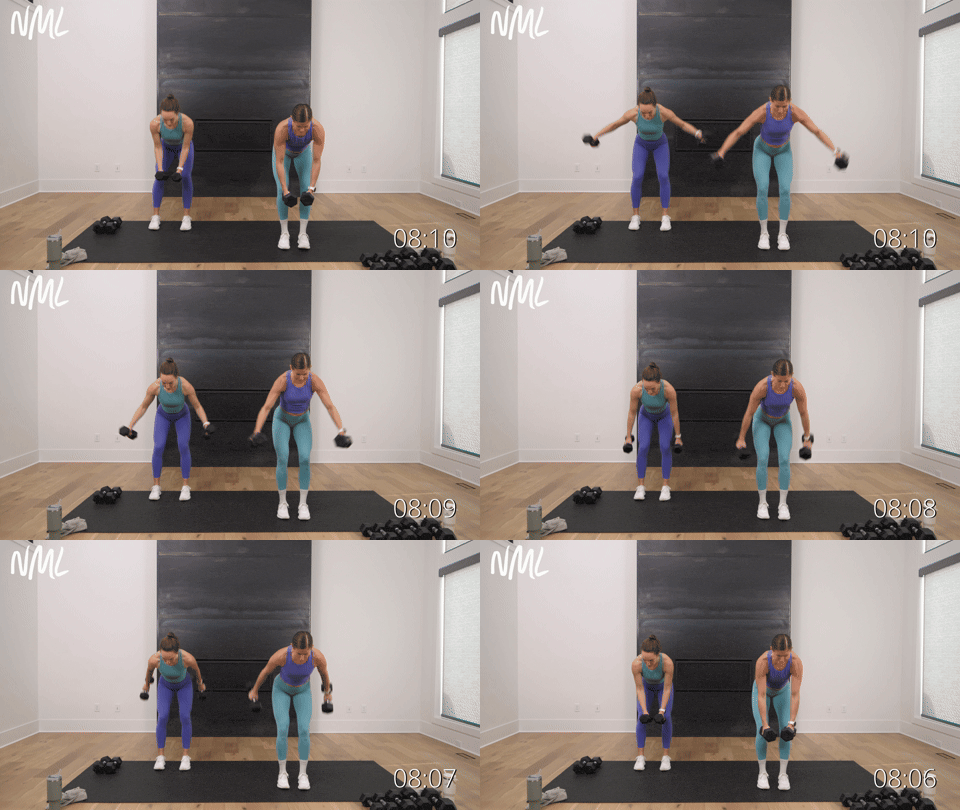
How to Do a Back Fly and Straight Arm Pullback
- Stand with your feet hip-width apart and hinge forward slightly at the hips, keeping your spine long and your core engaged. Hold a dumbbell in each hand with your arms hanging down and palms facing in.
- For the back fly, with a slight bend in your elbows, lift both arms out to the sides until they’re in line with your shoulders, squeezing your shoulder blades together at the top. Lower with control.
- Next, move into the straight-arm pullback: keeping your arms long with elbows softly bent, pull both dumbbells back behind your hips as if you’re trying to “sweep” them past your sides. Focus on initiating the movement from your upper back and lats rather than swinging.
- Lower the weights with control and continue alternating between one back fly and one straight-arm pullback.
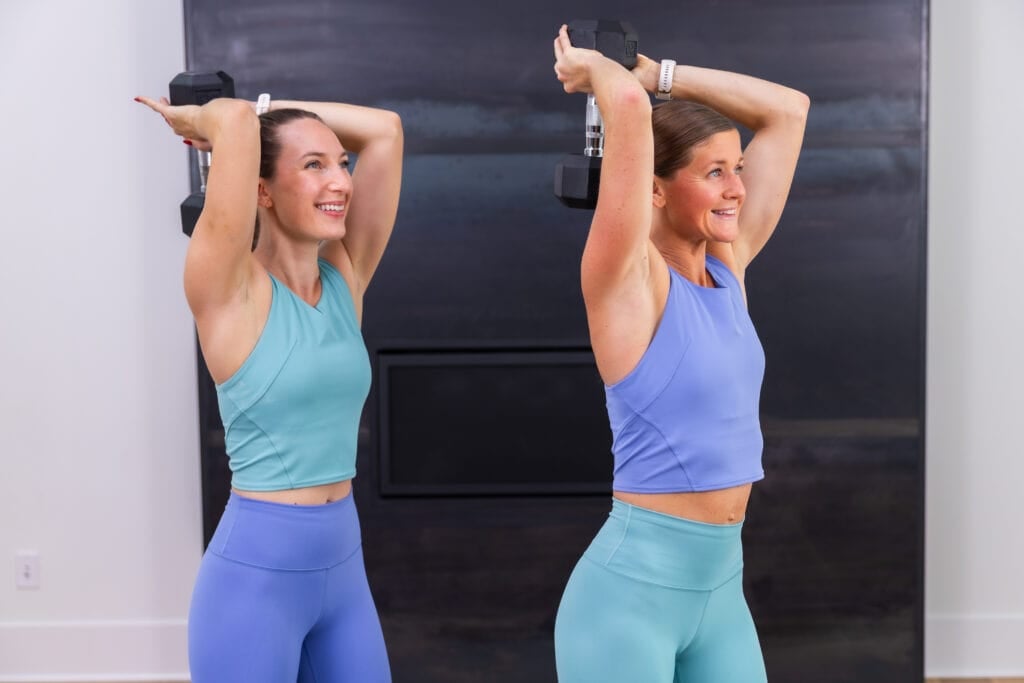
10. Overhead Tricep Extensions
Targets: The long head of the triceps and all the stabilizing muscles in the shoulders, core, glutes and lower back muscles.
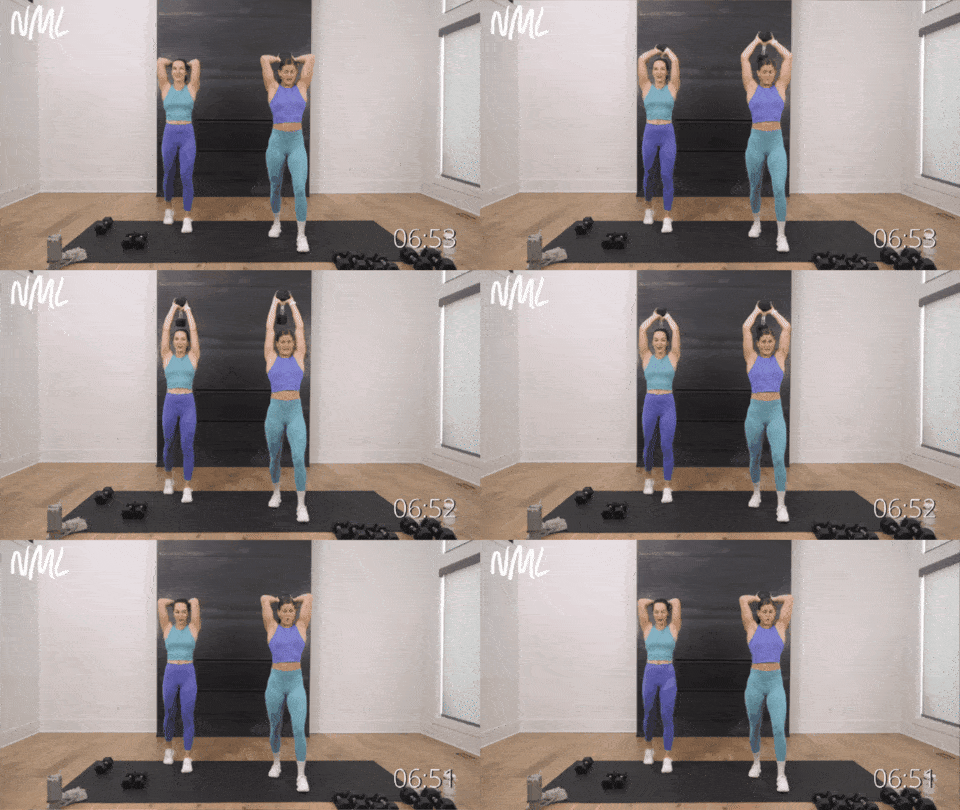
How to Do an Overhead Tricep Extension
- Stand with feet hip-distance apart, core engaged and a soft bend in your knees.
- Hold 1 dumbbell vertically overhead. Activate your core by squeezing your glutes and abs to protect your lower back.
- Bend your elbows to a 90-degree angle, bringing the dumbbell behind your head. Think ‘hide the dumbbell, show the dumbbell’ if you were watching yourself in a mirror. Keep your elbows close to your ears throughout the entire movement (don’t let your elbows flare out as you fatigue).
- Squeeze through the back of your upper arm to straighten the elbows, extending the arms and pressing the dumbbell overhead.
11. Alternating Tricep Kickbacks
Targets: Triceps, rear delts, lats and core.
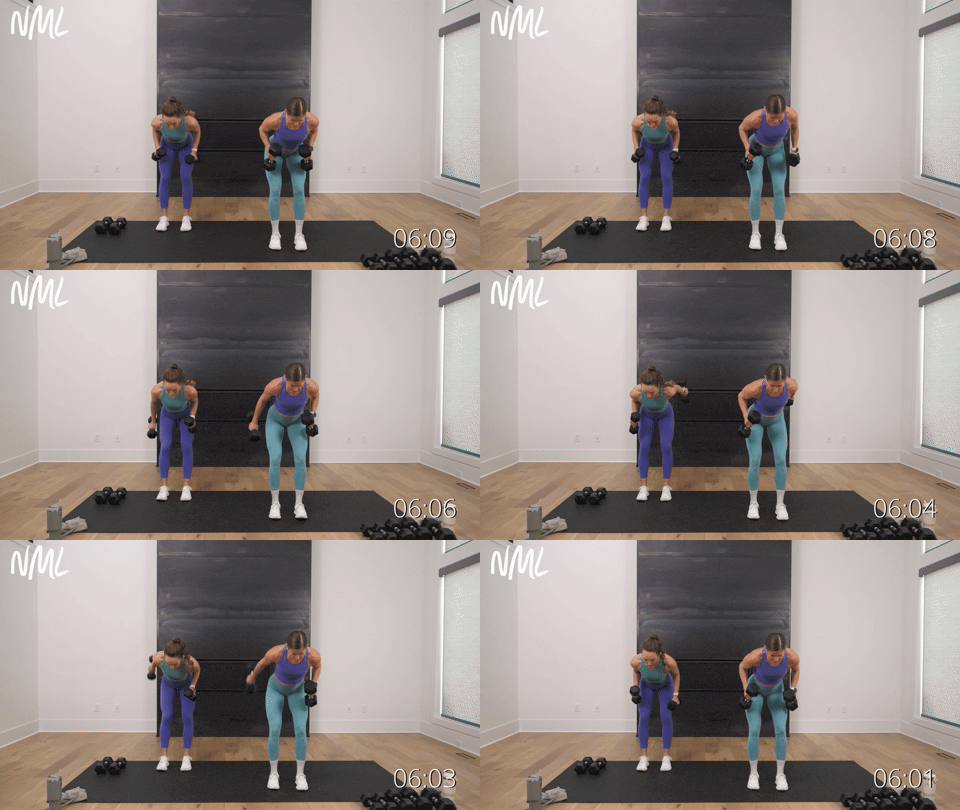
How to Do an Alternating Tricep Kickback
- Stand with your feet hip-width apart and hinge forward slightly at the hips, keeping your spine long and core braced. Hold a dumbbell in each hand with your elbows bent and pulled in close to your ribcage.
- Extend your right arm straight back by squeezing your tricep, keeping your elbow high and stationary. Fully straighten the arm without swinging, then lower the dumbbell back to the starting position with control.
- Repeat on the left side, extending the arm back and squeezing the tricep before lowering with control.
- Continue alternating arms, maintaining your hinge and avoiding any rotation through your shoulders or torso.
12. Alternating Standing Chest Fly
Targets: Chest muscles, both the larger pectoralis major and the smaller pectoralis minor.
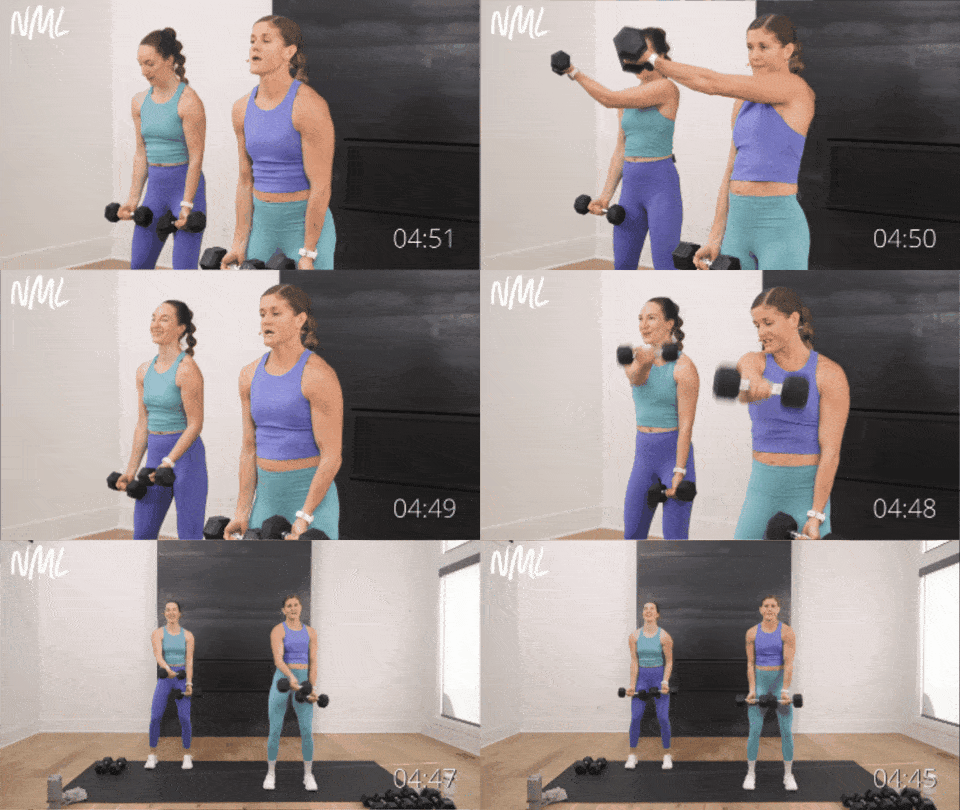
How to Do an Alternating Standing Chest Fly
- Stand with your feet hip-width apart, knees slightly bent. Hold 1 dumbbell in each hand at your sides; palms face out away from the body (underhand grip). Shoulder blades pulled down towards your hips.
- Squeeze your chest as you lift your right hand across your body, bringing the dumbbell in your right hand parallel to your left shoulder. Think “right pinky finger to left shoulder.” Palm faces up towards the ceiling.
- Keep a soft bend in your elbow as you lower the dumbbell back to the starting position with control.
13. Halo and Lateral Dumbbell Press Out
Targets: Shoulders, upper back, chest and core.
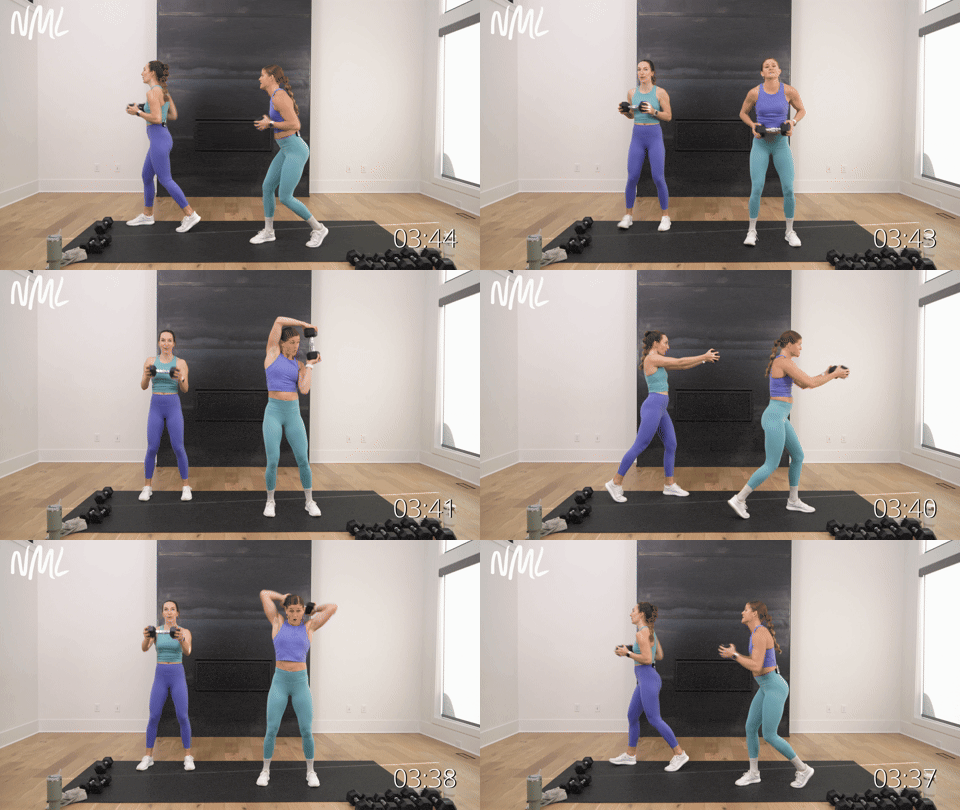
How to Do a Halo and Lateral Dumbbell Press Out
- Stand with your feet hip-width apart, core engaged and shoulders stacked over your hips. Hold 1 dumbbell horizontally between your hands at your right hip.
- Brace your core tight as you pull the dumbbell in a smooth motion from your right hip to your left shoulder and then behind and around your head, before bringing it down to chest height.
- Next, move into the lateral press out: pivot your toes to the left as you hold the dumbbell at chest height with both hands, then press it straight out in front of you. Bring the weight back to center with control.
- Pivot your toes back to center and repeat the dumbbell halo, this time bringing the dumbbell from left hip to right shoulder and then behind and around your head.
- Alternate the press out, pivoting your toes to the right as you press the dumbbell out to that side.
14. Dumbbell Punches
Targets: Shoulders, back, biceps and triceps.
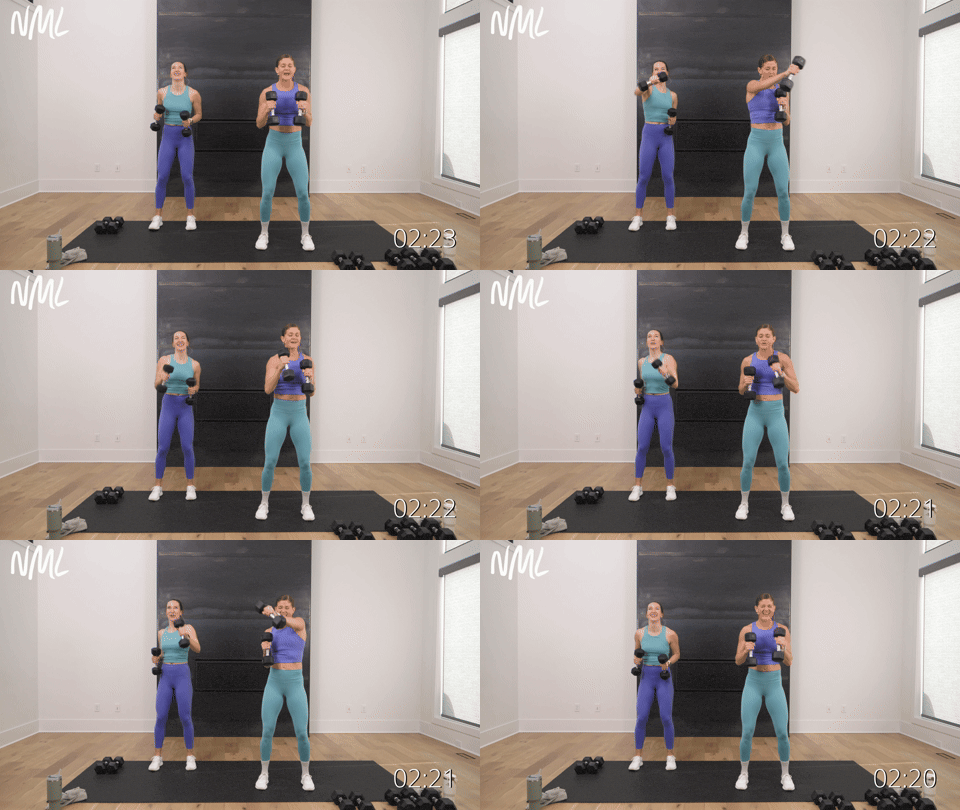
How to Do a Dumbbell Punch
- Start standing with your feet hip-distance apart, holding a dumbbell in each hand, elbows bent at 90 degrees and palms facing in towards each other (hammer grip)
- Alternate punching each dumbbell forward a few inches, then returning to the center. The farther you press the weights away from your body, the harder this exercise becomes.
FAQs
What can I use instead of a bench for an upper-body dumbbell workout?
You can use a sturdy chair, ottoman, step or even the floor as a substitute for a bench. Many upper-body exercises (like bent-over rows and shoulder presses) can be done standing or seated.
Which dumbbell exercises are best for building arm muscle?
Foundational exercises like bicep curls, hammer curls, tricep kickbacks, overhead tricep extensions and chest presses are effective for building arm strength and definition. Including both pushing and pulling exercises ensures a balanced arm workout. As you become more advanced, add bodyweight exercises like push-ups and pull-ups to your routine, as these target all of the major upper-body muscle groups.
How can beginners progress with an upper-body dumbbell routine?
Beginners can progress an upper-body dumbbell routine by gradually increasing weight, adding an extra set, slowing down the tempo or choosing more challenging variations of simple exercises. Consistency and small increases in difficulty help build strength safely over time. Be sure to warm up and cool down to prevent injury, especially as you aim to increase weights.
What is the most effective upper-body workout?
The most effective upper-body routine targets all major upper-body muscle groups (the chest, back, shoulders, biceps and triceps) through a mix of pushing and pulling exercises. Workouts that include compound exercises (like rows and presses) paired with targeted isolation work typically deliver the best strength and muscle-building results.
What is the 4-2-1 dumbbell method?
The 4-2-1 method is a tempo-training technique where you spend 4 seconds on the lowering phase, pause for 2 seconds at the bottom and lift for 1 second. This slow, controlled pacing increases time under tension and makes even lighter weights feel more challenging.
Free 2-Week Strength Program
More Workouts
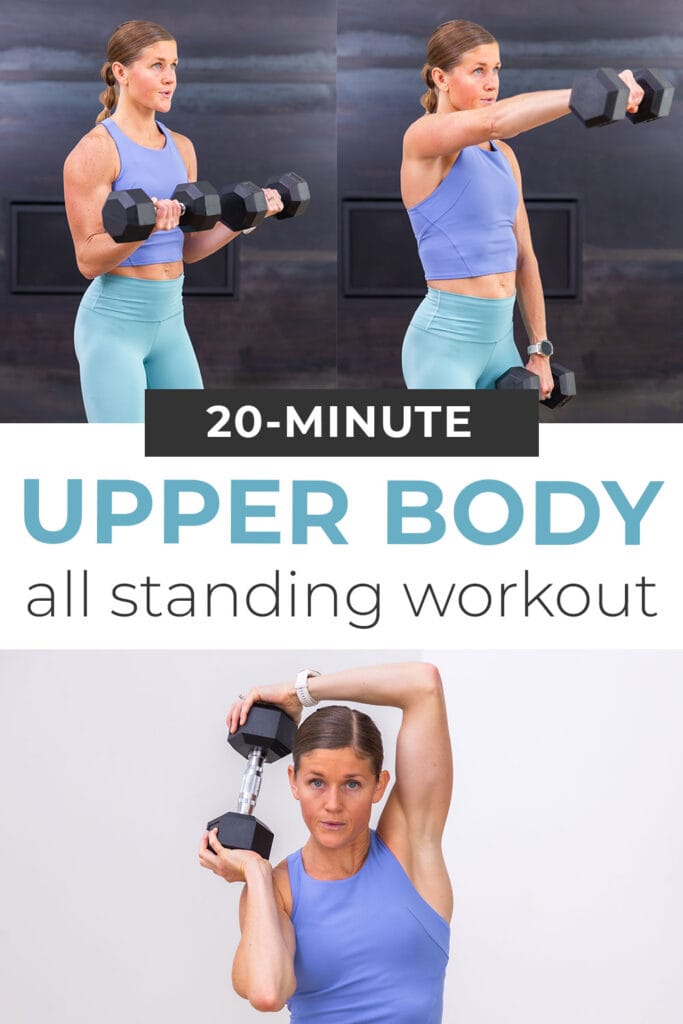
Upper-BodyPin This Upper-Body Workout With Dumbbells (20-Minutes)
no comments