





35-Minute Strength Building Workout
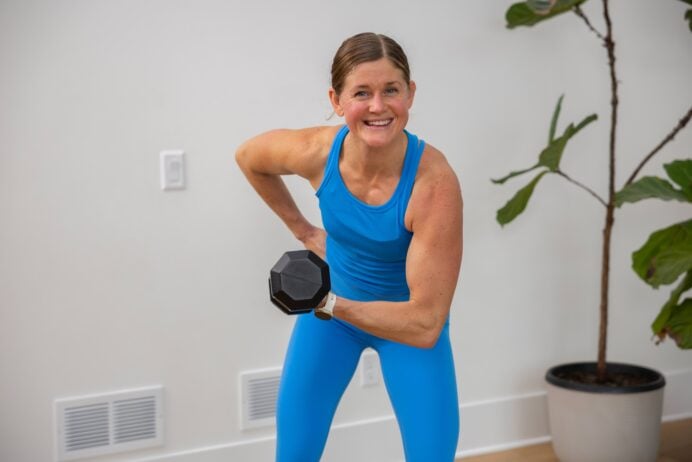
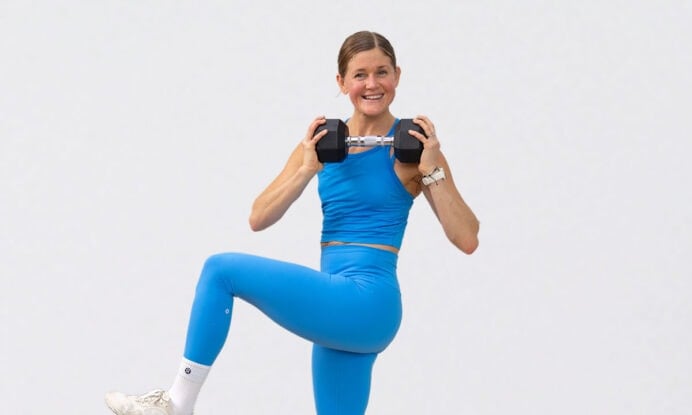
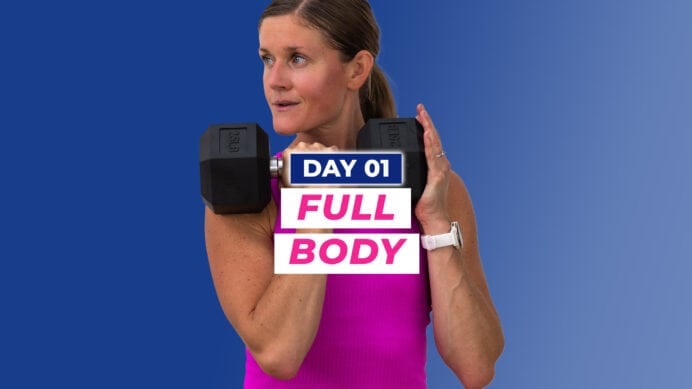
This 35-minute full-body strength workout combines 7 compound exercises to build muscle, improve functional strength and increase muscular endurance. From squats and lunges to deadlifts, rows and presses, these strength-building exercises target the major muscle groups while challenging balance, coordination and core stability.
I’m a huge advocate for strength training, especially as I get closer to 40. Building and maintaining muscle is one of my biggest fitness goals, and compound exercises are one of my favorite ways to train because they mimic the movements I use in everyday life.
I built this workout around functional strength, using exercises that challenge multiple muscle groups at once while moving through different planes of motion. The goal isn’t just to lift heavier weights. For women especially, it’s to build the strength, stability and confidence to move well in the gym and in everyday life.
MEMBER SPOTLIGHT
MEET LINDSAY + LESLEY!
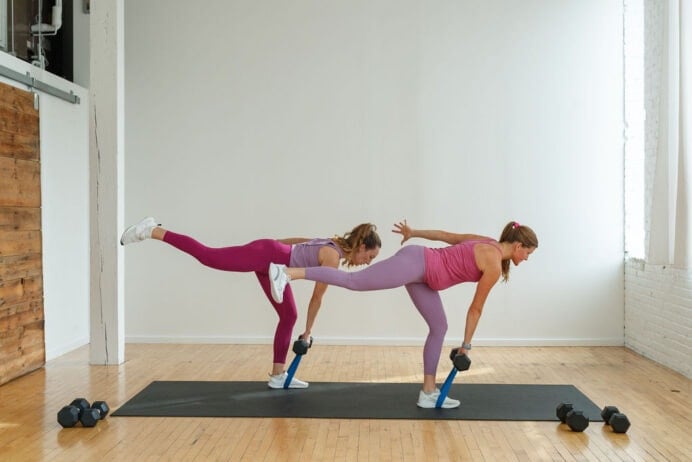
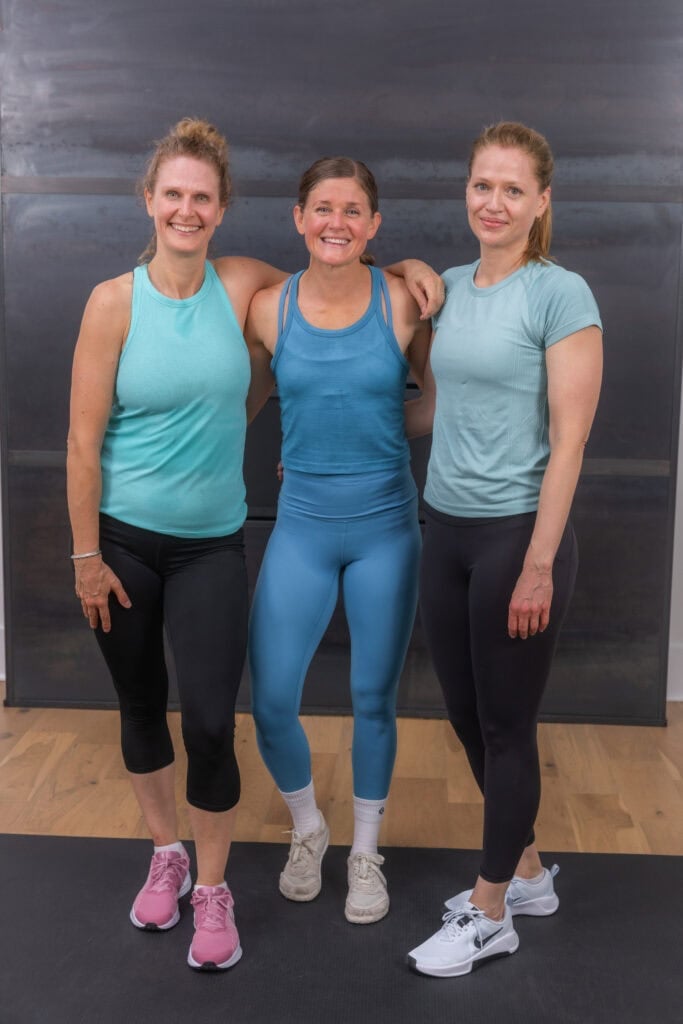
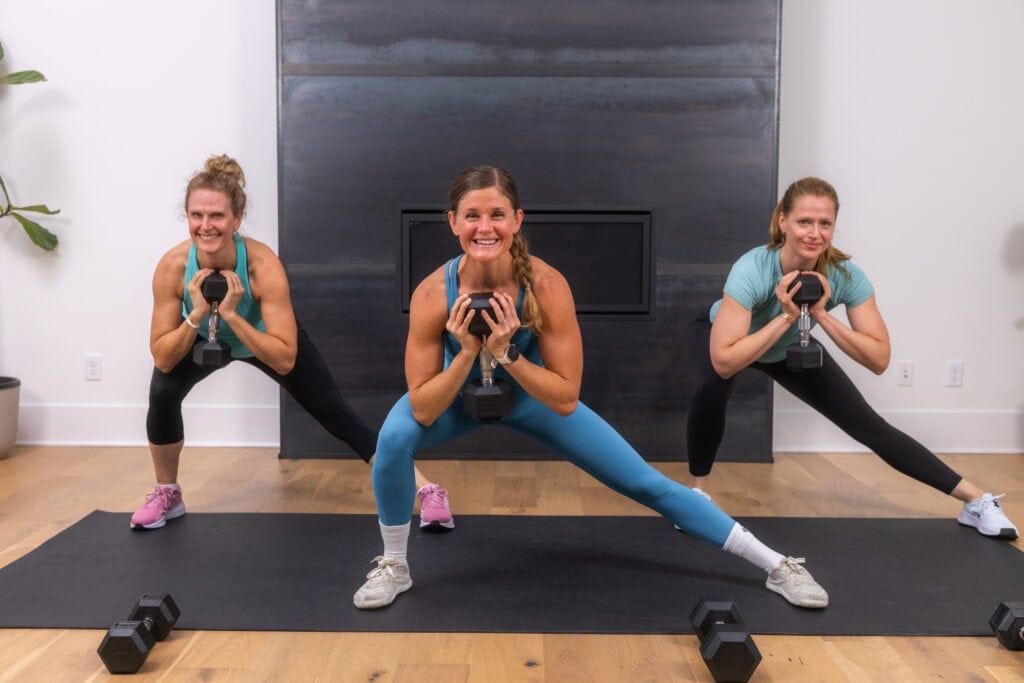
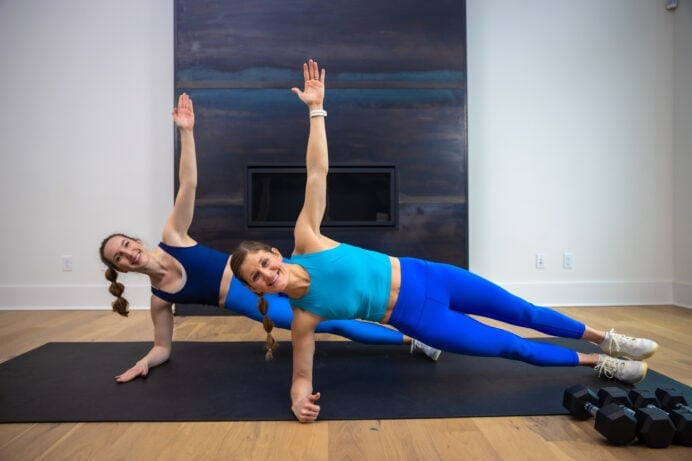
Today’s workout features two special community members – Lindsay and Lesley! These long-distance friends have been sweating with NML for years!
For more exclusive workout challenges, live workouts, nutrition chats, and direct support from our team, train inside the NML App.
Start Today
For more exclusive workout challenges, live workouts, nutrition chats, and direct support from our team, train inside the NML App.
Read A 5-Star Review ⭐⭐⭐⭐⭐
“Feeling GREAT after that one! Reached for my 20s on skull crushers and did all three sets!!! Thank you for always pushing us to be just 1% better… love when I pleasantly surprise myself with strength gains!”
— Marietta S.
Equipment and Instructions
Equipment Needed: Medium to Heavy Set of Dumbbells. I recommend between 5-25 lbs, depending on your fitness level. (I’m using 20-30 lb dumbbells.)
Implementing this workout into your routine: I suggest adding this full-body strength workout to your routine 1-2 times per week as part of a balanced training program. Try to get 3-4 total strength-training sessions weekly to build muscle and support long-term fitness.
Your workout looks like this:
- 7 full-body exercises: Complete each exercise for 40 seconds.
- Timed intervals: Rest for 20 seconds between exercises.
- 3 rounds: Repeat all 7 exercises for 3 total sets.
- Ab burnout: Finish with an ab-focused burnout.
Note: If you’re pregnant, postpartum, returning to exercise or working around an injury or health condition, talk with your healthcare provider before beginning a new workout program. Choose modifications that feel appropriate for your body and stop exercising if you experience pain.
Want to follow along with me? Watch me as I lead you through this 35-minute full-body strength workout on YouTube, no gym membership required.
Workout Outline
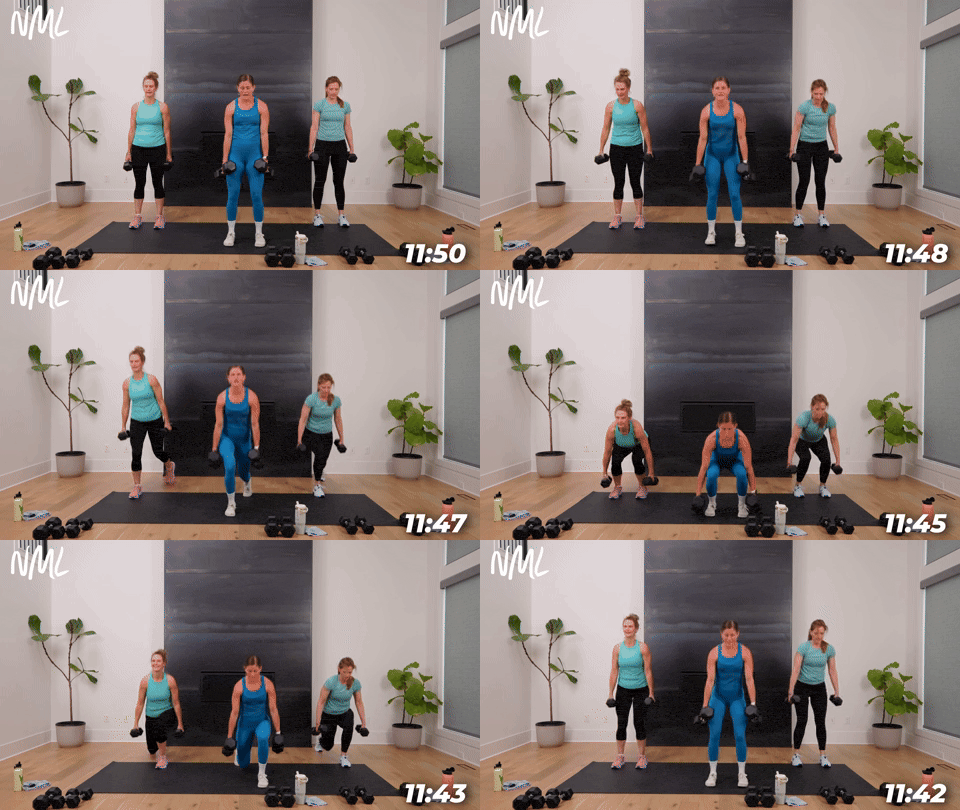
1. Squat and Lunge
Targets: Glutes, quadriceps, hamstrings, hips and core.
How to Do a Squat and Lunge
- Start standing with your feet shoulder-width apart and knees slightly bent, holding a pair of dumbbells at your sides.
- Lower down into a squat position, bringing your hips down parallel with your knees. Drive your knees out toward your outer toes.
- Drive through your heels to stand tall, returning to a standing position.
- Step your right foot back into a reverse lunge. Lower your right knee towards the mat, aiming for 90-degree angles in both knees.
- Hold for a moment, then drive through your front, left heel to return to standing.
- Repeat the dumbbell squat, then alternate the lunge, this time stepping your left foot back into a reverse lunge.
Modification(s): If squats and lunges are uncomfortable, check out these alternative exercises for both.
2. Shoulder Press
Targets: Shoulders, triceps, rear delts and upper back muscles.
How to Do a Shoulder Press
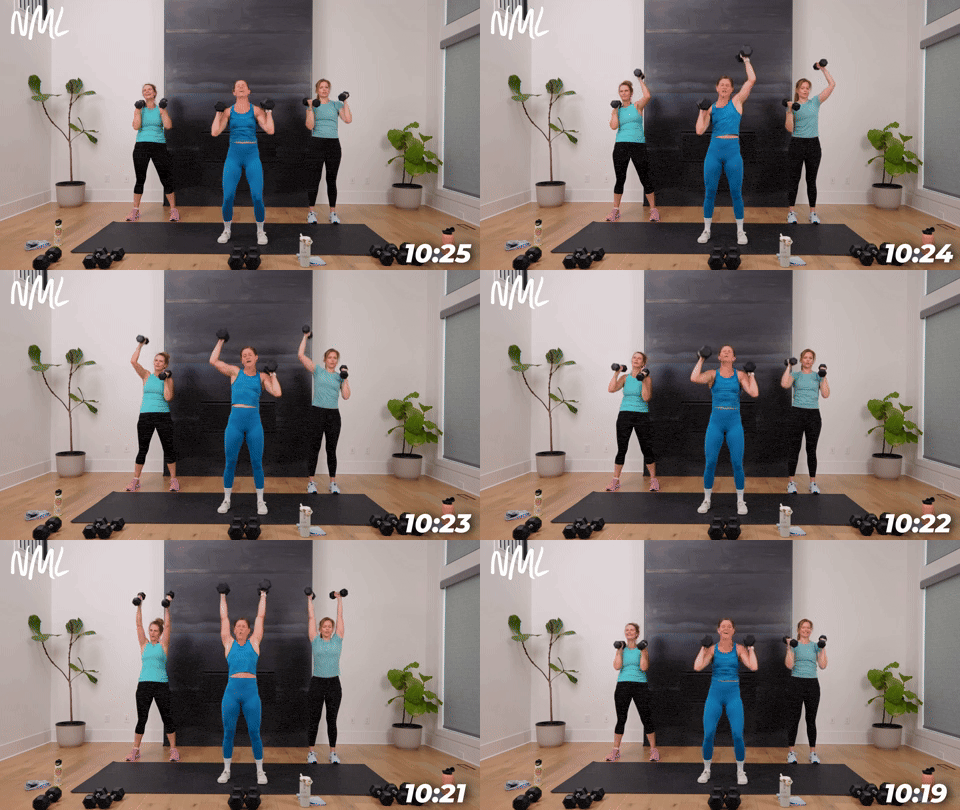
- Stand with your feet shoulder-width apart and knees slightly bent. Hold a pair of dumbbells at shoulder height with palms facing each other in a neutral grip. Keep the shoulder blades pulled back and down.
- Engage your core, slightly tucking your pelvis to protect your lower back. Press the right dumbbell overhead until the arm is fully extended.
- Lower the dumbbell back to shoulder height.
- Press the left dumbbell overhead until the arm is fully extended, then lower it back to shoulder height.
- Finally, press both dumbbells overhead, fully extending the arms with the biceps near the ears.
- Lower both dumbbells back to shoulder height and repeat.
3. Staggered Deadlift
Targets: Legs, glutes, hamstrings, hips, lower back and core.
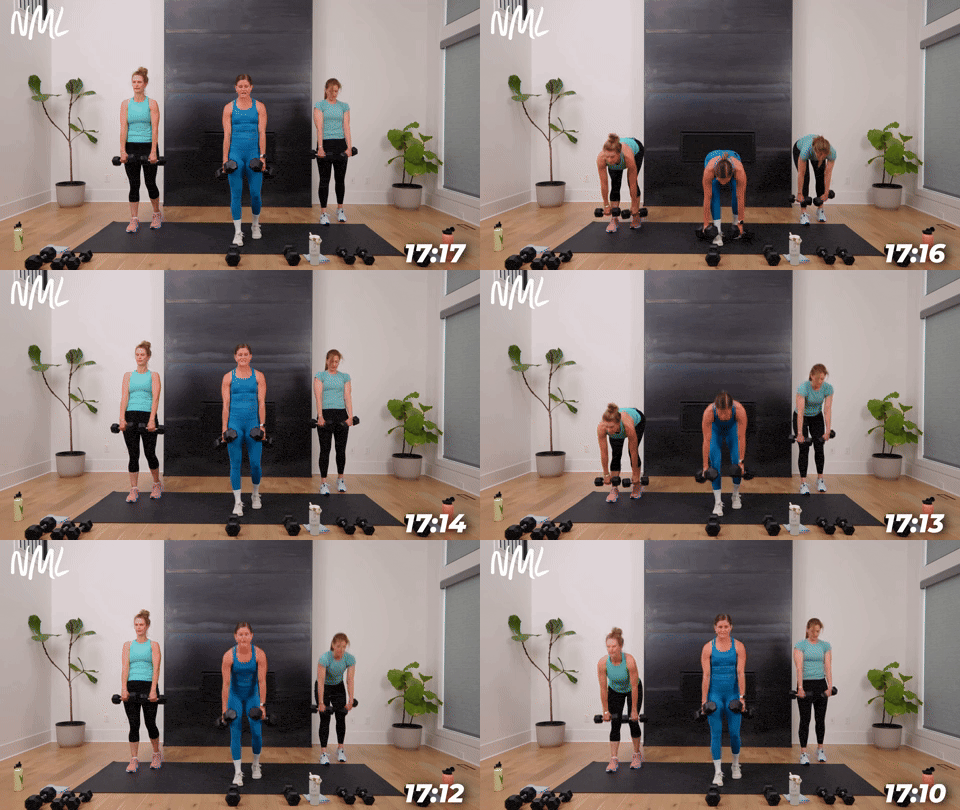
How to Do a Staggered Deadlift
- Stand with your feet hip-width apart, knees slightly bent. Hold a pair of dumbbells at your hips, palms facing in towards your body.
- Stagger your feet so your left leg is slightly in front of your right foot. Kickstand your back right foot, right heel floating off the ground. Keep about 80% of your weight in your front foot, 20% in your back right toes.
- Maintain a staggered stance as you hinge at the hips. Push your hips back towards the wall behind you as you glide the dumbbells down the front of your legs. Keep your core tight and engaged.
- Drive through your front left heel to push your hips forward, pulling the dumbbells back up towards your hips as you stand tall.
4. Single-Arm Back Row
Targets: Lats, biceps and core.
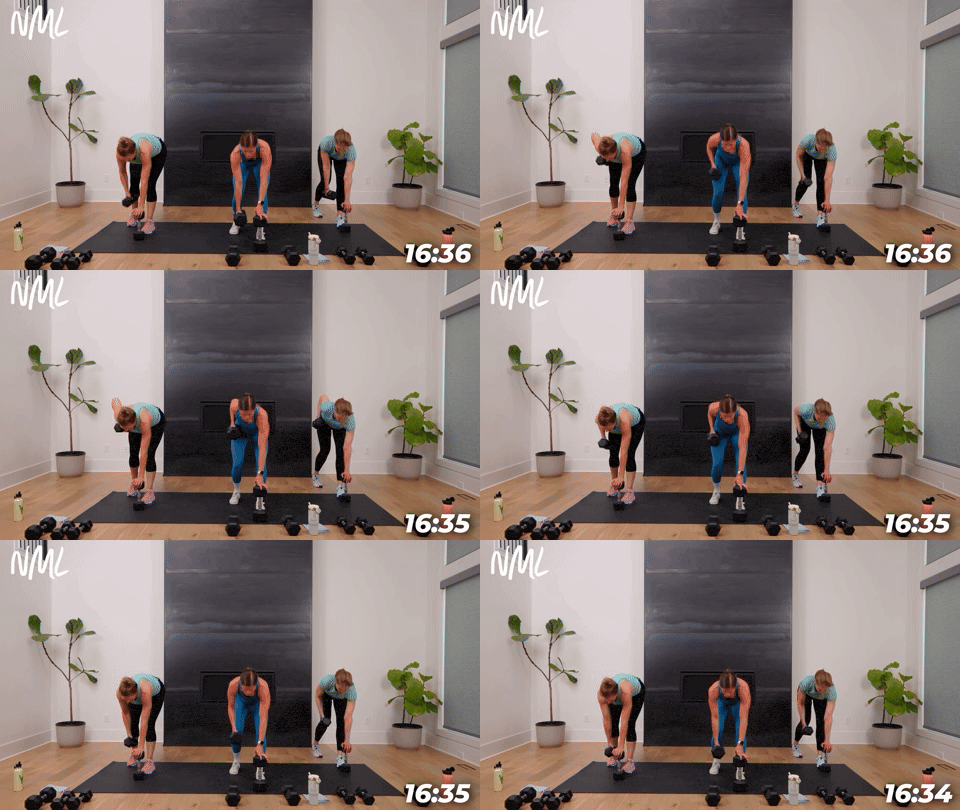
How to Do a Single-Arm Back Row
- Stand with your feet shoulder-width apart. Hold one dumbbell in your left hand, palm facing your midline. Place your right dumbbell on the ground in front of you, resting your right fingertips gently on the head of the dumbbell.
- Stand with feet shoulder-width apart. Hold 1 dumbbell in your left hand with your palm facing your midline. Place the right dumbbell on the floor in front of you and rest your right fingertips lightly on the dumbbell for support.
- Hinge at the hips until your torso is parallel to the floor (neck in line with your spine, flat back, belly pulled in).
- Hold this position as you perform a single-arm row on the left side. Pull the dumbbell in your left hand back towards your left hip, squeezing your back muscles as you perform the movement.
- Control the dumbbell back down to the starting position and repeat.
5. Lateral Squat
Targets: Gluteus medius, quads, inner thighs (or hip adductors), hamstrings and calves.
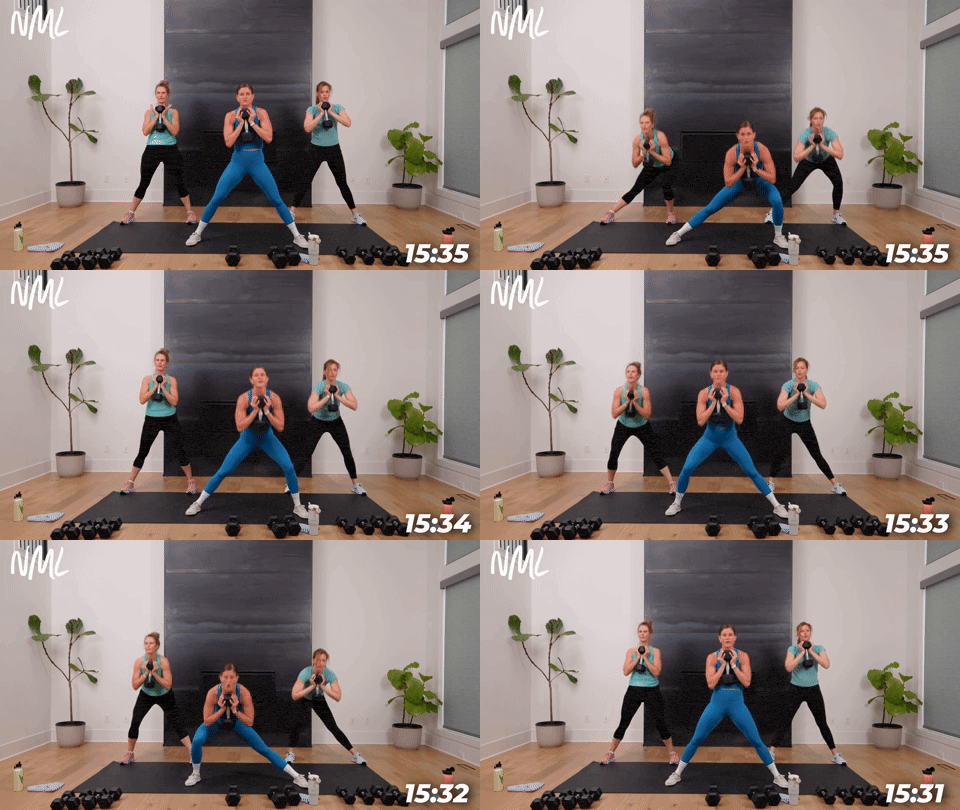
How to Do a Lateral Squat
- Start with your feet wider than your hips (think a wide squat stance). Your knees and toes are either pointing forward or your toes are just slightly turned out away from your body. Hold one dumbbell at your chest in a goblet squat hold.
- Shift your weight into your left heel as you push your hips back, bending your left knee while leaving your right leg straight. Think of performing a single-leg squat with your left leg while your right leg remains straight.
- Drive through your left foot to reverse the movement, pushing you back to center.
- Repeat, this time shifting your weight into your right heel as you push your hips back, bending your right knee while leaving your left leg straight.
6. Single-Leg Glute Bridge and Skull Crushers
Targets: Legs, glutes, hamstrings, inner thighs, triceps and core.
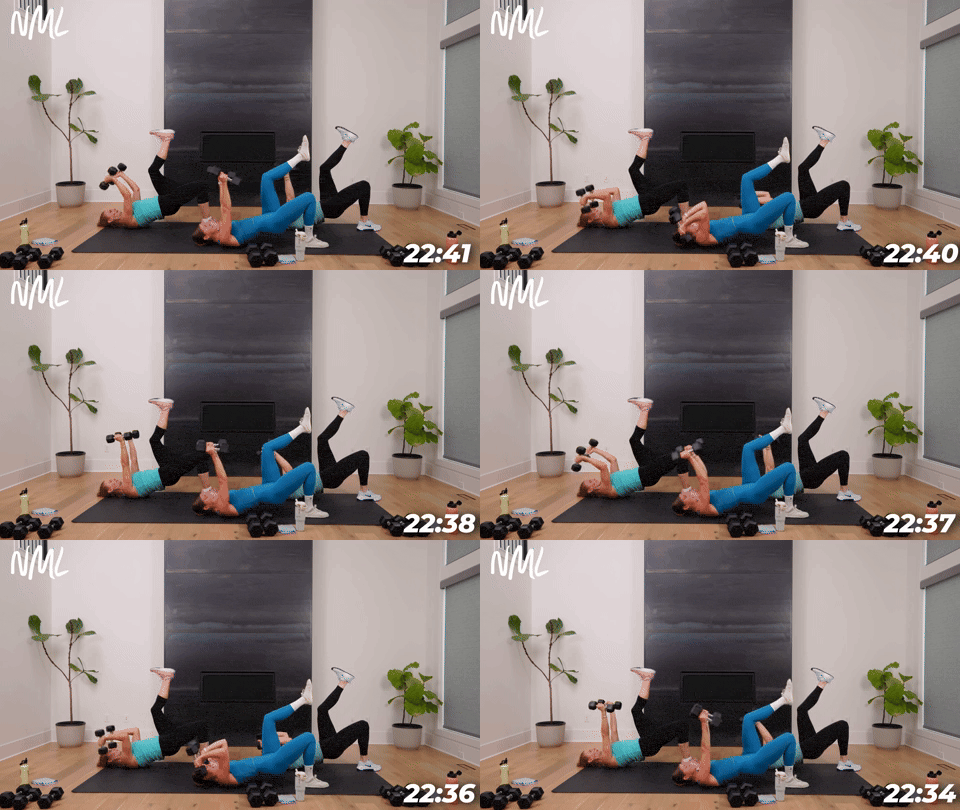
How to Do a Single-Leg Glute Bridge and Skull Crusher
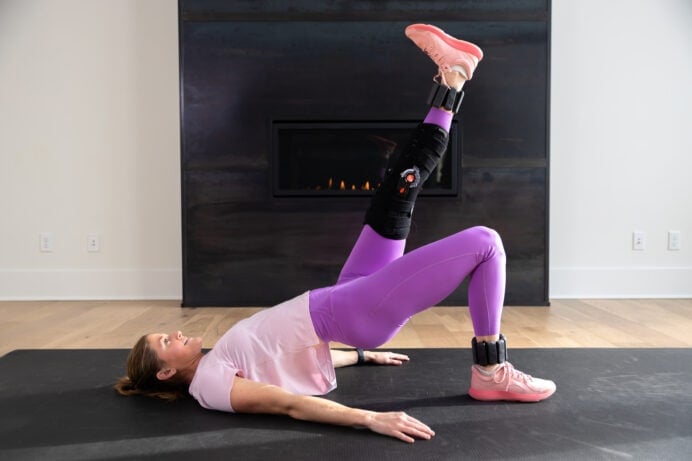
- Start lying on your back, right foot planted flat on the ground, left foot extended overhead. Hold a pair of dumbbells in your hands, wrists stacked over your shoulders, palms facing in towards each other.
- Press through your heel to lift your glutes off the mat, squeezing your glutes as you lift. Think about keeping your core engaged and knees in line with your hips. Hold this single-leg glute bridge.
- Bend at the elbows to slowly lower the dumbbell towards your head, performing a skull crusher.
- Then, squeeze the back of your arm to straighten your elbows, pressing the dumbbells back overhead.
- Slowly lower your hips towards the mat, hovering an inch above the ground, returning to the starting position.
Modification: Perform a standard double-leg glute bridge rather than a single-leg glute bridge. For more lower-body moves, check out these leg workout exercises.
7. Dumbbell Burpee With Stack on Push-Ups
Targets: Legs, glutes, hamstrings, hips, calves, chest, triceps, shoulders and core.
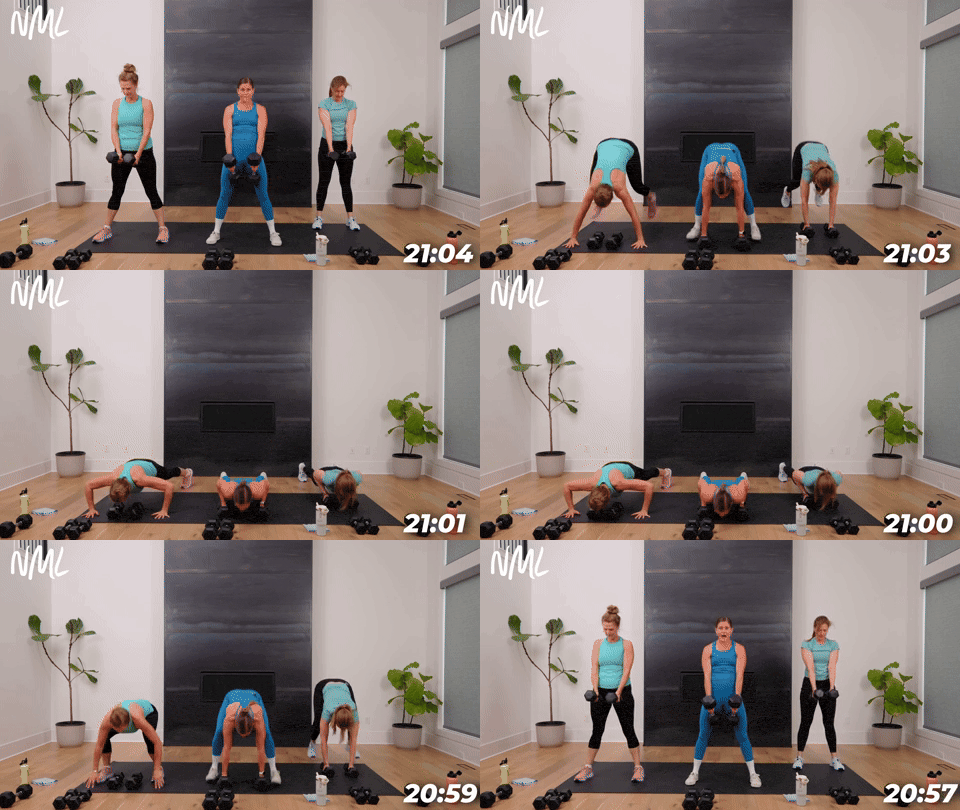
How to Do a Dumbbell Burpee With Stack on Push-Ups
- Stand with feet hip-distance apart or a little wider. Hold a dumbbell in each hand in front of your hips.
- Engage your core and lower your hips down to the bottom of a squat as you place the dumbbells on the ground between your feet.
- Step or jump both feet back to a high plank position. Make a straight line with your body from head to feet.
- Perform a controlled push-up, lowering your chest toward the ground as your elbows track back close to your body.
- Pause for a moment, then in one explosive movement, jump both feet forward and land in a low squat just outside your dumbbells.
- Explosively stand up, pulling the dumbbells up the front of your legs as you return to the starting position.
- Note that in this variation, we will “stack-on” the number of push-ups we perform. Start with 1 push-up, then perform 2, then 3 and so on.
Modification: Push-ups are an extremely effective bodyweight exercise to build strength. If you can’t do them on your toes, you can substitute one of these push-up modifications or start a push-up progression plan. If push-ups hurt your wrists, substitute one of these exercises for wrist pain.
FAQs
How often should women strength train for the best results?
I recommend 3-4 strength training sessions per week, allowing enough recovery between workouts. A 20-minute strength workout (plus a quick warm-up) can still be effective when the workout is focused and consistent. The goal isn’t to hit a specific number of minutes but to prioritize quality movement, progressive overload and consistency over time.
The 3-3-3 rule is one approach to structuring a strength training program, typically referring to 3 workouts per week, 3 exercises per workout and 3 sets of each exercise. Depending on the workout, reps, sets and rest periods can be adjusted based on individual goals and fitness level.
Yoga, Pilates or cardio can also complement a strength-training routine and add variety to weekly movement and full-body workouts. For more on choosing the right training approach, read my guide to hypertrophy vs. strength training.
What are the benefits of strength training for women?
A consistent strength training program helps women build and maintain muscle, support bone density, improve mobility and balance and maintain strength as the body ages. Resistance training is also an important tool for supporting bone health and reducing the risk of osteoporosis, especially during and after menopause.
Can women over 50 build muscle with strength training?
Absolutely. As a certified personal trainer, I know women can build muscle at any age with consistent resistance training, adequate recovery and progressive overload. Strength training becomes extra important during and after menopause as changes in hormones can contribute to muscle and bone loss. For more guidance, check out my workout plan for women over 50.
What are compound exercises?
Compound exercises are movements that work multiple muscle groups and joints at the same time. Squats, deadlifts, chest presses, incline push-ups, bent-over rows and lunges are all examples of compound exercises that efficiently build full-body strength.
Weightlifting with dumbbells, barbells, kettlebells or using resistance bands can add challenge to these movements. Exercises like bicep curls, tricep extensions and lateral raises are isolation movements that can complement a compound workout.
Does cardio help with toning up?
Cardio can support overall fitness and weight loss, but strength training is key for building and maintaining the muscle mass that creates a more defined appearance. A balanced fitness routine can include both strength training and cardio.
Free 2-Week Strength Program
More Workouts + Plans
Strength TrainingPin This: 35-Minute Strength Building Workout (7 Exercises)

Leave a Comment
4 comments
Loved it – such a killer workout. Left me in a puddle of sweat.
Thanks for trying this one, Blue! Keep up the awesome work! -Lindsey
It was great! I did this without the video since my little girl was asleep in my bed. The written form was excellent! Thank you Lindsey and team!!
Hi Kathryn! I am so glad you enjoyed this workout. Thanks for trying it today! -Lindsey