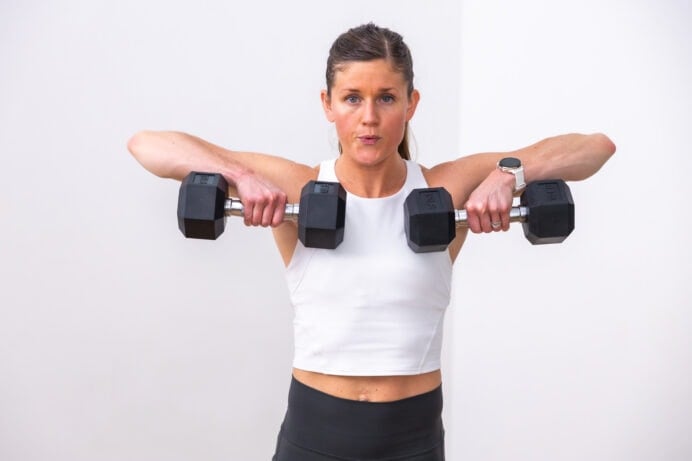



Shoulder Workouts: 13 Dumbbell Exercises to Build Strength
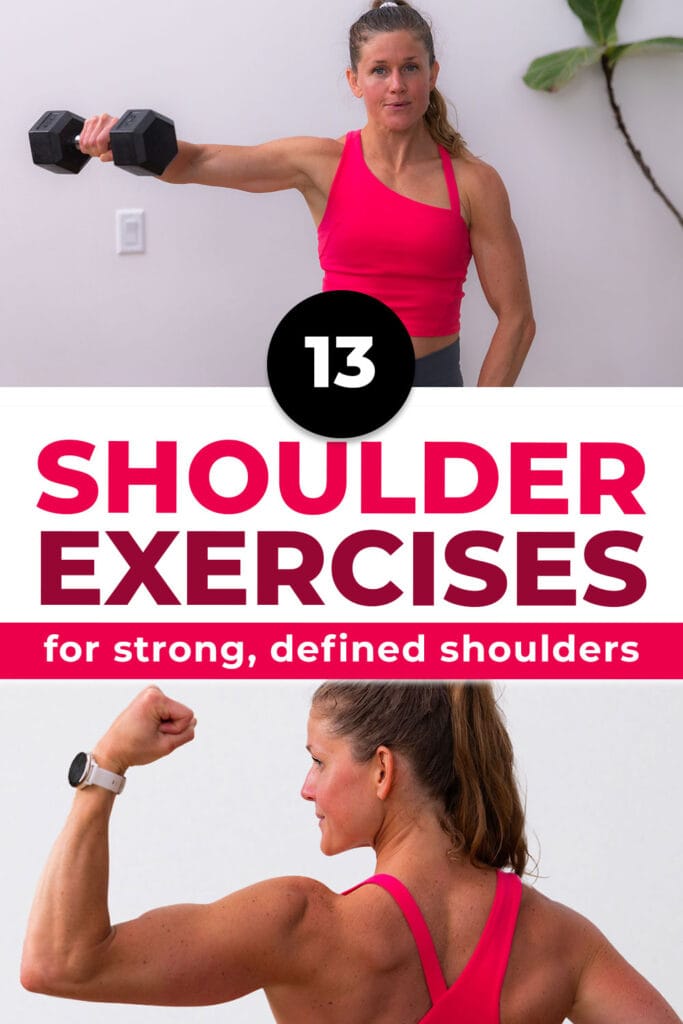
If you want strong, defined shoulders that improve posture and support everyday movement, this roundup of shoulder workout exercises is for you. I’m sharing 13 of the best shoulder exercises I use to build strength, definition and stability at home or in the gym. These exercises are ideal for women who want balanced upper body strength without spending hours in the gym.
What To Know About These Exercises
Strong shoulders aren’t just about aesthetics. You should do shoulder workouts to improve posture, reduce injury risk and support daily movements like lifting, carrying and reaching overhead. The shoulder joint is one of the most mobile joints in the body, which makes it vulnerable to injury. Strengthening the shoulders improves joint stability and supports larger compound lifts like push-ups, pull-ups and rows.
I recommend including shoulder exercises in your upper-body workouts 1-2 times a week as part of a well-rounded workout routine to encourage muscle growth.
Note: This is a list of my favorite shoulder exercises. If you prefer a full guided workout video (complete with a warm-up and cool-down), try this guided shoulder workout!
Equipment Needed
Medium Pair of Dumbbells. I suggest anywhere from 5-20 pounds. I like to use dumbbells to train the shoulders because they allow for a greater range of motion, correct muscle imbalances and activate more stabilizer muscles than using gym machines.
Optional: Barbell and landmine attachment. If you’re working out at home instead of in a gym, just skip exercise 13.
These shoulder workouts can be done at home with dumbbells or at the gym. If you’re new to strength training, start with lighter weights and focus on mastering form before increasing load.
Instructions
Choose 4-6 exercises from the list below. Then perform:
- Beginners: Aim for 2-3 sets of 8-10 reps
- Intermediate: Aim for 3-4 sets of 10-12 reps
- Advanced: Aim for 4-6 sets of 12-15 reps
Trainer Tip: The last 2-3 reps should be challenging to complete, but allow you to maintain proper form. That’s a good sign you’ve chosen the right weights!
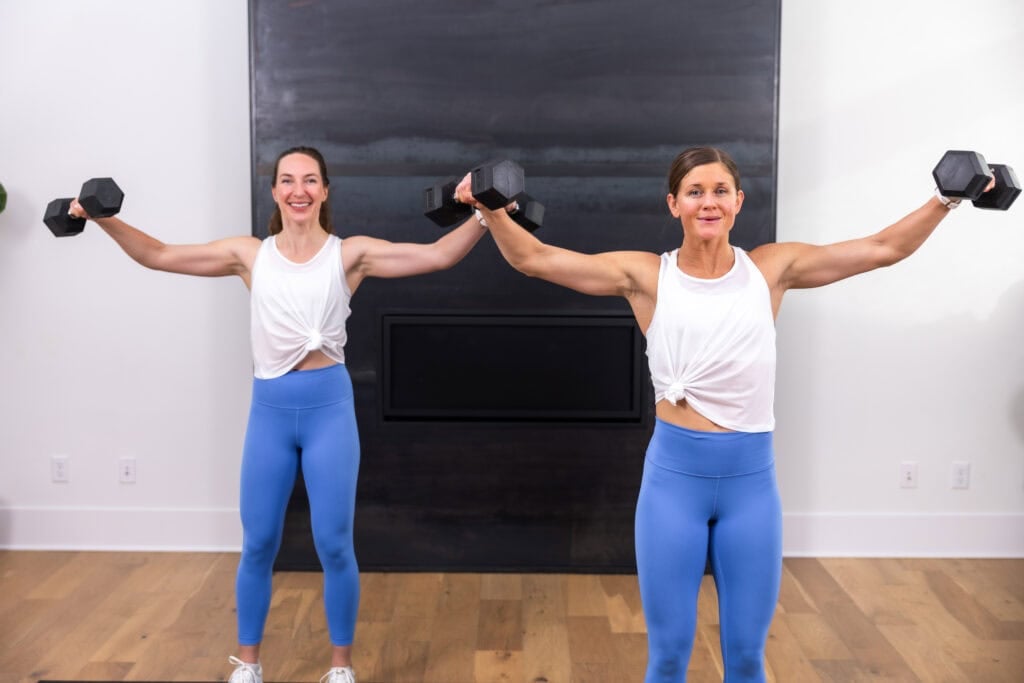
Shoulder Workout Outline
1. Shoulder Press
Targets: Shoulders, triceps, rear delts and upper back muscles.
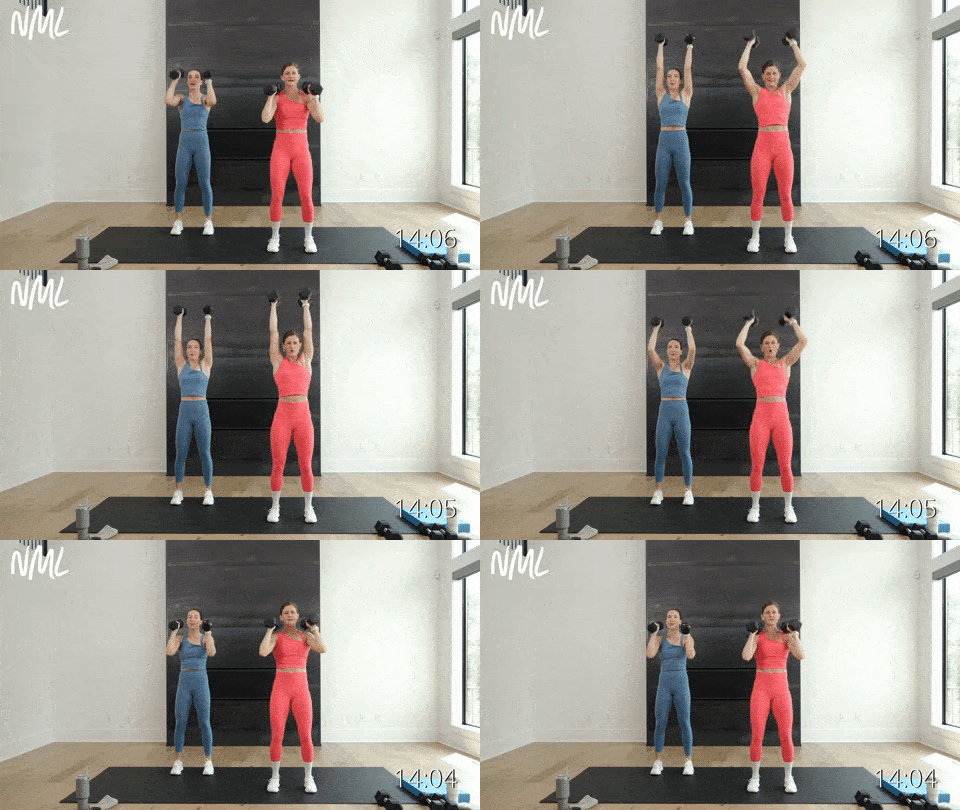
How to Do a Narrow Overhead Press (Dumbbell Shoulder Press)
- Stand with your feet shoulder-width apart, knees slightly bent. Hold a pair of dumbbells at shoulder height, palms facing in towards each other (neutral grip). Your shoulder blades are pulled back and down.
- Engage your core, slightly tucking your pelvis to protect your lower back. Push the dumbbells overhead until your arms are fully extended.
- Lower the dumbbells down to shoulder height, returning to the starting position.
2. V-Sit Alternating Shoulder Press
Targets: Shoulders, arms, hips and core.
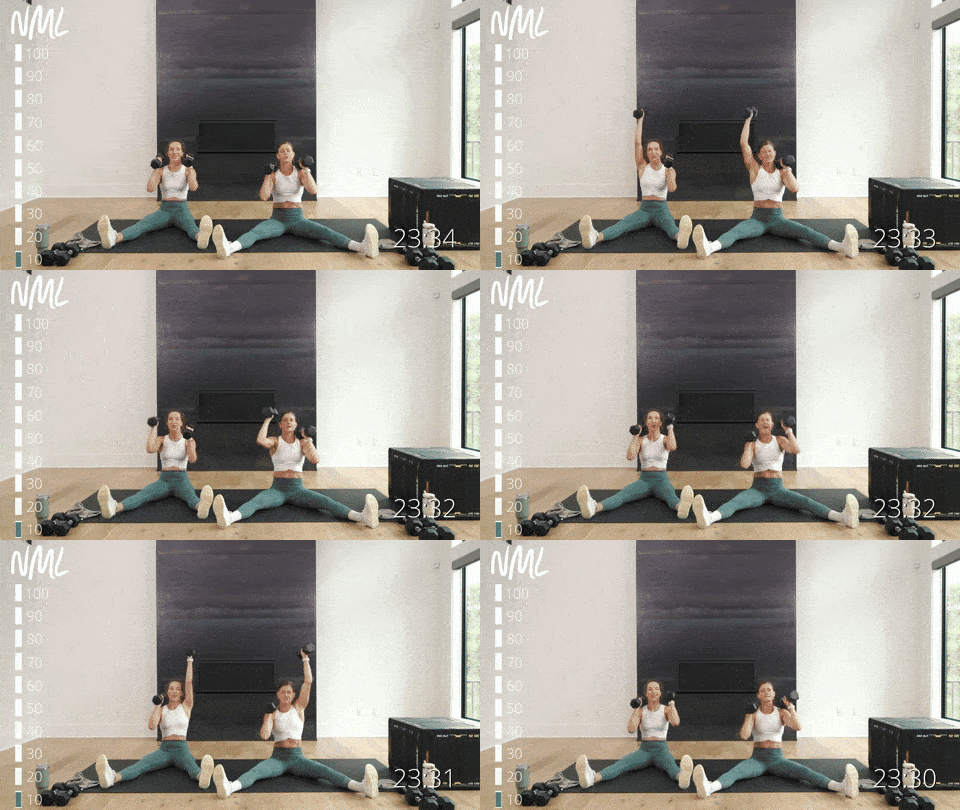
How To Do A V-Sit Alternating Shoulder Press
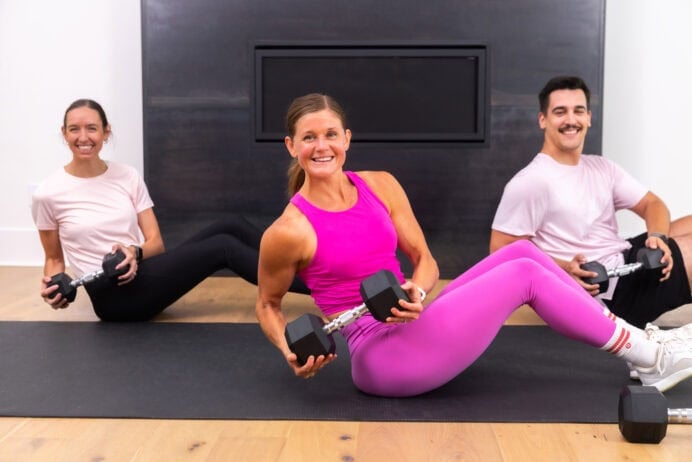
- Start sitting flat on your mat, sending the legs straight out in front of you, forming a “V” shape with your legs. Hold a pair of dumbbells front racked at your shoulders.
- Engage your core and exhale as you press the dumbbell in the right hand directly overhead, performing a single-arm shoulder press on the right arm.
- With control, lower the dumbbell to shoulder height, returning to the starting position.
- Then alternate, performing a single-arm shoulder press on the left arm.
3. Upright Row
Targets: Upper trapezius, lateral deltoids and rhomboids.
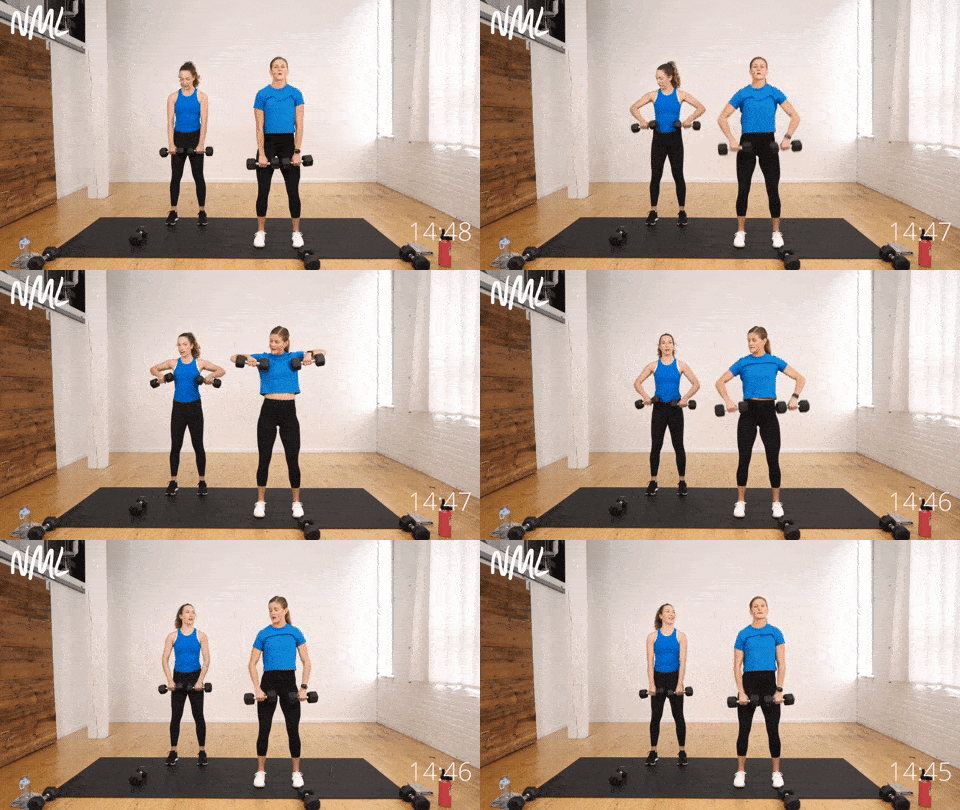
How to Do an Upright Row
- Start with feet hip-width apart, holding dumbbells in your hands. Palms are facing in towards your body.
- Leading with your elbows, pull the dumbbells up until your elbows reach shoulder height. As you pull the dumbbells up, think of pulling your shoulder blades down. Be sure to keep the dumbbells close to your body as you pull them upwards.
- With control, lower the dumbbells back down to the starting position.
4. Lateral Raise
Targets: The lateral deltoid (also engages the anterior deltoid and posterior deltoid).
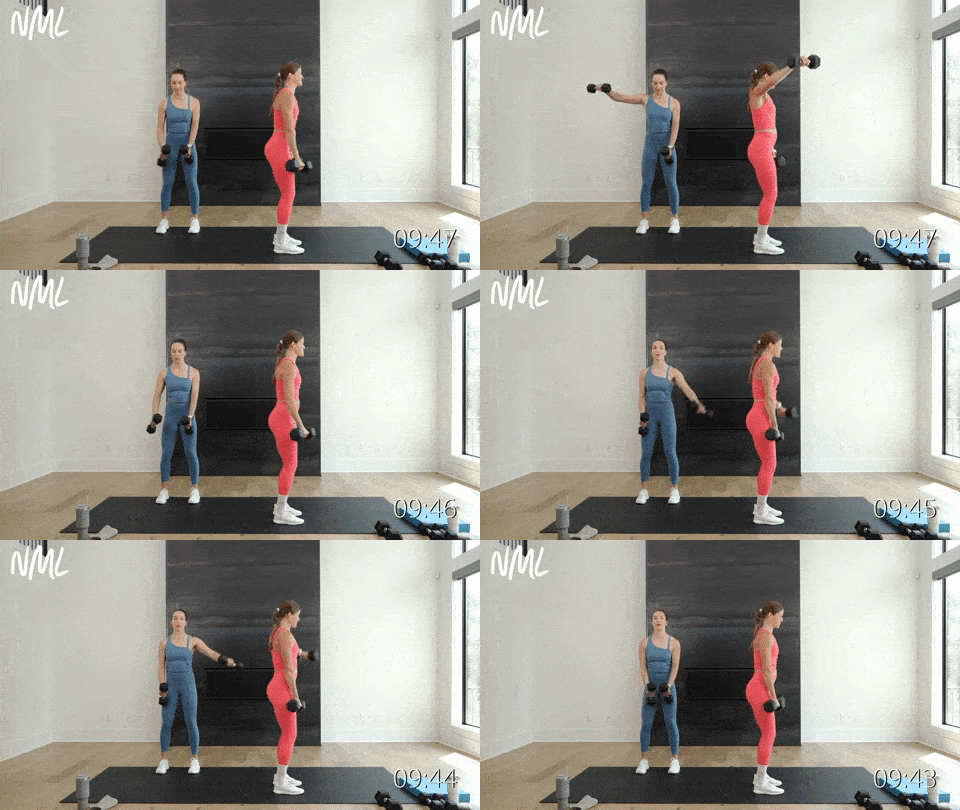
How to Do a Dumbbell Lateral Raise
- Stand with your feet shoulder-width apart, with a slight bend in your knees. Hold a dumbbell in each hand at hip level, palms facing in towards each other.
- Engage your core as you lift the dumbbell in your right hand out towards your right side, keeping a slight bend in the elbow. Lift the dumbbell just to shoulder height.
- Slowly lower the dumbbell to the starting position.
- Repeat, this time performing a lateral raise with the dumbbell in your left hand.
5. Front Raise
Targets: Front and middle deltoids, trapezius and rhomboids.
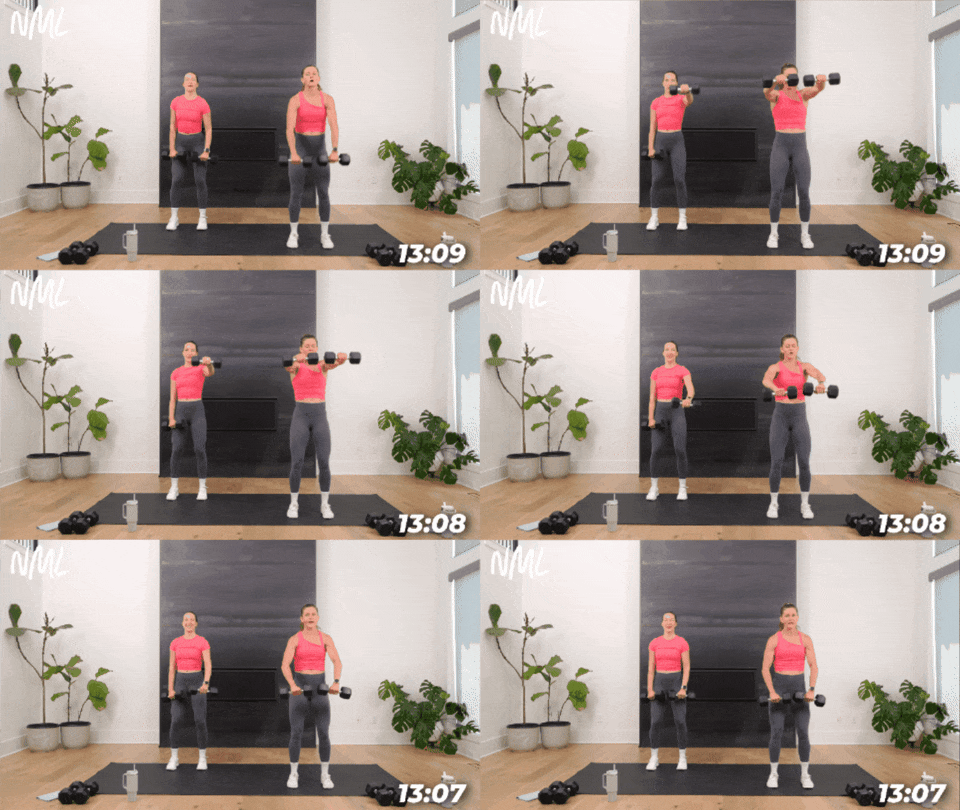
How to Do a Dumbbell Front Raise
- Stand with your feet hip-width apart, slight bend in your knees. Hold a dumbbell in each hand in front of your hips, palms facing in towards your body.
- Maintain a soft bend in your elbows, then lift the dumbbells straight out in front of your body, raising the weights until they reach shoulder height.
- Slowly and with control, lower the dumbbells to your hips, returning to the starting position.
Modification: Alternate arms, performing a single arm front raise.
6. Rear Delt Flys
Targets: Rear deltoids (back of your shoulders), rhomboids and trapezius.
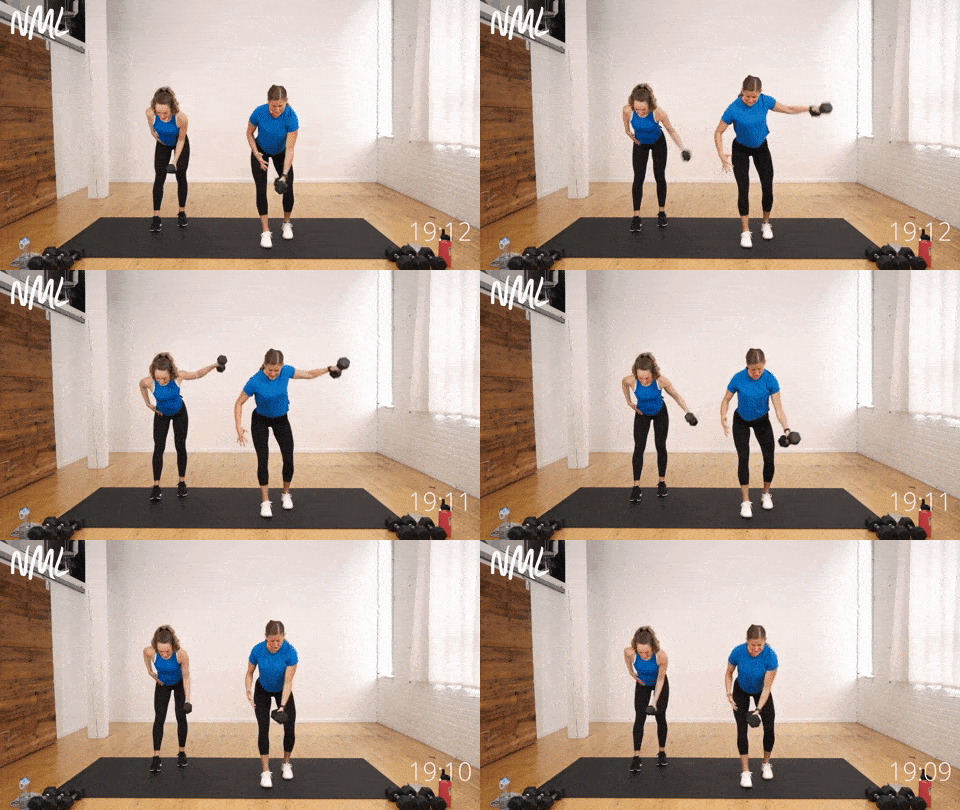
How to Do a Rear Delt Fly
- Stand with your feet hip-width apart, knees slightly bent. Option to keep feet parallel or take a slightly staggered stance to better support your low back (stepping your left leg slightly behind your right leg).
- Hold one dumbbell in your right hand at your right hip; palm facing in.
- Hinge forward at the hips, and pull the dumbbell out to the right side of your body, up to shoulder height. Keep a soft bend in your right elbow and squeeze your right shoulder blade.
- Lower the dumbbell back to the starting position with control.
7. Single-Arm Push Press
Targets: Deltoids, hips and core.
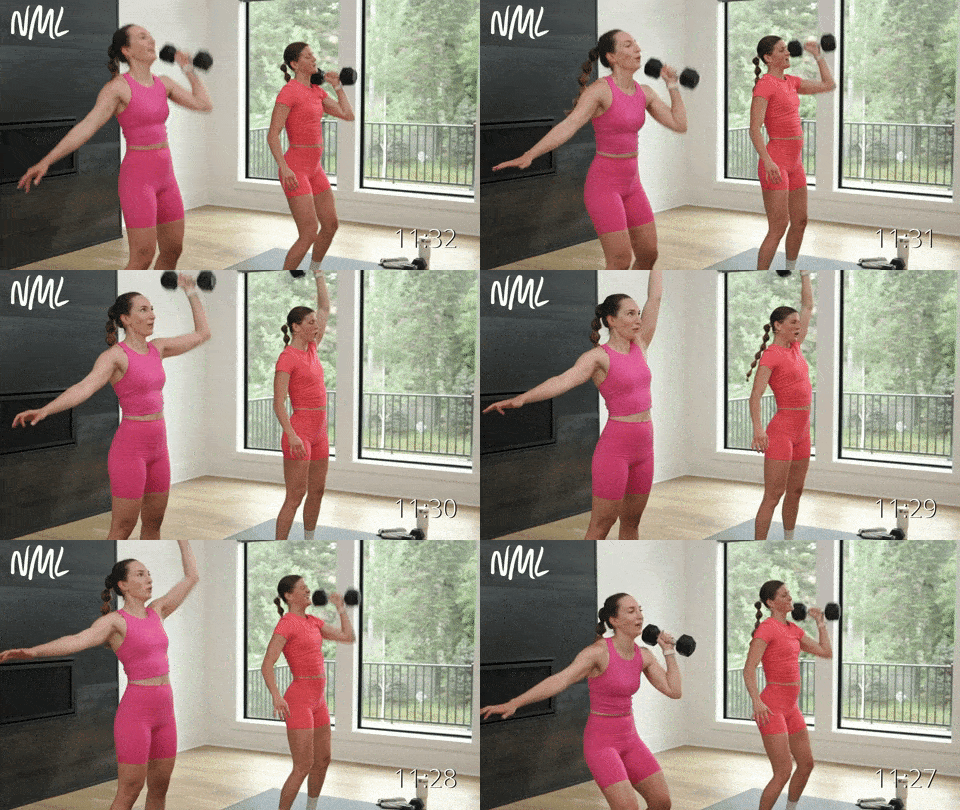
How to Do a Single-Arm Push Press
- Start in a standing position, feet hip-width apart or slightly wider, core engaged. Hold 1 dumbbell in your right hand at shoulder height, palm facing in (neutral grip).
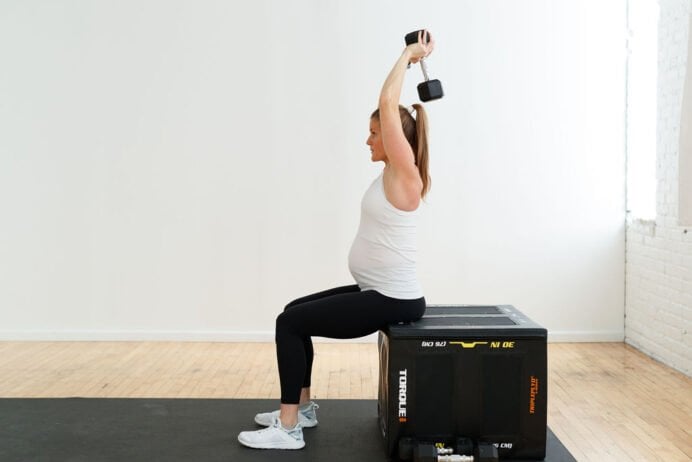
- Perform a single-arm overhead press. Press the dumbbell in your right hand overhead, locking out the right elbow by the right ear. Option to bend the knees an inch or 2 to help you drive the dumbbell overhead.
- Slowly lower the dumbbell back down towards the right shoulder and repeat. Switch sides on the next set.
8. Arnold Press
Targets: All 3 heads of the deltoids.
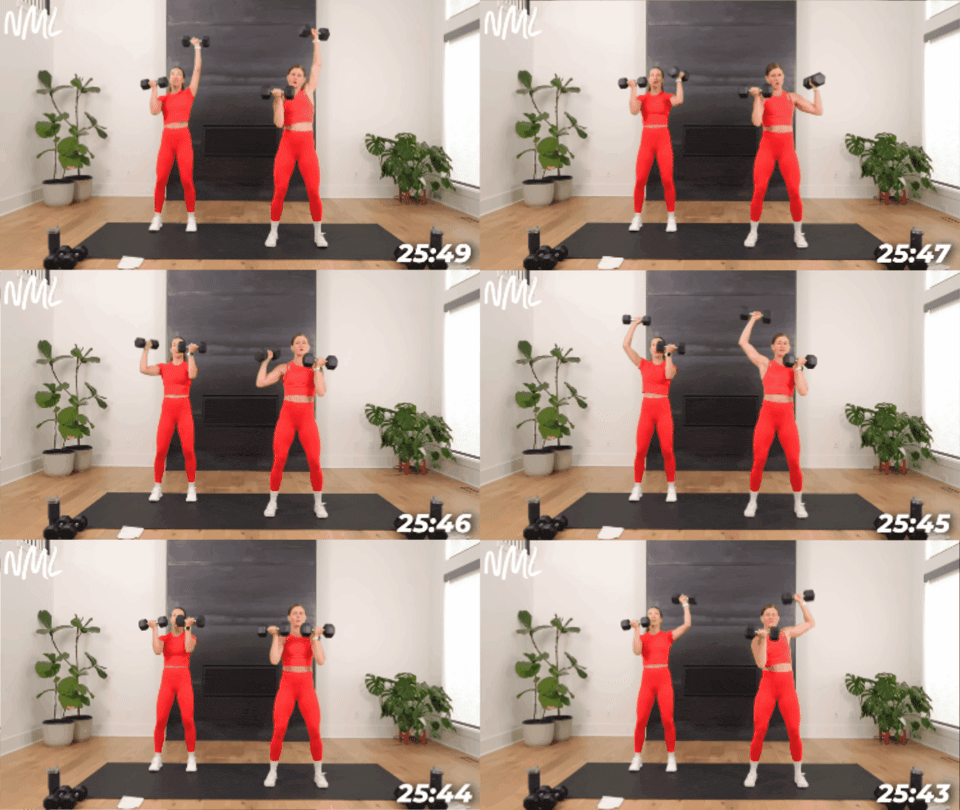
How to Do an Arnold Press
- Stand with feet hip-width apart, shoulders stacked over hips and knees slightly bent. Hold a dumbbell in each hand at eye level, palms facing in towards your face.
- Engage your core and squeeze your glutes to protect your low back as you slowly raise the weight in your right hand overhead. As you raise the dumbbell, rotate your wrist so that the palm of your hand is facing outward (away from the body) when your arm is fully extended.
- Then slowly reverse the movement, rotating your wrist as you lower the dumbbell to return to starting position, palm facing in towards your body.
- Repeat, this time raising the dumbbell in your left hand overhead, rotating your wrist so that your left palm is facing outward when your arm is fully extended.
- Slowly and with control, lower the dumbbell and reverse the rotation, returning to the starting position.
9. Around-the-World Shoulder Raise
Targets: Deltoids, rotator cuff, biceps and core.
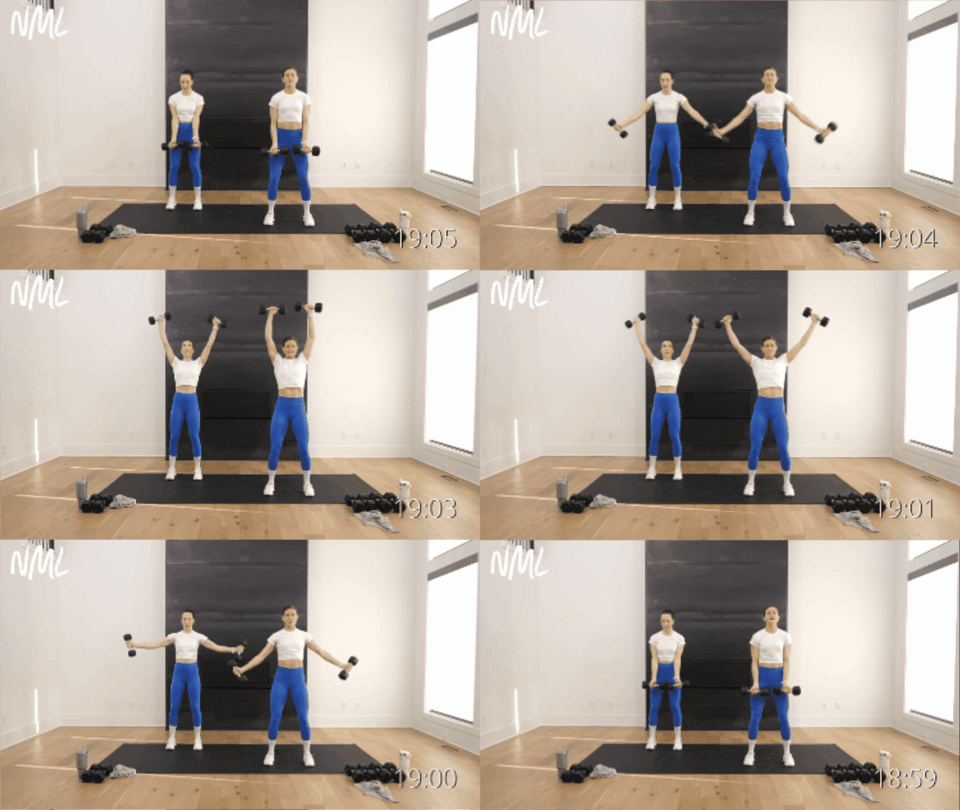
How to Do an Around-the-World Shoulder Raise
- Start with feet under hips, core engaged. Hold a dumbbell in each hand at your sides, palms face outward (underhand grip or supinated grip).
- Keeping your arms as straight as possible, lift both dumbbells in wide arcs out to the side, slowly raising your arms until the dumbbells are straight overhead. Imagine you are drawing a large circle with your dumbbells.
- Slowly and with control, reverse the motion, lowering your dumbbells to return to the starting position.
Modification: Reduce range of motion and raise your arms only as high as feels comfortable.
10. Kneeling Y-Fly
Targets: Deltoids and rotator cuff.
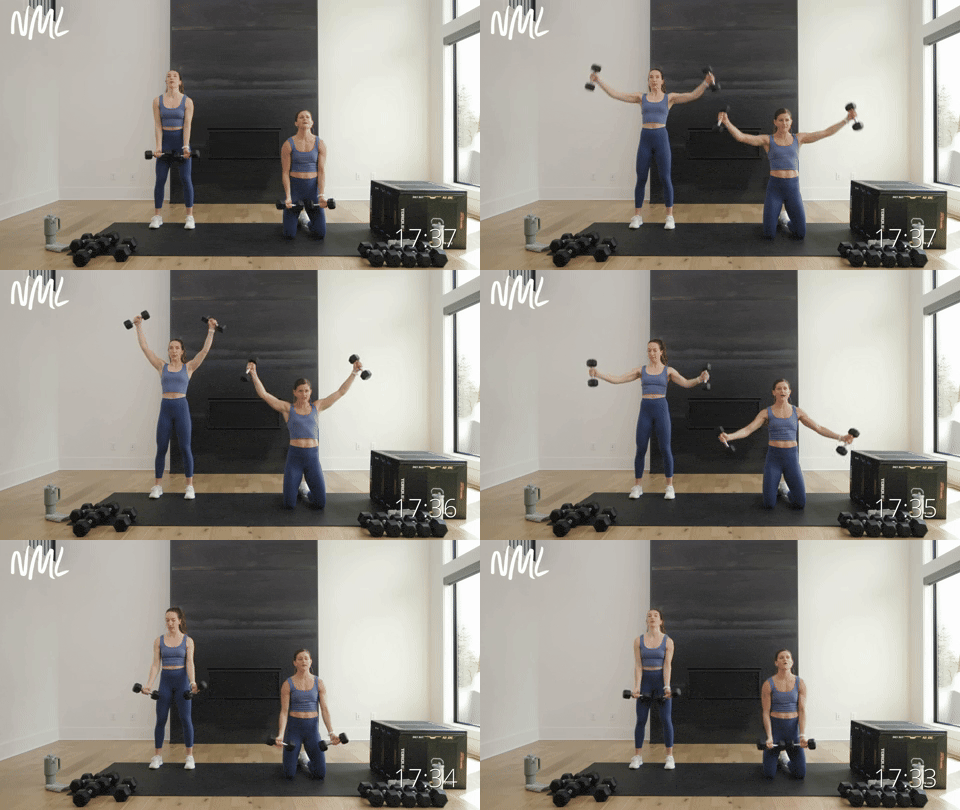
How to Do a Kneeling Y-Fly
- Start in a kneeling position (option to perform this standing if you have knee pain). Hold a dumbbell in each hand at your sides, palms facing outward (underhand grip or supine curl).
- Keeping your arms as straight as possible, lift both dumbbells in wide arcs out to the side, slowly raising your arms overhead. Imagine you are drawing a large circle with your dumbbells, but come to a stop at the point where your arms and torso would form a “Y.”
- Slowly and with control, reverse the motion, lowering your dumbbells to return to the starting position.
Modification: Option to perform the Y-fly from a standing position. Reduce range of motion, raising the dumbbells only as high as feels comfortable.
11. Dumbbell Punches
Targets: Shoulders, triceps, upper back and core.
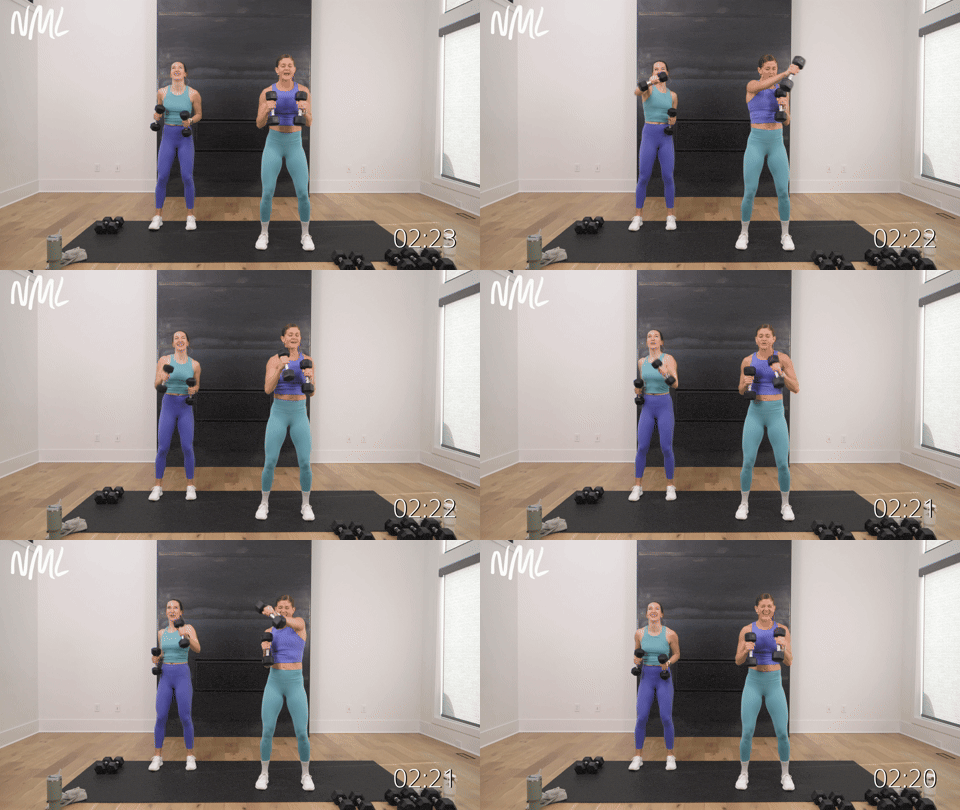
How to Do a Dumbbell Punch
- Stand with your feet shoulder-width apart, holding a dumbbell in each hand. Elbows are bent at 90 degrees and palms are facing in towards each other (hammer grip).
- Alternate punching each dumbbell forward a few inches, then returning to center.
12. External Rotation
Targets: Deltoids and rotator cuff muscles.
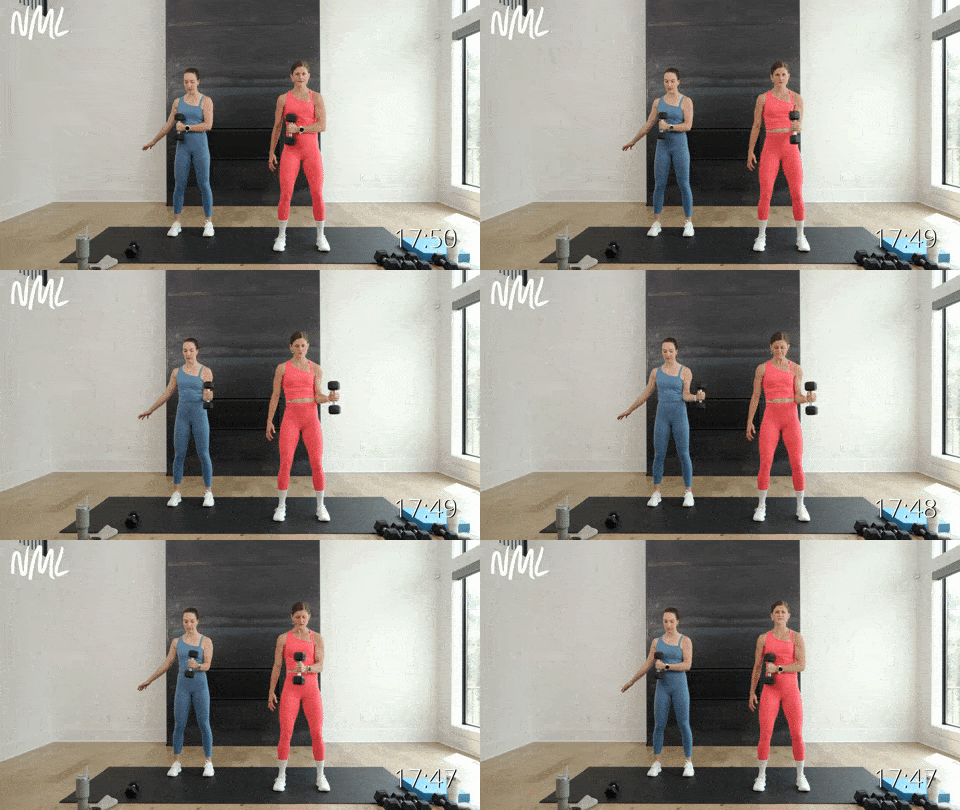
How to Do an External Rotation
- Stand with your feet hip-width apart, knees slightly bent and core engaged.
- Hold a light dumbbell in your right hand near your left hip. Your right elbow is bent at a 90-degree angle, and your upper arm is close to your body. Your palm is facing towards your body. Shoulder blades are pulled back and down.
- Keeping your elbow bent and your upper arm stable, slowly rotate your forearm and the dumbbell away from your body.
- Rotate until the dumbbell is in front of your shoulder or you feel a stretch in your shoulder.
- Rotate the dumbbell back to the starting position, maintaining a 90-degree bend in your right elbow.
13. Landmine Shoulder Press
Targets: Anterior and lateral deltoids, triceps, chest and core.
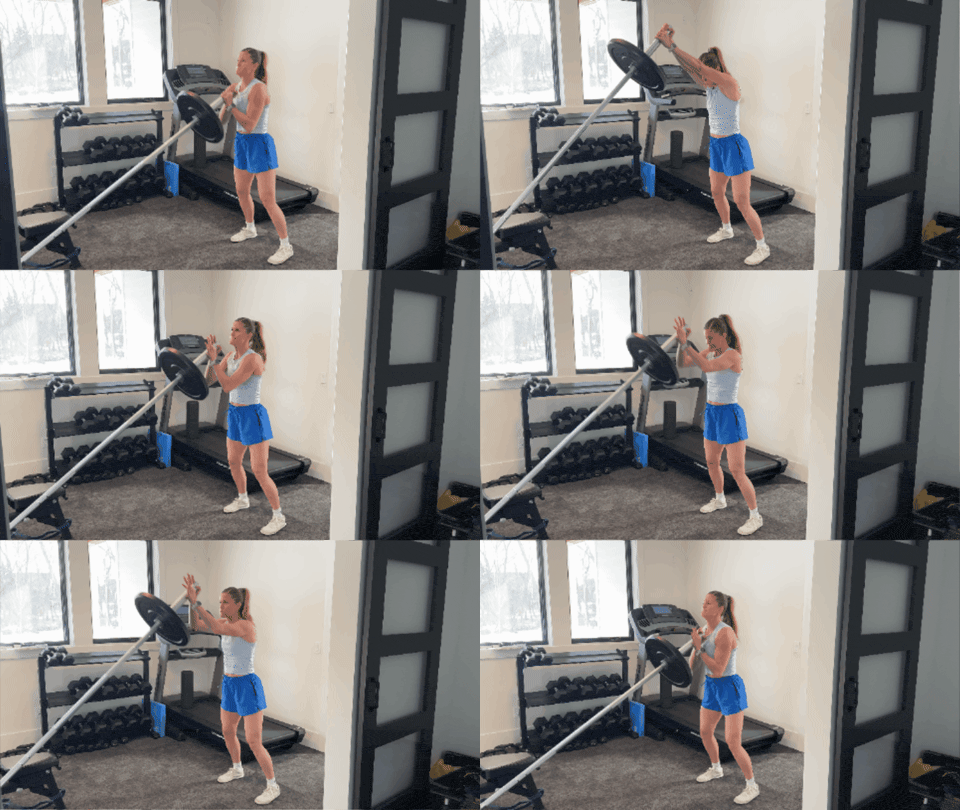
How to Do a Landmine Shoulder Press
- Secure one end of the barbell in a landmine attachment. Option to load the other end with a plate, or perform with just the barbell if you’re a beginner.
- Stand with feet hip-distance apart, facing the bar head-on. Use both your hands to hold the barbell at chest level, elbows tucked in towards your sides. Engage your core, pulling your belly button towards your spine to protect your lower back.
- On an exhale, press the bar up and slightly forward along its natural arc. Arms should be fully extended at the top of the movement.
- Then, with control, reverse the movement, lowering the end of the barbell down to chest level and returning to the starting position.
FAQs
How many shoulder exercises are enough in one workout?
If you’re training shoulders as part of a complete arm workout targeting all the major upper body muscle groups, I recommend including 3-4 shoulder exercises. If you’re completing an isolated shoulder workout, aim for 4-6 exercises. Balanced shoulder workouts should train all 3 heads of the deltoid (front, side and rear) to prevent muscle imbalances and reduce injury risk.
What are the major shoulder muscles?
The shoulders are made up of the anterior deltoid (front of shoulder), lateral deltoid (side of shoulder) and posterior deltoid (rear of shoulder). It’s also supported by the rotator cuff muscles (supraspinatus, infraspinatus, teres minor and subscapularis).
How often should I do shoulder workouts for optimal results?
I recommend training shoulders 1-2 times per week. Because shoulders assist in so many full-body, chest and back exercises, they are indirectly trained during other workouts as well.
How can I build shoulder strength at home without equipment?
Some of the most effective shoulder exercises can be done with just your bodyweight. Try alternating push-ups, plank shoulder taps and bear crawls to build shoulder strength at home with no equipment.
What shoulder exercises help improve posture and prevent injury?
For good posture and injury prevention, focus on exercises that strengthen the rear delts and rotator cuff, like rear delt flys, kneeling Y-flys and external rotations. These exercises improve scapular stability and can help counteract rounded shoulders from prolonged sitting, improving overall shoulder health.
More
Arm WorkoutsPin This: Best Shoulder Exercises to Build Strength
no comments