


20-Minute Quick Leg Workout for Women
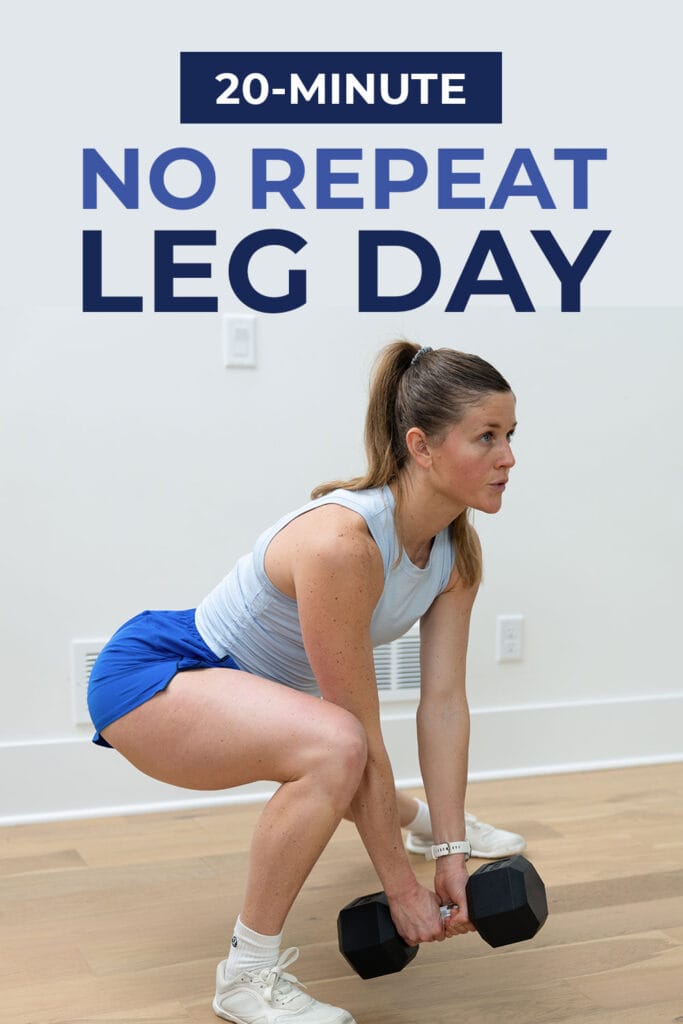
This quick leg workout is a well-structured routine that can effectively strengthen your legs in just 20 minutes by maximizing intensity and minimizing rest. Designed to build muscle, boost power and improve athletic performance, it targets all major lower-body muscles – including the glutes, quads, hamstrings, calves and thighs – through a mix of strength movements, explosive exercises and isometric holds. Ideal for busy individuals or anyone seeking an efficient, equipment-light session, the workout uses just a pair of dumbbells to deliver a challenging and effective lower-body burn.
Incorporating progressive overload into your strength training routine is one of the most effective ways to build muscle, maintain strength and feel confident in your body (especially when time is limited). Even a 10-minute leg workout can be effective when it’s intentional, but most women see the best results training legs 2-3 times per week with focused, well-structured sessions.
This quick leg workout is designed to strengthen your legs in just 20 minutes, making it ideal for early mornings, nap-time home workouts or busy weekdays.
An effective leg workout starts with compound movements that work multiple muscles at once – think squats, lunges, step-ups and deadlifts – followed by unilateral and isometric leg day exercises to build stability and muscle endurance.
While squats are a great exercise, they aren’t enough on their own to fully build the glutes, which is why a good leg day workout combines squats with walking lunges, split squats, deadlifts, lateral lunges and isometric holds for complete lower-body strength. You don’t need fancy gym equipment either; a pair of dumbbells is plenty, and if you’re short on equipment or time, bodyweight leg workouts at home can still deliver results.
This 20-minute leg workout focuses on smart exercise order, progressive overload and time under tension to help you build strong, toned legs efficiently. If you enjoy quick leg workouts like this, you’ll also love my Functional Strength Training Program: Strong 20.
Read A 5-Star Review ⭐⭐⭐⭐⭐
“As someone who is learning to appreciate leg day, the no-repeat format makes me more motivated to show up.”
— Mary M.
Workout Insights
Build lower body muscle mass with this athletic leg workout: strength, stability and power.
I recommend these knee-strengthening exercises as a warm-up to improve range of motion and make squats and lunges more effective in this leg day routine.
Add a lower-body workout for women like this to your workout routine 1-2 times a week to improve lower-body muscle definition.
Workout Equipment:
Medium to Heavy Pair of Dumbbells. I’m using 15-25 lb dumbbells in today’s workout.
Workout Instructions:
Follow along with the guided Quick Leg Workout on YouTube, led by me, your certified personal trainer (CPT), Lindsey Bomgren.
Your Workout Looks Like This:
- Guided Warm-Up and Cool-Down
- 4 Circuits
- Timed Intervals (complete each exercise for 40 seconds of work, followed by 20 seconds of rest. We’ll perform a 20-second isometric hold after some lower-body exercises.)
- Perform Each Exercise x1 Set (no repeats)
Quick Leg-Day Workout Outline
Circuit 1:
Circuit 2:
- Curtsy Lunge
- Skaters
- Front Foot Elevated Lunge and Knee Drive (Right)
- Isometric Lunge Hold (Right)
- Front Foot Elevated Lunge and Knee Drive (Left)
- Isometric Lunge Hold (Left)
- Lunge Jumps
Circuit 3:
Circuit 4:
1. Tempo Squats
Targets: Legs, quadriceps, glutes, hamstrings, inner thighs (hip adductors), chest and core muscles.
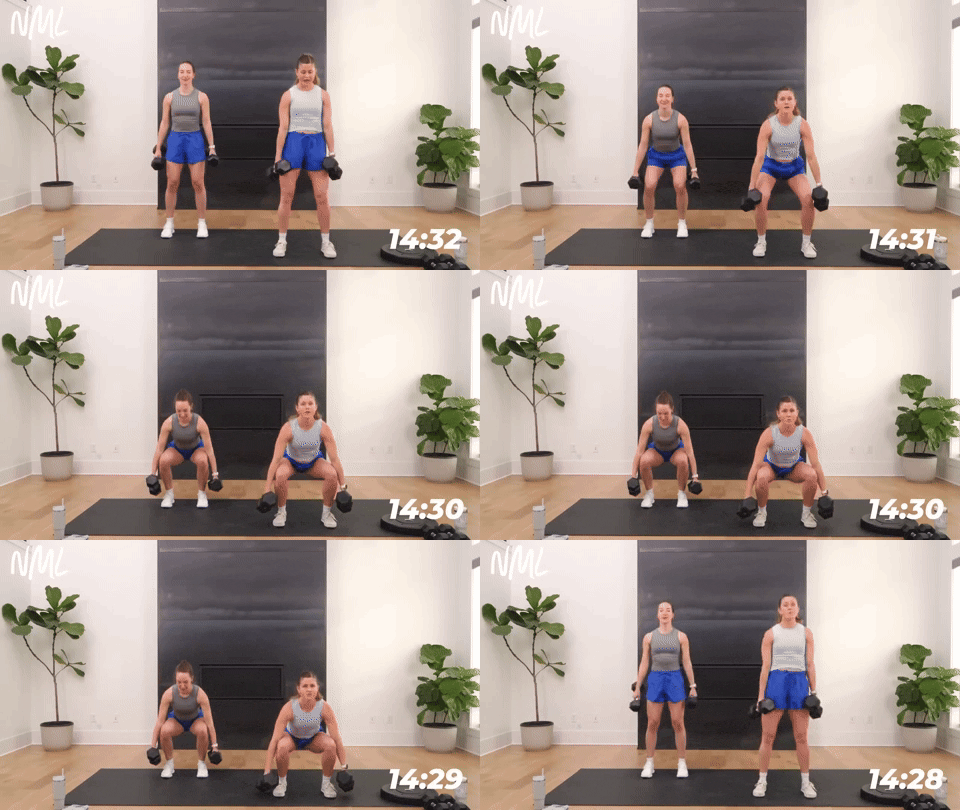
How to Do a Tempo Squat
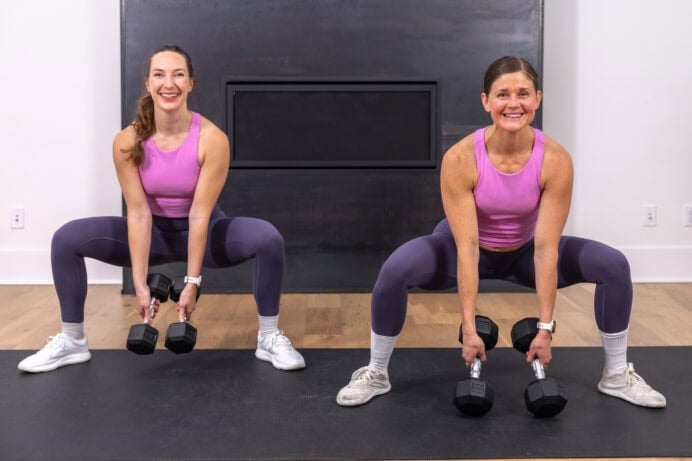
- Start standing with your feet shoulder-width apart, knees slightly bent. Hold a pair of dumbbells at your sides.
- Lower down into a squat position, lowering your hips down parallel with your knees. In this variation, lower down to the bottom of your squat on a 3-count. Drive your knees out toward your outer toes.
- Hold at the bottom of the squat for 2 seconds.
- Drive through your heels to stand tall, returning to a standing position.
2. Loaded Squat Jump and Retraction
Targets: Legs, glutes, quadriceps, hamstrings, hips and core.
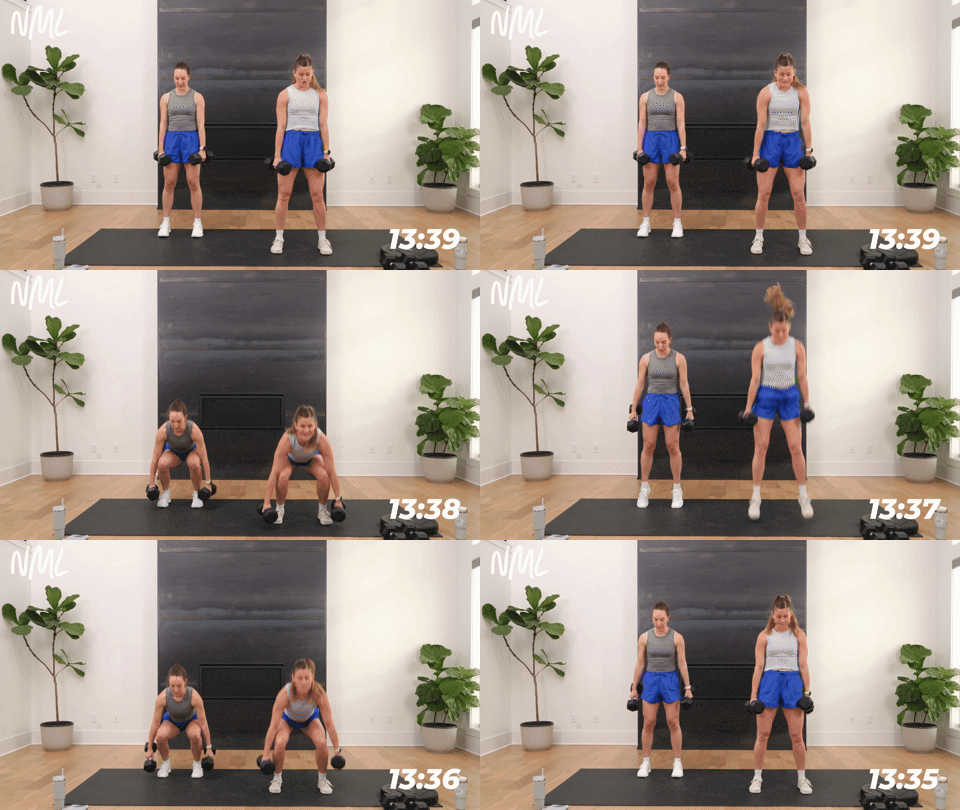
How to Do a Loaded Squat Jump and Retraction
- Start standing feet shoulder-width distance apart, knees slightly bent, holding a pair of dumbbells at your sides.
- Lower down into a squat position, lowering your hips down parallel with your knees. Drive your knees out toward your outer toes.
- Explosively drive through your heels, using the power in your legs to lift your heels off the ground, performing a squat jump.
- Land softly with bent knees, immediately lowering your hips and bending both knees to perform another squat.
- Press through your heels to stand tall, returning to the starting position.
- Continue this pattern, alternating 1 squat with 1 squat jump.
Modification: Omit the jump, performing calf raises instead.
3. Curtsy Lunge
Targets: Legs, quads (thighs), gluteus maximus (butt), hip flexors and core.
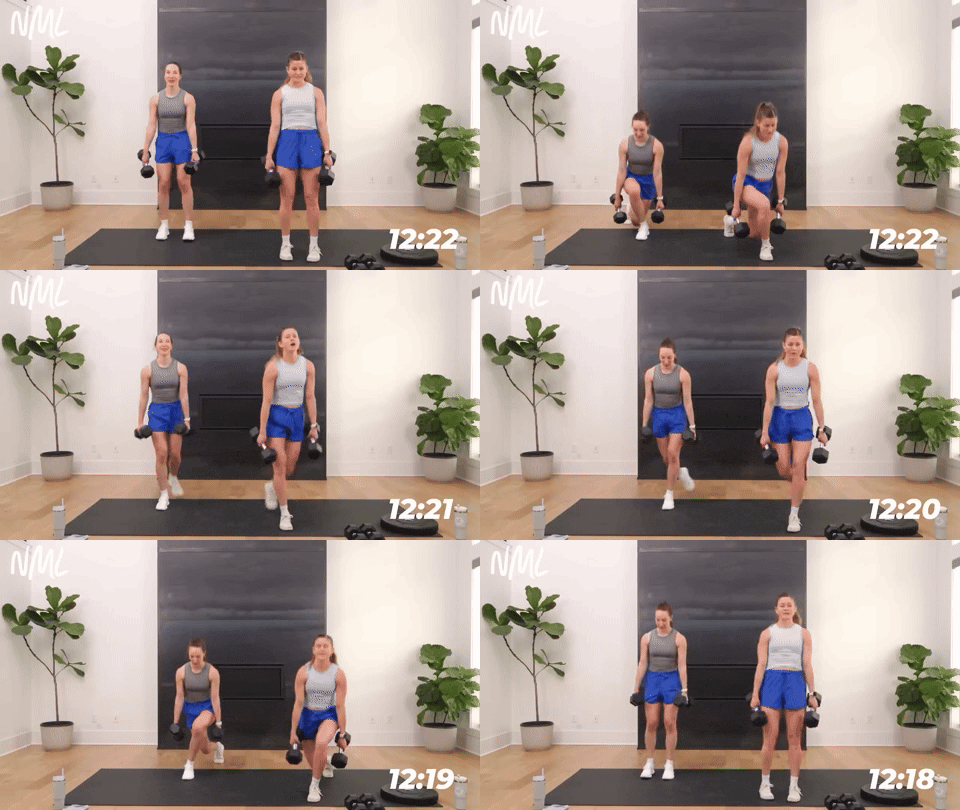
How to Do a Curtsy Lunge
- Stand with feet hip-distance apart, holding a pair of dumbbells at your sides.
- Step your left leg back into a curtsy lunge (left knee should meet right calf) as your left knee lowers towards the mat. Lower your hips until both knees reach a 90-degree angle, front thigh parallel to the floor.
- Squeeze your right glute to reverse the movement, stepping your left foot back to center and standing tall.
- Repeat on the other leg, stepping your right foot back into a curtsy lunge before squeezing through the left glute to stand tall, returning to the starting position.
4. Skaters
Targets: Legs, glutes (outer gluteus medius), hips, calves, quads and core (for stability and balance).
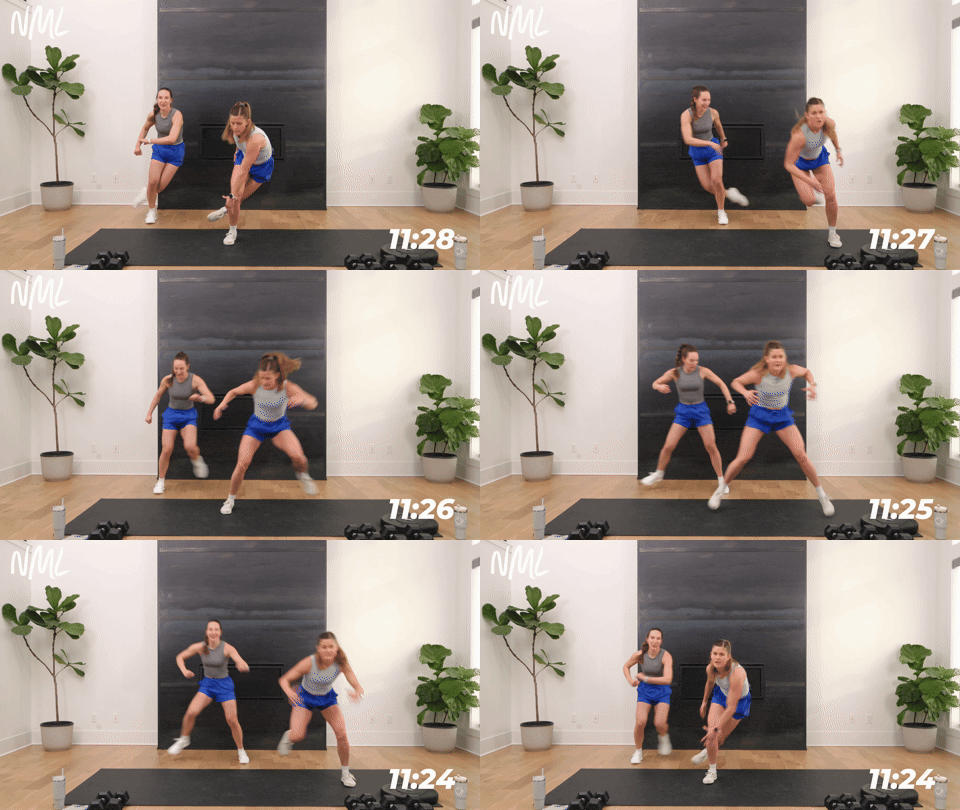
How to Do a Skater
- Start standing in an athletic stance, feet hip-width apart, knees slightly bent, core engaged.
- Push off your right foot to bound laterally to the left, landing in a loaded skater position on your left foot. Left knee bent, right leg tracking behind your left foot in a skater position.
- Then, drive off your planted left foot to bind laterally back to the right. Landing softly on your right foot. Right knee bent, left leg tracking behind your right foot in a skater position.
- Repeat, alternating the skaters on each leg.
5. Front Foot Elevated Lunge and Knee Drive
Targets: Legs, glutes, quadriceps, hamstrings, hip flexors, calves, adductors and core.
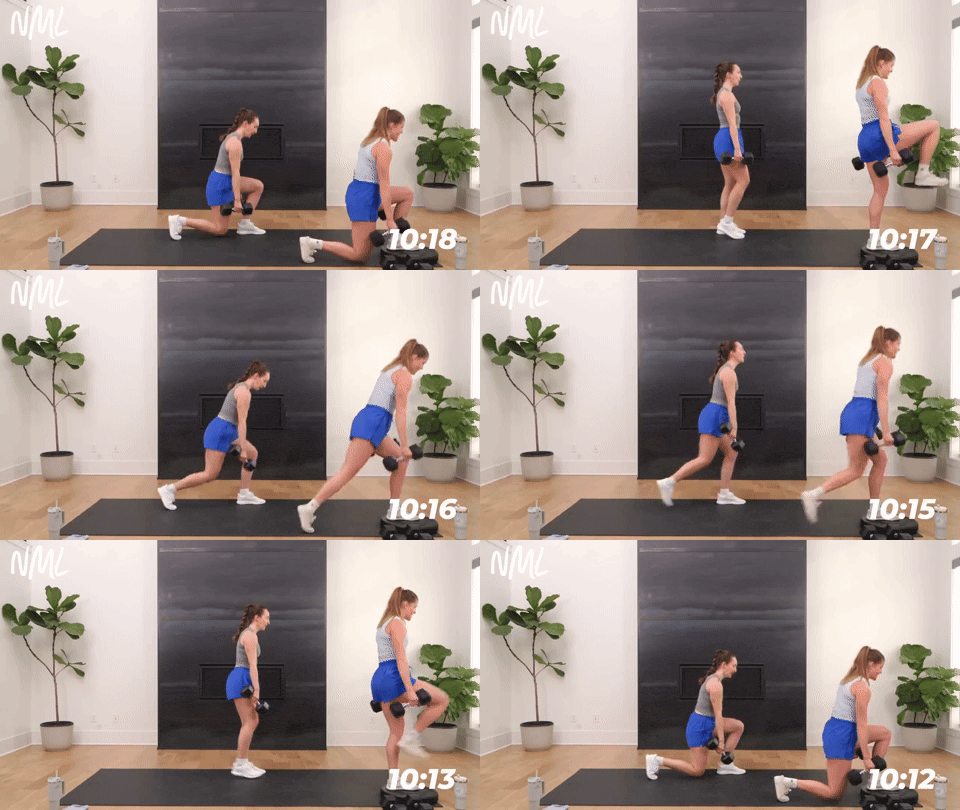
How to Do a Front Foot Elevated Lunge and Knee Drive
- Begin in a neutral standing position, feet shoulder-width apart, right heel on a weight or yoga block. Hold a dumbbell in each hand at your sides.
- Step your left foot back into a reverse lunge. Lower your left back knee towards the mat, aiming for a 90-degree angle in both knees.
- Drive through your right heel to stand tall. As you do so, perform a knee drive on the left leg, bringing the left knee in line with the left hip.
- Step your left foot back, returning to a reverse lunge position, and repeat the movement.
Modification: Omit the elevation and the knee drive, performing reverse lunges from the ground.
6. Isometric Lunge Hold
Targets: Quads, hamstrings, glutes and calves.
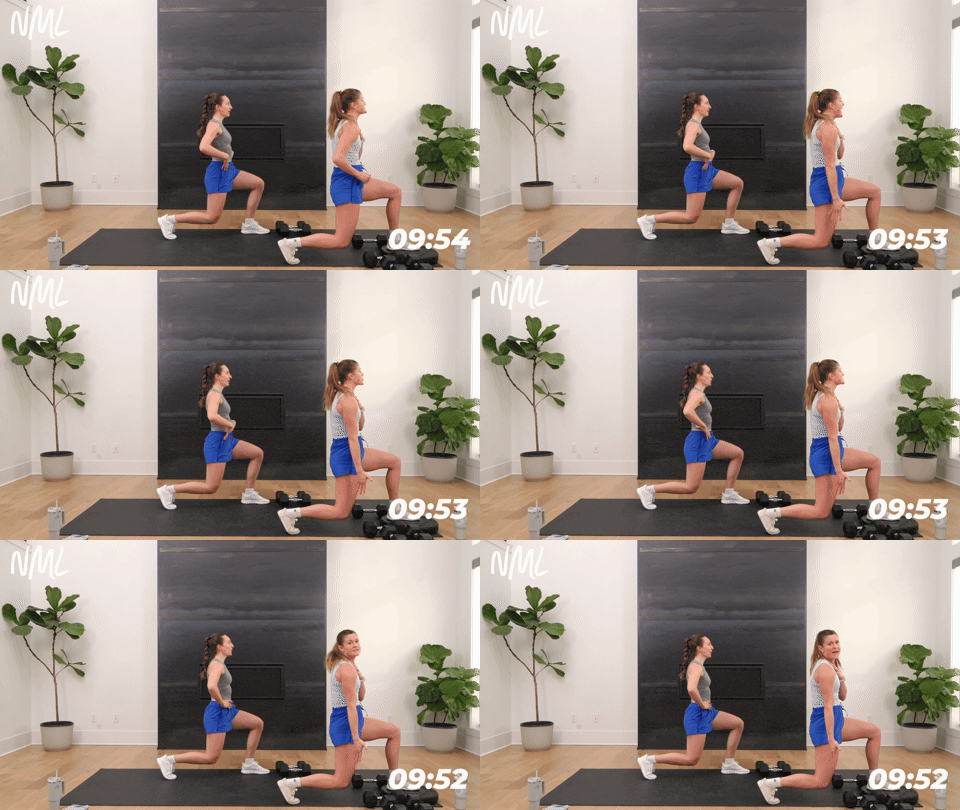
How to Do an Isometric Lunge Hold
- Stand with your feet hip-distance apart.
- Step your right leg back into a reverse lunge, dropping your right knee down towards the ground as you lower your hips until both knees reach a 90-degree angle, front thigh is parallel to the floor. Lower slowly and with control.
- Hold at the bottom of your lunge position, performing an isometric lunge hold.
- With control, lower it to the mat, returning to the starting position, and repeat.
7. Lunge Jumps
Targets: Legs, hamstrings, quads, glutes, abs and core.
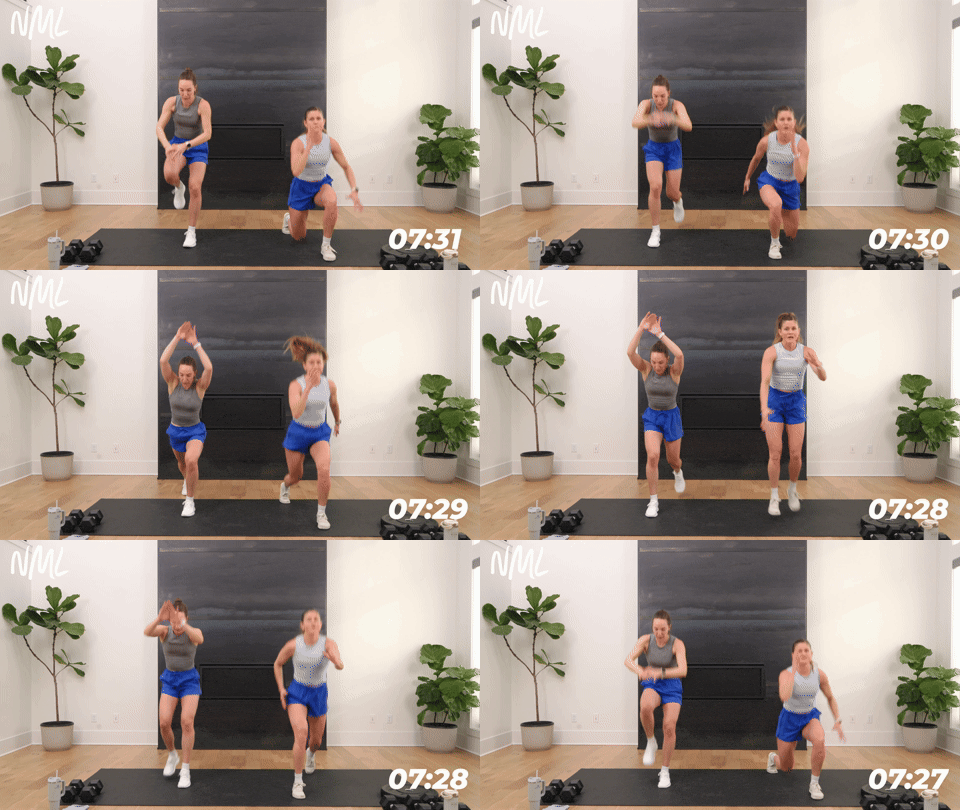
How to Do a Lunge Jump
- Stand with your feet slightly wider than shoulder-width apart, knees slightly bent.
- Step your right leg back into a reverse lunge, lowering your hips until both knees reach a 90-degree angle, front thigh parallel to the floor.
- Then perform a “lunge jump” by exploding up from your reverse lunge position. Switch your legs by landing softly in a reverse lunge with the left leg back, right leg forward.
- Perform a lunge jump again, exploding up from your reverse lunge position, this time landing softly in a reverse lunge with the right leg back, left leg forward.
Modification: If lunges hurt your knees, you can perform knee slams instead of jump lunges.
8. Deadlift
Targets: The posterior chain or backside of the body, specifically targeting the hamstrings, glutes, hips, calves, lower back and core.
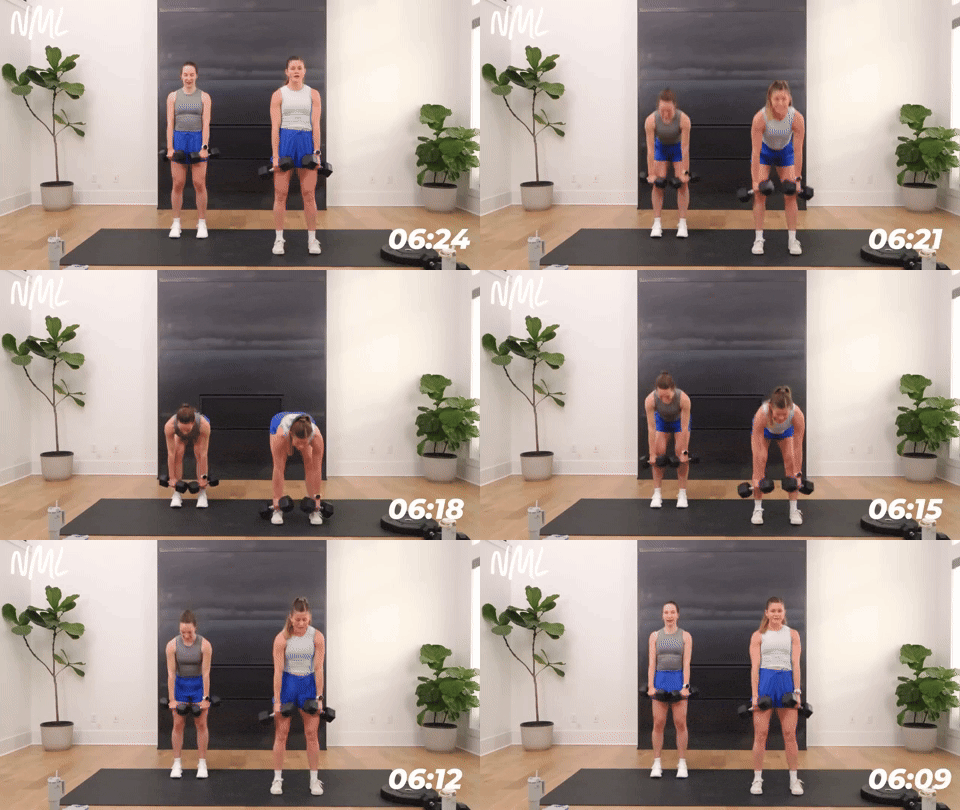
How to Do a Romanian Deadlift
- Start standing with your feet shoulder-width apart and your knees slightly bent. Hold a dumbbell in each hand at your thighs (overhand grip, palms face your body).
- Hinge forward at the hips, pushing your hips back as you lower the dumbbells down along the front of your body. You should feel a stretch in the back of your legs (hamstrings). Focus on keeping your back in neutral alignment with your neck and shoulders throughout the entire movement (straight line from head to tailbone). Keep a slight bend in your knees to avoid ‘locking out’ the joint.
- Drive through your heels, squeezing your glutes as you drive your hips forward to return to the starting position.
9. Calf Raises
Targets: Strengthens the calf muscles (gastrocnemius and soleus) and Achilles tendon, improves ankle mobility, and increases balance and stability.
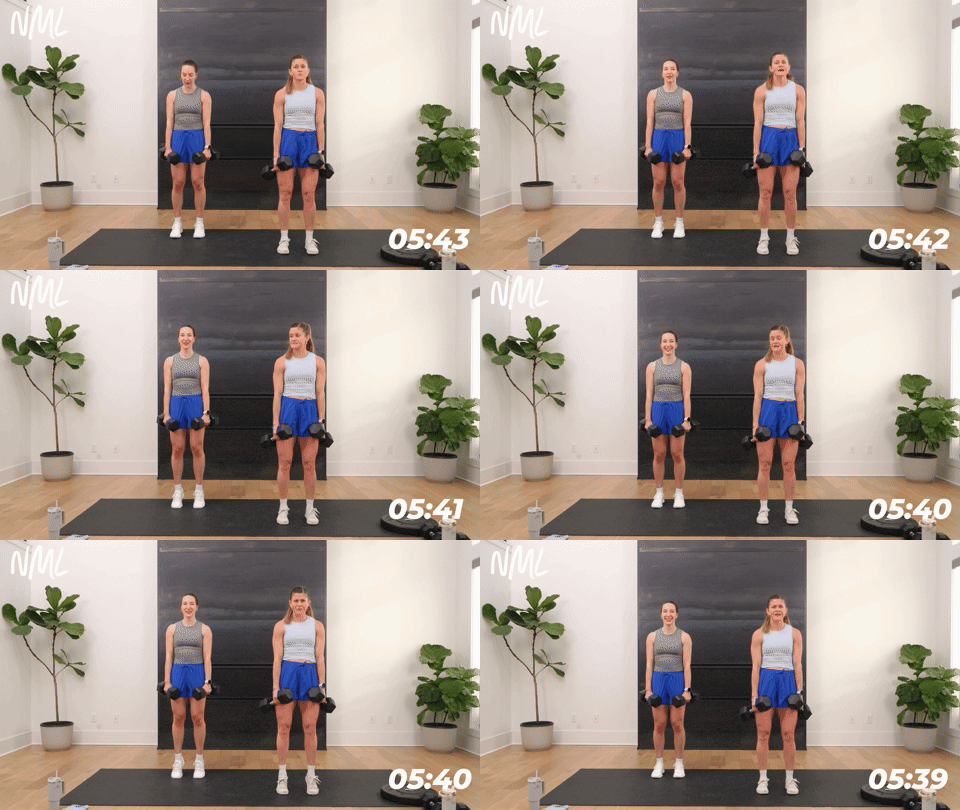
How to Do a Calf Raise
- Stand with feet hip-width apart. Keep your back straight and core engaged to stand tall. Hold a dumbbell in each hand at your sides.
- Slowly and with control, lift yourself up onto the balls of your feet, heels rising above the ground.
- Lift your heels until you feel a stretch along the back of your legs, balancing on your toes.
- Slowly lower your heels back to the ground, returning to the starting position.
10. Deadlift, Clean and Squat
Targets: Glutes, hamstrings, hips, quads, calves, trapezius, deltoids, lower back, abs and core.
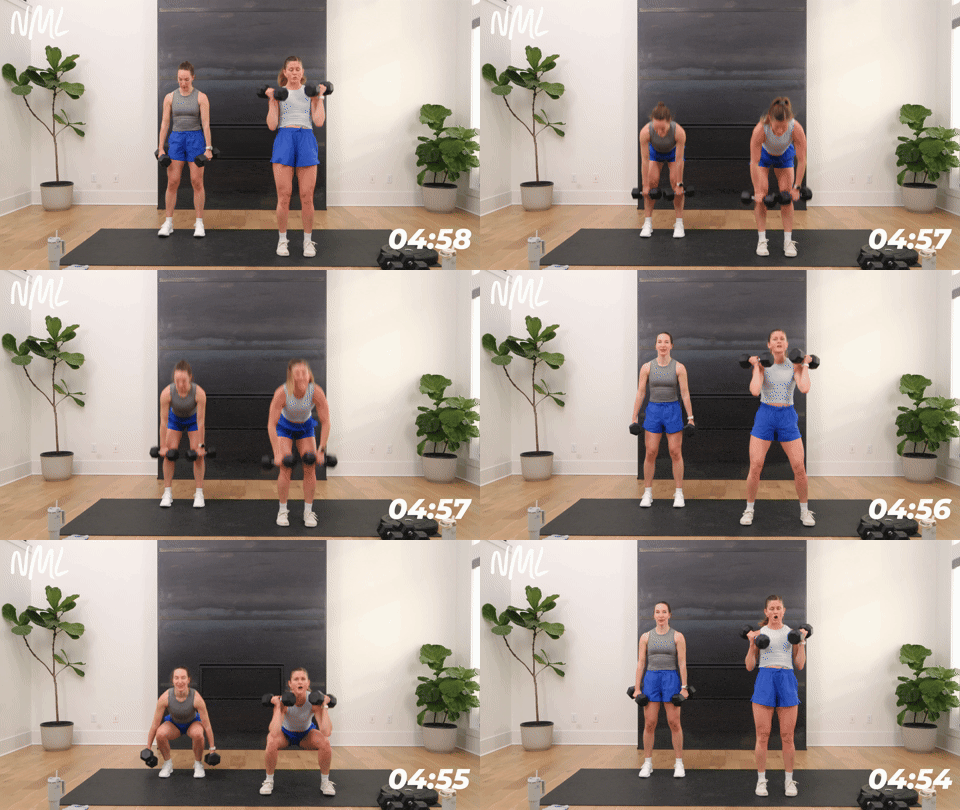
How to Do a Deadlift, Clean and Squat
- Stand with your feet hip-width apart, knees slightly bent. Hold a dumbbell in each hand in front of your hips, palms facing in towards your body.
- Hinge at the hips, pushing your hips back towards the wall behind you as you glide the dumbbells down the front of your legs. Engage your core to protect your lower back.
- Drive through your heels to stand tall, using the power in your legs to drive the dumbbells up towards your chest, catching them at shoulder-height (this is the “clean” portion of the movement).
- Hold the dumbbells at your shoulders and lower down into a squat position, lowering your hips down parallel to your knees. Drive your knees out toward your outer toes.
- Drive through your heels to stand tall, lowering the dumbbells to your hips and repeat.
Modification: Option to omit the dumbbell clean, keeping the weights at your sides.
11. Lateral Lunge
Targets: Legs, quads, outer glutes (gluteus medius), inner thighs (adductors) and hips.
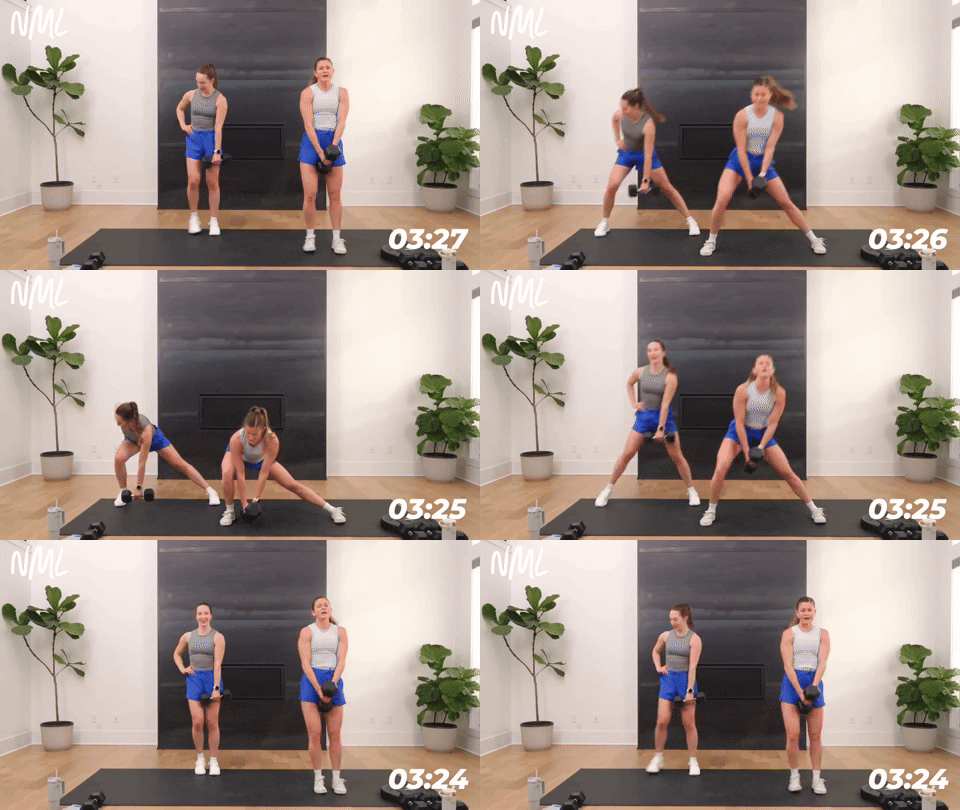
How to Do a Lateral Lunge
- Start standing, feet hip-width apart, knees slightly bent. Hold a dumbbell in your right hand.
- Step your left leg out to the side as you push your hips back, bending your left knee while leaving your right leg straight. Think of performing a single-leg squat with your left leg while your right leg remains straight. The dumbbell in your right hand will fall just inside your left foot.
- Drive off your left foot to reverse the movement, pushing back to the center and returning to a standing position.
12. Wall Sit
Targets: Legs, glutes, quads, hamstrings, hips and core.
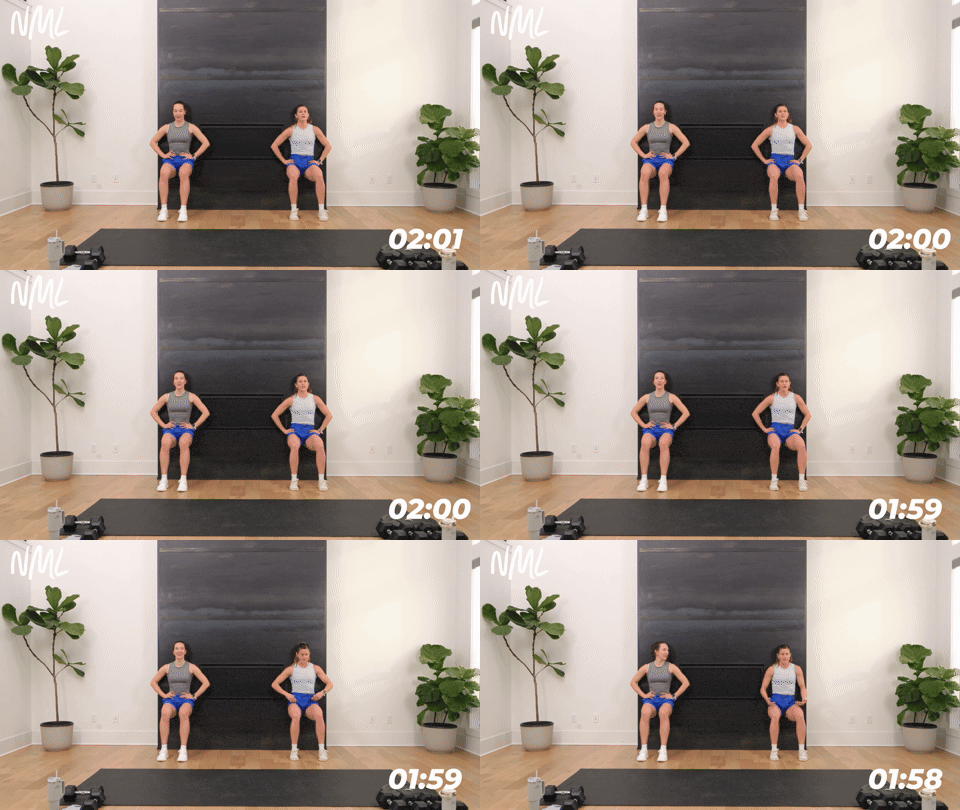
How to Do a Wall Sit
- Place your back flat against a wall. Plant your feet firmly on the ground, hip-width apart.
- Slide your back down the wall until your legs make a 90-degree angle, thighs are parallel to the ground, and hips are in line with knees.
- Hold this position with your back firmly connected to the wall.
- With control, stand up, return to the starting position, and repeat.
FAQs
Is a 20-30 minute leg workout enough to build strength?
Yes, when done correctly, a 20-30 minute leg workout is more than enough to build strength. The key is focusing on compound exercises, using good form, challenging resistance and minimizing rest so your muscles stay under tension. Short, intentional workouts are especially effective for busy schedules and can deliver real results when performed consistently 2-3 times per week.
Why is it important to train your legs?
Training your legs builds total-body strength, supports joint health and improves everyday movement like lifting, carrying, walking and climbing stairs. Strong legs and glutes also help protect your knees and lower back, boost metabolism by working large muscle groups and enhance balance and stability. This is important for both athletic performance and daily life.
How can I make a short leg workout more effective?
You can make short leg workouts more effective by incorporating progressive overload. This offers a great way to build muscle, maintain leg strength and feel fit. Keep in mind that you don’t necessarily need access to gym equipment like a leg press and leg extension machines to increase the intensity of your workouts. You can integrate progressive overload by lifting heavier weights, increasing reps or sets, extending your time under tension or incorporating shorter rest periods.
Why do deadlifts hurt my lower back?
Lower back pain during deadlifts is usually caused by improper form, such as rounding the spine, lifting too heavy or not engaging the core and glutes. Deadlifts should primarily target the hamstrings and glutes, not the lower back. Lowering the weight, bracing your core, hinging at the hips and maintaining a neutral spine can help prevent pain and improve performance.
What type of workout should I do the day after leg day?
The day after leg day is ideal for upper-body strength, low-impact cardio or active recovery, such as walking, mobility work or yoga. This allows your legs time to recover while still keeping you active, supporting muscle repair and helping reduce soreness without overtraining.
Free 2-Week Strength Program
More Workouts
Lower-BodyPin This Quick 20-Minute Leg Workout for Women
no comments