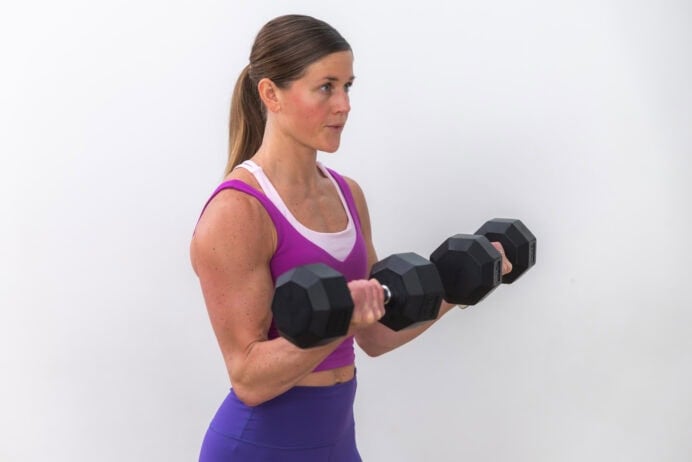



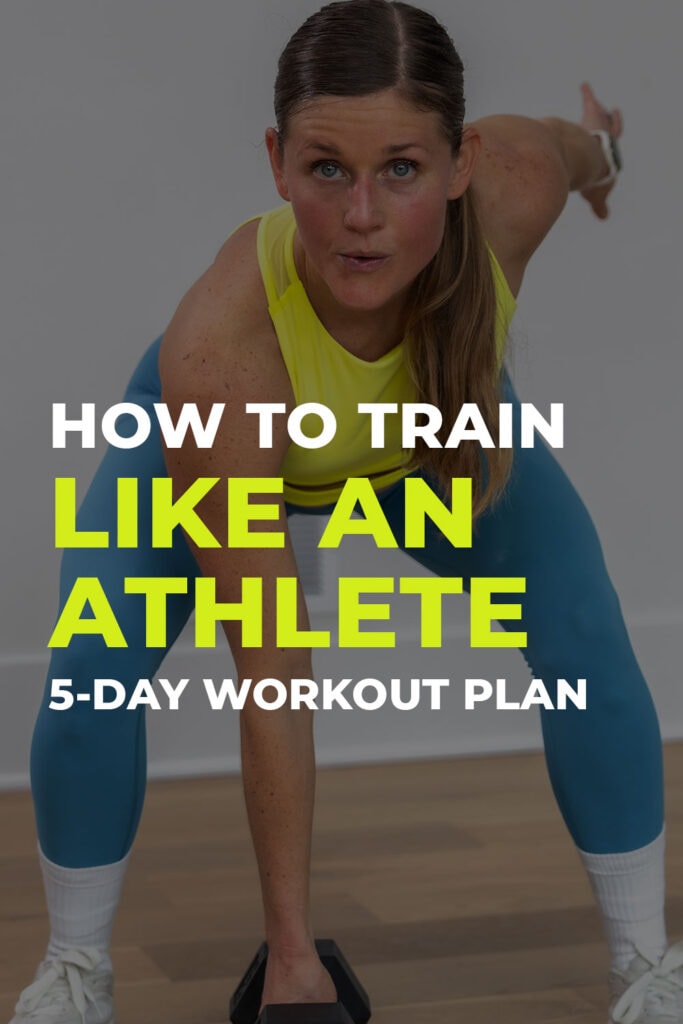
How to Train Like an Athlete
Learn how to train with purpose and build athletic strength, whether you’re new to fitness or looking to take your workouts to the next level. I’m breaking down what it means to train like an athlete, including how to structure your weekly routine, incorporate different types of workouts, use progressive overload, prioritize recovery and fuel your body for performance.
Quick Links:
- Essential Athletic Training Components
- Sample Athletic Training Plan
- Pro Tips and Considerations
- FAQs
I grew up as an athlete – I played volleyball in college, ran marathons after college and honestly can’t remember a time that I wasn’t training for something specific. So I used to think that “athletic training” meant spending hours doing endless conditioning drills with a specific goal in mind. Once I became a mom and shifted my workouts to my living room, I realized something important: training like an athlete is less about the sport and more about the approach. It’s a mindset, a structure and a commitment… and it’s something I’ve integrated into my at-home workouts for years without even labeling it that way.
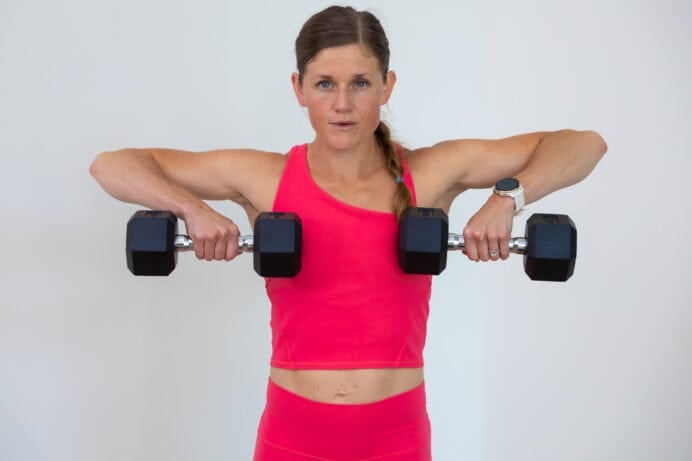
When I talk about “training like an athlete,” I’m referring to functional fitness-based training that makes me stronger, faster and more capable in real life. It’s really nothing fancy. In fact, if you’ve done any of my workout programs, you know that they’re all centered around functional training. As a mom, that might look like having the strength to carry a toddler on one hip while hauling groceries, or having the power and stability to sprint after a runaway scooter. The more I’ve incorporated athletic-style movement like strength, power, mobility and conditioning, the more I’ve noticed my energy, confidence and performance in everyday tasks improving.
An athletic training program also gave me a clear structure for my week. If you’re wondering how to create a training schedule that lets you train like an athlete, it starts with choosing specific workouts and rotating them intentionally. Most athletes don’t do the same type of workout every day; they blend strength work, speed and power, mobility, conditioning and recovery. All of those types of training are important, and all benefit you in different ways. When I’m planning my own week, I think in terms of movement patterns and goals rather than random workouts. For example, I might start the week with lower-body strength, follow with upper-body power, sprinkle in conditioning days and finish with mobility or active recovery. That structure helps me stay consistent without feeling burnt out.
Essential Training Components
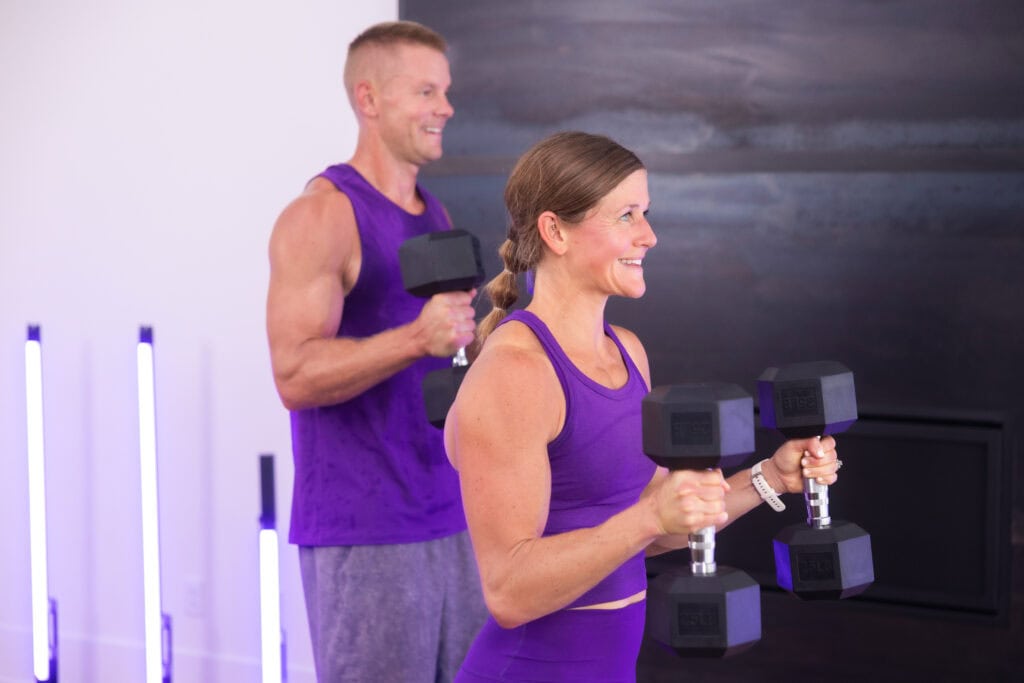
The key components of an athlete’s training routine are pretty simple: strength training, explosive or power-based movements, endurance or conditioning work, mobility training and recovery. When I combine these in my routine (even if I’m doing it between nap schedules and school pick-ups), I feel more balanced and less prone to plateaus. It keeps my workouts challenging in a way that feels intentional, not overwhelming.
Training like an athlete isn’t just about working harder; it’s about training smarter and more intentionally. In this post, I’ll break down the key components that make up an athletic-style routine: mixing different types of workouts, following a goal-focused plan, using progressive overload, prioritizing rest and mobility and fueling your body properly. I’ll explain how each of these elements works together to help you get stronger. I’ll also walk through practical tips for building a routine you can actually stick to at home.
Incorporate Different Workouts and Exercises
When I first started training with an athletic mindset, one of the biggest shifts I made was adding more variety to my routine. Athletes rarely repeat the same type of workout day after day – they build a well-rounded foundation by challenging their bodies in different ways.
I’ve noticed the most muscle definition since following a split-training routine that alternates lower-body strength, upper-body push, upper-body pull and full-body routines. While full-body strength workouts are great and certainly serve their purpose, it’s more effective to train by specific muscle groups so you can truly take those muscles to fatigue. If you’re not working within a couple reps of failure, you’re not lifting heavy enough to increase muscle mass.
While strength training is the foundation of my workout routine, I’m also intentional about including power, speed, agility, conditioning and mobility work. When I rotate between dumbbell lifts, bodyweight training, plyometrics, core work and mobility sessions, I’m not just avoiding boredom; I’m training multiple systems of the body so I can move better overall. Your heart is a muscle, and you have to train it to strengthen it. Similarly, you’ll lose power and agility if you don’t train those modalities as well. Adding plyometrics and speed work will keep you agile, which will help with injury prevention in the long run.
If you want to train like an athlete at home, variety is key. Mix up the movements, switch up the equipment you use and challenge your body in new ways from week to week. That’s how you build functional strength, prevent plateaus and continue progressing.
Prioritize Rest and Recovery
One thing I had to learn the hard way is that training like an athlete means knowing when to pull back. Prioritizing rest and mobility days is essential because that’s when your body actually rebuilds and gets stronger. When I give myself intentional recovery time, I notice better muscle definition, more energy going into my strength days and fewer aches and pains.
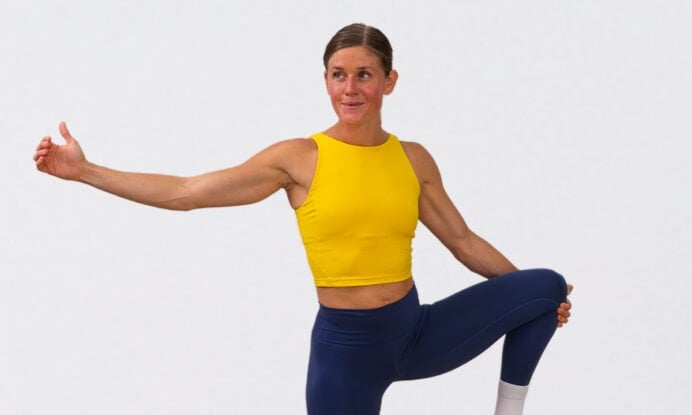
Mobility work has become a non-negotiable part of my routine, especially as I enter my late 30s. A short mobility flow or gentle stretch session helps my joints move better and improves my form during lifts. I typically start each day with a quick mobility flow, focusing on sticky points like my hips or shoulders. I also do a dedicated, longer mobility routine 1-2 times a week on my active recovery days. It’s important to remember that rest and recovery aren’t “skipping” a workout. They’re part of your training plan, and they’ll allow you to show up stronger for your next session.
Focus on Progressive Overload
Progressive overload is just as important in athletic-style training as it is in traditional strength training. In fact, it’s one of the reasons athletes continue to get stronger, faster and more powerful over time; they’re constantly challenging their bodies just a little more than the week before. I started seeing real progress in my own workouts when I began intentionally increasing the difficulty of what I was doing.
Progressive overload means that you are gradually and consistently increasing the intensity of your workouts over time. That doesn’t only mean that you’re lifting heavier weights. You should progress plyometric movements, increase the complexity of functional exercises or push your conditioning a bit harder. That might mean jumping higher, adding an extra rep or set, shortening rest intervals or advancing from a basic movement pattern to a more explosive version.
When you train like an athlete, your focus isn’t only on strength. It’s on strength, power, endurance, mobility and overall performance. Progressive overload keeps you accountable and ensures each of those areas continues to improve.
Follow a Structured Plan
If you have a specific goal, you need to follow a plan that actually matches that goal. When I used to jump from workout to workout without any real structure, I felt busy but not necessarily better. Once I started following a program built around the specific skills I wanted to improve (like getting stronger, building power or increasing my endurance), I noticed real change.
Whether your goal is to combine strength training and running, strength training and barre/Pilates or to get more steps in every day, a clear plan keeps you focused and makes sure each workout has a purpose. If your goal is to build strength, your weekly structure should prioritize progressive overload with heavier lifts. If you want to feel more explosive, you’ll want to sprinkle in power-based movements and plyometrics. If improving conditioning is the priority, you’ll need strategic intervals or steady-state cardio worked into your week. Athletes train with intention, and having a goal-aligned plan helps you do the same.
A thoughtful plan takes the guesswork out of your training program and helps you stay consistent, which is really the secret to seeing progress. When you know your workouts support your bigger goals, it’s much easier to stay motivated.
Fuel Your Body With Proper Nutrition
You can train hard, but keep in mind that what you eat is just as important as how you train. When I’m pushing my body, I can tell when my nutrition is dialed in because I recover faster, I have more energy during my workouts and I see better overall results.
Protein is probably most important for me. Since muscle repair happens after your workout, getting enough protein throughout the day helps you rebuild stronger and keeps you from feeling overly fatigued. I also pay close attention to my macronutrients in general, making sure I’m getting a balance of carbs for energy, fats for hormone health care and protein for muscle recovery. On days when I’m doing more intense athletic-style training, those carbs make the biggest difference in how powerful and explosive I feel.
Hydration is another thing I take pretty seriously. When I’m even slightly dehydrated, my body feels heavier, my performance dips and my recovery takes longer. Drinking water and electrolytes consistently throughout the day (not just during the workout) has been a game-changer.
While I’m definitely not perfect, I’ve found that eating more whole, nutrient-dense foods helps me stay fueled and avoid the sluggish feeling I get from overly processed options. When I prioritize clean, balanced meals, I train and recover better.
Nutrition doesn’t have to be complicated, but it should be intentional. Fueling your body well sets the foundation for every bit of progress you’re working toward.
Sample Athletic Training Plan
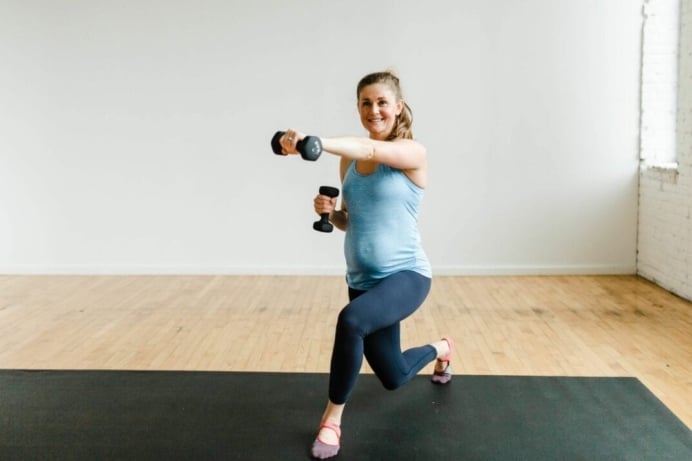
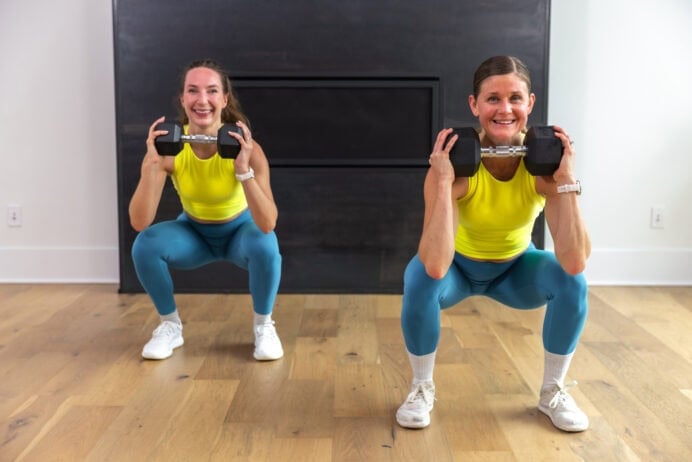
- Day 1: Legs and Back Workout targeting the glutes, quads, hamstrings and back. This workout would include compound strength exercises like squats, deadlifts, lunges, back rows, pull-ups and lateral raises.
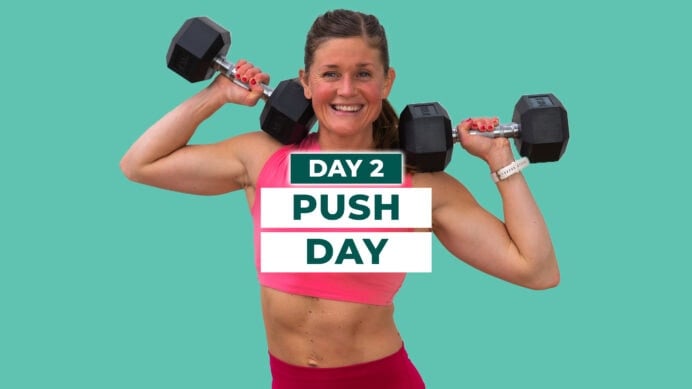
- Day 2: Upper-Body Push Workout targeting the chest, shoulders, triceps and core. This workout would include strength exercises like overhead presses, tricep extensions, chest presses, bench presses, skull crushers and push-ups.
- Day 3: Lower-Body Glute-Focused Workout targeting the legs, glutes, hamstrings, quads and hips. This workout would include exercises like squat, lunges, single-leg deadlifts, hip thrusts, calf raises and lateral movements. You could also include plyometric leg exercises to challenge athleticism.
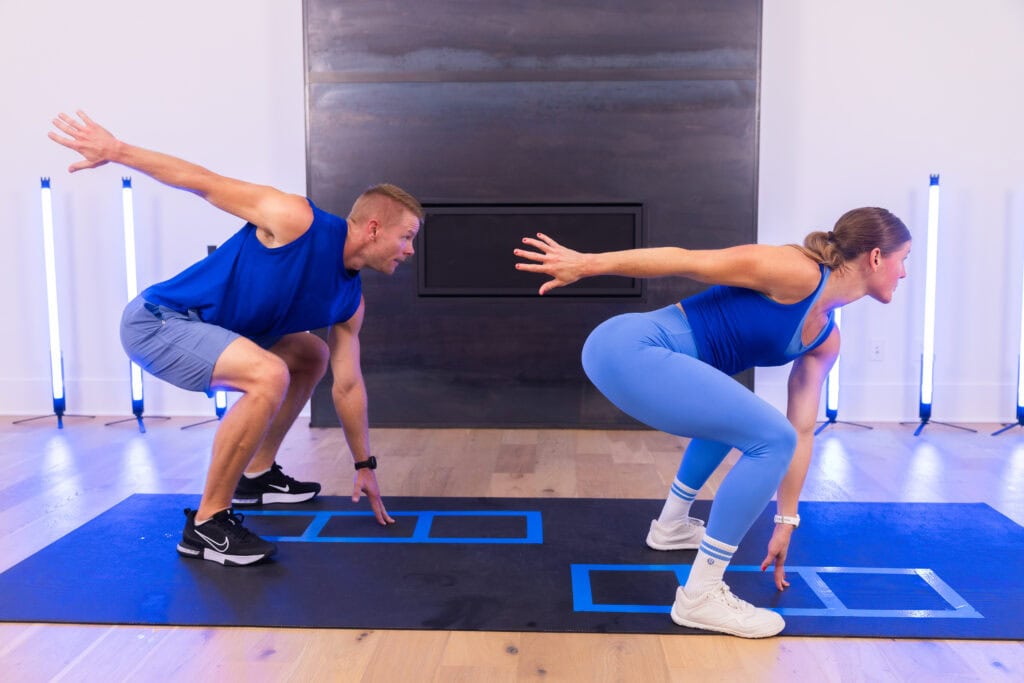
- Day 4: Cardio and Core Workout targeting the abs and core as well as cardiovascular endurance. This workout would be a break from dumbbell strength training, including exercises like hesiman runs and sprints to challenge, speed, agility and power. Option to substitute a tempo run or sprint/interval training work.
- Day 5: Full-Body Strength and Conditioning targeting total-body strength and endurance. This workout would include powerful strength and cardio exercises like dumbbell snatches and burpees.
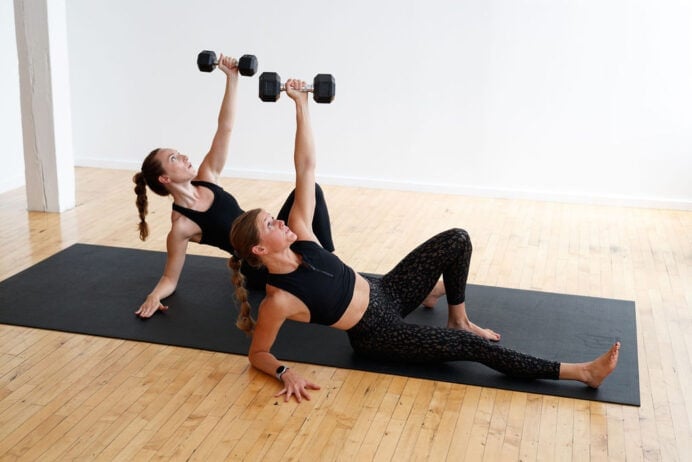
- Day 6: Rest/Active Recovery targeting total-body mobility and flexibility. This workout would include mobility exercises designed to strengthen the ankles, hips, shoulders and back.
- Day 7: Rest/Active Recovery targeting total-body mobility and flexibility. Option to take a long walk to shake things out.
Pro Tips and Considerations
- Start with a clear goal. Decide what you actually want to improve (strength, endurance, power, mobility or a combination). Your goal will guide your routine.
- Focus on quality movement first. I always make sure I have proper form before adding weight or intensity to physical activity.
- Mix up your workouts. Rotate strength, explosive power, conditioning and mobility sessions throughout the week so you’re training your body from every angle.
- Use progressive overload intentionally. Increase weights, reps, difficulty or intensity gradually.
- Prioritize recovery like it’s a workout. Mobility work, stretching, sleep, hydration and rest days are essential in your training.
- Fuel your body well. Eating enough protein, prioritizing whole foods and staying hydrated will keep your energy up and support recovery.
- Listen to your body. You don’t need to be “advanced,” but you should know your baseline fitness level so you can choose the right progressions. If something feels off, scale back or modify. Training like an athlete doesn’t mean pushing through pain.
- Be consistent, not extreme. It’s better to train smart and steady than to go all-out for a week and burn out. Consistency is what builds athletic strength.
- Consider any existing injuries or limitations. If something is already bothering you, it’s worth addressing it first or modifying movements to avoid setbacks.
- Be mindful of your weekly schedule. This type of training works best with a structured weekly routine, not random workouts.
- Consider access to equipment. You don’t need much, but having dumbbells, mini bands or a mat can help you add variety and progression.
- Shift your mindset. Think long-term. Athletic training is about steady improvement, not instant results.
FAQs
What types of workouts do athletes typically use to improve speed, strength, and agility?
Athletes usually blend several training styles to improve overall performance. Strength training builds the power needed for explosive movements. Plyometrics (like jump squats, box jumps or lateral hops) develop speed and reactivity. Agility work often includes quick directional changes or ladder drills to help with coordination and footwork. Many athletes, athletic trainers and personal trainers also incorporate sprint intervals or tempo runs into training programs to build both speed and endurance. The goal is to target multiple skills in a balanced way.
How often should I train each week to improve overall athletic performance?
Most people see great results with 3-5 days per week of intentional, varied training sessions. I like to structure my week with a mix of strength days, conditioning sessions and at least 1 mobility or active recovery day. If you’re newer to this style of training, starting with 3 solid sessions each week is plenty. As your body adapts, you can build toward 4-5. The key is consistency and giving yourself enough rest so you can actually perform well during your harder workouts.
What is the 4-2-1 rule for athletes?
The 4-2-1 rule is a guideline used to support wellness and performance through nutrition and hydration. It typically refers to the timing of meals before training or competition: 4 hours before, eat a larger, balanced meal (carbs, protein and healthy fats). 2 hours before, have a lighter, carb-focused snack. 1 hour before, stick to something very easy to digest or sip on fluids. It’s meant to ensure you’re fueled but not weighed down. That said, this is just a guideline; it’s certainly not a rule you need to adhere to if it doesn’t work with your schedule.
What is the 80% rule in running?
The 80% rule, or the 80/20 rule, says that about 80% of your running should be done at an easy, conversational pace, while the remaining 20% can be higher intensity (intervals, hills, sprints or tempo runs). This approach helps you improve endurance, reduce the risk of overtraining and make your harder, faster runs more effective. Even if you’re not a competitive runner, this method works well for improving overall conditioning.
Building Strength for Your Everyday
Training like an athlete isn’t about being on a field or competing in a sport; it’s about approaching your workouts with purpose, structure and a long-term mindset. That’s my favorite part about it and why it’s a focus of mine. At this point in my life, I’m training for motherhood and to be the best version of myself – now and as I age.
By trying a variety of workouts, using progressive overload, prioritizing rest and mobility, fueling my body and understanding how nutrition, hydration and recovery support peak performance, I’m seeing the best results from my workouts.
If you’re ready to challenge yourself and set your future self up for success, this style of training can help you get there. And if a busy mom of 3 can do it, you absolutely can, too.
More Posts
Educational FitnessPin This: How to Train Like an Athlete (With Sample Plan)
no comments