


Runner’s Knee: What It Is
If you’ve ever felt a nagging ache around your kneecap after a run or workout, you might be dealing with runner’s knee. As a personal trainer, I see this one all the time, especially in active women balancing strength training, running and busy schedules. As someone who’s had to deal with a knee injury myself, I also know how to support a healthy recovery. In this guide, I’ll walk you through the causes and symptoms of runner’s knee, how to treat it and simple, gentle exercises to protect your knees and keep you pain-free.
Quick Links:
- What Is Runner’s Knee
- Symptoms
- Treatment and Prevention Strategies
- Exercises to Help with Recovery
- FAQs
What Is Runner’s Knee?
Runner’s knee, also called patellofemoral pain syndrome (PFPS) or chondromalacia patella, happens when the kneecap rubs unevenly against the femur (thigh bone). This can cause irritation and pain around the front of the knee.
It’s common in runners, but it can show up in anyone who does a lot of repetitive lower-body movements like squats, lunges or cycling. It’s also one of the more common knee problems when you’re getting back into exercise after a break.
What Causes It
Runner’s knee can have several different causes. Some of the most common ones are:
- Repetitive movement from running, jumping or high-impact workouts (overuse injury).
- Weak thigh muscles, glutes and hips that don’t support proper movement.
- Kneecap slides unevenly during movement.
- Worn-out shoes or running shoes that don’t give enough support.
- Training on hard surfaces, hills or uneven terrain.
- Increasing mileage, intensity or frequency too quickly.
Risk Factors
Runner’s knee is more common in women, especially those doing high-impact workouts. Certain movements and habits can also increase your chances of developing it:
- Flat feet/arches or overpronation (feet rolling inward).
- Limited hip strength or stability (muscle imbalances/musculoskeletal weakness).
- Tight quads, hip flexors or calves.
- Knees collapsing inward (knee valgus) during movement (malalignment).
- Skipping warm-ups or mobility work.
Symptoms
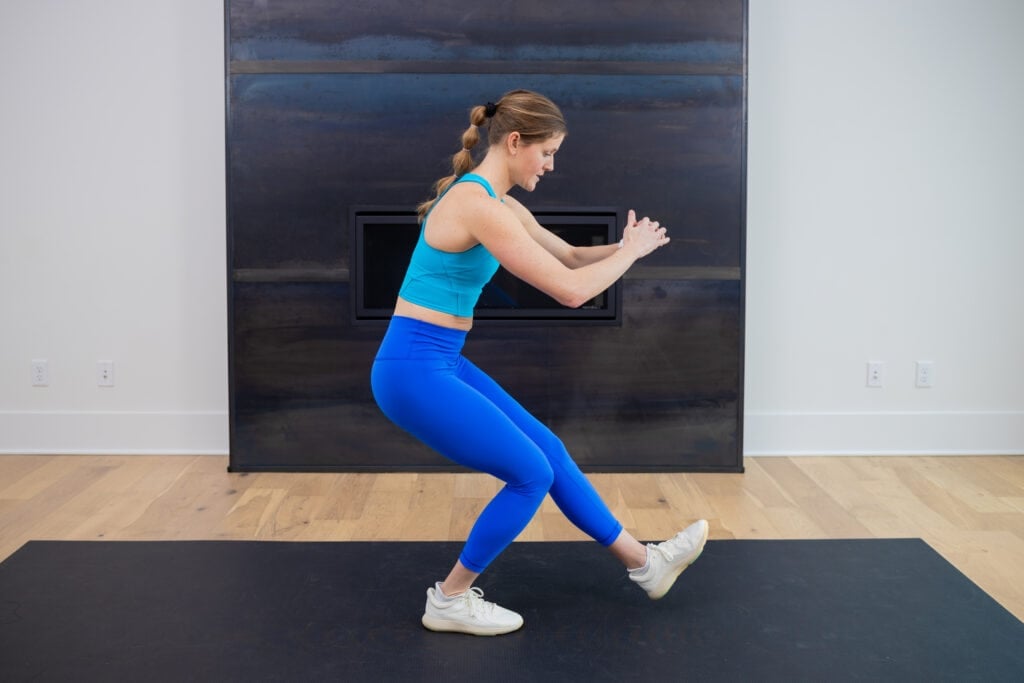
Common symptoms of runner’s knee include:
- A dull, lingering ache around or behind the kneecap.
- Pain that flares up with running, squatting, lunging or climbing stairs.
- Discomfort after sitting for long periods of time with your knees bent.
- Mild swelling or sensitivity around the front of the knee.
- Clicking, cracking or a grinding feeling when bending the knee.
A simple way to test for it is to see if these symptoms are triggered by movements like squatting or going down stairs. In my experience, this pain usually creeps in gradually. It might start as a mild annoyance after physical activity, then become more noticeable if it’s not addressed.
If your knee pain becomes sharp, your knee feels unstable or you notice swelling that doesn’t go down with rest, it’s time for a physical exam with a healthcare provider or physical therapist.
Treatment and Prevention Strategies
It’s important to address runner’s knee early instead of waiting for the pain to get worse. Ignoring it can make recovery longer and increase your risk of future knee issues.
Some people find relief using over-the-counter options like ibuprofen to help manage inflammation and discomfort, but medication alone isn’t enough. Combining gentle movement, targeted strengthening and proper recovery strategies gives your knee the best chance to heal.
The RICE Method
One of the first steps I recommend is the RICE method, a common approach in sports medicine: Rest, Ice, Compression and Elevation. Here’s how it works for runner’s knee:
- Rest: Take a break from high-impact activities that aggravate your knee. Gentle movement, like walking or light stretching, is fine.
- Ice: Apply ice to the kneecap for 15-20 minutes at a time, a few times a day, to reduce inflammation and ease pain.
- Compression: Knee sleeves or wraps can help support the knee joint and reduce swelling. Make sure it’s snug but not too tight.
- Elevation: When possible, prop your leg up to help fluid drain and reduce swelling.
Strengthening and Physical Therapy
Strengthening the muscles around your knee is really important to long-term recovery. I’ve seen how much of a difference it makes when your glutes, hips, quadriceps and core are strong. They all help your kneecap track smoothly and reduce stress on the joint.
To make it easy to start, I’ve put together a guide with gentle exercises for knee recovery, targeting the muscles that support proper tracking and stability. Runners can also check out leg workouts and pre- and post-workout stretches to keep knees strong and mobile.
If your pain sticks around or your movement patterns need correction, you may need physical therapy. Usually, you start with gentle exercises and gradually move to more weight-bearing or high-impact movements as your knee gets stronger.
Consistency is everything. Even doing a few targeted exercises a few times a week can reduce pain, improve stability and help prevent runner’s knee from coming back.
Additional Tips and Strategies
Here are a few other things I recommend to treat and prevent runner’s knee:
- Knee braces or taping: These can provide extra support and help your kneecap move more smoothly while you’re exercising.
- Check your footwear: Make sure your shoes fit correctly and aren’t worn out. Supportive shoes reduce stress on your knees.
- Ease back into activity: Don’t jump straight into your previous workouts. Increase mileage, intensity or impact gradually so your knee has time to adjust.
- Prioritize warm-ups and mobility: Loosening your hips, quads and calves before a workout can help prevent irritation and keep your knees moving freely.
- Mind your movement patterns: Pay attention to how your knees track during exercises. Small adjustments in form can make a big difference in reducing stress.
5 Gentle Exercises to Help With Recovery
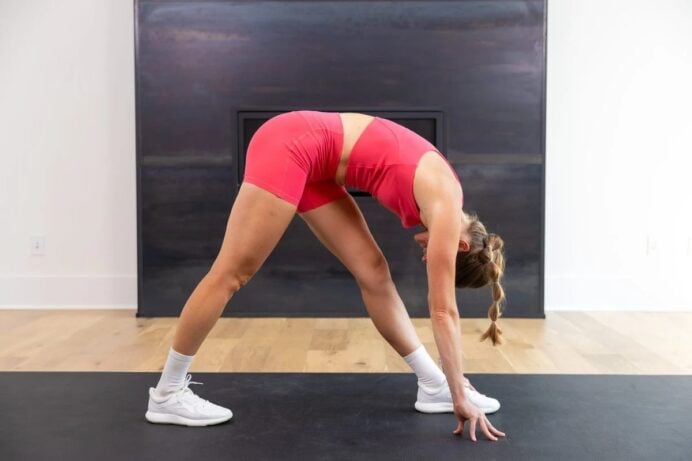
1. Hamstring Stretch
Targets: Hamstrings, calves, hips and lower back.
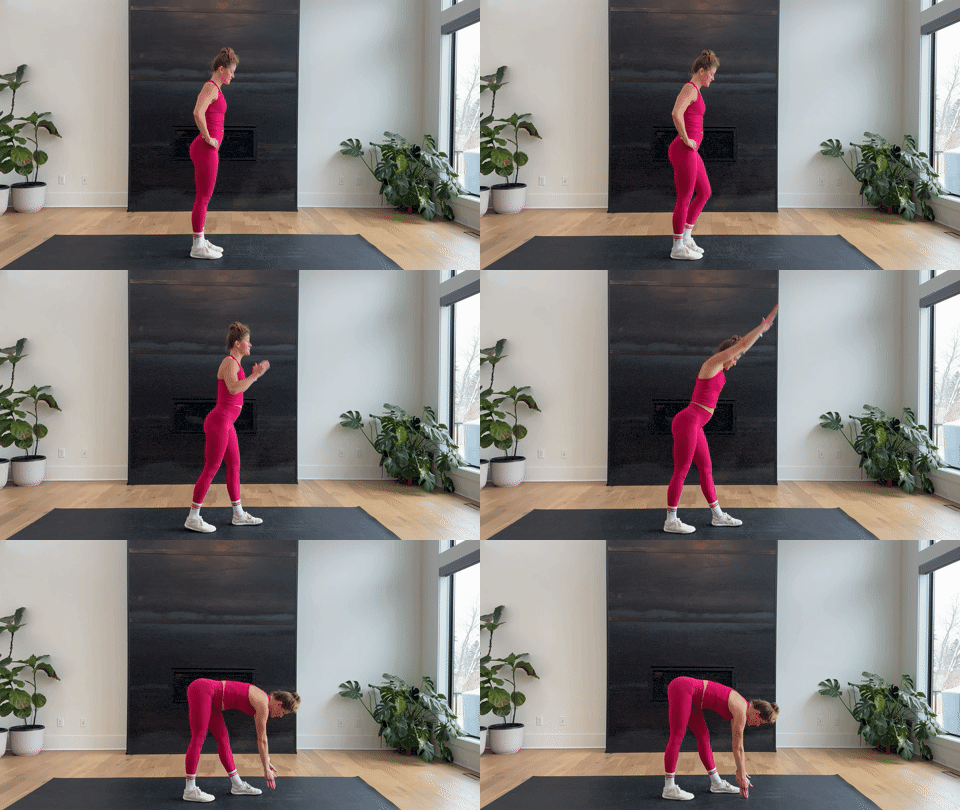
How to Do a Hamstring Stretch
- Start standing in Mountain Pose, feet hip-width apart or slightly wider if needed, toes pointing forward.
- Inhale to reach your arms overhead, lengthening through your spine.
- Exhale and hinge your upper body forward at the hips, softening your knees and folding toward the floor. Push your hips back as you reach your fingertips toward the mat in a forward bend.
- Keep a gentle bend in the knees if your hamstring muscles feel tight.
- Hold each fold (or rotation) for 20-30 seconds, breathing deeply and feeling the stretch along your hamstrings and spine.
Modification: Bend your knees slightly if a straight leg feels too intense.
2. Quad Stretch
Targets: Hips, hip flexors, groin, quads, glutes, low back and core.
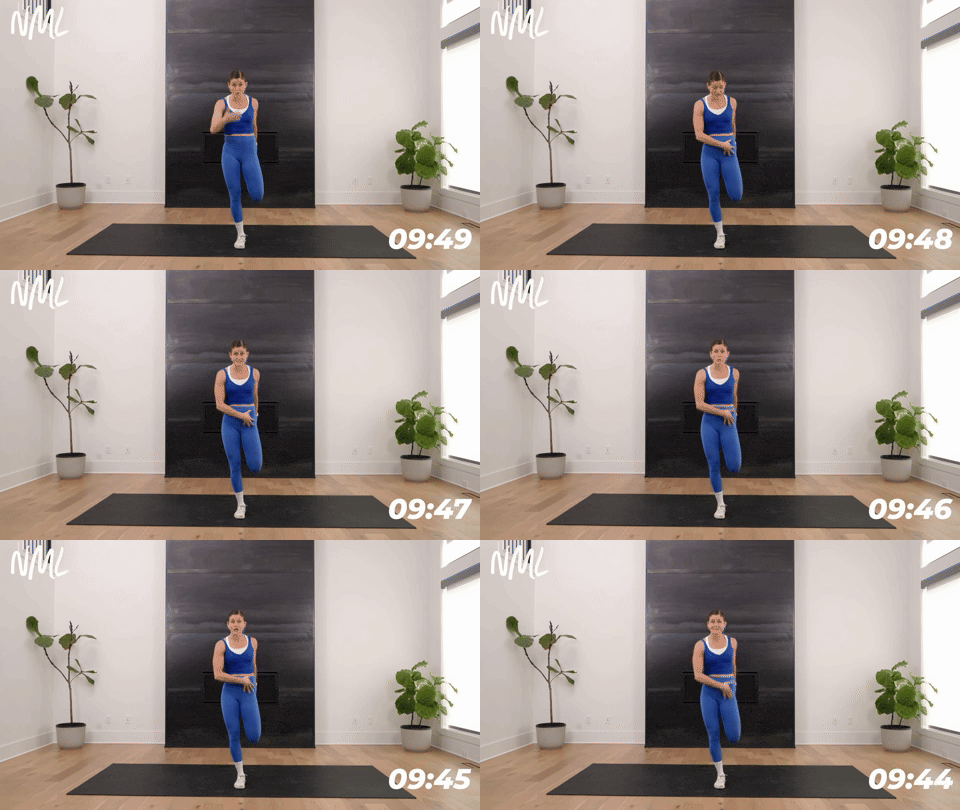
How to Do a Standing Quad Stretch
- Stand tall with your feet hip-width apart and core engaged for balance.
- Shift your weight onto your left leg and bend your right knee, bringing your right heel up toward your glutes.
- Reach your right hand back and grab the top of your right foot or ankle.
- Gently pull your heel closer to your glutes, keeping your knees close together and hips square.
- Stand tall and avoid arching your lower back — aim to feel a stretch through the front of your right thigh and hip.
- Then slowly release and switch sides.
3. Runner’s Lunge
Targets: Hips (abductors), hip flexors, groin, quads, glutes, hamstrings and low back.
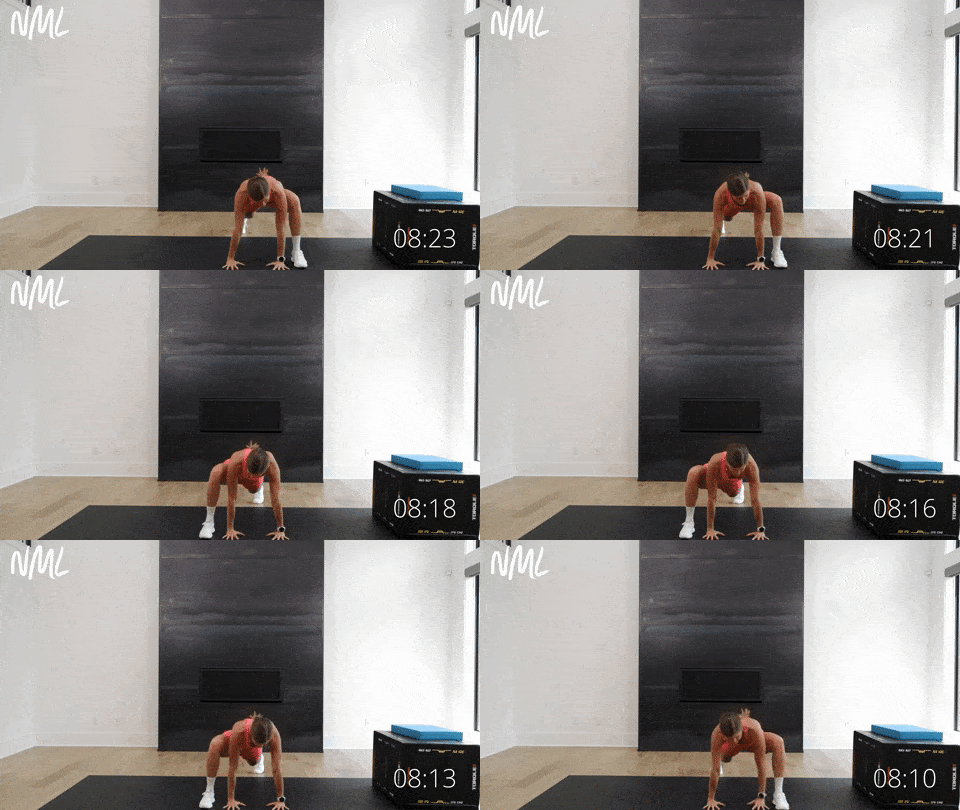
How to Do a Runner’s Lunge
- Start in a high plank position; shoulders stacked over wrists, core engaged. Pull your kneecaps up towards your belly, feet hip-width apart.
- Step your left leg forward, planting it outside of your left hand. Left knee bent, right leg straight.
- Exhale as you drop your hips slightly toward the ground, deepening the stretch.
- Inhale, stepping your foot back to the center and returning to the high plank starting position.
- Switch sides, this time stepping your right foot forward and planting it outside of your right hand. Hold for a few breaths, relaxing into the stretch.
Modification: Drop your back knee to the ground if holding a high plank position feels too intense.
4. Clamshell
Targets: Gluteus medius and gluteus minimus.
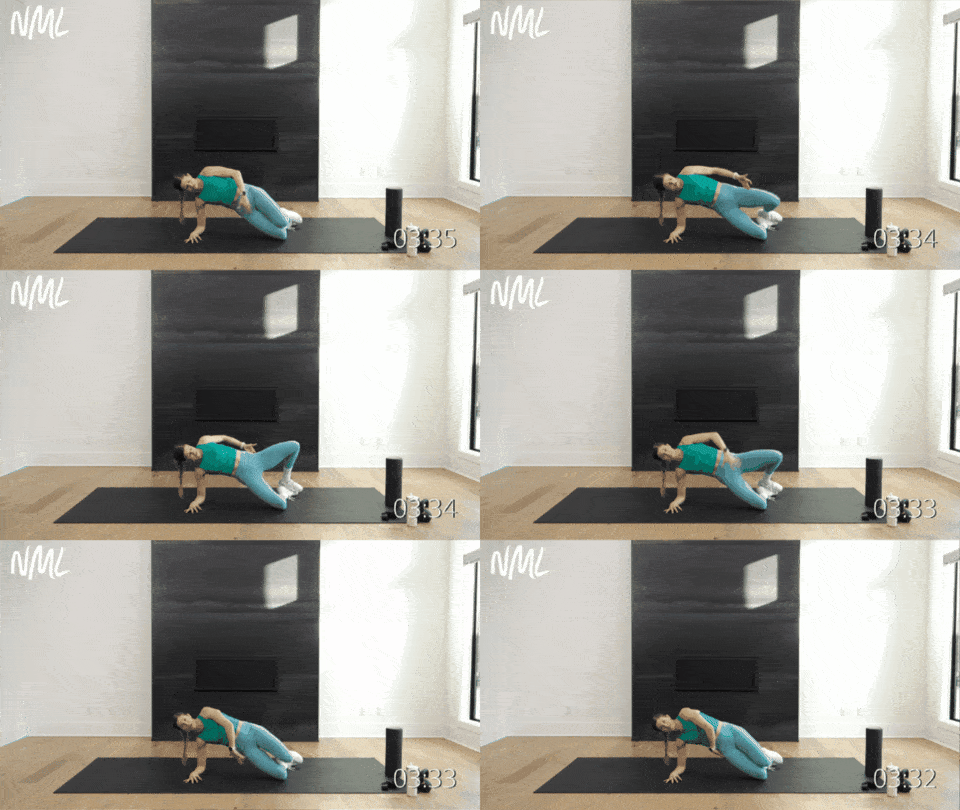
How to Do a Clamshell
- Lie on your side, with your legs stacked and knees bent at a 45-degree angle, soles of the feet to touch.
- Rest on the forearm of your lower arm, shoulder stacked over elbow. Exhale to engage the core and stabilize your spine and pelvic floor.
- Keeping your feet touching, use your outer glutes and hips to lift your resting hip off the floor. Simultaneously, as you lift your hips off the floor, open your legs, raising your upper knee as high as you can without shifting your hips or pelvis (mimicking a clam shell opening).
- Pause and hold at the top of the movement for a moment. Then return to the starting position.
Modification: Lift your knee only as far as feels comfortable. If you feel any pain in the hips during this one, you can incorporate additional stretching exercises for hip pain.
5. Donkey Kick
Targets: Glutes, hamstrings and core.
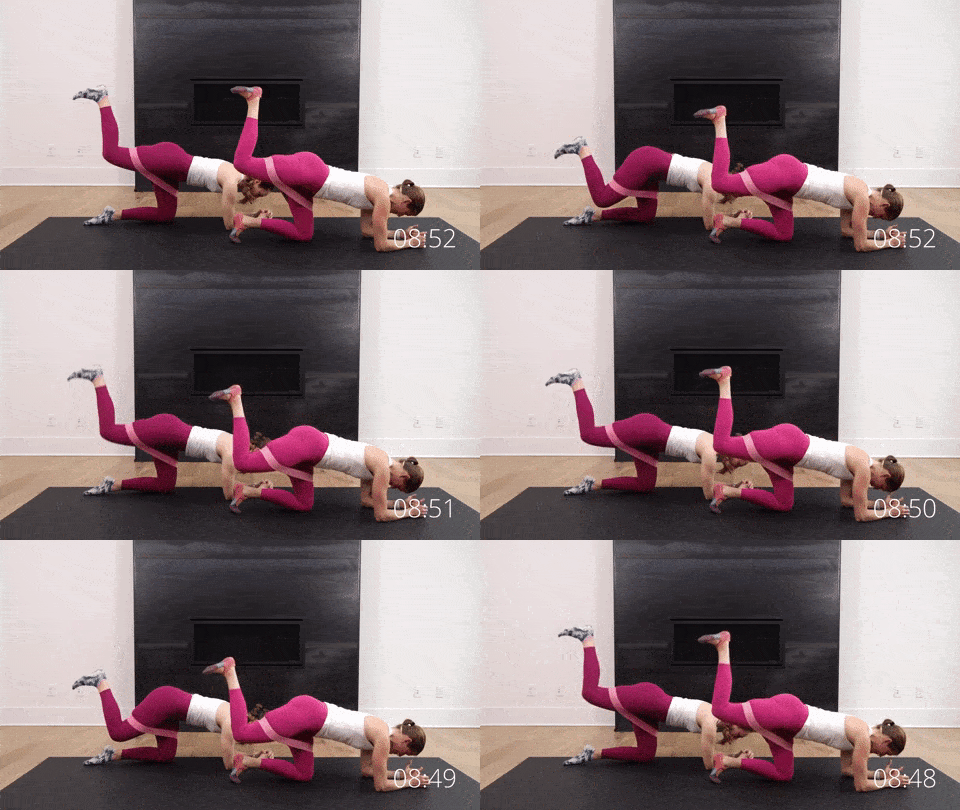
How to Do a Donkey Kick
- Start in a tabletop position on all fours with knees bent at 90 degrees and hips stacked over knees. Option to place a resistance band about 6 inches above your knees to increase the intensity.
- Place your forearms on the mat, with your shoulders stacked over your elbows.
- Keep your right knee bent at 90 degrees and lift your right leg off the ground, pressing your heel toward the ceiling. Focus on squeezing your glutes instead of arching your back.
- Slowly lower your knee back to the starting position with control.
Modification: Reduce your range of motion to where the movement feels comfortable.
FAQs
Can you continue running with runner’s knee?
It depends on how bad the pain is, but I generally wouldn’t recommend continuing to run. Mild discomfort might be manageable with shorter runs, lower intensity or using more supportive shoes. If you feel sharp pain, swelling or instability, it’s best to take a break and focus on recovery first.
What are common mistakes that worsen runner’s knee?
Pushing through pain, increasing mileage or intensity too quickly, skipping warm-ups or mobility work and neglecting hip and glute strength can all make runner’s knee worse. Wearing worn-out shoes or running only on hard surfaces can also play a part.
How long does it take for runner’s knee to heal?
Recovery time varies, but many people notice improvement in 4-6 weeks with consistent care. Some mild cases may improve faster, but more persistent or severe irritation can take a few months.
Can runner’s knee go away on its own without treatment?
Sometimes minor cases improve with rest and light activity, but ignoring runner’s knee can lead to lingering pain or recurring issues. Targeted exercises and addressing movement patterns speed up recovery and lower the risk of it coming back. You can start with workouts for bad knees or more structured knee injury workouts to build strength safely.
When should you see an orthopedic specialist for runner’s knee?
If your pain is severe, swelling persists, your knee feels unstable or you can’t put weight on it, it may be time to get medical advice from an orthopedic specialist. They can perform a physical examination, order X-rays if needed and check for underlying issues like early osteoarthritis. The doctor may also recommend shoe inserts or custom orthotics as treatment options to help support proper knee alignment and reduce stress on the joint.
Let’s Get Stronger, One Step at a Time
Runner’s knee can be frustrating, but consistent steps to address it can make a big difference. By understanding what’s happening in your knee, addressing movement patterns and adding strengthening exercises and mobility work, you can reduce pain and support better knee health.
With some patience, you can rebuild strength, protect your knees and get back to the runs, workouts and activities you love, stronger and more confident than before.
More Posts
Educational FitnessPin This: Runner’s Knee: What Is It? (Plus Recovery Tips and Strategies)
no comments