



Should You Do Cardio Before or After Weight Training?
Whether you should do cardio before or after weight training is one of the most common fitness debates. I’m breaking down the pros and cons of each approach, what the science says and how your personal goals (whether strength, endurance, fat loss or general health) should guide the order of your workouts.
Quick Links:
- Strength Training Before Cardio
- Cardio Before Strength Training
- Taking a Hybrid Approach
- It All Depends on Your Personal Goals
- FAQs
This is a question I get asked all the time: Should I do cardio before or after weight training? The answer isn’t as simple as one being “better” than the other. It really comes down to what you want most out of your workout… and that can change depending on your personal goals.
As both a fitness trainer and a mom who’s trying to balance family life with my own fitness journey, I always tell people that you want to put your best energy toward the thing that matters most to you. If you’re training for a race or trying to improve your cardiovascular endurance, you’ll get the most out of your workout by doing your cardio first. On the other hand, if your goal is to build muscle and strength, you’ll want to lift first.
Let’s break down the pros and cons of each approach, and discuss how you can attack a hybrid training approach as well.
Strength Training Before Cardio
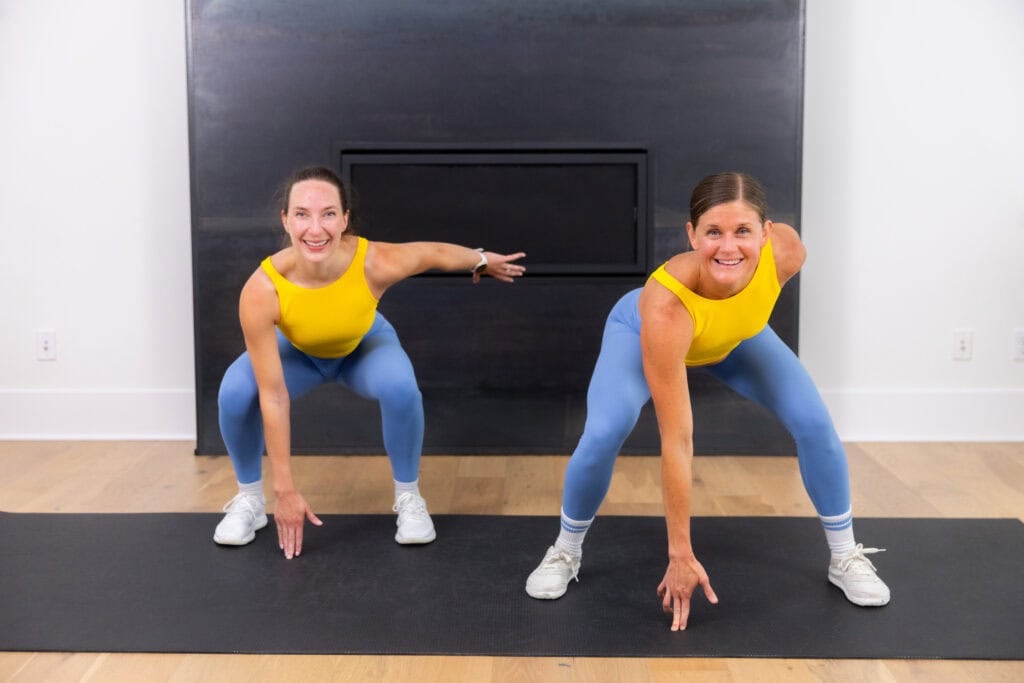
As a woman in my late 30s, my primary goal right now is to put on as much muscle as I can before perimenopause. That means I don’t want to start my strength session already fatigued from a run or a long cardio session. I want my muscles fresh so I can lift heavier weights and train with good form.
For people like me who are focused on building strength, weight training before cardio has many benefits:
- Prioritizes muscle strength and growth. Lifting when your muscles are fresh helps you move heavier weights and train with better form. If muscle gain (hypertrophy) or strength is your top priority, this is a huge advantage.
- Improved fat burning post-workout. After weight training, your glycogen stores are depleted. Doing cardio after lifting can encourage your body to tap into fat as a fuel source more efficiently.
- Better hormonal response. Research suggests lifting first can boost testosterone and growth hormone levels, both of which support muscle gain.
I aim to complete 4-5 strength workouts per week. I also have a goal of getting 10K steps per day. My step goal encourages me to get out for a walk or complete some form of low-impact cardio every day. That said, heart health is really important to me. I typically aim for cardio intervals or sprint training 1 day per week. This is a great combination for my personal goals right now.
By saving cardio for the end of my training session (or by scheduling my high-intensity interval training for a different day), I can give my all to my strength reps without holding back. Once the hard work of resistance training is done, I can tack on a bit of cardio if I have time – maybe low-intensity steady state or zone 2 cardio – to support my heart health.
This approach is best if you’re prioritizing strength gains. If you’re focused on body recomposition (building muscle while losing fat), or if you find cardio easier to “push through” at the end of a workout routine, you’ll benefit from strength training first.
I’m often asked if you should hop on the treadmill for 10 minutes before lifting to “warm up.” In my opinion, you don’t need to use cardio as a warm-up for a strength workout. Instead, I prefer a dynamic warm-up that mimics the movements I’ll be doing in my lifts. For example, if I’m about to squat, I’ll do bodyweight squats, hip openers and glute activation exercises. That way, the right muscles are firing, and I’m setting myself up to use proper form and avoid injury once I start adding weight.
Cardio Before Strength Training
While my personal approach is to prioritize strength training, there are plenty of situations where doing cardio before weights makes sense. If you’re training for a half-marathon, prepping for a cycling event or just want to improve your stamina, it’s better to hit your cardio while your legs are fresh. That’s when you can push harder, go longer and make real improvements in endurance.
The benefits of cardio before strength training include:
- Improves endurance and stamina. If you’re training for a specific race, triathlon or simply want to get better at running or cycling, putting aerobic exercise first ensures you can give it your best.
- Warms up your body. A solid cardio session beforehand increases heart rate and circulation, which may reduce injury risk when lifting. That said, I do prefer a dynamic warm-up to ensure you’ve got the proper muscles firing.
- Can aid fat loss (indirectly). Cardio first burns through glycogen stores, potentially nudging the body toward fat oxidation during weights, but the long-term fat loss or weight loss difference is minimal.
The downside is that you might not have as much energy left for your lifts. Fatigue can compromise your form, which can potentially increase your risk of injury and make it harder to build muscle.
That said, if cardiovascular health and endurance are your priority, you should do cardio first. You can add short, compound lifts that target multiple muscle groups and encourage functional fitness.
If you’re a runner or are training for a race, I’d recommend following a running and strength training workout plan that alternates cardio days with strength training days. That way, you can put all of your focus on your cardio endurance workouts on those days. On your strength training days, you’ll have energy for a workout that strengthens and supports the muscles you need to be a better runner.
Taking a Hybrid Approach
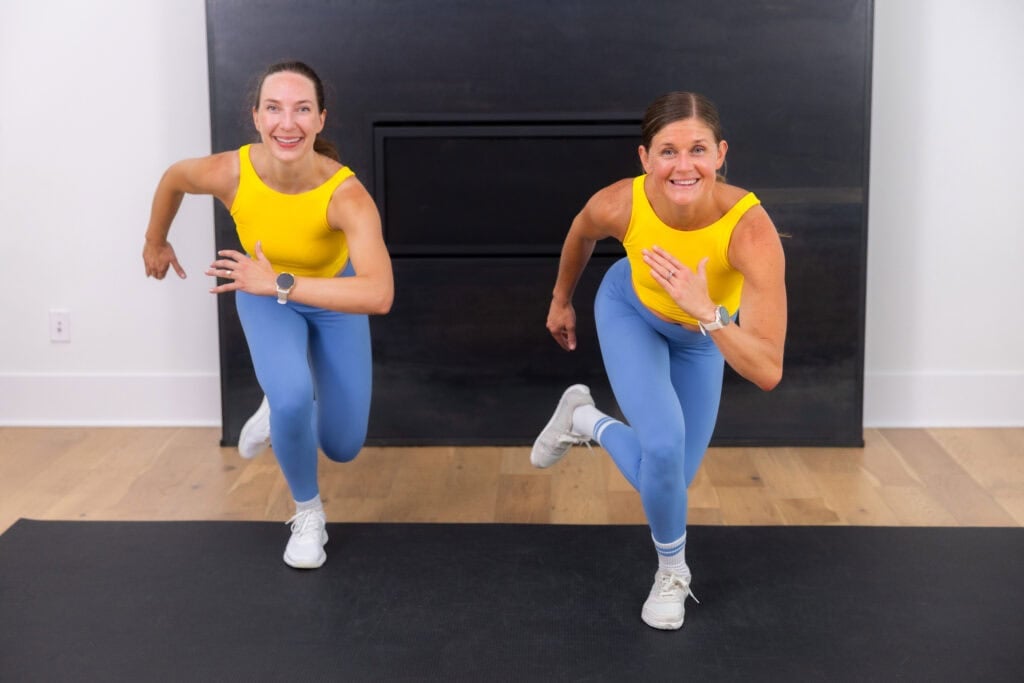
So, can you do cardio and strength training on the same day? Absolutely – the trick is in how you structure it. If you have the time, you might lift in the morning and go for a run later in the day. Or you might do a strength workout and then finish with 20 minutes of moderate cardio. If you’re short on time, blend the 2 into a circuit-style workout, alternating between weights and short bursts of cardio.
Each approach has its benefits. Splitting sessions gives you more energy for each, while combining them can be time-efficient and great for overall fitness. If your main goal is to be healthier, stronger and more energetic in everyday life, then honestly, the order doesn’t matter all that much. What matters is that you’re moving consistently and challenging your body.
It All Depends on Your Personal Goals
So, should you do cardio before or after weights? The bottom line is that it depends on your goals. If building strength or muscle mass is your priority, weights should come first. If your main goal is endurance or stamina, cardio should come first. And if your goal is simply to improve your overall health and you’re not chasing something specific, the order doesn’t matter nearly as much. What matters most is that you’re moving your body consistently.
This is also why I encourage people not to stress too much about getting it “perfect.” I know that as a mom, there are days when I just need to fit in whatever I can. Sometimes that means strength first, sometimes it’s a quick cardio session, and sometimes it’s a little bit of both. Consistency always beats perfection.
FAQs
Should you do cardio before or after a workout?
Whether you do cardio before or after a workout depends on your fitness goals and priorities. If you want to build muscle and strength, lift first. If you want to build endurance or improve your cardiovascular fitness, do cardio first. If your goal is overall health or fat loss without a specific focus, the order doesn’t matter nearly as much as simply staying consistent with your workouts.
Is 20 minutes of cardio enough or too much after lifting weights?
20 minutes of cardio after lifting is a sweet spot for most people. This is enough to boost your heart rate, burn calories and support fat loss without impacting your strength or muscle-building goals. If your focus is strength and hypertrophy, I wouldn’t recommend much more than 20-30 minutes of moderate cardio after lifting. If endurance is your main priority, you’ll probably want longer cardio sessions, ideally separated from your strength training.
Getting Stronger Together
I offer a variety of workout plans for every stage of your fitness journey. Whether you’re looking to build muscle through a progressive overload workout plan or want to combine strength and running through a hybrid training plan, I’ve got you covered. Your goals will probably change over time, and that’s completely fine!
Prioritize the movement you enjoy, and adjust your training schedule as it makes sense for you. Whatever you choose, you’re still showing up for yourself, and that’s what truly matters.
Fitness Info
Fitness EducationPin This: Cardio or Weights First? How to Structure Your Workouts

no comments