
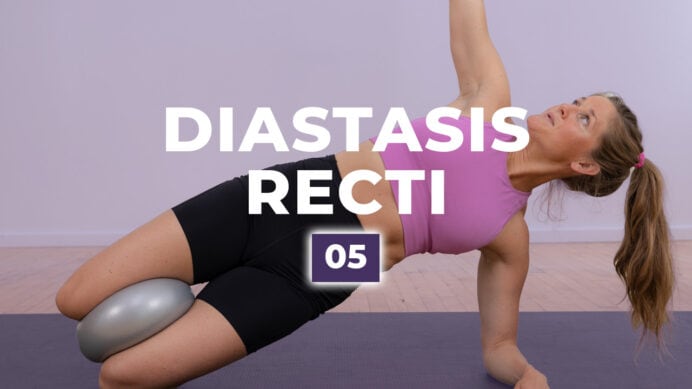



Benefits of Pilates: What It’s Good For
The benefits of Pilates start with core work, but I’ve also found it to be one of the most effective ways to build strength, improve mobility and support how my body moves day to day. In this guide, I’m sharing the top physical benefits, who it’s best for and how to get started with a regular Pilates practice. Whether you’re completely new to Pilates or looking to deepen your practice, this is a great place to start.
What Is Pilates?
Pilates is a low-impact exercise program that emphasizes controlled movement, proper alignment and core activation. It was developed in the early 20th century by Joseph Pilates. He originally created it to rehab injured soldiers and support dancers in building strength without added strain.
At its core, Pilates focuses on strengthening the deep stabilizing muscles, especially the core muscles, pelvic floor and lower back, while improving flexibility and range of motion. Every movement is intentional, with an emphasis on breath control, better posture and quality over quantity.
There are 2 main types of Pilates: mat Pilates and reformer Pilates. Mat Pilates uses your own bodyweight and small equipment like resistance bands or sliders, making it easy to do at home. A reformer Pilates practice requires a machine with springs and pulleys to add resistance and support for a different challenge and feel.
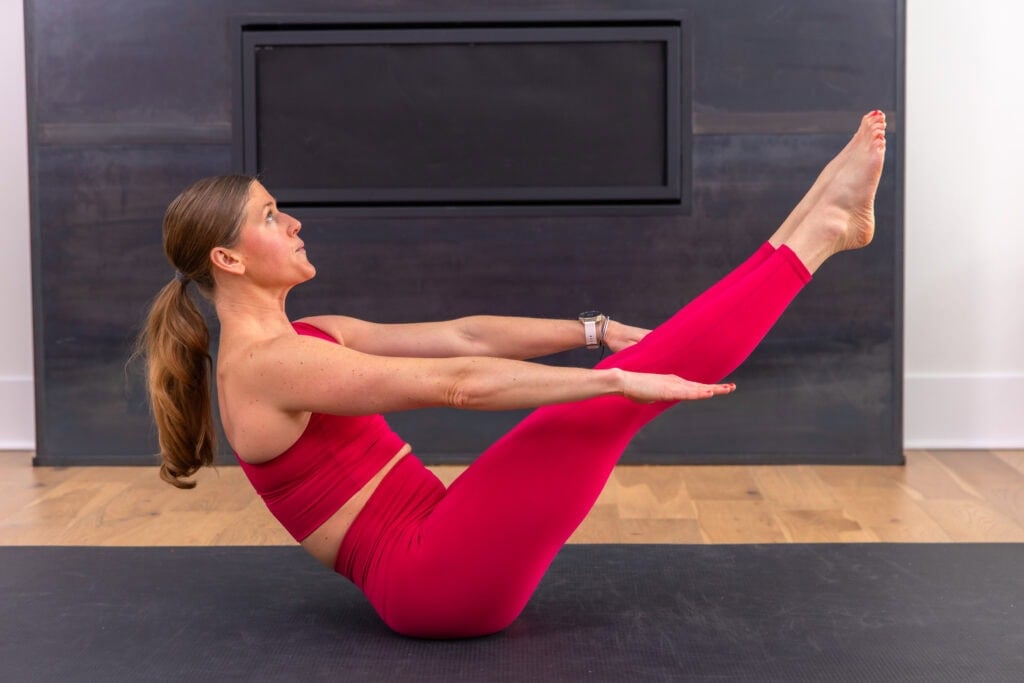
9 Benefits of Pilates
Improves Core Strength
One of the biggest reasons I recommend Pilates is for core strength, especially if you want to hit those deep abdominal muscles that don’t always get targeted in traditional workouts. Pilates focuses on activating the transverse abdominis, pelvic floor and muscles that stabilize the spine for a stronger, more supported midsection.
Over time, a strong core through ab workouts like Pilates can improve your stability, reduce low back pain and support other workouts and daily movement.
Enhances Posture
Pilates emphasizes alignment and good posture. Many of the exercises target the muscles in your upper back, shoulders and core that help you stand taller and sit with better support. If you spend a lot of time at a desk or carrying kids, strengthening these postural muscles can make a noticeable difference in how your body feels throughout the day.
Increases Flexibility and Mobility
Pilates combines strength with controlled range-of-motion work, which can help improve your flexibility and joint mobility. I’ve found this especially helpful for reducing stiffness and moving more freely, whether that’s during workouts or everyday activities.
Better mobility also supports long-term joint and physical health and can help your body move more efficiently and with less discomfort.
Helps Tone Muscle and Build Endurance
Pilates uses slow, intentional movements to challenge your muscles, which can help build endurance and create a more toned appearance over time. It targets key muscle groups like the core, glutes, hips, thighs and upper-body muscles, often engaging multiple areas at once.
While it’s not the most efficient workout for weight loss on its own since you won’t burn as many calories compared to higher-intensity training, I like it as part of a balanced routine. Over time, a consistent Pilates practice can support a more defined look, with the bonus of improved strength, stability and overall movement quality.
If your goal is a more structured approach that blends Pilates with strength and fat-burning, check out my workout plan for the 3-2-8 Method.
Improves Balance and Coordination
Because Pilates movements are so precise, they require focus and stability, which can improve both balance and coordination. It also improves proprioception, or your body’s awareness of movement and position in space.
Many Pilates exercises challenge your ability to control your body through different positions, helping strengthen stabilizing muscles. This can translate to better control in other workouts and more confidence in everyday movement.
Strengthens Mind-Body Connection
Pilates encourages you to slow down and really focus on how your body is moving. Every exercise is paired with controlled breathing and muscle engagement, which helps build a stronger mind-body connection. Over time, this can improve how effectively you activate certain muscles and move with more awareness.
Builds Functional Strength
The health benefits of Pilates carry over into real life. Instead of isolating a single muscle, many of the exercises train multiple muscle groups to work together while reinforcing proper alignment and core stability. That kind of functional strength can make everyday tasks like lifting, bending, reaching and carrying feel easier and more supported.
I also find it helps improve how efficiently I move, which can reduce strain on joints and make me feel stronger in other workouts.
Supports Injury Prevention and Recovery
The Pilates method can be a great option if you’re looking for a low-impact way to support recovery or reduce your risk of injury. By focusing on proper alignment, core stability and controlled movement, it helps reinforce good movement patterns and address common imbalances that can lead to strain.
I’ve found it especially helpful alongside higher-impact training like running or weight work, where better stability and control can reduce unnecessary stress on the joints.
Can Help Reduce Stress and Support Mental Well-Being
The slower, more methodical pace of Pilates sessions can feel like a quality-of-life reset compared to higher-intensity workouts. The focus on breathing and intentional movement can help calm your nervous system and reduce stress. I like using Pilates not just for muscle strength, but as a way to step away from the day, reset mentally and give myself a mental health boost.
Who Pilates Is Ideal For
I recommend Pilates training for anyone looking to build core strength, improve posture and move with more control. It’s a great option if you prefer low-impact workouts, are getting back into a wellness routine or want something that supports strength and mobility.
I like recommending it for pregnant women, beginners, older adults or anyone dealing with minor aches and pains. I also find Pilates supportive during life transitions like postpartum or menopause, when joint health, stress and core strength become even more important.
Pilates may not be the best standalone option if your goal is building muscles or high-intensity cardiovascular fitness. If that sounds more like you, I suggest pairing it with traditional strength training or adding in workouts like weightlifting, HIIT or barre for more variety. The best form of exercise is choosing a combination that supports your goals and keeps you consistent.
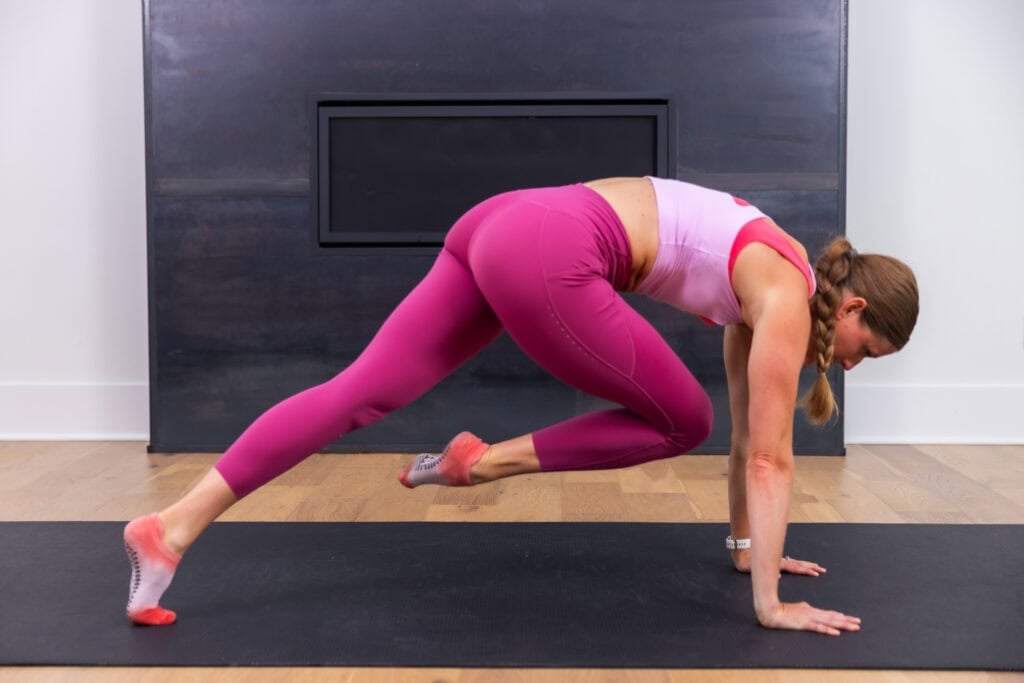
How to Get Started
New to Pilates? Here are some quick tips to get you started:
- Start with 2-3 Pilates workouts per week to build consistency without feeling overwhelmed.
- Choose beginner-friendly mat Pilates workouts to learn proper form and breathing before progressing to anything more challenging or requiring Pilates equipment.
- Focus on slow, controlled movement rather than rushing through the exercises.
- Prioritize core engagement and alignment over intensity or range of motion.
- Try a mix of short (10-20 minute) and longer (30-40 minute) Pilates sessions to keep your practice fresh.
- Pair Pilates with other training, such as traditional strength workouts and cardio, for a well-rounded routine.
- Stay consistent and track how your fitness level, strength, posture and mobility improve over time. You’ll start to feel it before you see it!
Consider taking a Pilates class or following one of my guided videos to better understand cues and technique.
FAQs
Is there anyone who should avoid doing Pilates?
Pilates is safe for most, but I always recommend checking with your doctor or physical therapist if you’re dealing with a recent injury, chronic pain or a condition that affects your spine or joints. Certain movements may need to be modified in those cases. If something doesn’t feel right, I suggest slowing down, adjusting the movement or skipping it altogether.
Is yoga or Pilates better for spondylolisthesis?
For spondylolisthesis, I tend to lean toward Pilates because of its focus on core stability and spinal support. Strengthening the deep core muscles can help better support the spine, which is important for managing this condition.
Yoga and Pilates can be beneficial when done with proper modifications, and it’s important to avoid movements that place excess strain on the lower back muscles. If you’re not sure where to start, your healthcare provider or physical therapist can point you in the right direction.
How long does it take to see results from Pilates?
You may start to feel a difference in strength, posture and body awareness within 2-4 weeks of a consistent practice. Visible changes in muscle tone and endurance typically take closer to 6-8 weeks, depending on how often you’re doing Pilates workouts. Like most workouts, consistency drives results.
What is dynamic reformer Pilates?
Dynamic reformer Pilates is a term some Pilates studios use to describe a more intense style of reformer Pilates. Some Pilates instructors use the terms interchangeably, so “dynamic reformer” may just be a standard reformer class. It depends on the studio. In both cases, you’ll be using a reformer machine for a more fluid, fast-paced workout.
Is Pilates cardio or resistance training?
Pilates is primarily a form of strength training because it uses bodyweight and controlled movement to build strength. While some faster-paced classes can elevate your heart rate, Pilates is not typically considered an aerobic workout. I usually recommend pairing Pilates with dedicated cardio or additional resistance training if you’re looking for a more well-rounded fitness routine.
Consistent Movement Over Perfection
Your Pilates workout doesn’t need to be perfect to be effective, but it is most effective when you focus on how you move. I always encourage listening to your body, staying intentional with your breathing and prioritizing quality in each movement over rushing through a workout.
What matters most is consistency. Keep showing up for yourself in whatever way fits your season of life, even if it’s just a short session. Over time, those small, consistent efforts add up to real changes in strength, mobility and how your body feels day to day.
More Posts
Educational FitnessPin This: The Benefits of Pilates
This post includes affiliate links. I do earn a commission for products purchased using these links (at no additional cost to you). Thank you for supporting Nourish Move Love, making the content you see on this blog possible.
no comments