


20-Minute Full-Body Workout Routine (Max 20 Day 10)
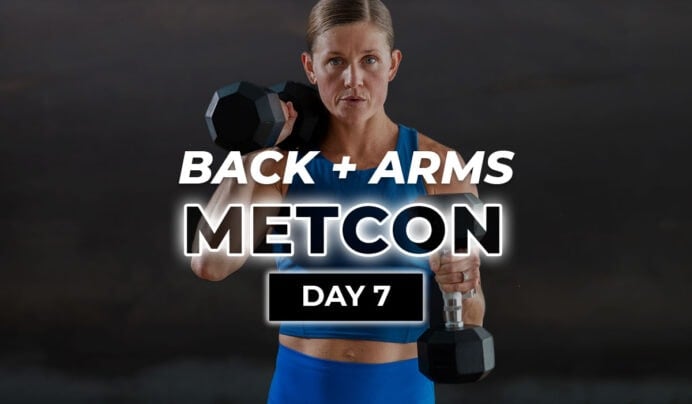
This 20-minute full body workout routine is designed to build strength, coordination and lean muscle at home. Featuring powerful compound moves like uneven squats, walking lunges and tricep push-ups, this routine targets your upper body, lower body and core in one efficient session. The rep-drop ladder format lets you keep lifting heavy even as fatigue sets in, helping maximize muscle growth while keeping your workout fast and effective.
This is DAY 10 of my Max 20 Program.
LET’S GET STARTED
Download Your FREE Workout Plan & Workout Tracker Here
Download the PDF calendar for this workout plan with a daily workout tracker so you can measure your progress.
Download Plan
We’re wrapping up the week with a full-body workout routine that’s all about efficiency and results. I love ending the week with full-body training because it hits every major muscle group in one go (no need to isolate body parts or spend hours at the gym).
This session focuses on compound movements that strengthen multiple muscles at once, improve coordination and make every minute of your workout count. You’ll incorporate fundamental movement patterns like squatting, lunging, pushing and pulling.
As a busy mom and certified personal trainer, I’m all about making strength training simple, effective and realistic at home. You don’t need fancy machines or complicated routines to get stronger — just a pair of dumbbells and a few minutes to press play. This workout hits your upper body, lower body and core with exercises like deadlifts, uneven squats, tricep push-ups, walking lunges and alternating dumbbell cleans with presses.
By the end, you’ll feel stronger and more coordinated.
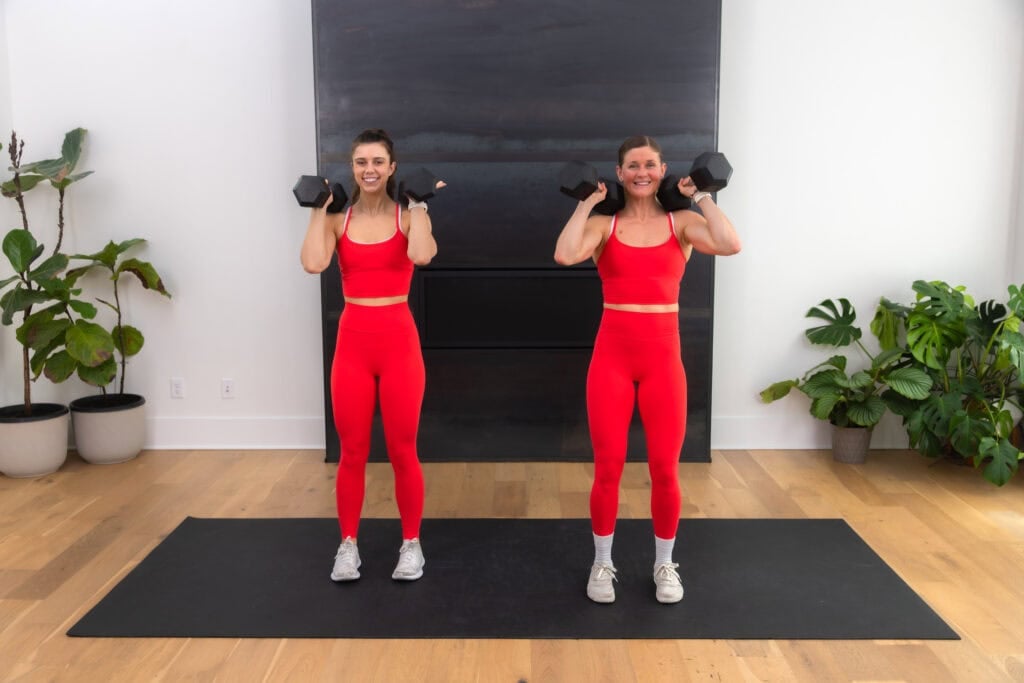
Full-Body Workout Details
Build full-body strength with these effective total-body exercises.
I suggest doing full-body workout routines like this one 1-2 times per week as part of a well-rounded workout routine.
Workout Equipment
Medium-to-Heavy Dumbbells. I’m using 20-25 lbs.
Workout Instructions
Follow along with the guided 20-Minute Full-Body Workout on YouTube, led by me — your certified personal trainer, Lindsey Bomgren.
Your Workout Looks Like This:
- 20 Rep Buy In
- 4 Full-Body Exercises
- Rep-Drop Ladder (Complete each exercise for 12 reps, 10 reps, 8 reps and 6 reps.)
- Repeat All 4 Exercises x 4 Sets
Workout Outline
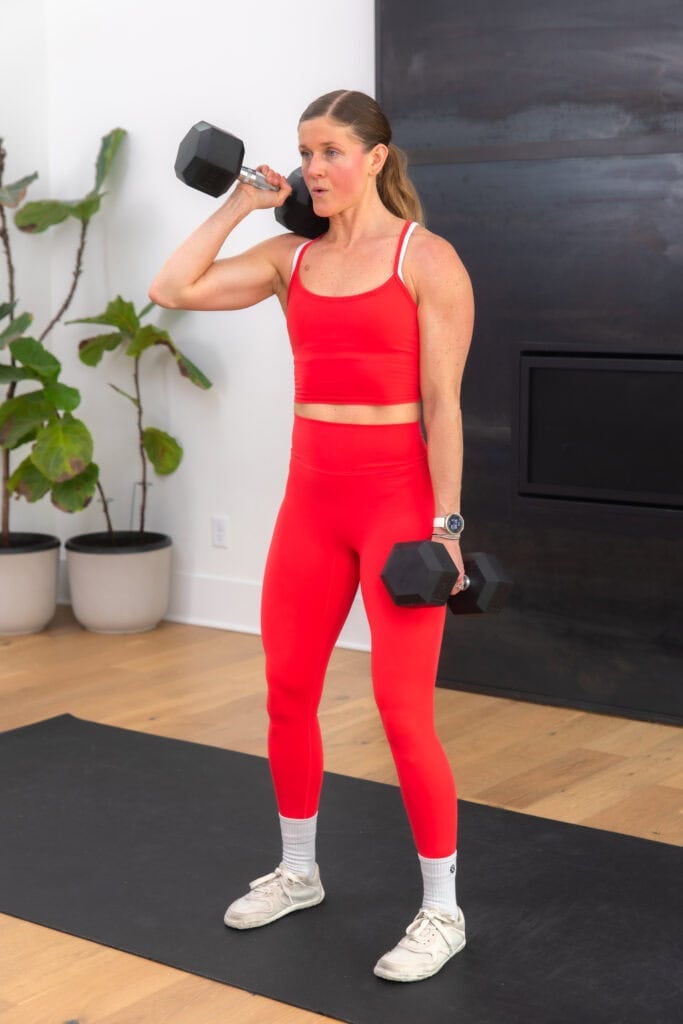
1. Alternating Clean and Single-Arm Press
Targets: Shoulders, triceps, upper chest, upper back, core, hips and glutes.
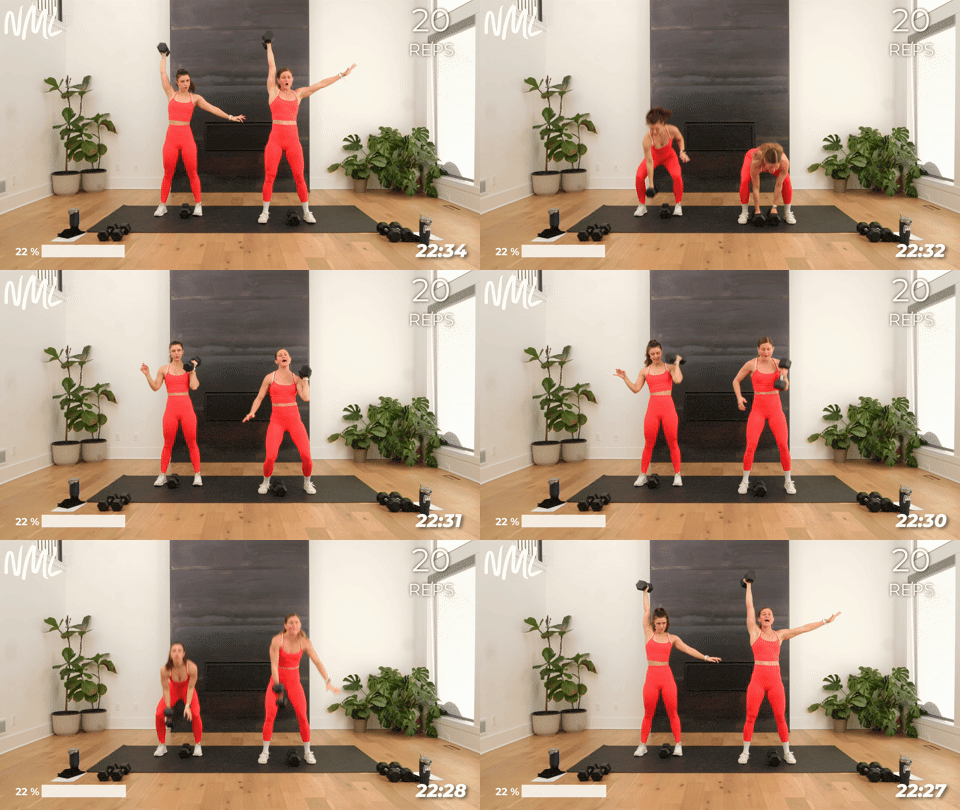
How to Do an Alternating Dumbbell Clean and Single-Arm Press
- Start standing with your feet about shoulder-width apart, and place a pair of dumbbells on the ground between your feet.
- Bend your knees and hinge at the hips, reaching to grab one of the dumbbells. Keep your chest up and your back flat as you load into the hips and glutes.
- Drive through your heels to stand tall while explosively pulling one dumbbell up the body in a clean motion. As the weight reaches shoulder height, rotate your elbow underneath and “catch” the dumbbell in a front rack position at your shoulder.
- From here, stabilize your core and press the dumbbell overhead with that same arm until your elbow is fully extended and your bicep is near your ear.
- Lower the dumbbell back to your shoulder with control, then return it to your side.
- Repeat the movement on the opposite side, alternating arms each rep: hinge, clean one dumbbell to the shoulder, press overhead and reset before switching sides.
2. Deadlift, Single-Arm Clean and Uneven Squat
Targets: Hamstrings, glutes, quads, lower back, core, shoulders and arms.
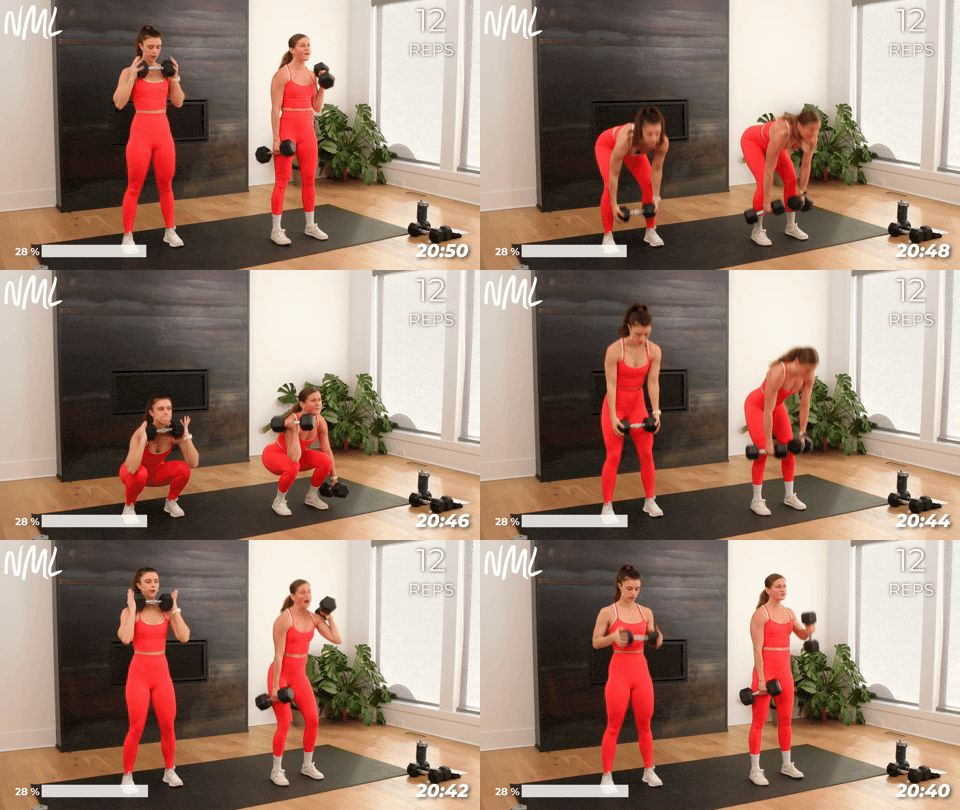
How to Do a Dumbbell Deadlift, Single-Arm Clean and Uneven Squat
- Start standing with your feet about hip-width apart, holding a dumbbell in each hand at your sides.
- Hinge at the hips and slightly bend your knees to lower the dumbbells toward the ground, keeping your back flat and chest lifted. This is your deadlift. Feel the stretch in your hamstrings and glutes as you lower.
- Drive through your heels to stand tall, explosively pulling one dumbbell toward your shoulder in a clean motion. Catch the dumbbell in a front rack position with your elbow tucked under.
- Next, sit your hips back into an uneven squat, keeping the dumbbell at your shoulder. Bend both knees until your thighs are parallel to the floor. Keep your chest upright and core engaged.
- Push through your heels to return to standing, then lower the dumbbell with control back to your side.
- Alternate sides with each rep, performing the deadlift, single-arm clean and uneven squat on the opposite side while keeping your form steady and controlled.
Modification: Option to hold one dumbbell horizontally at your chest, making this a deadlift, clean and squat.
3. Tricep Push-Up
Targets: All 3 heads of the triceps muscle, along with the chest, shoulders, upper back and deep core.
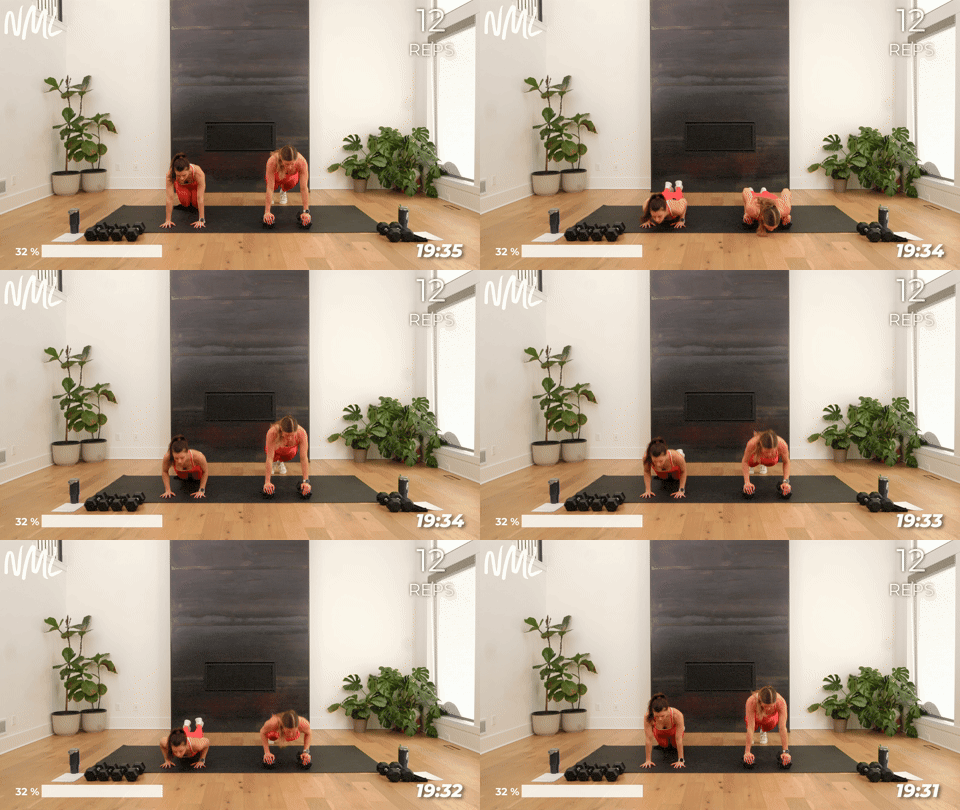
How to Do a Tricep Push-Up
- Begin in a high plank position with your shoulders directly over your wrists and your hands placed slightly narrower than shoulder-width apart. Spread your fingers wide and press firmly into the floor. Option to place your hands on a sturdy pair of dumbbells if you experience wrist pain.
- Engage your core and glutes, creating a straight line from the top of your head through your heels. Keep your gaze slightly ahead of your fingertips to maintain a neutral neck.
- Slowly bend your elbows, keeping them tight to your ribs as you lower your chest toward the floor. Avoid letting your hips sag or pike up.
- Press through your palms to straighten your arms, returning to the high plank position. Exhale as you push back up.
Modification: Perform the movement on your knees to reduce the load. You can also elevate your hands on a bench, couch or sturdy chair for an incline variation that reduces intensity while maintaining proper form.
4. Walking Lunge
Targets: Legs, quads, glutes, hamstrings, inner thighs and core.
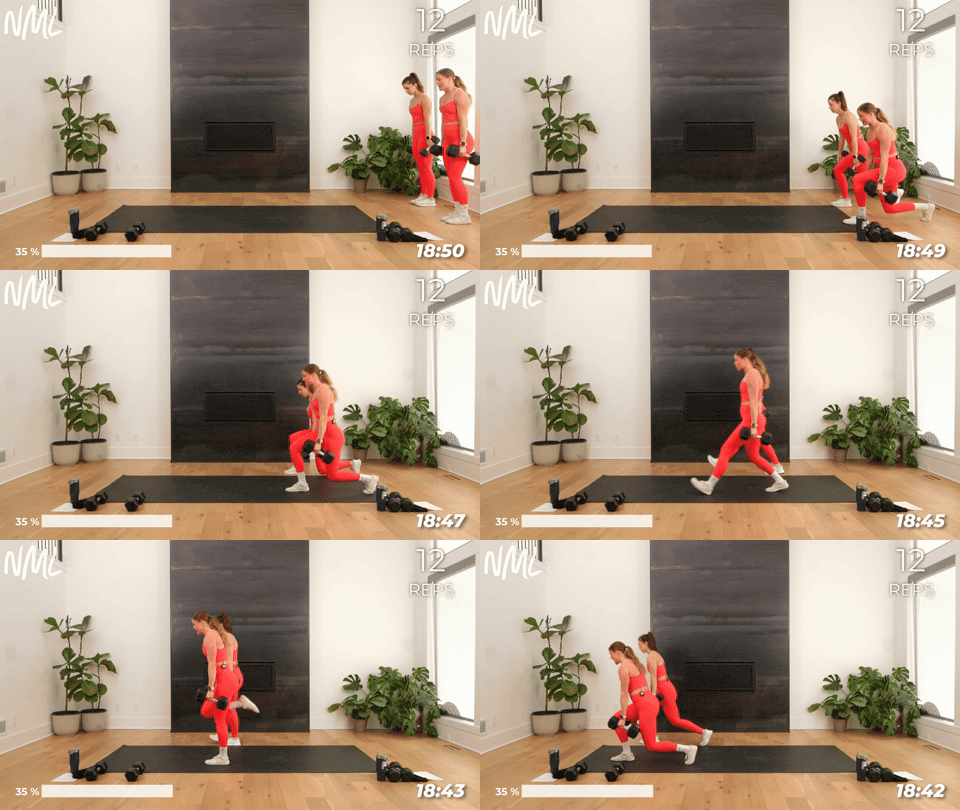
How to Do Walking Lunges
- Start by standing at the back of your space, feet hip-distance apart. Hold a dumbbell in each hand, palms facing in towards each other (hammer curl grip).
- Step your right leg forward into a front lunge, dropping your back left knee down towards the ground as you lower your hips until both knees reach a 90-degree angle, front thigh is parallel to the floor.
- Drive through the front right heel to stand tall and rather than stopping at the top, immediately step your left leg into a front lunge. Drop your back right knee down towards the ground as you lower your hips until both knees reach a 90-degree angle, front thigh parallel to the floor.
- Repeat alternating front lunges as you move forward in a walking motion.
Modification: Stay in place, performing alternating reverse lunges instead of walking lunges.
5. Back Row, Clean and Press
Targets: Back, biceps, shoulders and core.
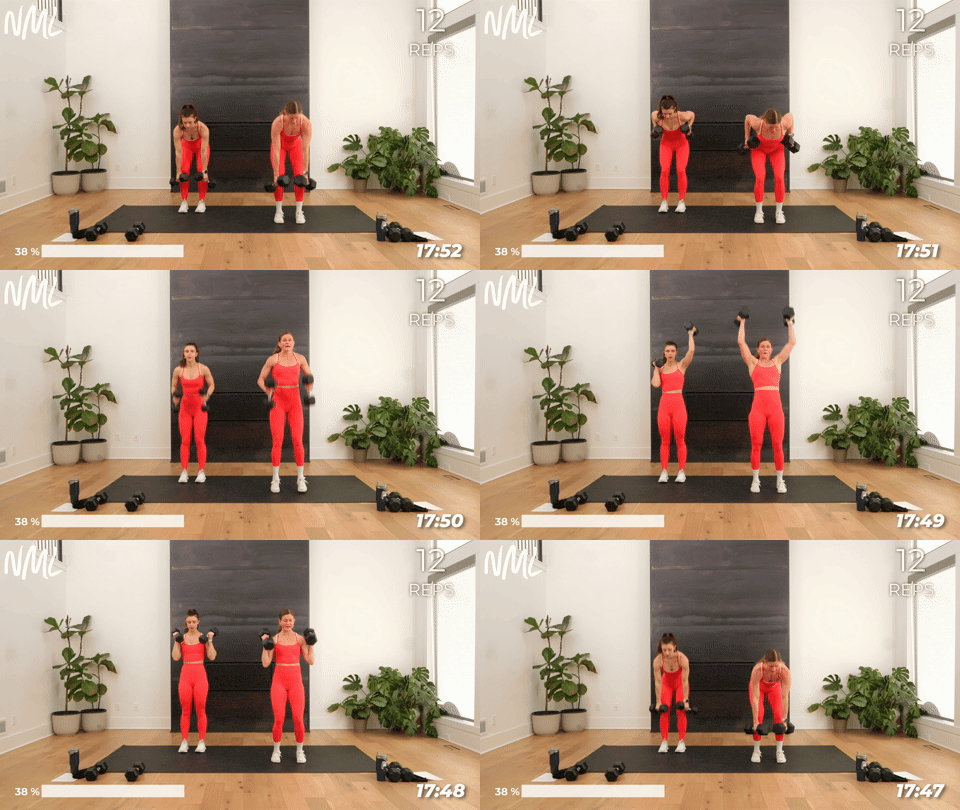
How to Do a Back Row, Clean and Press
- Start standing with your feet hip-width apart and your knees slightly bent. Hold a pair of dumbbells at your sides.
- Hinge at the hips and perform a back row by pulling the weights back toward your hips. Hold at the top for a moment, then lower the dumbbells back down.
- Drive through the heels to push your hips forward, standing tall and pulling the dumbbells up past your hips, cleaning them up to your shoulders.
- Press the dumbbells overhead, performing a shoulder press as you lock out your biceps near your ears.
- Lower the dumbbells back to the starting position and repeat.
Modification: Option to reduce the load by performing alternating single-arm shoulder presses.
FAQs
What is a full-body workout routine?
A full-body workout routine is a strength training session that targets all major muscle groups (upper body, lower body and core) in a single workout. Instead of isolating one area, it uses compound exercises to train multiple muscles at once, making it a time-efficient way to build strength, improve coordination and support overall fitness.
How often should I do a full-body workout routine?
Most people benefit from performing a full-body workout routine 2-3 times per week, depending on fitness level, recovery and overall schedule. Because each session trains the entire body, it’s important to allow rest days in between to recover and rebuild muscle.
Max 20: FREE 2-Week Functional Training Program
A 2-week at-home workout program, designed to make strength training simple and get results in the time you actually have.
If you liked this total body workout, download the FREE 2-Week Workout Plan.
Up Next:
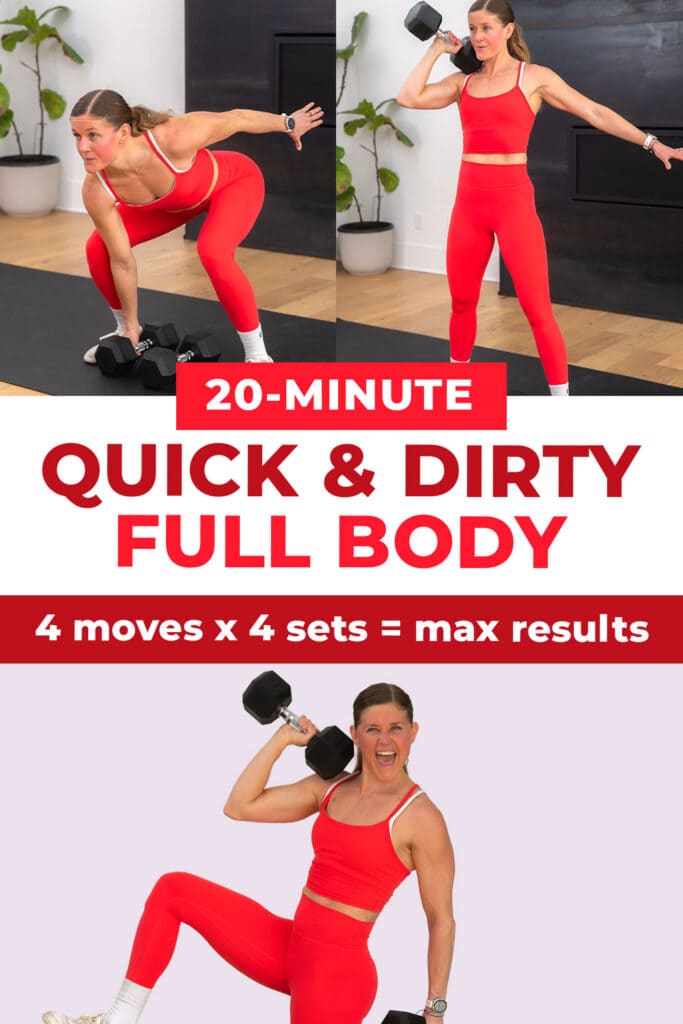
See AllPin This Full-Body Routine
no comments