


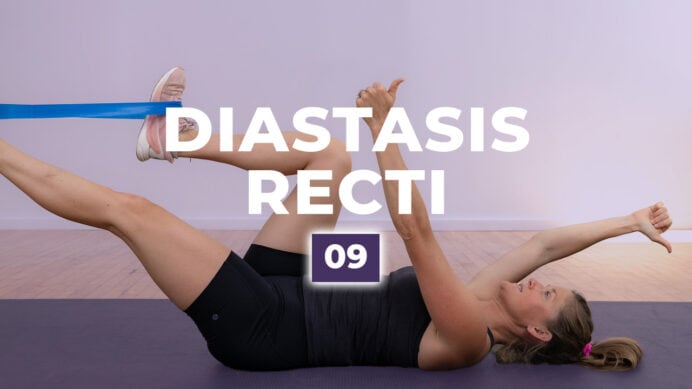



9 Postpartum Core Exercises for New Moms
In this postpartum core workout, I’m sharing 9 gentle yet effective core exercises that focus on rebuilding deep core and pelvic floor strength after pregnancy. You’ll move through diastasis recti-safe exercises that target the transverse abdominals, support pelvic floor engagement and help restore core stability while respecting your postpartum body. This workout is ideal for new moms in the postpartum phase who want to heal, feel stronger and reconnect with their core in a safe, intentional way.
After having a baby, it’s completely normal to feel unsure about when and how to safely strengthen your core again. I created this postpartum core workout to help new moms reconnect with their deep core and pelvic floor in a way that supports healing, not rushing the process. Most moms can begin gentle core and pelvic floor exercises once cleared by their healthcare provider (often around 4-6 weeks postpartum), and I always encourage listening to your body for signs. Ideally, no pain and no abdominal coning will let you know that you’re ready to begin postpartum core training.
The American College of Obstetricians and Gynecologists (ACOG) says that postpartum exercise can boost energy, relieve stress, promote better sleep and may help prevent mood swings, postpartum depression and anxiety. Strengthening the core in particular can reduce low back pain, poor posture, pelvic pain or dysfunction and urinary incontinence or leaking.
These 9 postpartum abdominal exercises focus on deep core engagement, including the transverse abdominals and pelvic floor, using beginner-friendly movements like breathwork, pelvic tilts, heel slides and slow, controlled core activation. This approach is one of the most effective ways to strengthen your core postpartum, especially if you’re recovering from diastasis recti or a C-section, because it prioritizes stability before intensity. If you’re a beginner or easing back into movement after birth, this exercise program offers safe, intentional core exercises designed to help you feel stronger, supported and confident as you rebuild your foundation from the inside out.
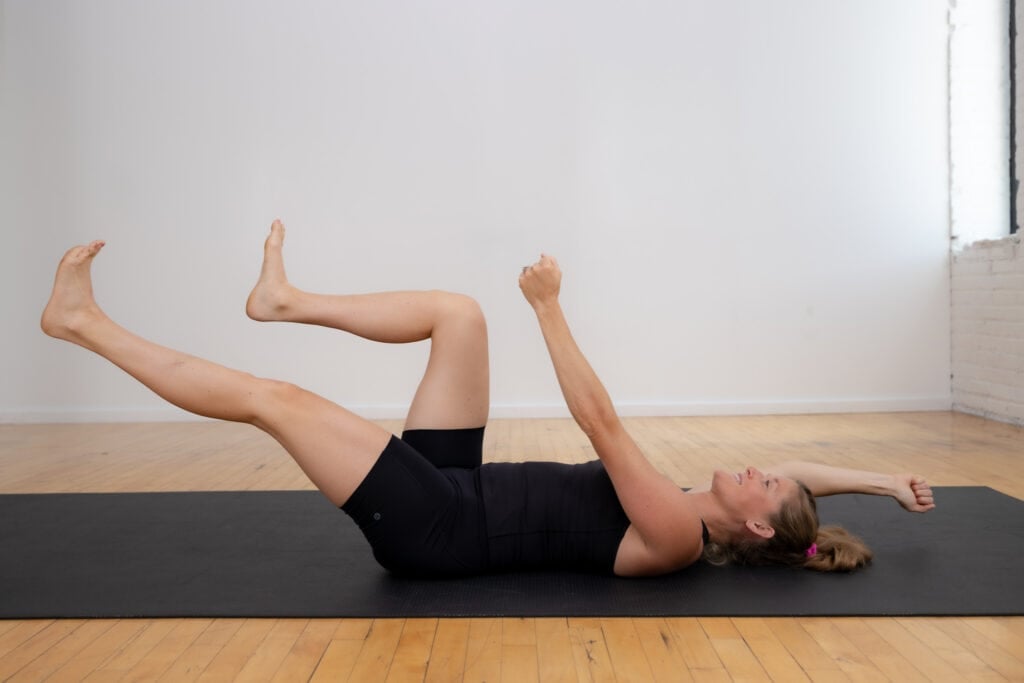
Workout Insights
This postnatal ab routine is designed to strengthen the deep core muscles and pelvic floor muscles safely after pregnancy.
Start by adding this workout to your weekly routine 1-2 times per week, increasing to 3-4 sessions as your core strength and confidence improve. For balanced progress (and to prevent burnout), alternate this routine with the other workouts in my 28-day diastasis recti plan.
Please don’t start these exercises until a healthcare professional has cleared you for postpartum exercise. This often occurs around 6 weeks after a vaginal delivery and 8-12 weeks after a C-section.
Workout Equipment
The majority of these are bodyweight exercises. That said, you have the option to add a Pilates ball to a few of the exercises to increase the intensity.
Workout Instructions
Note that this is a list of my favorite core exercises for postpartum women. If you prefer a guided home workout video, try this 10-Minute Postnatal Ab Workout.
How To Use This Core Workout:
- Beginner: 30 seconds work, 15 seconds rest. Perform each exercise x1 set, aiming to complete as many repetitions as you can in the timed interval.
- Intermediate: 40 seconds work, 20 seconds rest. Perform each exercise x2 sets, aiming to complete as many repetitions as you can in the timed interval.
- Advanced: 45 seconds work, 15 seconds rest. Perform each exercise x3 sets, aiming to complete as many reps as you can in the timed interval.
Postpartum Core Workout Outline
1. Transverse Abdominal Breathing
Targets: The deep transverse abdominal muscles (TVA) and pelvic floor muscles. These muscles support your internal organs, your inter-abdominal pressure system and provide stability and mobility of your lower spine.
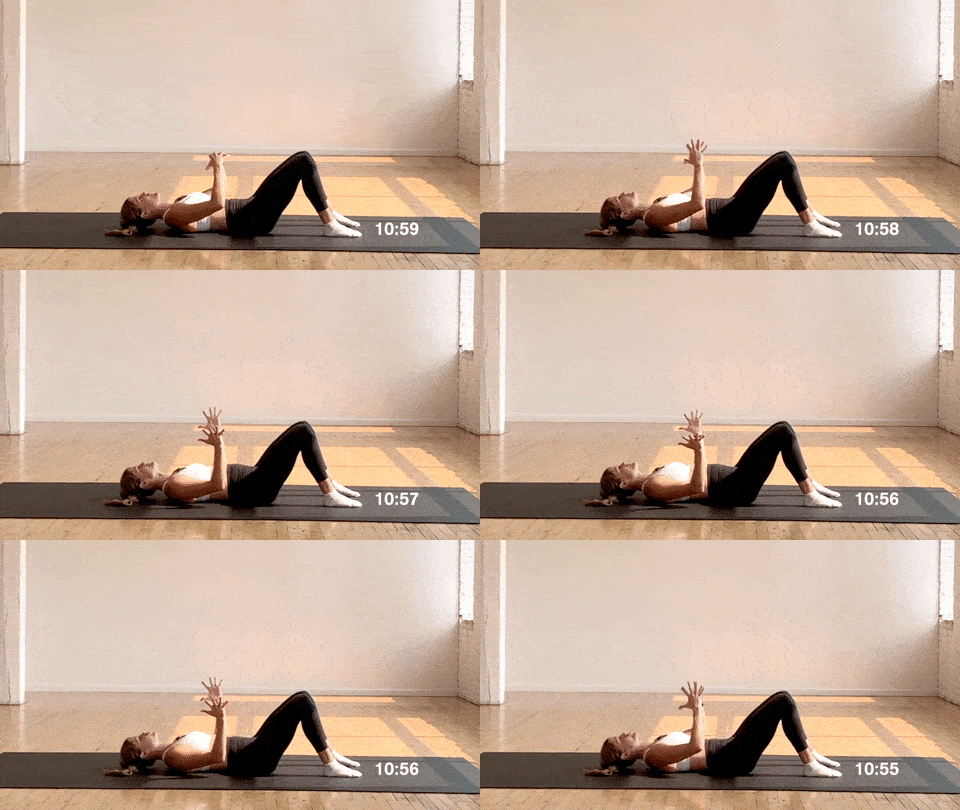
How to Do Transverse Abdominal Breathing
- First, activate your transverse abdominis muscles. Lie flat on your back, straight line from head to tailbone. Your knees should be bent at 90 degrees, and your feet should be flat on the floor. Place your hands under your rib cage, finding your hip bones. Move your fingers 1 inch inwards towards your belly button.
- To find your transverse abdominis muscles, fake cough. The muscles you feel ‘pop’ when you cough are your transverse abdominis muscles.
- To engage them, take a deep breath and allow your core and pelvic floor to relax. Imagine there is a string between your hip bones, and as you exhale, that string (or your TA muscles) is pulling your hip bones together.
- As you inhale, let the belly expand (let your back pop off the ground).
- As you exhale, pull the belly in tight and think about tucking the tailbone underneath you to press your back into the mat or wall.
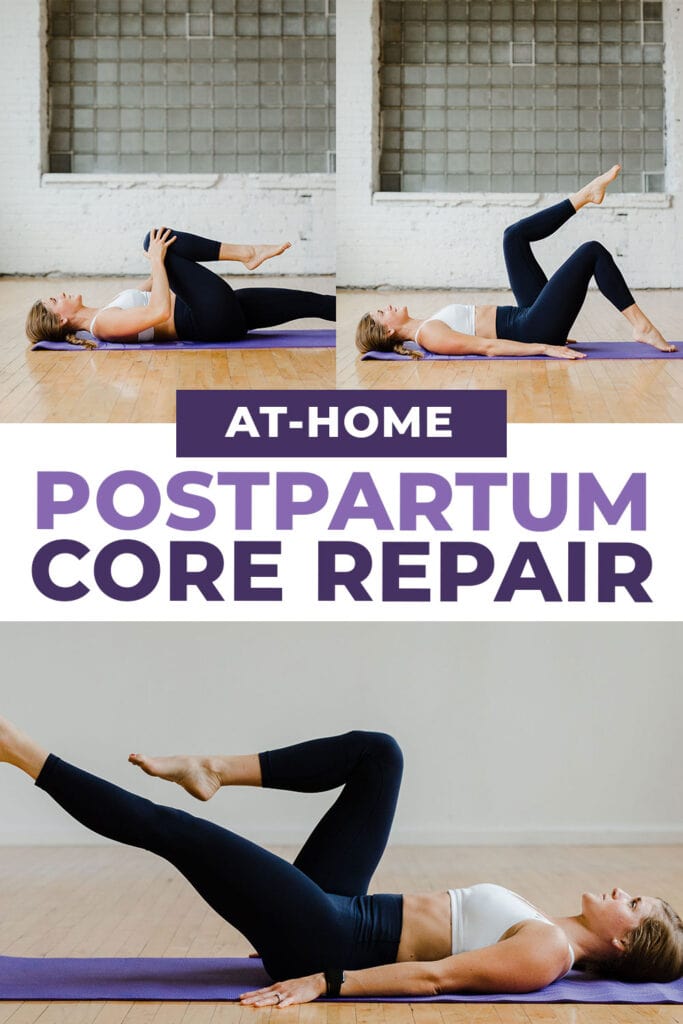
2. Lying Bent Knee Pulls
Targets: Deep transverse abdominal muscles (TVA), lower abs and hips.
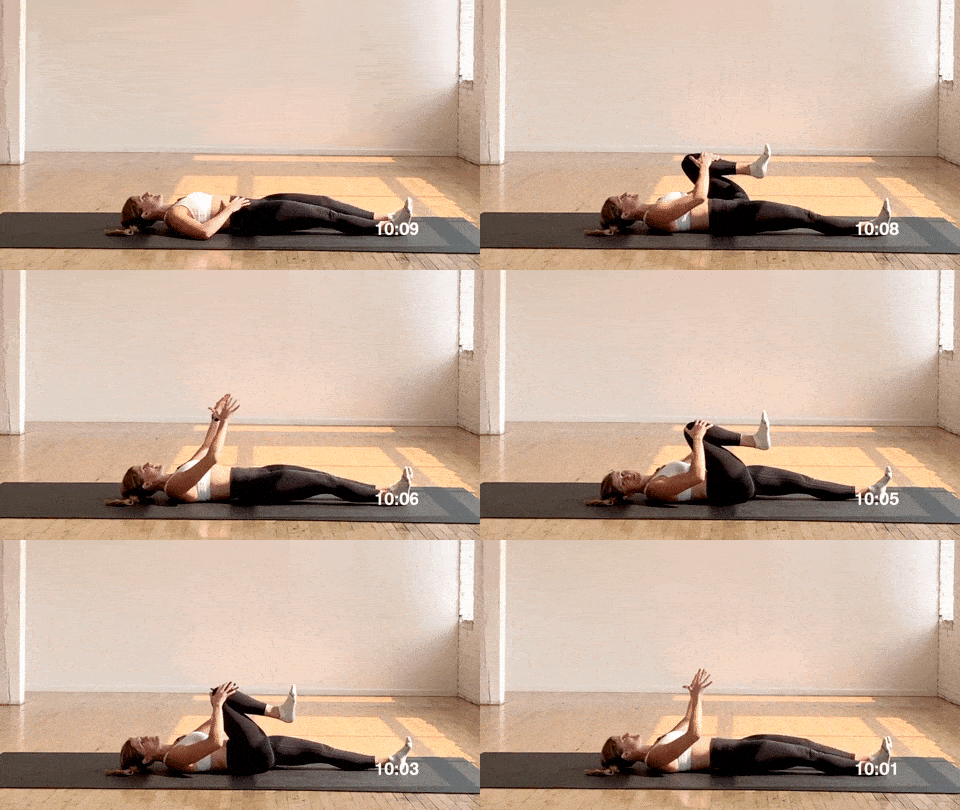
How to Do a Lying Bent Knee Pull
- Start lying flat on the floor, lower back pressed into the mat with your feet together and your legs extended long. Inhale, letting your belly expand.
- Exhale, pulling your core together and pressing your lower back firmly into the mat. Option to raise the heels off the mat to intensify this movement.
- Pull your right knee in to meet your chest, bending the right leg as you do so. Feet are flexed, and the left leg remains straight out.
- Hold the right knee to the chest for a moment, then kick the right leg back out so both legs are kicked straight out again.
- Alternate the knee that pulls in throughout this movement.
Modification: Option to keep both legs on the ground and alternate the knee pull in this core stability exercise.
3. Elevated Bent Knee March
Targets: Deep transverse abdominal muscles (TVA), lower abs and hips.
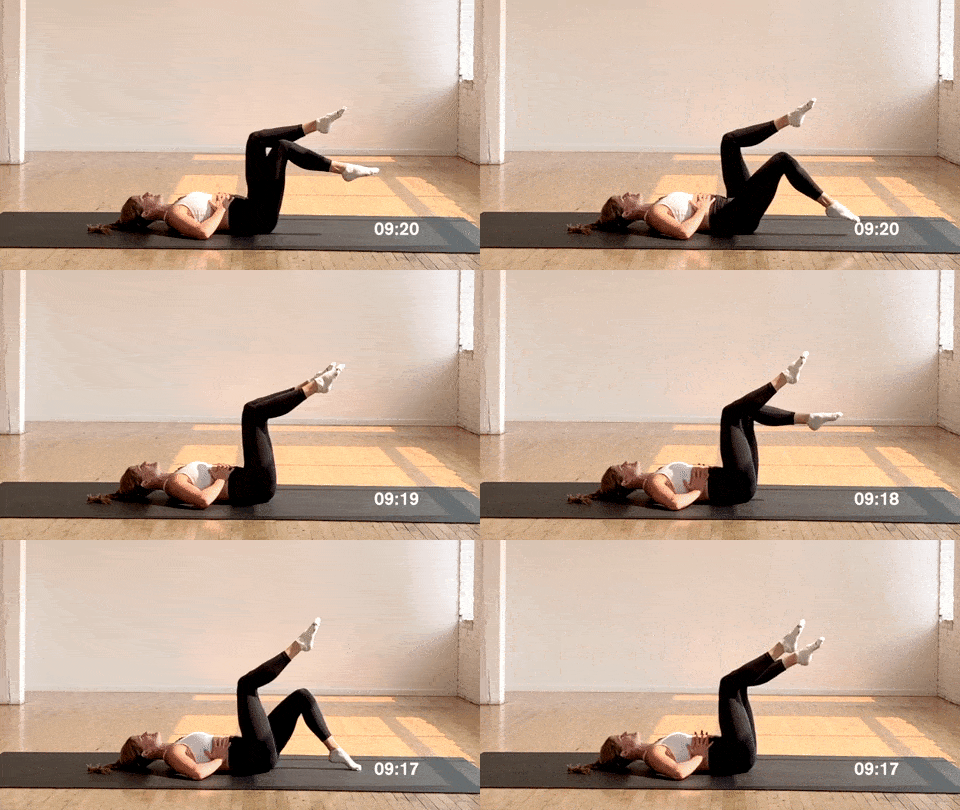
How to Do an Elevated Bent Knee March
- With your low back pressing firmly into the mat and your abdominal wall wrapped as tightly as possible around your core, bring your legs to a 90-degree bend (in tabletop position, knees bent).
- Inhale as you lower your right heel to tap the mat, keeping bends in both knees.
- Exhale as you pull your right leg back to the starting position. This movement is slow and controlled.
- Repeat with your left heel, tapping the mat and returning to the starting position.
Modification: Option to keep both toes on the ground and alternate lifting 1 knee towards your chest. The closer your knees are to your chest, the easier this ab exercise will be. The farther your knees are from your chest, the more intense this will be.
4. Dead Bug
Targets: Transverse abdomen (deep core muscles below your rectus abdominis muscle or 6 pack ab muscles), lower abs, inner thighs and hip flexors.
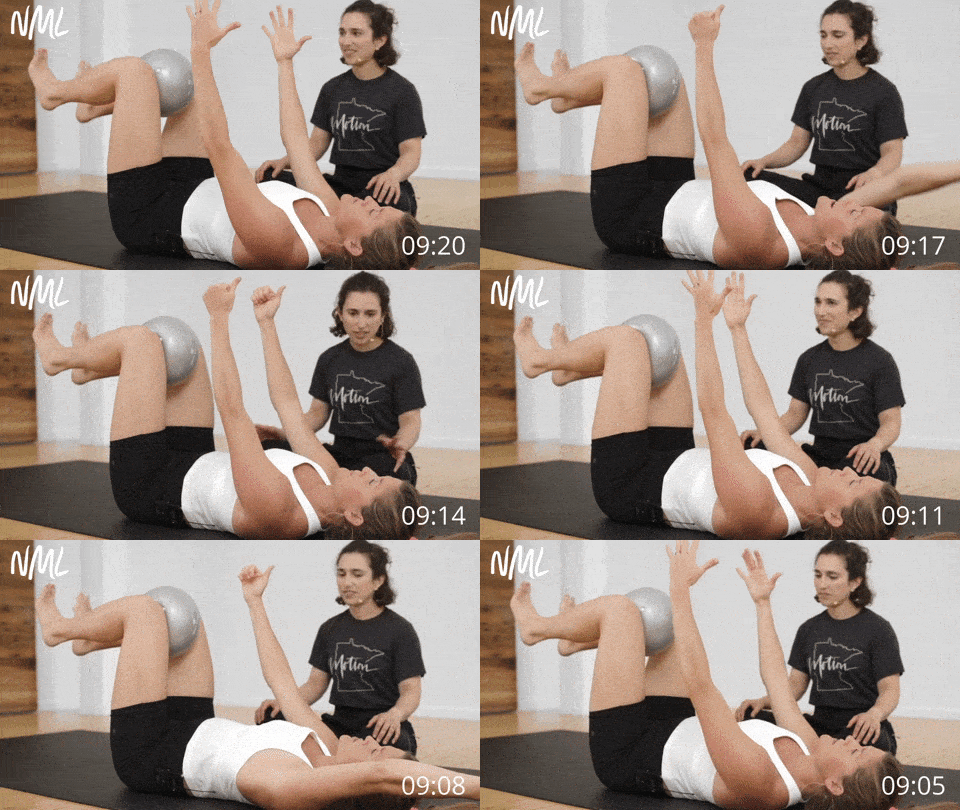
How to Do a Dead Bug
- Start lying on your back, core activated, to press your lower back into the mat. Place a pilates ball between your knees.
- Lift your knees to form a 90-degree angle (knees stacked on top of hips), and extend your hands straight overhead.
- Inhale, letting your belly expand.
- Exhale, squeezing the Pilates ball between your knees and extending your right arm overhead. With control, return to the starting position.
- Inhale, letting your belly expand and relaxing your thighs.
- Exhale, squeezing the Pilates ball and extending your left hand overhead. Return to the starting position with control.
Modification: Reduce the range of motion of your legs and arms to reduce the intensity of this exercise.
5. Glute Bridge
Targets: Glutes, hamstrings, hips and pelvic floor.
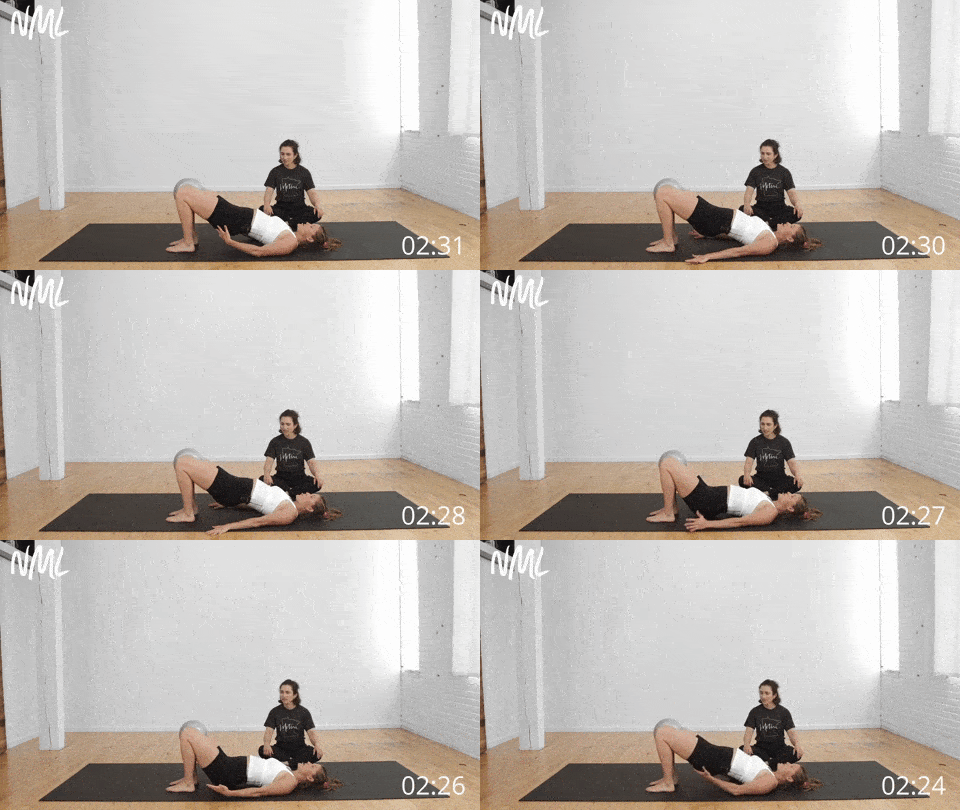
How to Do a Glute Bridge
- Start lying on your back, feet flat on the floor, planted under your knees. Place a Pilates ball between your knees.
- Press through your heels to lift your glutes off the mat, squeezing your glutes as you lift. As you lift upwards, squeeze your inner thighs together, pressing into the Pilates ball.
- Exhale, slowly lowering your hips to hover an inch above the mat and releasing some of the tension on the Pilates ball.
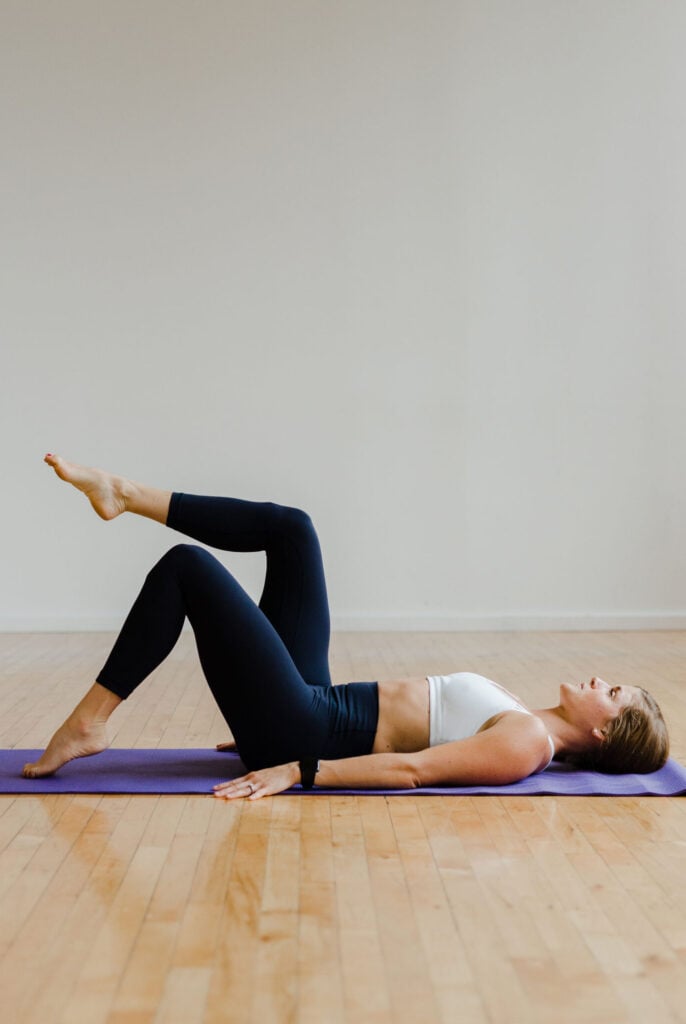
6. Alternating Leg Kick Out and 2 Circles
Targets: Transverse abdomen, upper abs, lower abs and hips.
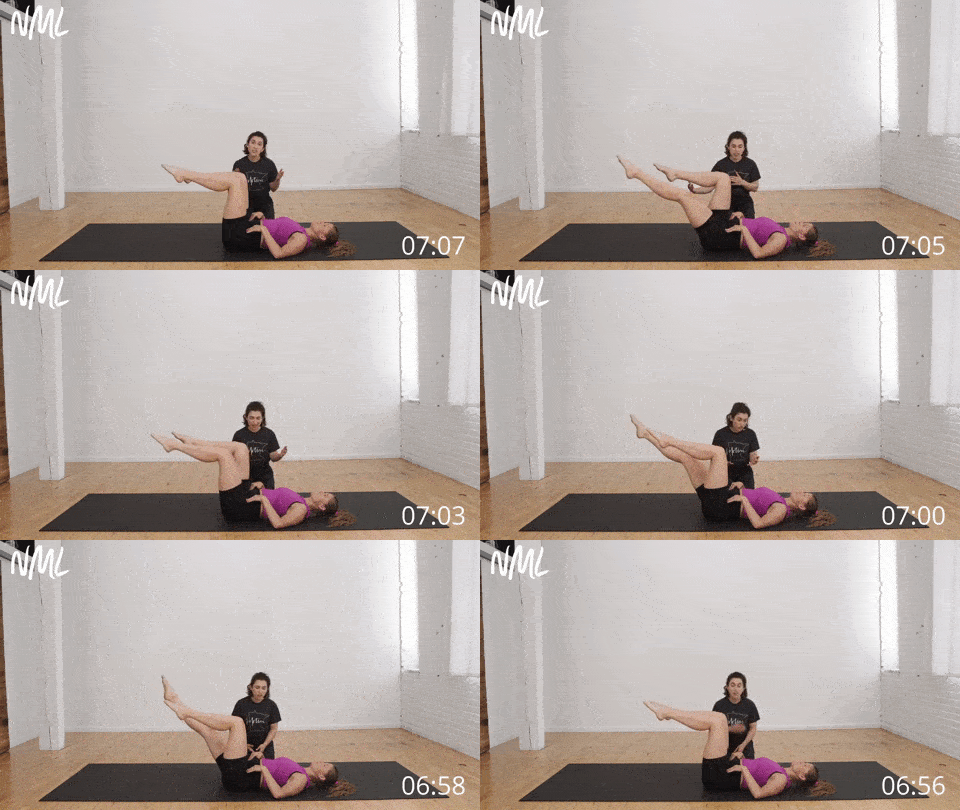
How to Do an Alternating Leg Kick Out and 2 Circles
- Start with your low back pressing firmly into the mat and your abdominal wall wrapped as tightly as possible around your core. Bring your legs to a 90-degree bend.
- Alternate extending one leg straight out, then slowly draw 2 donut-sized circles with the big toe of your extended leg.
- Return to the starting position, and repeat on the other side. This movement is slow and controlled.
Modification: The closer your knees are to your chest, the easier this ab exercise will be. The farther your knees are from your chest, the more intensity you’ll feel.
7. Forearm Plank and Alternating Arm Reaches
Targets: Upper abs, lower abs, obliques, transverse abs, shoulders and back.
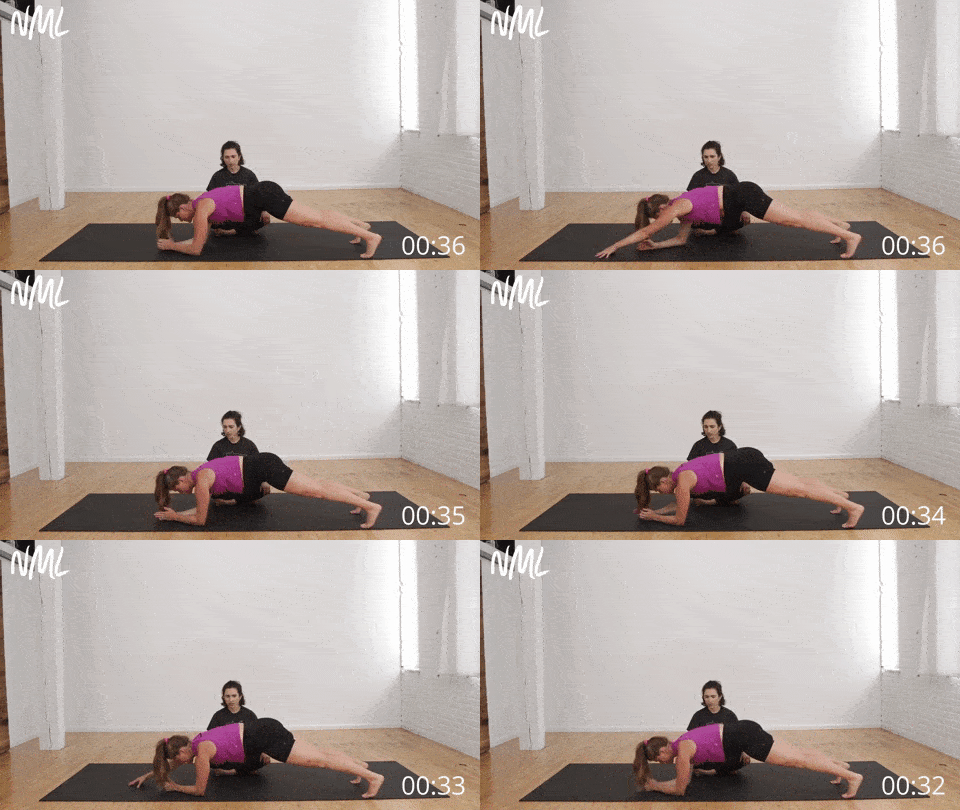
How to Do a Forearm Plank and Alternating Arm Reach
- Start in a low plank position or forearm plank. Shoulders over elbows, forearms resting on the mat, core engaged. Neutral spine.
- Alternate reaching one arm straight in front of you at a time. Fully extend your right arm and tap the mat in front of you. Return to the starting position. Then fully extend your left arm and tap the mat in front of you.
- Try to keep your hips stable and square to the mat as you alternate reaching your arms straight out. Keep your hips in line with the rest of your body to avoid sagging hips or piked hips.
Modification: Drop to your knees to reduce the intensity.
8. Bird Dog With Ball Push
Targets: All of your core muscles, including the deep transverse abdomen muscles, rectus abdominis (6 pack ab muscles), erector spinae (muscles along the back and spine), oblique muscles, hip abductors and quads.
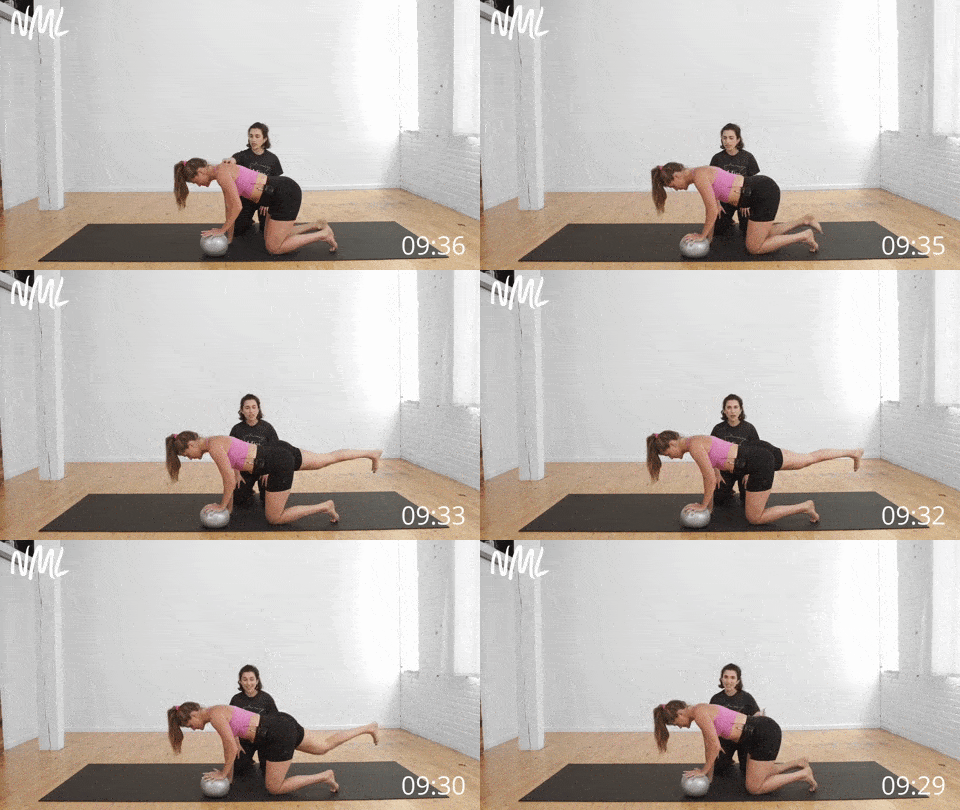
How to Do a Bird Dog With Ball Push
- Start in a table top position, quadruped on all fours, shoulders stacked over wrists and hips stacked over knees. Place your left hand on a Pilates ball.
- Exhale as you press your left hand into the ball and extend your right leg out behind you. Think about pulling your belly button in towards the spine as you squeeze your abs to stabilize your torso and keep your pelvis even. Hold for a 3-count.
- Inhale, releasing some of the pressure on the ball as you pull your leg back to center, returning to a quadruped position with control. Switch legs on the next set.
9. Modified Side Plank Lift and Ball Squeeze
Targets: Obliques (muscles along the sides of your torso), lower abs, outer glutes (gluteus medius), and hip flexors.
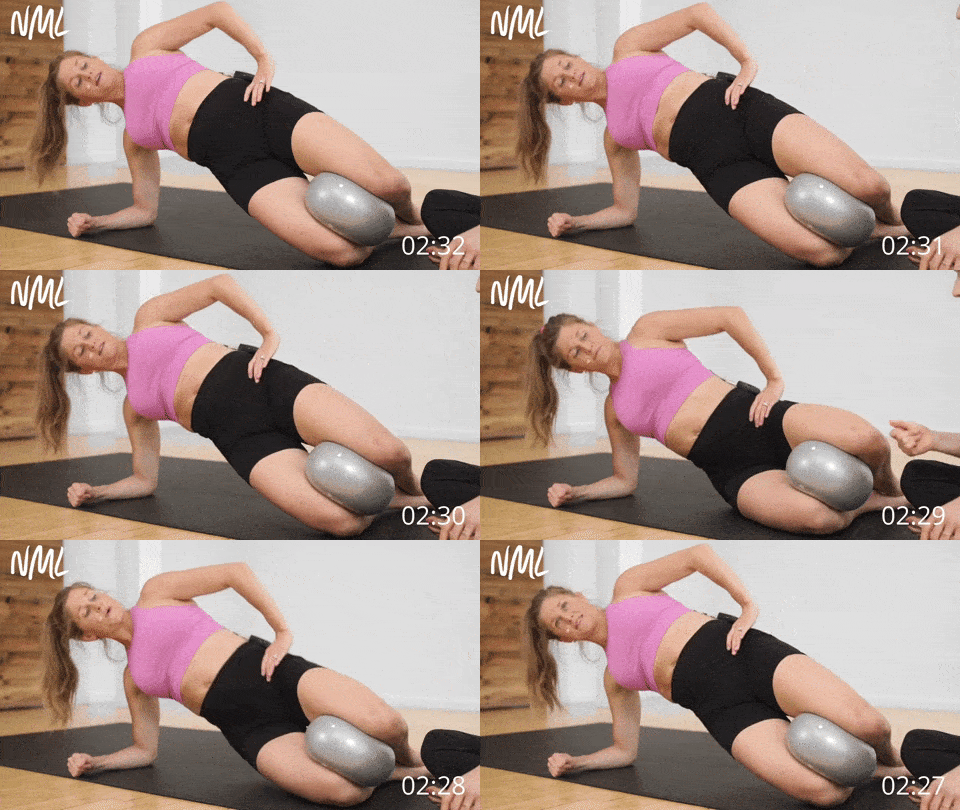
How to Do a Modified Side Plank Lift and Ball Squeeze
- Start in a modified side plank or knee down side plank on the left side. Left forearm on the mat, left shoulder stacked over left elbow and left knee on the ground. Place a ball between your knees.
- Engage your abs and obliques as you lift your hips off the mat and squeeze your legs together to compress the ball.
- Hold at the top, thinking about pressing your bottom knee into the mat to engage your glutes.
- Return to the starting position by lowering your hip back to the mat with control.
LET’S GET STARTED
Download a Free 28-Day Diastasis Recti Workout Plan
Download the PDF calendar for my 28-day diastasis recti exercise program so you can easily access your daily workouts.
Download Plan
FAQs
Can I do core exercises with diastasis recti?
Yes, you can do core exercises with diastasis recti. The key is choosing the right core exercises that won’t put too much pressure on your core. When you have diastasis recti, I recommend focusing on deep core activation rather than traditional ab exercises. Movements that train the transverse abdominals and pelvic floor (like diaphragmatic breathing, pelvic tilts, heel slides and gentle core engagement) can actually support healing and help bring strength back safely. If you have the option to work with a pelvic floor physical therapist, I highly recommend it.
What core exercises should be avoided postpartum?
In the early postpartum phase, I suggest avoiding exercises that create excessive pressure on the abdominal wall. This includes sit-ups, crunches, V-ups, planks, Russian twists and aggressive twisting or front-loading movements. If you notice doming, coning, pain or pressure in your core or pelvic floor, that’s a sign the exercise may be too much for your body right now.
What are safe core exercises to do immediately after childbirth?
Once your provider clears you to exercise, you can begin with breathwork and light pelvic floor engagement. Deep belly breathing, pelvic tilts, gentle transverse ab activation and simple movements done slowly and intentionally are some of the safest ways to reconnect with your core in the early postpartum period.
How long does it take for your core to recover after childbirth?
Core recovery looks different for every mom. Some women feel stronger within a few months, while others may need closer to a year or more, especially if they’re healing from diastasis recti or a C-section. Consistent, progressive deep core work paired with patience and proper rest plays a huge role in how well and how quickly your core recovers.
Will pelvic floor exercises help with postpartum incontinence?
Yes, pelvic floor exercises can be helpful for postpartum incontinence when done correctly. Strengthening and coordinating the pelvic floor with the deep core improves bladder support and control over time. I’d encourage gentle engagement and proper breathing, since overdoing kegels or skipping relaxation can sometimes make symptoms worse instead of better.
More Workouts
Postpartum-FriendlyPin This: 9 Best Postpartum Core Exercises for New Moms
no comments
Leave a Comment