





15-Minute Mat Pilates
Build core strength and full-body stability with this 15-minute mat Pilates workout you can do at home. This roundup features beginner Pilates exercises that target the abs, glutes, hips and upper-body stabilizers while improving posture and mobility. It’s designed for busy women who want an efficient, low-impact workout that builds functional strength using simple mat-based movements.
I love mat Pilates because it builds a strong core in a way that supports everyday movement. The focus on controlled, low-impact exercises helps strengthen the abs, glutes and back while also improving my posture and stability.
As a trainer (and a mom of 3) I’ve found Pilates fills a really important gap for a lot of women. When you’re balancing work, parenting and strength training, these Pilates mat exercises help target the smaller stabilizing muscles that protect your spine, improve lifting mechanics, and make your overall movement feel better.
Another reason I keep coming back to Pilates moves is how simple they are. You don’t need much time or equipment. A short round of mat Pilates can fire up your core and support long-term functional fitness, all from home.
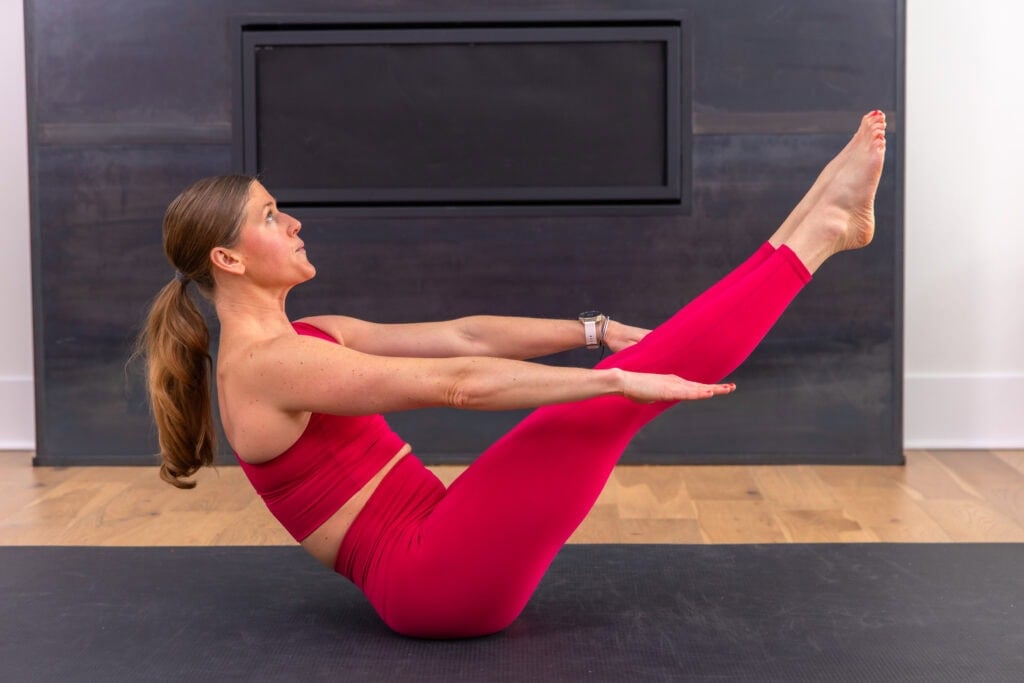
Read A 5-Star Review ⭐⭐⭐⭐⭐
“Great workout for today! Made me realize I should integrate Pilates more often. Hard in a different way than with weights!”
— Steph S.
Workout Details
This 15-minute mat Pilates workout draws on the principles of Joseph Pilates and “Contrology,” or Classical Pilates. The goal is to strengthen the core and build full-body stability. You can use it as a full-body workout, a warm-up or a strength-training finisher.
Pilates is especially great for women looking to improve functional strength and posture. By targeting the abdominal muscles, glutes and back, it can help relieve mild low back pain, while modifications keep exercises wrist-friendly without sacrificing stability.
Note: Anyone with recent abdominal surgery, serious back issues or wrist injuries should check with a healthcare provider before starting.
Workout Equipment
No equipment needed for this bodyweight-only, mat pilates workout.
Workout Instructions
Follow along with the guided full video: Full-Body Mat Pilates Workout on my YouTube Channel, led by me — your certified barre/pilates instructor, Lindsey Bomgren.
Your Workout Looks Like This:
- 12 Mat Pilates Exercises
- Guided flow (spending approximately 40-60 seconds on each exercise before moving on to the next)
- Perform Each Exercise x1 Set (No Repeat)
8 Mat Pilates Exercises
1. Bird Dog Crunch
Targets: Core, back stabilizers, glutes and shoulders.
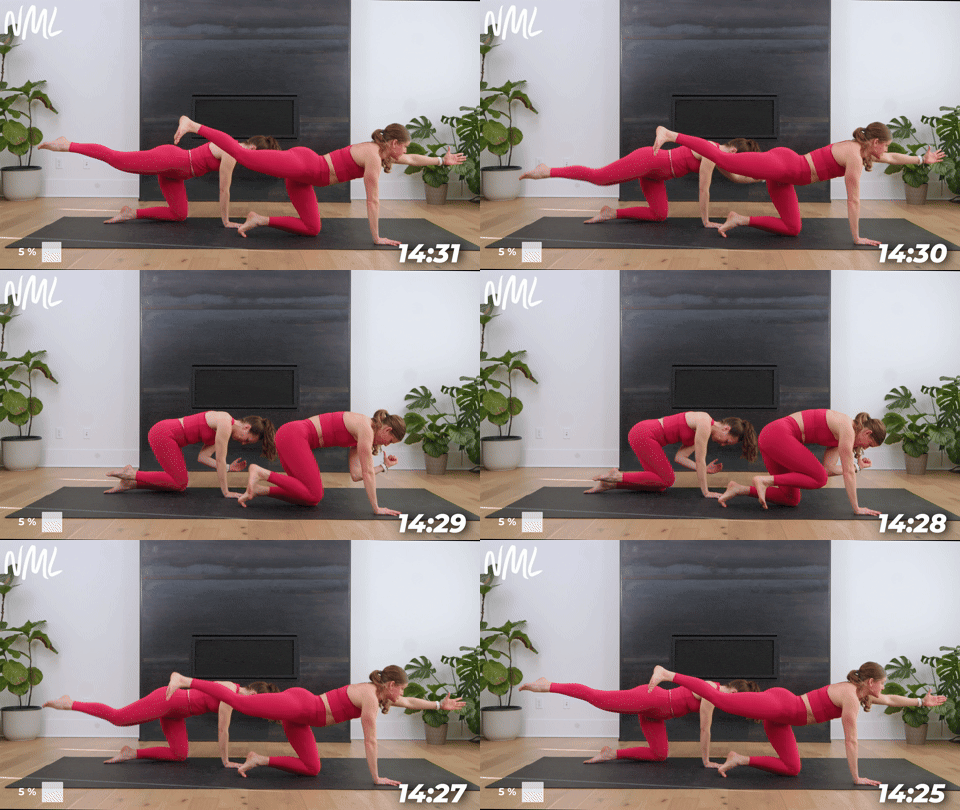
How to Do a Bird Dog Crunch
- Start on all fours in a tabletop position with wrists under your shoulders and knees under your hips. Keep your core gently braced and spine neutral.
- Extend your right arm straight forward and your left leg straight back, reaching long through your fingertips and toes.
- Slowly draw your right elbow and left knee toward one another under your torso, engaging your abs.
- Extend your arm and leg back out to straight again, squeezing your core to control the movement.
- Complete your reps on one side, then switch and repeat with your left arm forward and right leg back.
Modification: If the crunch movement is too challenging, lift your arm and opposite leg straight out for a Bird Dog Lift without the crunch and hold or pulse lightly, keeping your core engaged.
2. Double Leg Stretch
Targets: Core, hip flexors and lower abs.
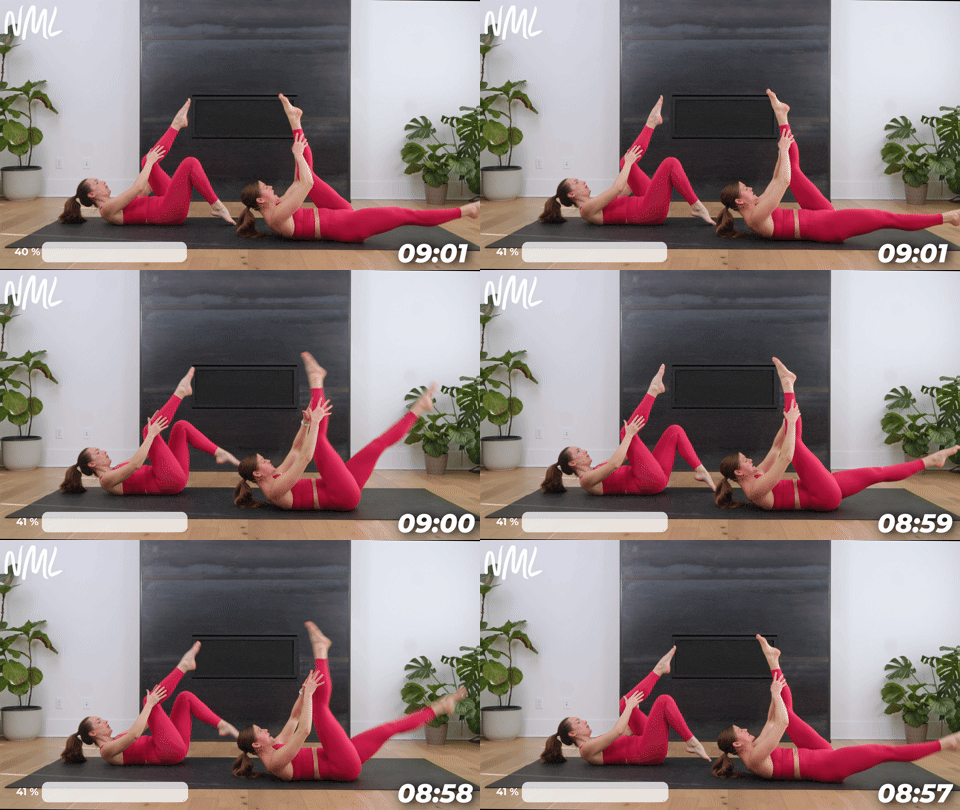
How to Do a Double Leg Stretch
- Lie flat on your back with both legs extended. Lift one leg toward the ceiling while extending the other leg straight out in front of you so it hovers a few inches off the mat.
- Engage your core and gently pull the raised leg toward your face, keeping it as straight as comfortable. At the same time, keep the opposite leg long and hovering off the floor.
- Switch legs in a smooth, controlled motion: lower the raised leg toward a hover as you lift the opposite leg up toward the ceiling. Continue alternating, maintaining steady movement and keeping your lower back pressing lightly into the mat.
- Move slowly and with control for your desired number of reps, focusing on core engagement and length through both legs.
Modification: Bend the legs to reduce the range of motion. You can also place your hands lightly on the mat beside you for extra stability or keep your head and shoulders resting on the floor for added neck support.
3. Roll-Up
Targets: Rectus abdominis, transverse abs and hip flexors.
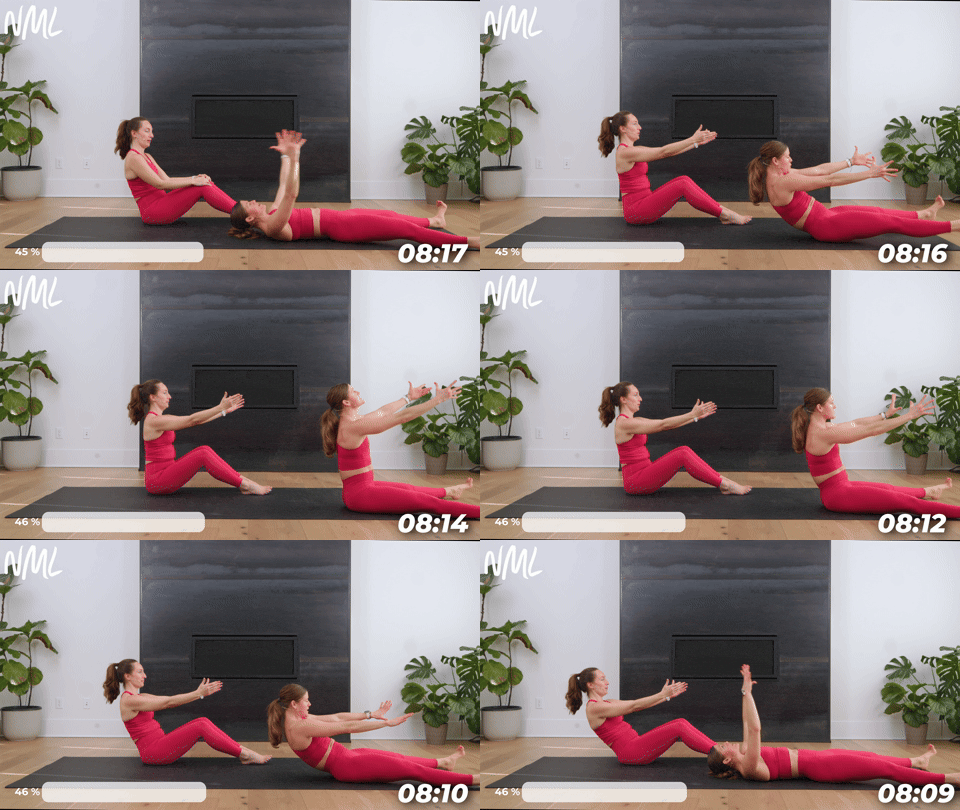
How to Do a Roll-Up
- Lie face-up on a mat with your legs extended straight in front of you and your arms reaching overhead, hands about shoulder-width apart. Gently press your lower back into the mat and engage your core.
- Inhale and lift your arms toward the ceiling, keeping your shoulders relaxed and your ribs pulled down.
- Exhale as you tuck your chin slightly and begin to roll your upper body off the mat one vertebra at a time, reaching your arms forward toward your feet.
- Continue rolling back up until you are seated tall with your shoulders stacked over your hips and your spine long.
- Slowly reverse the motion, rolling your spine back down to the mat one vertebra at a time until your head, shoulders and arms return to the starting position.
Modification: Sit back on your sit bones and bend your knees so your heels are resting on the floor for support. Reach your arms forward instead of overhead, and roll partway back in a beginner-friendly teaser.
4. Pilates 100s
Targets: Rectus abdominis and transverse abs.
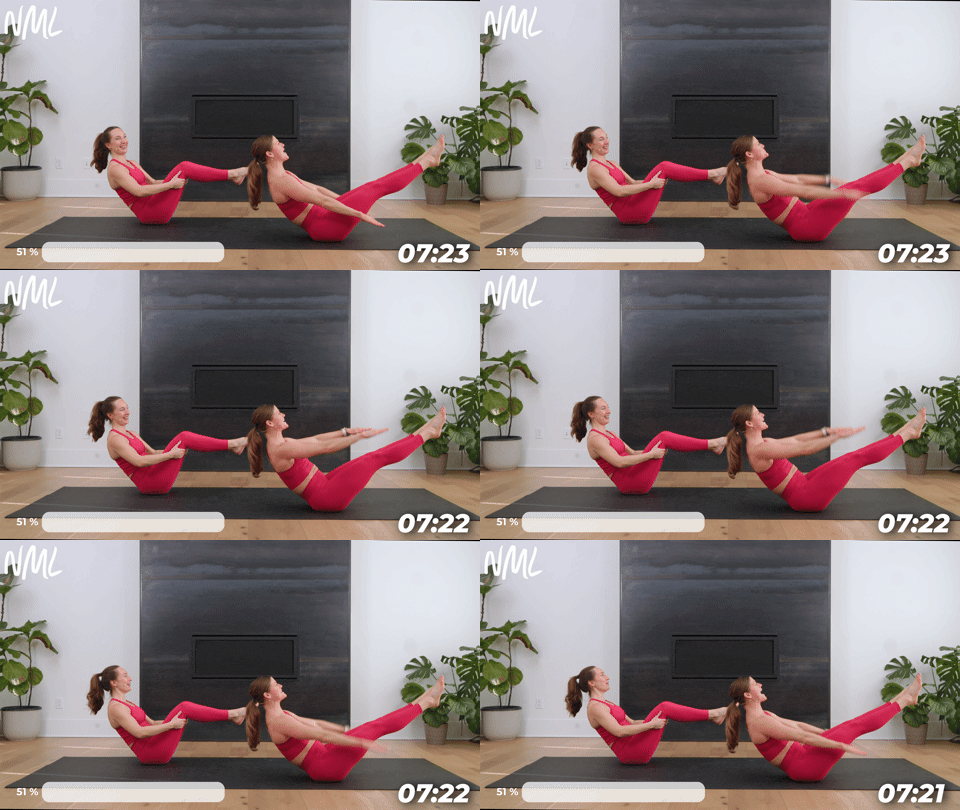
How to Do Pilates 100s
- Sit tall on your mat with your knees bent at 90 degrees. Lean back slightly onto your sit bones, keeping your spine long and shoulders relaxed down and back.
- Place your hands behind your knees for support and lift your feet off the floor. Your bent legs should be extended out in front of you.
- If your core allows, slowly extend your legs straight out in front of you. Lift the tips of your toes to eye-level or slightly higher.
- Reach your arms straight forward at shoulder height, palms facing down. Begin pulsing your arms up and down 2-3 inches while holding straight legs, keeping your core engaged and your lower back pressed lightly toward the mat. Breathe steadily.
Modification: Hold a modified Pilates teaser, sitting on your sit bones with your knees bent and hands behind your thighs. Omit the arm pulses for the hundreds.
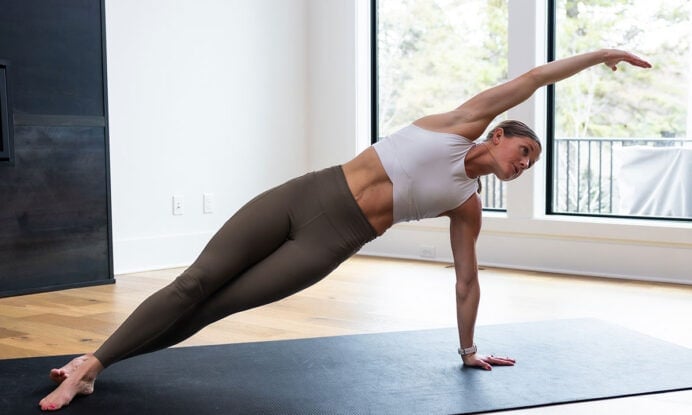
5. Assisted Side Plank Leg Circles
Targets: Obliques, transverse abs, outer glutes and shoulders.
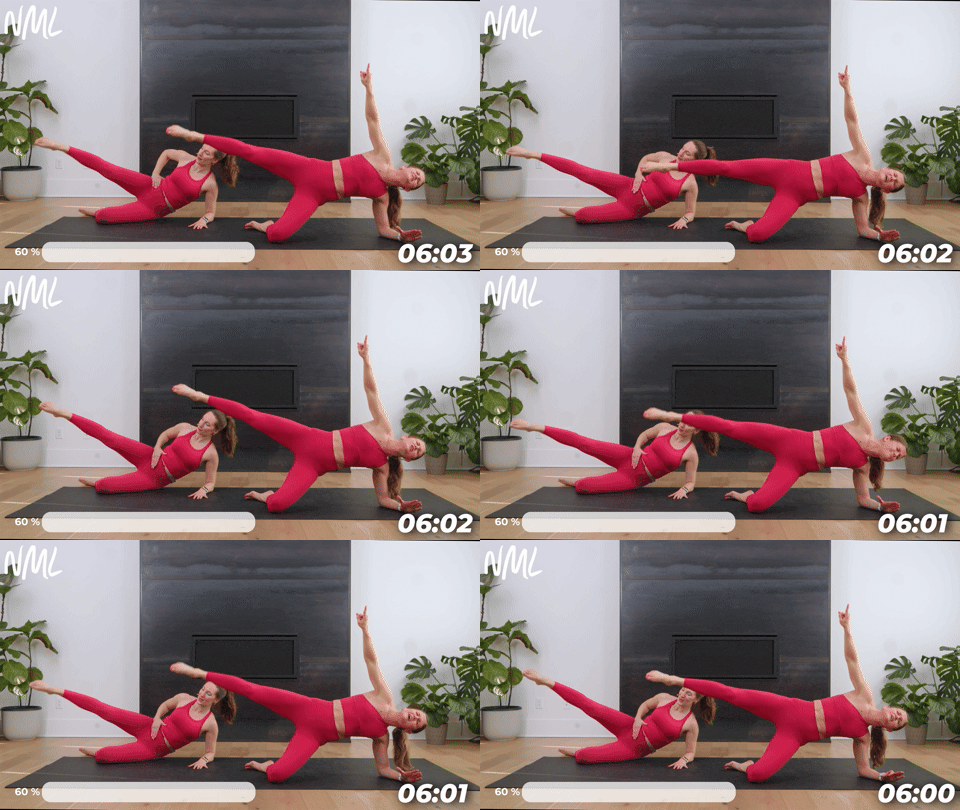
How to Do an Assisted Side Plank Leg Circle
- Start in a modified side plank with your bottom knee bent on the mat and your bottom elbow stacked under your shoulder. Your hips should be lifted so your body forms a straight line from your head through your bottom knee. Extend your top leg straight and place your top hand on your hip.
- Engage your core and lift your top leg to hip height, keeping the leg straight and your foot pointed.
- Slowly draw small single-leg circles with your lifted leg while keeping your hips lifted and steady.
- Continue the circles for your desired number of reps, then reverse the direction.
- Lower your hips with control and switch sides.
Modification: Keep your bottom hip and leg resting on the mat. Side kicks, the Side Bend, and single-leg stretches or gentle Roll Over and Double Leg Kick variations are complementary moves that stabilize the hips and build a strong core.
6. Push-Ups
Targets: Chest, shoulders, triceps, back, abs and core.
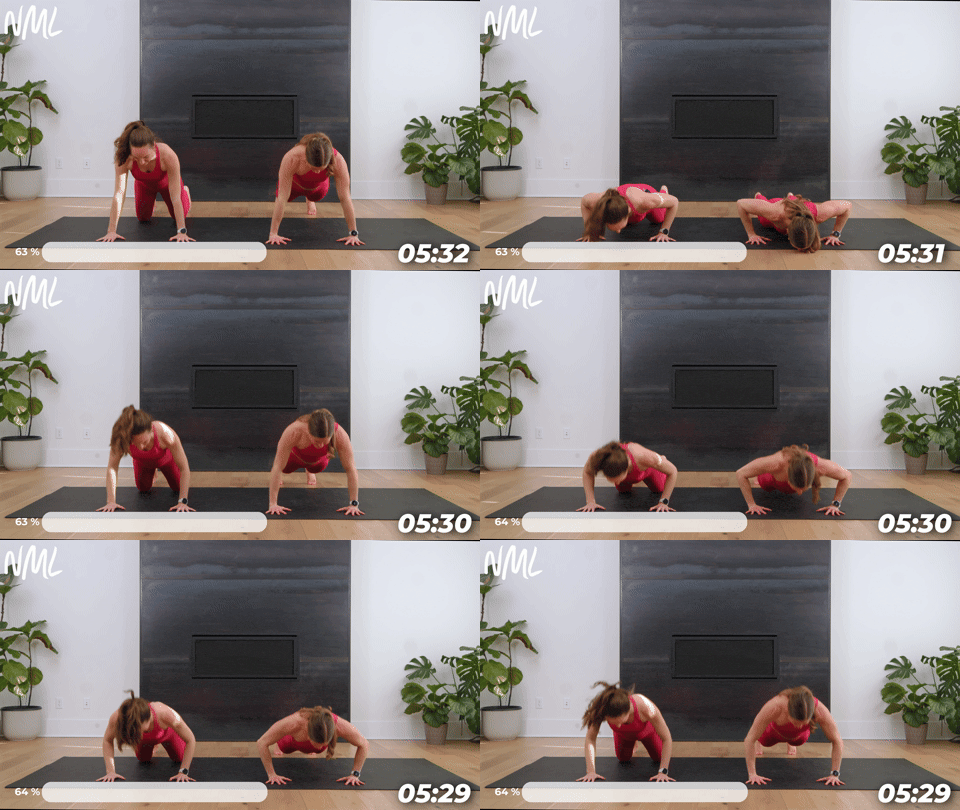
How to Do a Push-Up
- Start in a high plank position with shoulders stacked over wrists, hands shoulder-width apart, and feet hip-width apart. Keep your core engaged, drawing your belly toward your spine, and maintain a straight line from head to heels.
- Slowly lower your chest toward the floor, letting your elbows fall back toward your ribs. Keep your core tight and avoid sagging in your hips.
- Pause briefly at the bottom, then exhale as you push through your palms to return to the starting high plank position.
- Repeat for your desired number of reps, keeping your movement slow, controlled and steady.
Modification: Start on your knees or use an elevated surface like a bench, countertop or wall to reduce the load on your upper body and core. You can also try partial reps, lifting only partway, or move just your arms or legs to focus on specific areas. If push-ups are already part of your routine, check out my push-up progression guide to help you build strength step-by-step or my push-up variations to challenge yourself.
7. Pilates Swimmers
Targets: Back extensors, glutes, hamstrings and deep core stabilizers.
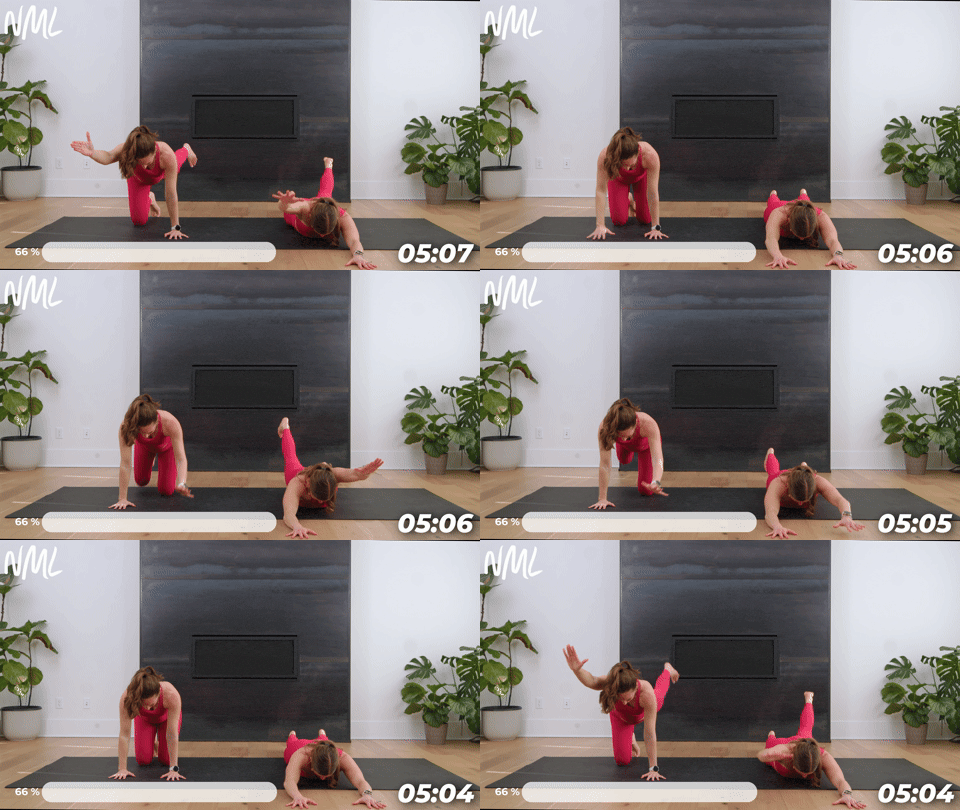
How to Do a Pilates Swimmer
- Lie face down on your mat with arms fully extended in front of you and legs straight behind you. Keep your spine long and gaze down to keep your neck neutral.
- Engage your core by drawing your navel up toward your spine. Keep your shoulders relaxed while stretching your fingertips and toes away from your center.
- Lift your head, chest, arms and legs just a few inches off the mat so your body feels light but stable.
- Begin alternating lifting opposite arms and legs. Lift your right arm and left leg, then switch to left arm and right leg. Try to keep rhythm and control as you move to avoid rocking your hips.
- Continue the alternating swimming motion for the duration of your set, keeping your core engaged and breath steady.
Modification: Option to perform a bird dog instead.
8. Single-Leg Glute Bridge
Targets: Gluteus maximus, gluteus medius, calves, hips, hamstrings and abs.
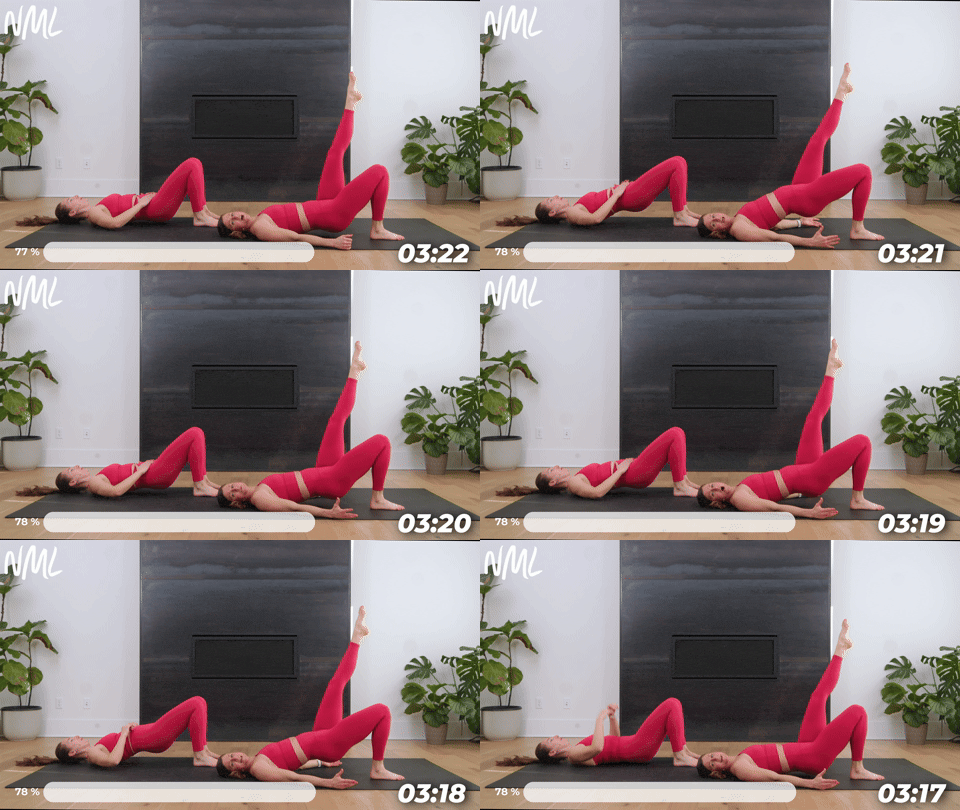
How to Do a Single-Leg Glute Bridge
- Lie on your back with knees bent, feet hip‑width apart and arms at your sides, palms down. Keep your chin gently tucked.
- Lift your left leg straight up toward the ceiling, keeping your right foot on the mat and knees aligned.
- Press through your right heel, squeeze your glutes and lift your hips until your body forms a straight line from shoulders to knee. Pause for a few seconds at the top.
- Slowly lower your hips back to the mat. Repeat for your desired number of reps before lowering your hips and setting your left foot down.
- Switch legs for the same number of reps on the opposite side.
Modification: Keep the knee bent or lower the leg only partway toward the floor to maintain hip stability. To add a hamstring stretch, after lifting your hips, slowly lower your extended leg toward the floor, keeping your hips steady, then bring it back up before lowering your hips. You can also try a Shoulder Bridge, lifting your hips off the mat while keeping your feet grounded.
FAQs
What is the difference between mat Pilates and reformer Pilates?
Mat Pilates is done on the floor, primarily using your body weight. Reformer Pilates requires a Pilates Reformer machine with springs and a sliding platform to provide resistance. Both styles target the same muscles and prioritize building strength, flexibility and core stability.
How often should you practice mat Pilates for best results?
If you’re new to Pilates mat workouts, starting with 2-3 sessions per week helps you build strength, improve control and learn the movements without overloading your body. Consistency matters more than intensity, so aim for regular practice and let your body adjust gradually
Is mat Pilates suitable for beginners?
Mat Pilates is a very beginner‑friendly Pilates workout since it uses simple bodyweight exercises you can do at home. You can start with short, gentle sessions and choose easier progressions or modifications as you learn the basics, then build up as your confidence and strength grow.
More Workouts
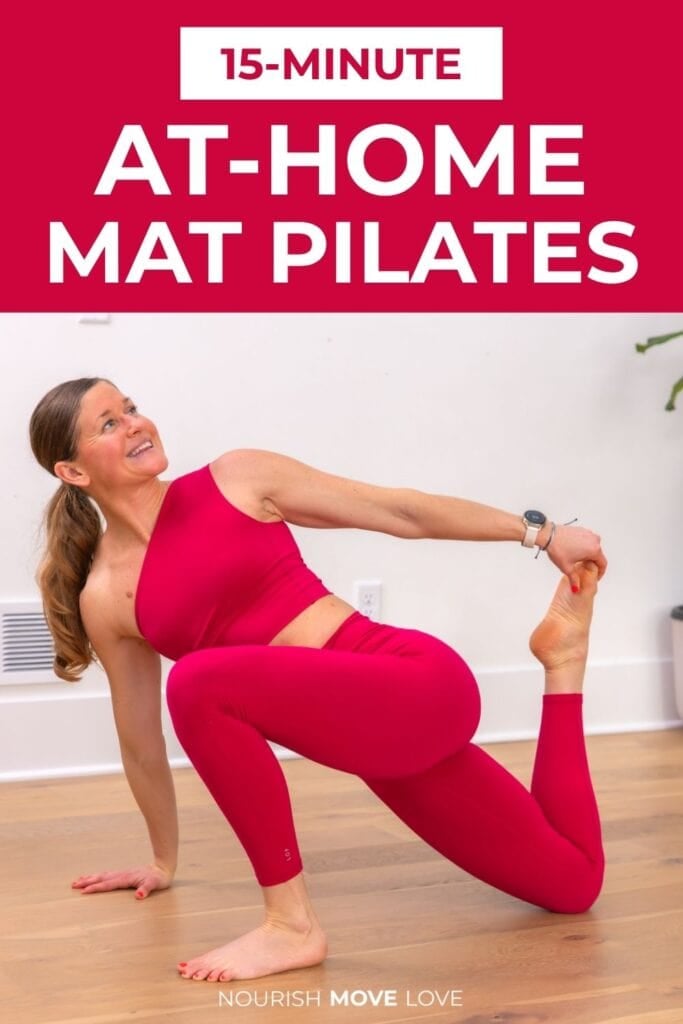
Pilates WorkoutsPin This: 15-Minute Mat Pilates Workout (8 Exercises)
2 comments
I would’ve loved a Pilates mat link in this post! I looked for one and didn’t see any… I need a new one and would love to purchase one you recommend, especially if you get an affiliate kickback ¨̮
Hi Stefanie! So glad you loved this workout and here’s the oversized mat I use and love: http://gorillamats.com?aff=5
Discount code: NourishMoveLove for a 10% off any purchase.
Here’s the exact mat I have — Extra Large Mat 8′ x 4′ x 1/4″
I hope that helps! -Lindsey