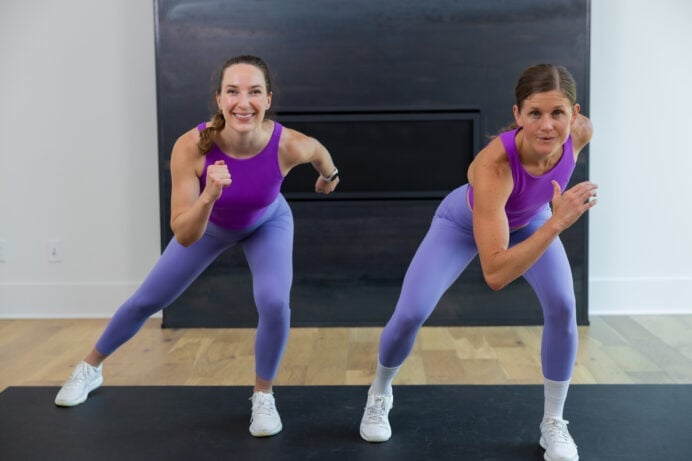



How to Breathe While Running
Breathing might seem automatic, but I’ve found that the right breathing techniques can make or break a run. When I focus on how I breathe, I feel stronger, more in control and able to run longer distances without getting out of breath. In this guide, I share simple techniques I’ve used to help me run more comfortably and efficiently.
Breathing Techniques for Runners
There isn’t just one right way to breathe while running, but there are a few techniques I come back to again and again. These methods help me take in more oxygen, stay relaxed and keep a steady rhythm, whether I’m heading out for an easy jog or pushing the pace a bit.
Diaphragmatic Breathing
Diaphragmatic breathing, also called belly breathing, is one of the most effective ways I’ve improved my running. Instead of shallow breaths in my chest, I focus on pulling air deep into my lungs so my diaphragm does the work.
This kind of breathing causes the belly to expand on the inhale and gently contract on the exhale. It might feel unnatural at first, but it helps me take in more oxygen with each breath and prevent tight, shallow breathing.
To practice diaphragmatic breathing while running:
- I inhale deeply through my nose or mouth, letting my belly expand.
- I keep my chest relatively relaxed and still.
- I exhale fully, allowing my belly to fall.
This technique helps me stay calm, reduces fatigue and makes my running workouts feel more controlled, especially on longer distances.
Rhythmic Breathing
Rhythmic breathing is all about syncing your breath with your steps. I’ve found this helps create a steady cadence during a run and keeps my body from tensing up midway through.
While diaphragmatic breathing focuses on how I breathe, with deep, belly-driven breathwork, rhythmic breathing focuses on when I breathe. When I combine both, my breathing feels much more controlled and efficient.
Instead of breathing randomly, I follow a pattern based on footstrikes. Here are a few rhythms I use depending on my pace:
- 3:2 pattern: Inhale for 3 steps and exhale for 2 steps (great for easy runs).
- 2:2 pattern: Inhale for 2 steps and exhale for 2 steps (moderate pace).
- 2:1 pattern: Inhale for 2 steps and exhale for 1 step (higher-intensity efforts).
I like odd-number patterns like 3:2 because they alternate which foot hits the ground during each exhale. That small shift can help reduce repetitive stress on one side of the body and may lower the chances of getting a side stitch.
Nose and Mouth Combination
When I’m running at an easy pace, I can often breathe through my nose. But as soon as I pick up speed, I need more oxygen than nose breathing alone can provide. That’s where combining nose and mouth breathing comes in.
For most runs, I inhale through my nose and mouth together, then exhale through my mouth. This allows me to take in more air without feeling restricted.When I’m pushing harder, I rely more on mouth breathing to keep up with the increased demand for oxygen. The key for me is staying relaxed in my jaw and shoulders so my breathing doesn’t become tense or forced. Using both my nose and mouth helps me stay efficient, especially during tempo runs, intervals or hills.
Why Proper Breathing Is Important
Being out of breath during a run doesn’t mean you’re not in shape, but how you breathe does play a huge role in how you feel on your next run.
When my breathing is shallow or inconsistent, my body has to work harder to send oxygen to my muscles. That can lead to faster fatigue, a spike in heart rate and that “I can’t catch my breath” feeling. It also makes it harder for my body to efficiently regulate carbon dioxide levels, which can contribute to that heavy, out-of-breath feeling and quicker fatigue.
When I focus on slow breaths, I’m able to improve oxygen delivery to my working muscles, maintain a consistent pace and lower my risk of cramps. I also let my rib cage expand as I breathe, which gives my lungs more room to fill and helps make each breath more efficient. Controlled breathing during any high-intensity aerobic activity helps me feel more relaxed.
Poor breathing mechanics can put extra strain on the diaphragm and surrounding muscles, which may contribute to discomfort during regular exercise. Dialing in my breathing has helped me run longer, recover faster and enjoy movement a lot more.
I’ve also found that pairing good breathing mechanics with consistent strength training helps me run stronger, maintain better posture and stay efficient even as I fatigue.
Additional Tips
Here are a few more simple tips I use to improve my breathing and make running feel easier:
- Practice breathing exercises before a run so they feel more natural once you start moving.
- Start at a slower pace to give your breathing time to settle into a rhythm.
- Focus on maintaining an upright posture during your run with the chest open and shoulders relaxed. Quick core workouts for runners can help improve your posture.
- Keep your jaw, neck, and shoulders loose during exercise to avoid tension that can restrict airflow.
- Use a running warm-up to gradually increase your breathing rate instead of jumping in too fast.
- Check in with your breath every few minutes, especially if you start to feel fatigued.
- Adjust your breathing pattern based on the intensity of your run instead of forcing one method the entire time.
- Wear a supportive sports bra. Research shows that ill-fitted sports bras with a tight underband can significantly impair breathing during a run. Here are a few of my favorites.
- Stay consistent with running so your cardiovascular system adapts over time. Your breathing will improve over time, too!
FAQs
Why do some people struggle to breathe while running?
In many cases, runners’ struggles with breathing stem from a combination of fitness level, breathing habits, and pacing. If I start running too fast, my body demands more oxygen than I’m able to take in, which can lead to heavy breathing. Shallow chest breathing can make this worse by limiting how much oxygen is actually reaching my lungs.
Breathing limitations can feel even more noticeable for some runners, especially those with conditions like asthma or COPD, where airflow is already restricted. Poor posture, tension in the upper body or environmental conditions like heat and humidity can also make it harder to breathe. With practice, breathing typically becomes more efficient as endurance improves.
How should beginners breathe when running a 5K?
When I’m coaching beginners through a 5K, I always emphasize keeping things simple and sustainable. I recommend starting with a comfortable pace where breathing feels manageable, not forced. A rhythmic pattern like 3:2 is a great place to start because it encourages steady, controlled breathing.
I also suggest focusing on deep breaths rather than quick, shallow ones. Using a combination of nose and mouth breathing can help bring in enough oxygen without overthinking it.
Most importantly, I remind beginners that if they feel out of breath, it’s completely okay to slow down or take a short walking break. Building endurance takes time, and breathing will improve with consistency.
When should you use mouth breathing while running?
I naturally shift to mouth breathing when the intensity increases. If I’m doing speed work, running hills or pushing my running pace, my body needs more oxygen than nasal breathing alone can provide. Mouth breathing lets me take in larger volumes of air quickly, helping me use my lung capacity better and support performance when I’m working harder.
Even on easier runs, I often use a combination of nose and mouth breathing to stay comfortable. The key is not forcing one method, but letting my breathing rate adjust to the intensity of the run.
Breathe Better, Run Easier
Learning how to breathe while running has made a big difference in my runs. When I focus on deep, steady breathing and find a rhythm that matches my pace, everything starts to feel more controlled, efficient and sustainable.
The more you tune into your breath, the easier it becomes to adjust based on how you feel, whether you’re going out for an easy run or pushing through a tougher workout.
If your runs have been feeling harder than they should, start by paying attention to your breathing. Small adjustments can go a long way in helping you feel stronger, more relaxed and more confident every time you hit the pavement.
More Roundups
Exercises and WorkoutsPin This: How to Breathe While Running (Tips and Techniques)
This post includes affiliate links. I do earn a commission for products purchased using these links (at no additional cost to you). Thank you for supporting Nourish Move Love, making the content you see on this blog possible.
no comments