






8 Lymphatic Drainage Exercises
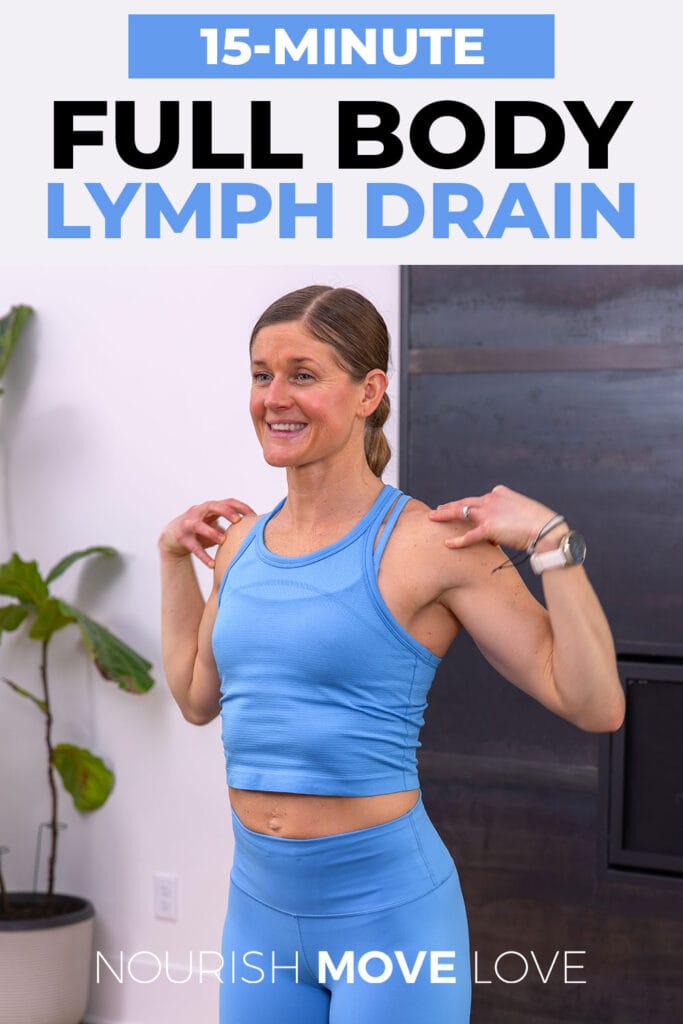
This gentle, follow-along lymphatic drainage workout is designed to stimulate healthy lymph flow, reduce swelling and help you feel less puffy and more energized. This workout combines low-impact exercises you can do at home and is ideal for anyone navigating life during or after cancer treatment, managing mild lymphedema or simply looking for a natural way to support detoxification.
This lymphatic drainage workout has been highly requested, and I’m excited to share this resource. In this routine, I pull together some of the most effective, research-backed lymphatic drainage exercises so you can support your lymphatic system in a way that fits into real life (whether that’s before the kids wake up or during a quick mid-day reset).
I walk you through foundational techniques like diaphragmatic breathing (one of the best exercises for moving lymph fluid), gentle bouncing or marching, simple mobility flows and muscle-pumping movements that help move lymphatic fluid without adding stress to your body. When done consistently, these movements can be one of the fastest, most natural ways to encourage lymph flow and may help reduce mild swelling and that heavy, puffy feeling so many women experience.
I filmed this video alongside Kelly Sturm, a Doctor of Physical Therapy (PT, DPT) specializing in oncology and lymphedema at Cancer Rehab PT, where she provides education and support for individuals living with and beyond cancer. Her clinical expertise brings a deeper context to the self-manual lymphatic drainage techniques I demonstrate, especially for those managing lymphedema. While these exercises can be incredibly supportive, I always encourage seeking care from a physician or certified lymphedema specialist if swelling is persistent, worsening, painful or sudden, to ensure you’re getting the right medical guidance.
Read A 5-Star Review ⭐⭐⭐⭐⭐
“I’m doing this first thing in the morning and after every meal! Please add more like this that are 10-15 mins!!”
— Alice
Workout Specifics
This lymphatic drainage workout is a gentle, low-impact daily routine designed to stimulate lymph flow, reduce mild swelling and help you feel lighter and more energized through simple breathing, mobility and muscle-pumping movements.
I recommend adding this home workout 3-5 times per week, or even daily during seasons when you’re feeling more inflamed, puffy or sedentary. It pairs well with strength training days, active recovery, long walks or even as a short morning reset before a busy day.
If you have active cancer treatment complications, uncontrolled lymphedema, unexplained or sudden swelling, blood clots, infection (like cellulitis) or cardiovascular concerns, it’s important to speak with your physician, care team or a certified lymphedema specialist before starting.
Equipment Needed
No equipment needed for this bodyweight lymphatic system flush.
Instructions
Follow along with the guided Lymphatic Drainage Workout on YouTube, led by me — your certified personal trainer (CPT), Lindsey Bomgren.
Your Workout Looks Like This:
- 15 Lymphatic Drainage Exercises
- Timed Intervals (perform each exercise for 40 seconds of work, followed by a 15-second transition between moves)
- Repeat Each Exercise x1 Set (no repeats)
Exercises Outline
1. Deep 360 Breathing With Big Arm Sweeps
Targets: Diaphragm, transverse abdominis, deep core stabilizers, pelvic floor, intercostals, shoulders (deltoids), upper back and lats. Deep breathing exercises offer a great way to stimulate the circulatory system.
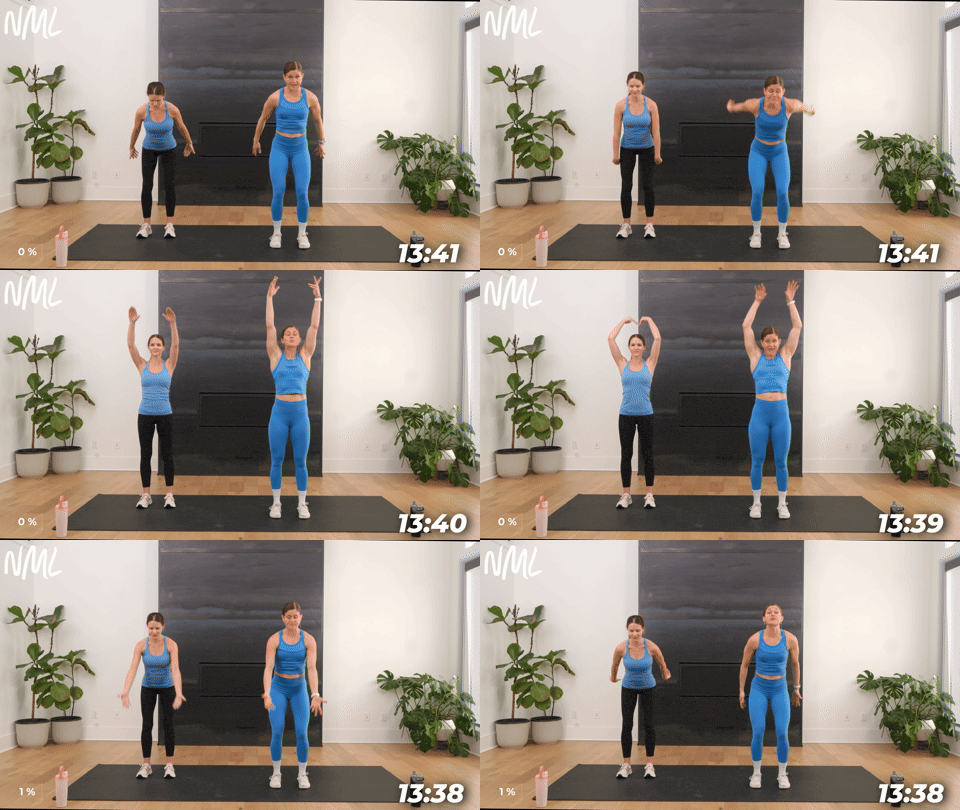
How to Do Deep 360 Breathing With Big Arm Sweeps
- Start standing tall with your feet hip-width distance apart, knees soft and spine neutral. Find a comfortable position, letting your arms rest by your sides and gently engaging your core.
- Place 1 hand around your lower ribs and inhale deeply through your nose, directing the breath into your belly. Think about expanding 360 degrees through your ribcage.
- As you continue that inhale, slowly sweep your arms overhead, reaching tall through your fingertips without flaring your ribs.
- At the top, pause briefly and feel the full expansion through your diaphragm and ribcage. Keep your shoulders relaxed away from your ears.
- Exhale slowly through your mouth, lowering your arms back down to your sides with control. As you exhale, gently draw your ribs inward and engage your deep core, including the transverse abdominis and pelvic floor.
2. Neck Roll Circles
Targets: Neck muscles, shoulders and upper back.
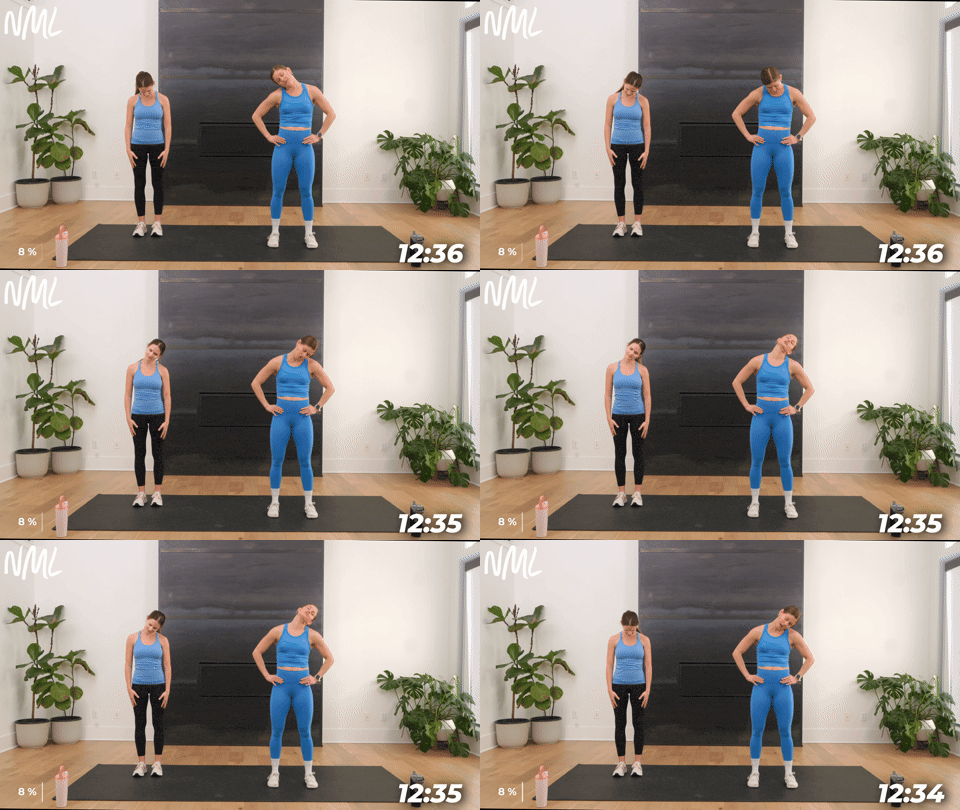
How to Do Neck Roll Circles
- Stand tall with your feet hip-width distance apart and place your hands gently on your hips. Keep your shoulders relaxed and your core engaged.
- Begin by slowly dropping your chin toward your chest, feeling a gentle stretch along the back of your neck.
- Roll your head slowly to one side, bringing your right ear toward your right shoulder, then continue the circle back to the center and around to the other side. Keep the movement smooth and controlled.
- Exhale as you move through the lower portion of the circle, and inhale as you rise back to center.
- Focus on maintaining relaxed shoulders and gentle engagement in your upper back to support the neck through the movement. You can also incorporate shoulder rolls to facilitate fluid drain.
3. Calf Raise With Overhead Reach
Targets: Calves, glutes, hamstrings, core, shoulders and upper back (lats and deltoids).
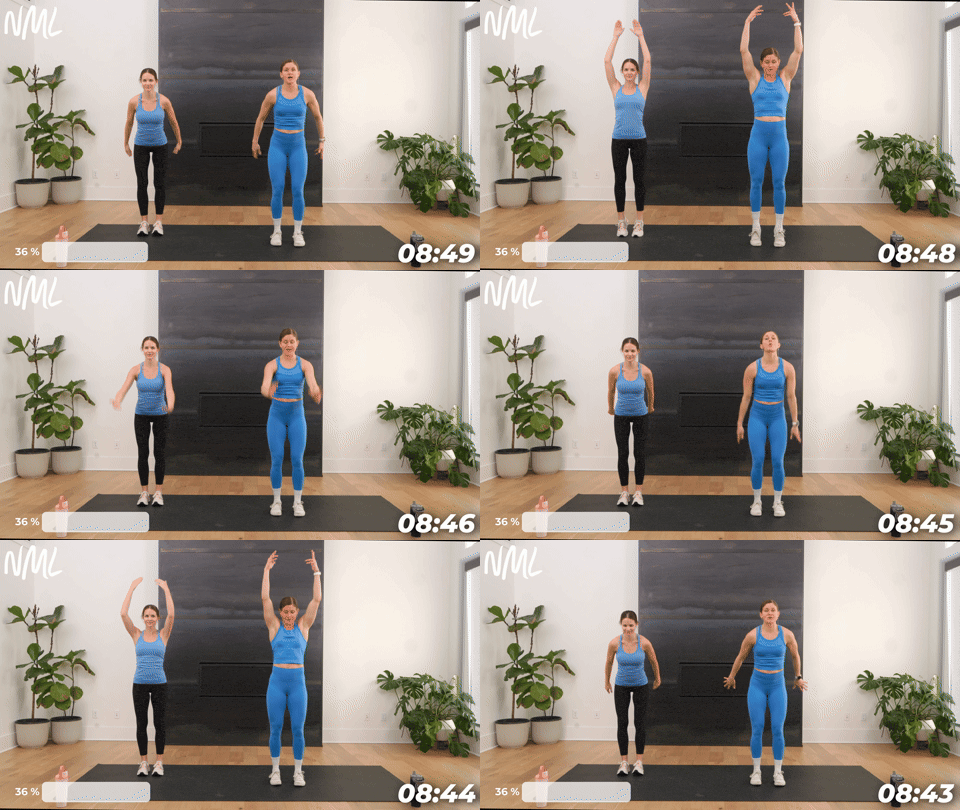
How to Do a Calf Raise With Overhead Reach
- Stand tall with your feet hip-width distance apart, core engaged and arms relaxed at your sides.
- Inhale as you sweep your arms overhead, reaching tall through your fingertips and lengthening your spine.
- Exhale as you press through the balls of your feet to lift your heels off the ground, engaging your calves and glutes while maintaining a strong, stable core.
- Pause briefly at the top, feeling the stretch in your calves and the lift through your upper body.
- Slowly lower your heels back to the ground as you bring your arms back down to your sides, maintaining control and keeping your shoulders relaxed.
4. Good Morning and Thoracic Spine Rotation
Targets: Hamstrings, glutes, erector spinae, obliques, thoracic spine, shoulders and core. The body’s main lymph vessels are the thoracic duct.
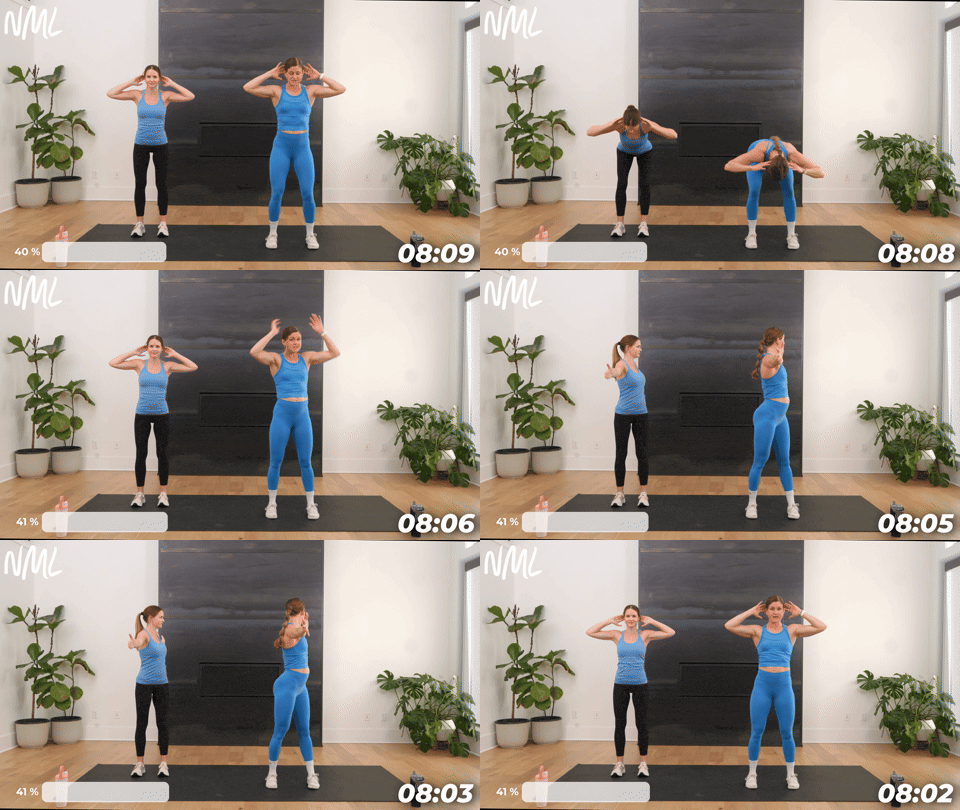
How to Do a Good Morning and Thoracic Spine Rotation
- Stand tall with your feet hip-width distance apart, knees soft and core engaged. Place your hands lightly behind your head, elbows wide.
- Hinge at your hips with a soft bend in your knees, lowering your torso forward until it’s roughly parallel to the floor. Keep your spine long and core engaged.
- Engage your glutes and hamstrings to lift your torso back to standing. As you rise, rotate your torso through the thoracic spine to one side, leading with your chest and keeping your hips square.
- Return to center at the top, then repeat the movement, rotating to the opposite side as you stand tall.
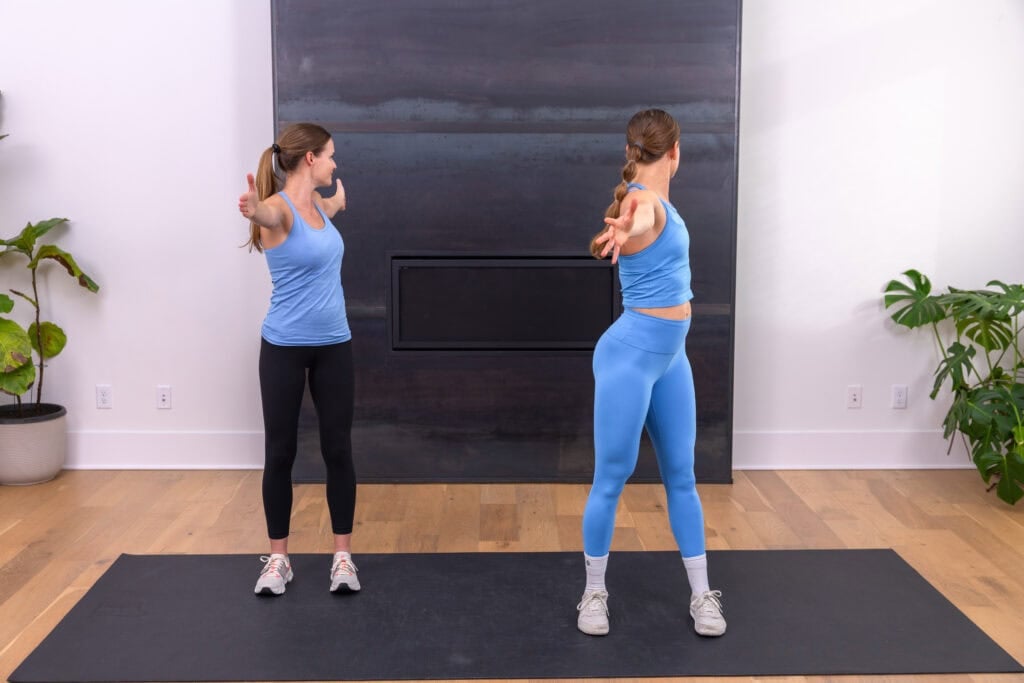
5. Side Step Arm Sweeps
Targets: Shoulders (deltoids), lats, obliques, glutes, hip stabilizers and core.
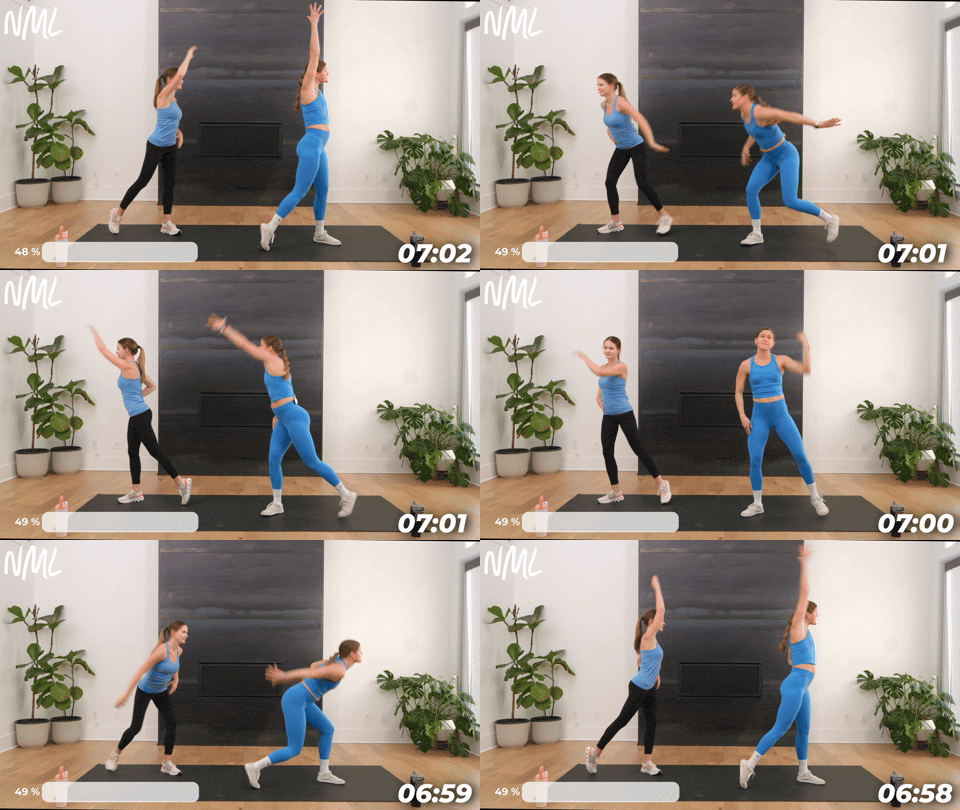
How to Do Side Step Arm Sweeps
- Stand tall with your feet hip-width distance apart and core engaged, arms relaxed at your sides.
- Step your right foot out to the side and pivot your toes and torso to the right. As you pivot, sweep your left arm up and overhead, reaching tall through your fingertips.
- Pause briefly at the top, feeling the stretch along your side body and engagement through your obliques and glutes for stability.
- Reverse the movement; step your left foot out, pivot your toes and torso to the left, and sweep your right arm overhead.
- Inhale as you prepare for each sweep, and exhale as you reach overhead, maintaining control and a long spine.
6. Hamstring Scoops
Targets: Hamstrings, glutes, calves, erector spinae and core.
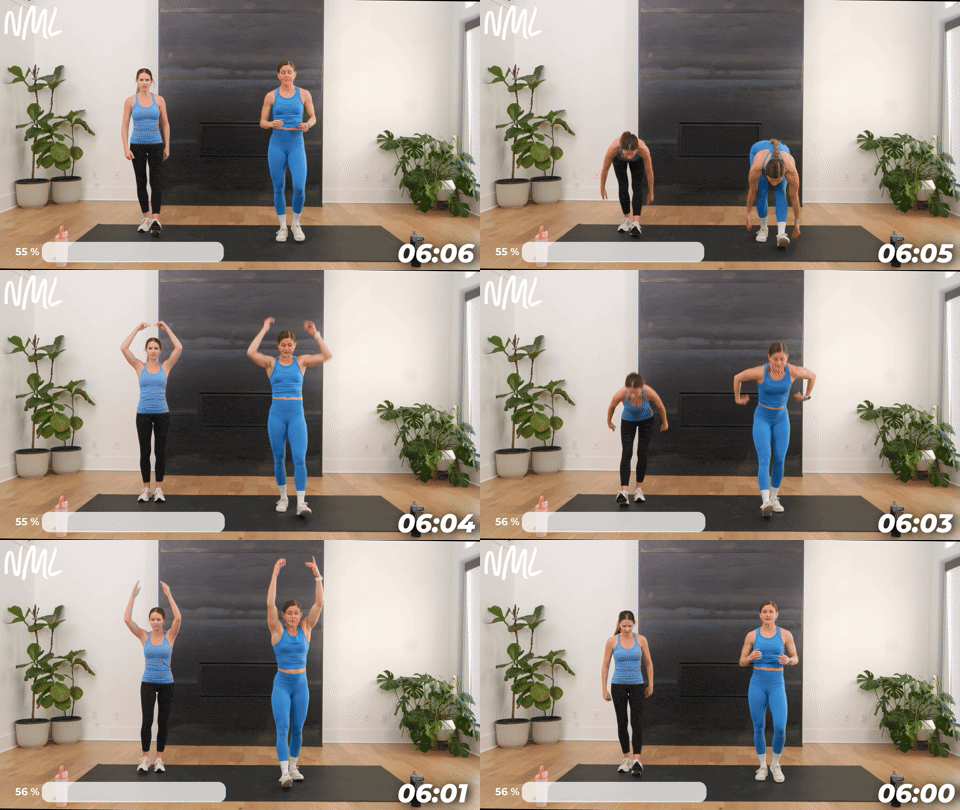
How to Do a Hamstring Scoop
- Stand tall with your feet hip-width distance apart and core engaged, arms relaxed at your sides.
- Shift your weight onto your left foot and prop the right heel up, with the right toes pointing to the ceiling.
- Hinge at your hips with a soft bend in your knees, lowering your torso forward while keeping your spine long. Reach your hands toward the floor or your shins in a comfortable range.
- Engage your hamstrings and glutes as you scoop your hands toward the right toes and back up along the front of your legs toward your hips, lifting your torso slightly as if “scooping” upward.
- Pause briefly at the top, standing tall with shoulders relaxed and core engaged.
- Shift your weight into your right foot and prop the left heel up, left toes pointing to the ceiling. Repeat the movement.
- Inhale as you hinge forward, and exhale as you scoop back up to standing.
7. Forward/Back Arm Circles
Targets: Shoulders (deltoids), lats, upper back (trapezius and rhomboids), chest and core.
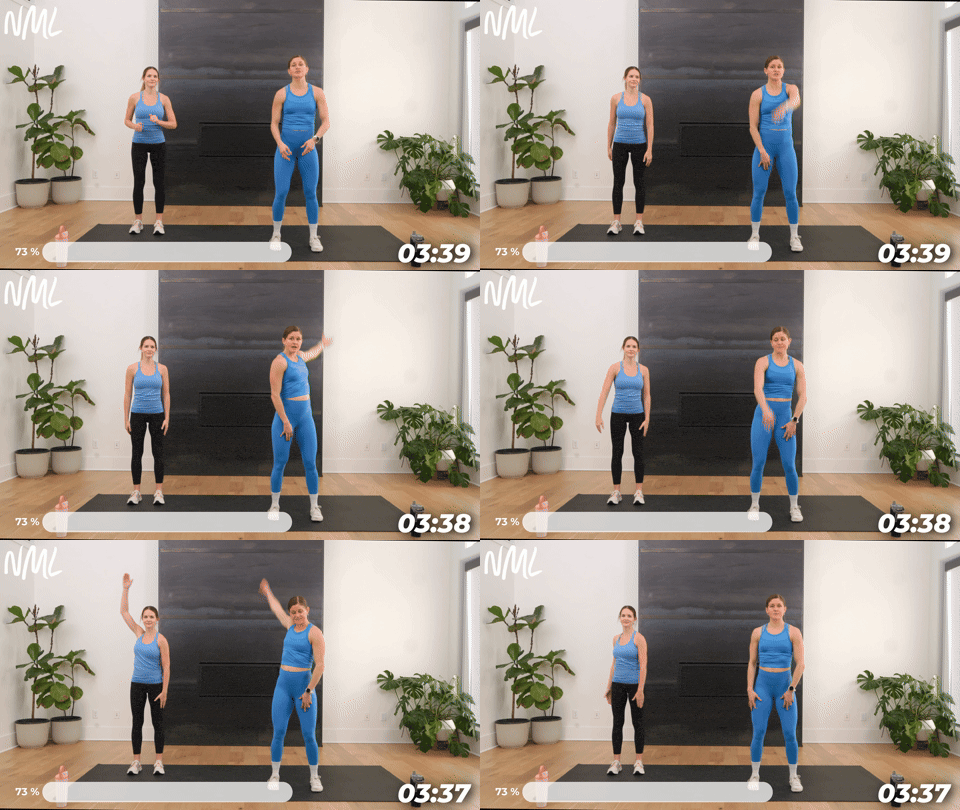
How to Do Forward/Back Arm Circles
- Stand tall with your feet hip-width distance apart, core engaged and arms relaxed at your sides.
- Inhale as you sweep your right arm back in a controlled circle, reaching overhead and then back down toward your side.
- Immediately follow by sweeping your left arm back in the same motion, alternating arms in a smooth, continuous flow.
- After a few sweeps on each arm, reverse the movement to perform forward arm sweeps.
- Exhale as each arm completes the circle, keeping your shoulders relaxed and avoiding tension in the neck.
- Focus on maintaining a tall spine and engaged core throughout the movement, allowing your upper back and lats to guide the sweep.
8. Light Jumps or Rebounding
Targets: Calves, glutes, quads, hamstrings, core and hip stabilizers.
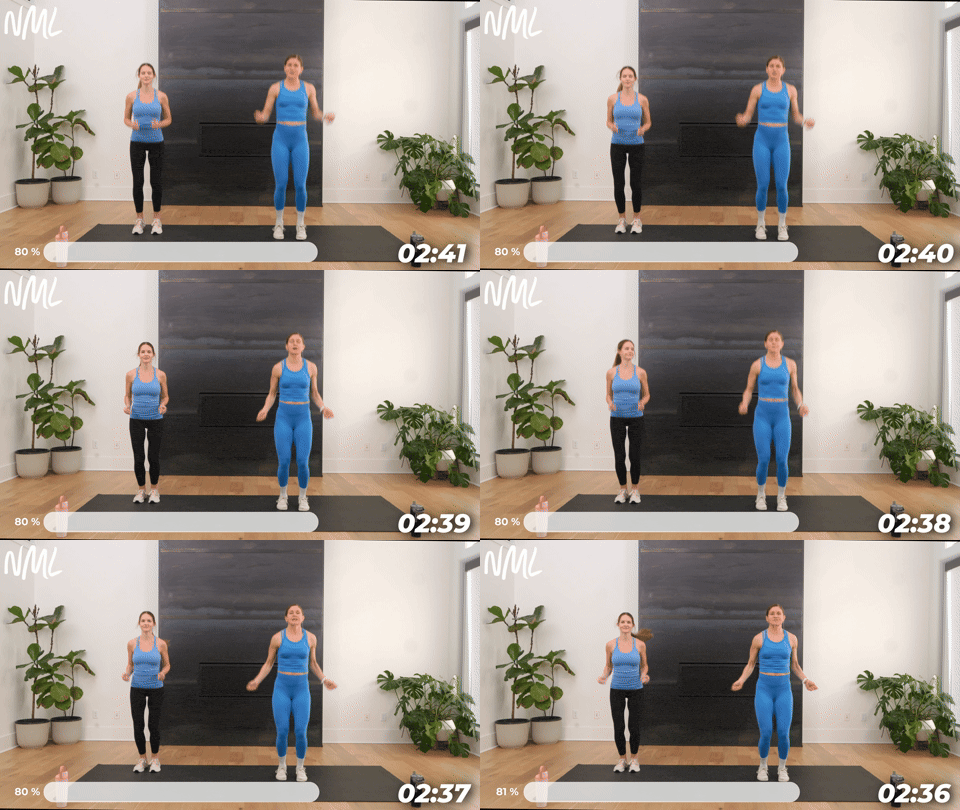
How to Do Light Jumps or Rebounding
- Stand tall with your feet hip-width distance apart, knees soft and core engaged. Arms can rest at your sides.
- Inhale as you bend your knees slightly and prepare to spring upward, keeping the movement small and controlled.
- Exhale as you gently push through the balls of your feet, lifting a few inches off the ground while maintaining soft knees and an engaged core.
- Land softly on the balls of your feet, immediately absorbing the impact and light pressure through your calves, glutes and quads to protect your joints.
Benefits of Completing Lymphatic Drainage Exercises
Lymphatic drainage exercises are one of the most overlooked yet powerful ways to support overall health, especially as a busy woman balancing workouts, family life and everything in between. The lymphatic system relies on breath and muscle contractions to move fluid, which means regular, intentional physical activity is essential. When I consistently incorporate lymphatic-focused exercises, I notice I feel less puffy and more energized… especially during high-stress seasons, travel, long filming days or phases where I’m sitting more than usual.
One of the biggest benefits is reducing mild swelling and fluid retention. Gentle, muscle-pumping movements and diaphragmatic breathing can help encourage lymph flow, which may ease that heavy, tight or sluggish feeling many women experience (particularly around hormonal shifts, long days on your feet or extended periods of inactivity). These exercises are also supportive during recovery phases, whether that’s post-workout recovery, postpartum healing or navigating life during or after medical treatment (with proper medical guidance).
I love these 8 exercises because they’re simple, approachable and rooted in function – not trends! They don’t require equipment, a large time commitment or high intensity. Instead, they work with your body’s natural physiology. Deep breathing stimulates the thoracic duct (a major lymphatic vessel), while light bouncing, marching and mobility flows create the gentle muscular contractions needed to move fluid efficiently. It’s one of the fastest, most natural ways I’ve found to support circulation without adding more stress to an already full schedule.
Another reason I prioritize lymphatic drainage work is that it complements strength training. Strength workouts build and challenge muscle, while lymphatic exercises help restore and support recovery. Adding these movements in 3-5 times per week – or even as a 10-15 minute morning reset – can enhance how you feel in your body overall.
Most importantly, these exercises offer a proactive way to support your health and maintain a healthy immune system. While they’re not a replacement for medical treatment (especially for those with diagnosed lymphedema or persistent swelling), they can be an effective self-care tool for maintaining lymphatic health, reducing mild fluid buildup and feeling more comfortable and mobile in your day-to-day life.
FAQs
How can you tell if your lymphatic system is blocked?
The lymphatic system doesn’t technically “block” in the way people often think, but it can become sluggish or impaired. Common signs include persistent swelling (especially in the arms or legs), a feeling of heaviness or tightness, puffiness that doesn’t resolve overnight, reduced range of motion or skin that feels firm or tight. If swelling is sudden, painful or only on one side, it’s important to seek medical evaluation to rule out more serious conditions.
Do lymphatic drainage exercises really work?
Yes! When done consistently and correctly, lymphatic drainage exercises can support healthy lymph flow and overall quality of life. Because the lymphatic system relies on muscle contractions and breathing (especially diaphragmatic breathing) to move fluid, gentle movement and rhythmic muscle-pumping exercises can help reduce mild swelling, improve circulation and decrease that heavy or puffy feeling. They’re most effective when practiced regularly and paired with other healthy lifestyle habits.
Are there risks to doing lymphatic drainage exercises incorrectly?
For most healthy individuals, these exercises are very low risk because they’re gentle and low-impact. However, overly aggressive self-massage, deep pressure or exercising with an untreated medical condition (such as an active infection, blood clot, uncontrolled heart condition or unmanaged lymphedema) can cause complications. If you have a history of cancer treatment, lymphedema or chronic swelling, it’s best to learn from a qualified professional and consult your healthcare provider before beginning. Your physical therapist or healthcare provider may advise that you wear compression garments during exercise, depending on your medical history.
What are the signs and symptoms of lymphedema?
Lymphedema symptoms typically present as persistent swelling in an arm or leg, though it can also affect the chest wall, abdomen, neck or other areas depending on medical history. Not everyone who undergoes cancer treatment or has lymph nodes removed or a biopsy will develop lymphedema. Early signs include a feeling of heaviness, tightness or fullness; later symptoms may include visible swelling, skin thickening or hardening, decreased flexibility and clothing or jewelry fitting tighter on one side. Early identification and proper management are key, so ongoing or worsening swelling should always be evaluated by a physician or certified lymphedema specialist.
More Posts
Exercise RoundupsPin This: 8 Best Lymphatic Drainage Exercises
no comments

Leave a Comment