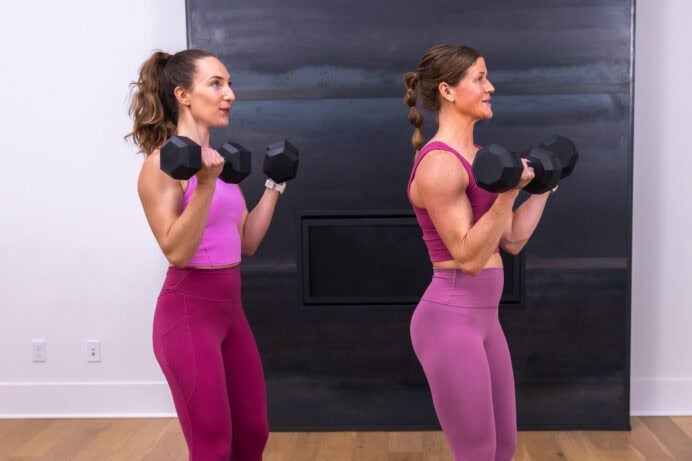




Chest Workouts: 11 Exercises to Build Muscle
Chest workouts help you build upper body strength, improve posture and support everyday movements (like lifting, carrying groceries or pushing a stroller). These are 11 of the best chest exercises you can do at home or at the gym using dumbbells and your bodyweight to build stronger pecs, defined arms and functional strength.
The chest is a muscle group often overlooked (and undertrained) by women, but I consider it an essential part of balanced upper body strength.
Chest workouts engage the pectoral muscles along with the shoulders, triceps and core, which directly impacts your functional strength outside of the gym as well. Every time you push open a door, lift groceries or push a stroller, your chest engages.
A strong chest also supports shoulder joint stability, helps counteract rounded shoulders and helps prevent injuries.
The most effective chest workouts at home combine a press movement (bench or chest press), an upper chest movement (reverse grip press), a fly movement (chest fly or cable crossovers) and a bodyweight movement (push-ups). This combination of chest exercises is key for targeting all parts of the chest and promoting balanced muscle growth.
Details on These Chest Exercises
This effective dumbbell chest workout combines compound presses and isolation movements to target the entire chest area. Compound presses allow for heavier loads, while fly movements increase range of motion and time under tension. You’ll engage both the upper, middle and lower fibers of the pectoralis major and the deeper pectoralis minor muscles.
I recommend adding chest workouts to your workout routine 1-2 times per week to build strength and definition.
Note: This is a list of my favorite chest exercises. If you prefer a full guided workout video (complete with a warm-up and cool-down), try this guided chest workout, led by me — your certified personal trainer, Lindsey Bomgren.
Equipment Needed
Medium to Heavy Pair of Dumbbells. I suggest anywhere from 10-35 pounds. I like to use dumbbells to train the chest because they allow for a greater range of motion, correct muscle imbalances and activate more stabilizer muscles than using a barbell, cable machine or Smith machine.
Optional: Flat Bench. You can also substitute an exercise ball or cooler, or perform the exercises on the floor.
Trainer Tip: The last 2-3 reps should be challenging to complete, but allow you to maintain proper form. That’s a good sign you’ve chosen the right weights!
Instructions
Choose 4-6 exercises from the list below. That’s enough to target the upper, mid and lower chest without overtraining. Then perform:
- Beginners: Aim for 2-3 sets of 8-10 reps
- Intermediate: Aim for 3-4 sets of 10-12 reps
- Advanced: Aim for 4-6 sets of 12-15 reps
Rest for approximately 60 seconds between sets.
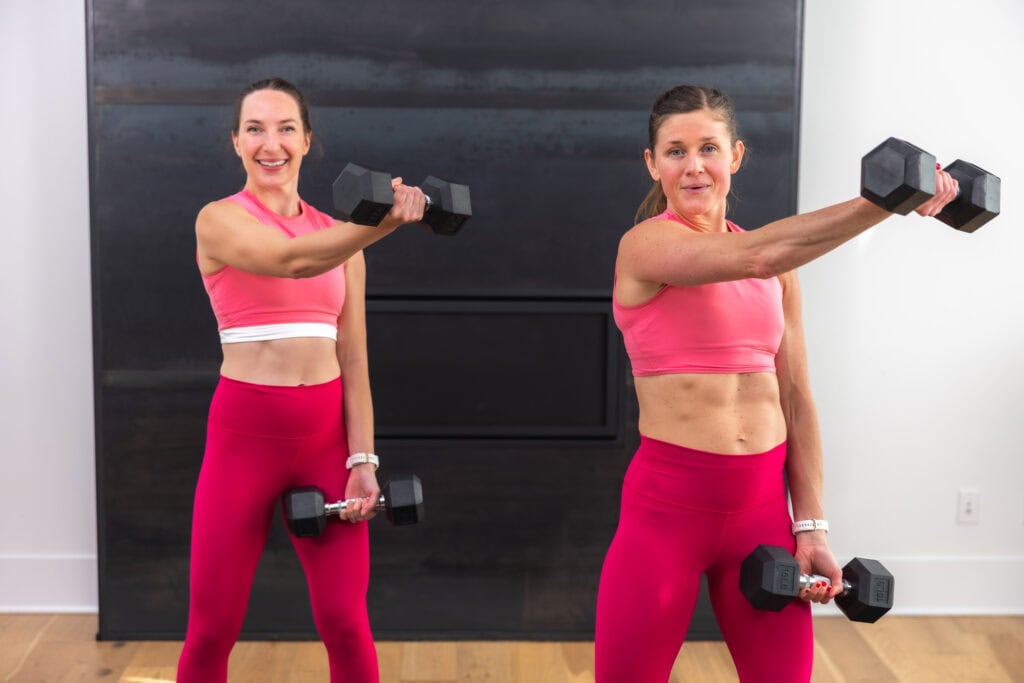
Chest Workouts: 11 Essential Exercises
1. Bench Press
Targets: Chest (pecs), shoulders (deltoids) and triceps.
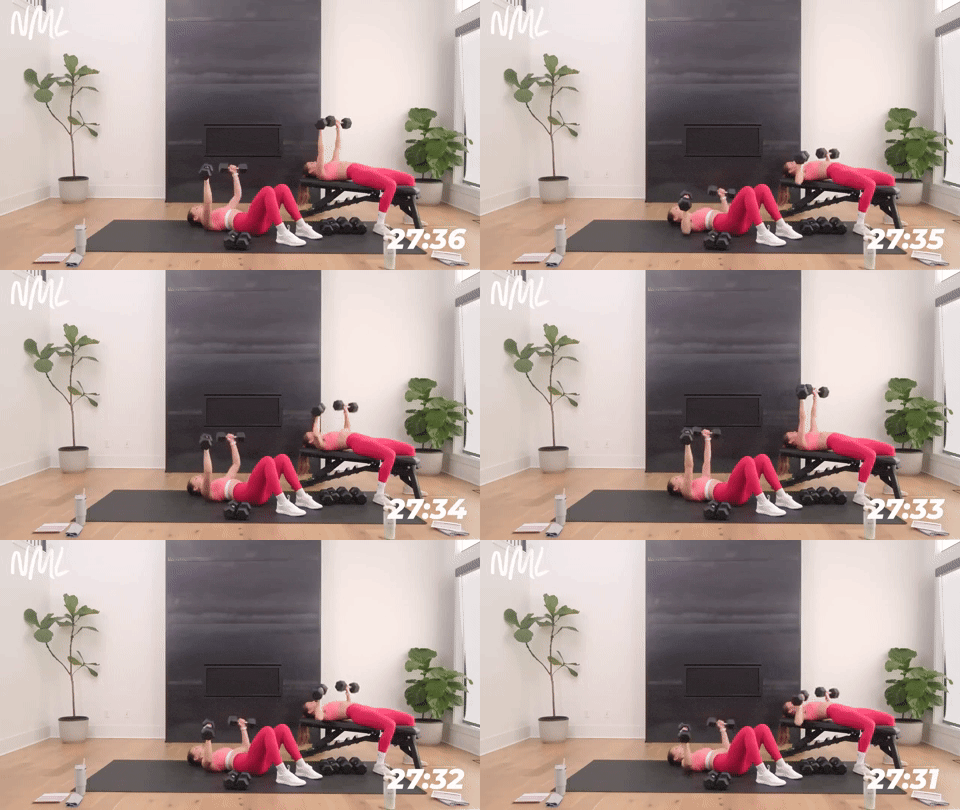
How to Do a Bench Press
- Lie flat on your back on a bench with knees bent and feet flat on the floor. Hold 1 dumbbell in each hand, elbows bent at 90 degrees.
- Exhale as you push both dumbbells overhead, stacking them over your shoulders. Make sure your wrists are strong.
- Lower the dumbbells back to chest level or just below.
Modification: If you prefer, you may substitute a barbell bench press or incline bench press.
2. Dumbbell Chest Press
Targets: Chest (pecs), shoulders (deltoids) and triceps.
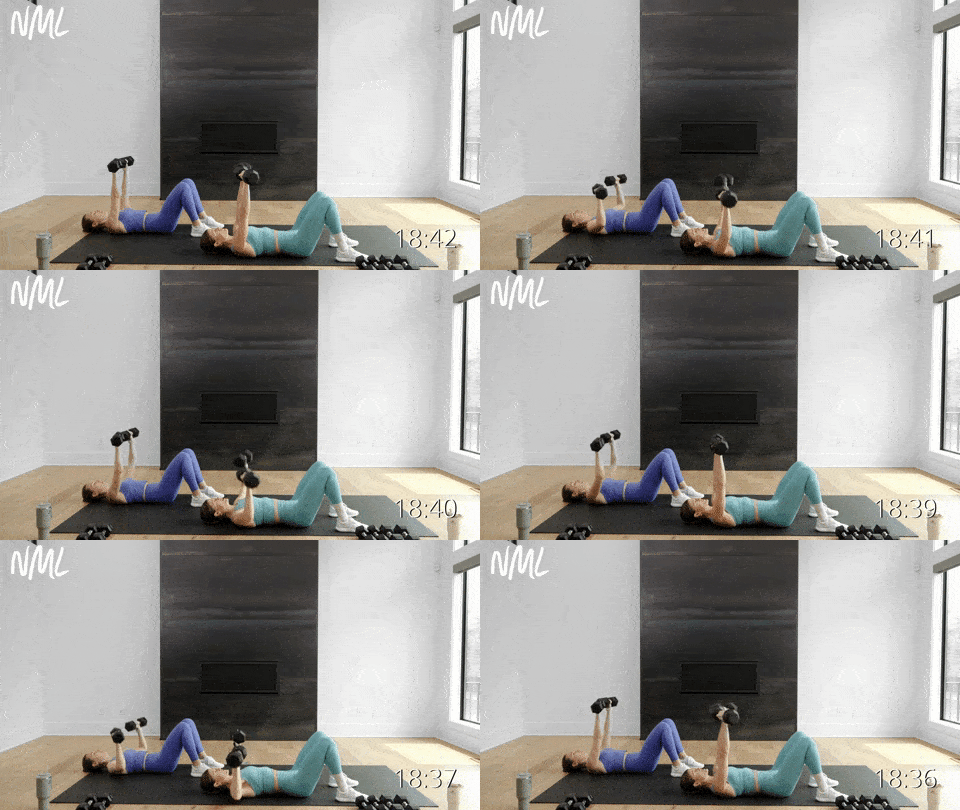
How To Do A Dumbbell Chest Press
- Lie flat on your back with knees bent and feet flat on the floor. Hold one dumbbell in each hand (palms facing knees), elbows bent at a 90-degree angle.
- Exhale as you push both dumbbells overhead at the same time; dumbbells stacked over your shoulders at the top of the press. Make sure your wrists are strong and in line with your shoulders.
- Lower the dumbbells back towards your chest with control.
Modification: If lying flat on your back isn’t comfortable, substitute an incline dumbbell chest press.
3. Narrow Chest Press
Targets: Inner chest, shoulders and triceps.
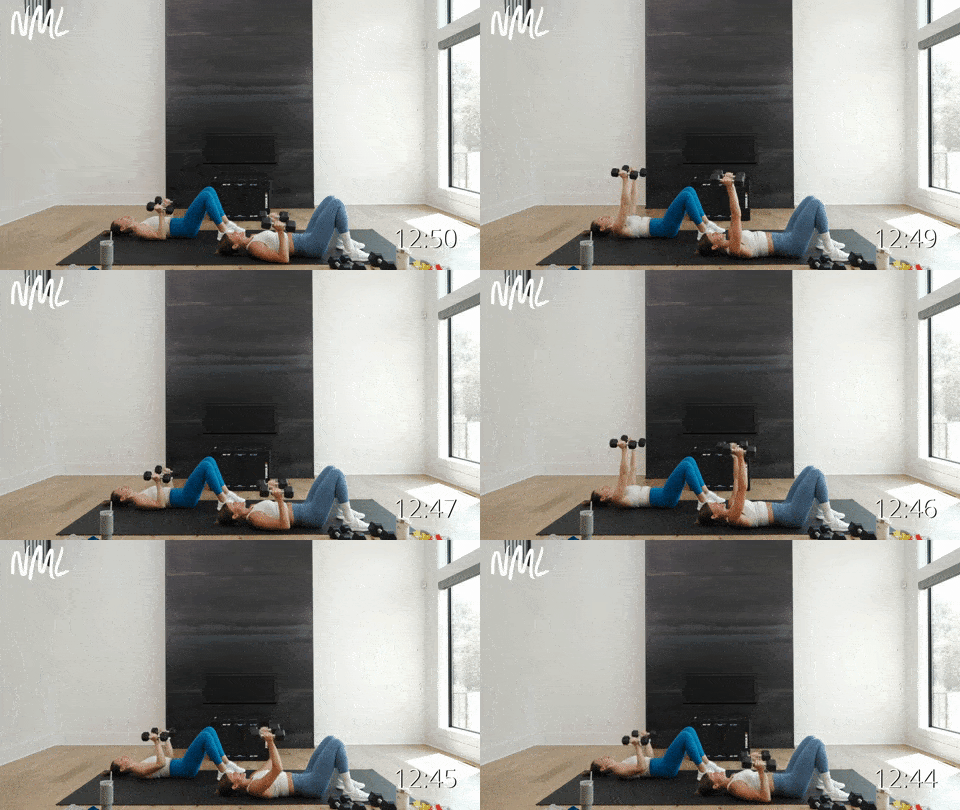
How to Do a Narrow Chest Press
- Lie flat on your back with one dumbbell in each hand, elbows pinned at your sides, dumbbells at mid-chest point, and palms facing in toward one another. Press your feet firmly into the floor.
- Exhale as you press the dumbbells up in a straight line, ending with your arms straight overhead, wrists over your shoulders.
- Lower the weights down with control, elbows grazing your rib cage.
4. Chest Fly
Targets: Pectoralis major and pectoralis minor.
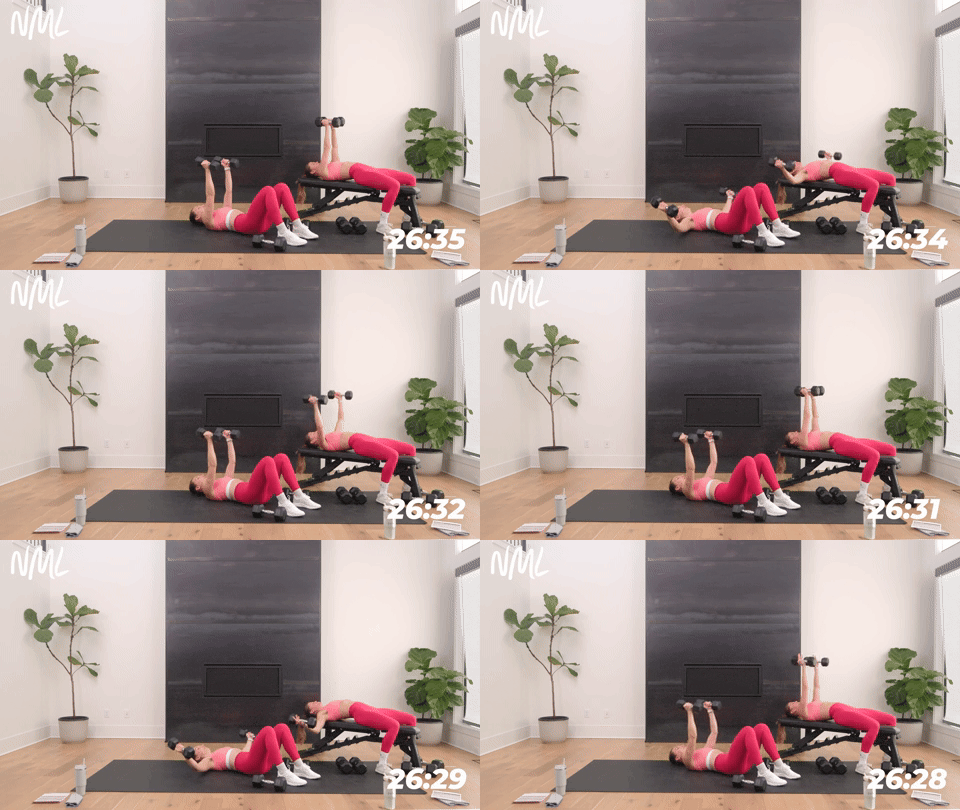
How to Do a Dumbbell Fly
- Lie flat on your back (on the ground, on a bench, or on a stability ball) with 1 dumbbell in each hand, arms extended above your shoulders, palms facing in towards each other. Press your feet firmly into the floor.
- Inhale as you slowly open your arms, lowering the dumbbells in a wide arc until they reach shoulder level (or the ground). Your elbows should remain soft and not over-extended (slight bend in the elbows).
- Exhale as you pull the dumbbells back to the starting position, squeezing your chest muscles together. Keep your chest lifted and your elbows slightly bent.
5. Rotational Chest Fly
Targets: Chest muscles, both the larger pectoralis major and the smaller pectoralis minor.
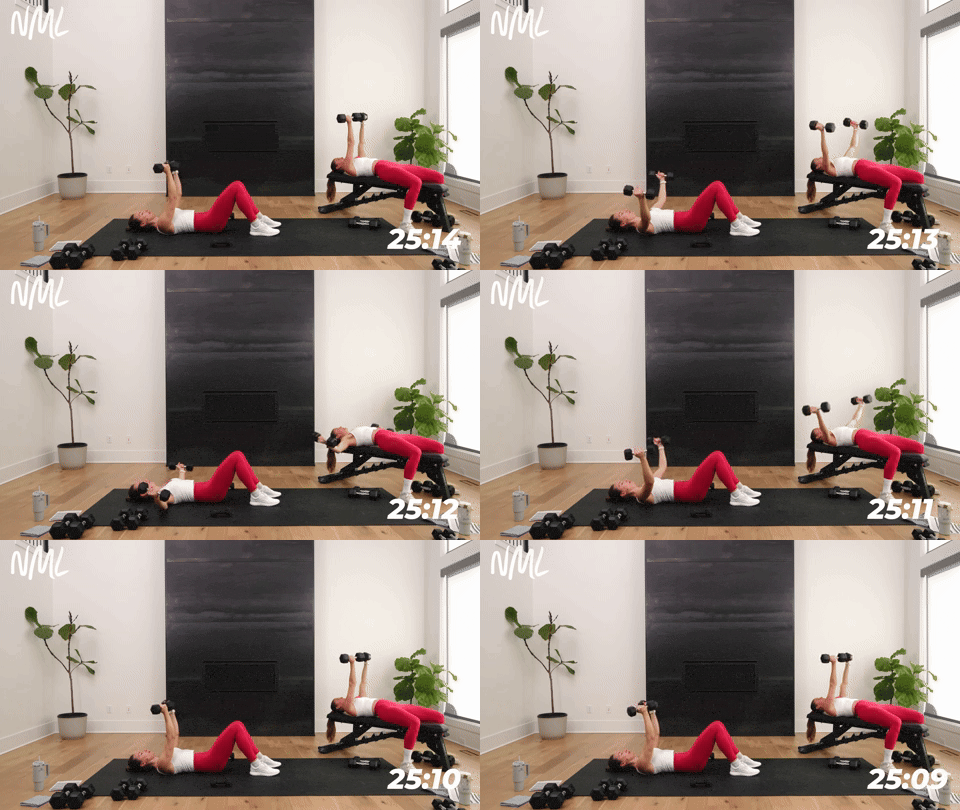
How to Do a Rotational Chest Fly
- Lie flat on your back (on the ground, on a bench, or on a stability ball) with 1 dumbbell in each hand, arms extended above your shoulders, palms facing in towards each other. Press your feet firmly into the floor.
- Inhale as you slowly open your arms, lowering the dumbbells in a wide arc until they reach shoulder level. Your elbows should remain soft and not over-extended (keep a slight bend in the elbows).
- Exhale as you pull the dumbbells back to the starting position. As you pull the dumbbells back, rotate your hands so that your palms are facing your face, with your pinkies coming together. Squeeze your chest muscles together, keeping your chest puffed out and your elbows slightly bent.
6. Push-Up
Targets: Chest, shoulders, triceps, back and core muscles.
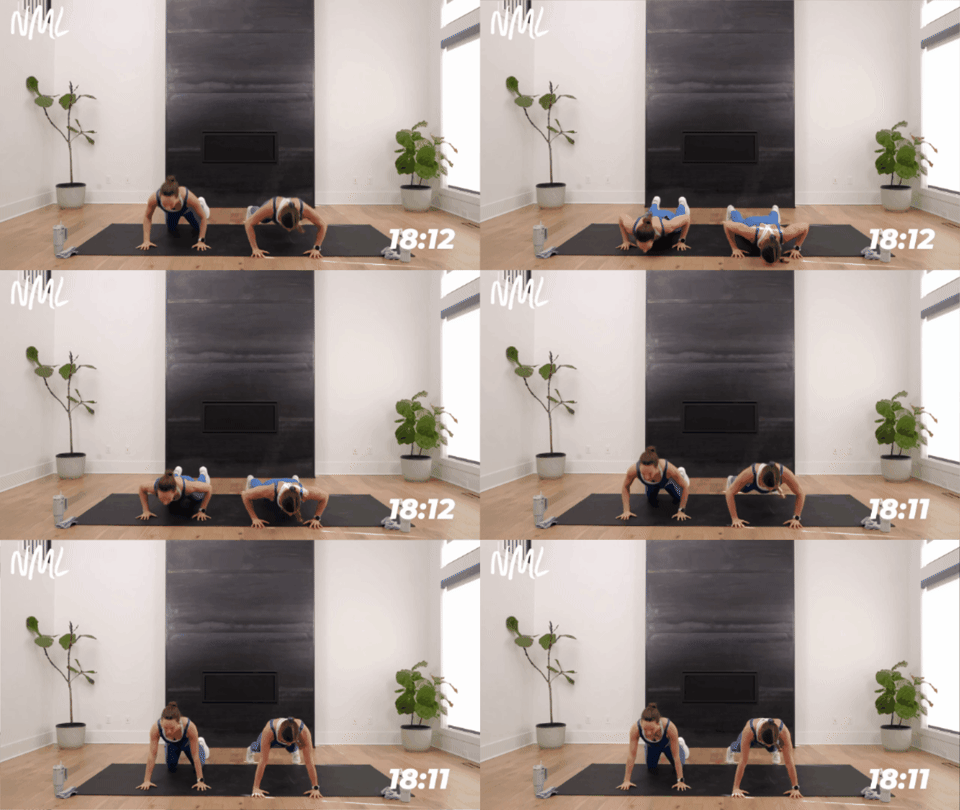
How to Do a Push-Up
- Start in a standard high plank position, feet hip-width apart and shoulders stacked over your wrists. Press evenly into your hands to distribute your weight amongst all 10 fingers.
- Hold this plank position, maintaining a straight line with your body, gaze slightly in front of you.
- Slowly lower your chest down towards the ground as your elbows fall back towards your hips (not out to the sides, keep elbows tight to the body).
- Once you’ve reached the bottom of your push-up, exhale as you push back up into a high plank position (the top of your push-up position).
Modification: If you can’t do a full push-up on your toes, substitute one of these push-up modifications. Or check out my entire 12-week push-up progression program!
7. Hand Release Push-Up
Targets: Chest, shoulders, triceps and core muscles.
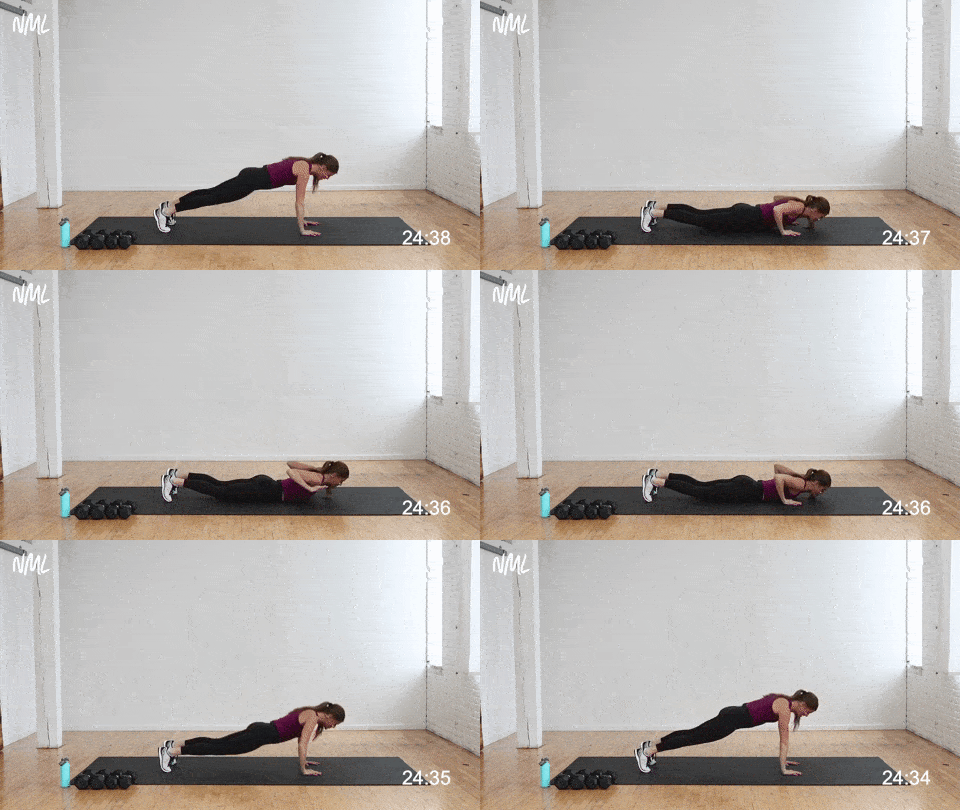
How to Do a Hand Release Push-Up
- Start in a high plank position with your shoulders stacked over your wrists, weight evenly distributed amongst all 10 fingers.
- Hold this position, maintaining a straight line with your body, gaze slightly in front of you.
- Slowly lower your chest down towards the ground, your elbows fall back toward your body. Maintain a straight line with your body — head, chest and legs in one straight line.
- Once your chest hits the mat, lift your palms off the ground (“hand release”) for a moment.
- Then, replant your hands on the mat near your chest and push back up into a high plank position (pushing your body up in one straight line from head to heels).
Modification: Perform a kneeling push-up. Or lower your chest to the mat on your toes, then push back up to the top of your push-up from your knees.
8. Standing Chest Fly
Targets: Upper arms, chest, shoulders, abs and core.
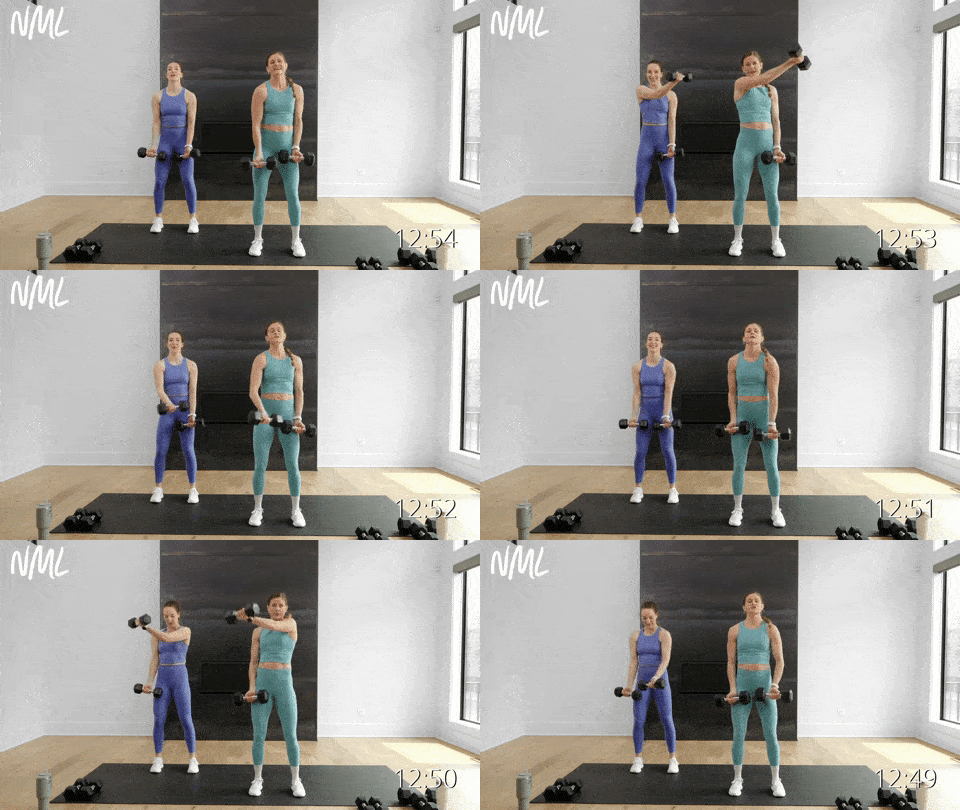
How to Do a Standing Chest Fly
- Stand with your feet hip-width apart, knees slightly bent. Hold 1 dumbbell in each hand at your sides; palms face out away from the body (underhand grip). Shoulder blades pulled down towards your hips.
- Squeeze your chest as you lift your right hand across your body, bringing the dumbbell in your right hand parallel to your left shoulder. Think “right pinky finger to left shoulder.” Palm faces up towards the ceiling.
- Keep a soft bend in your elbow as you lower the dumbbell back to starting position with control.
- Repeat on the left arm, alternating arms with each rep.
9. Svend Press
Targets: Anterior deltoid, medial deltoid and upper portion of the pecs, biceps, abs and deep transverse abdominal core muscles.
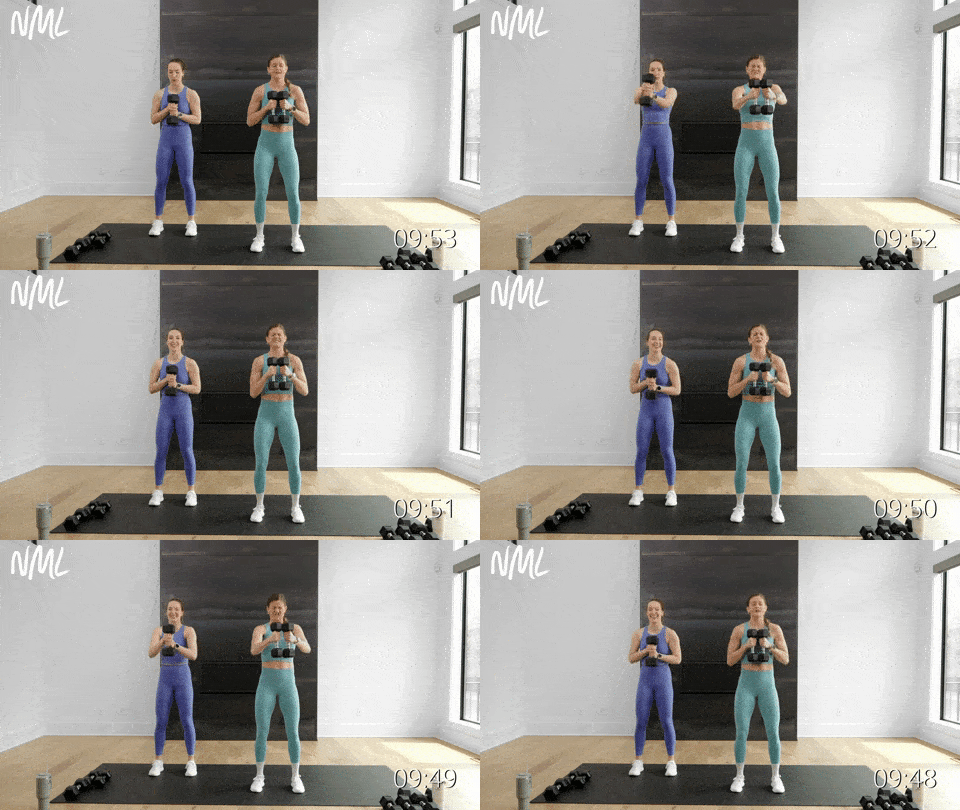
How to Do a Svend Press
- Stand with your feet shoulder-width apart, knees slightly bent and core engaged. Hold one dumbbell in each hand at your sides vertically; palms face in towards the body. Shoulder blades pulled down towards your hips. Press the heads of the dumbbells together so they’re touching.
- Press the dumbbells straight out in front of you at shoulder height, keeping a slight bend in the elbows.
- Hold for a moment, then pull the dumbbells back in towards your chest. Brace your core tightly as you push the dumbbells away and pull them back.
Modification: Option to hold 1 dumbbell vertically with both hands.
10. Diamond Press
Targets: Chest and triceps.
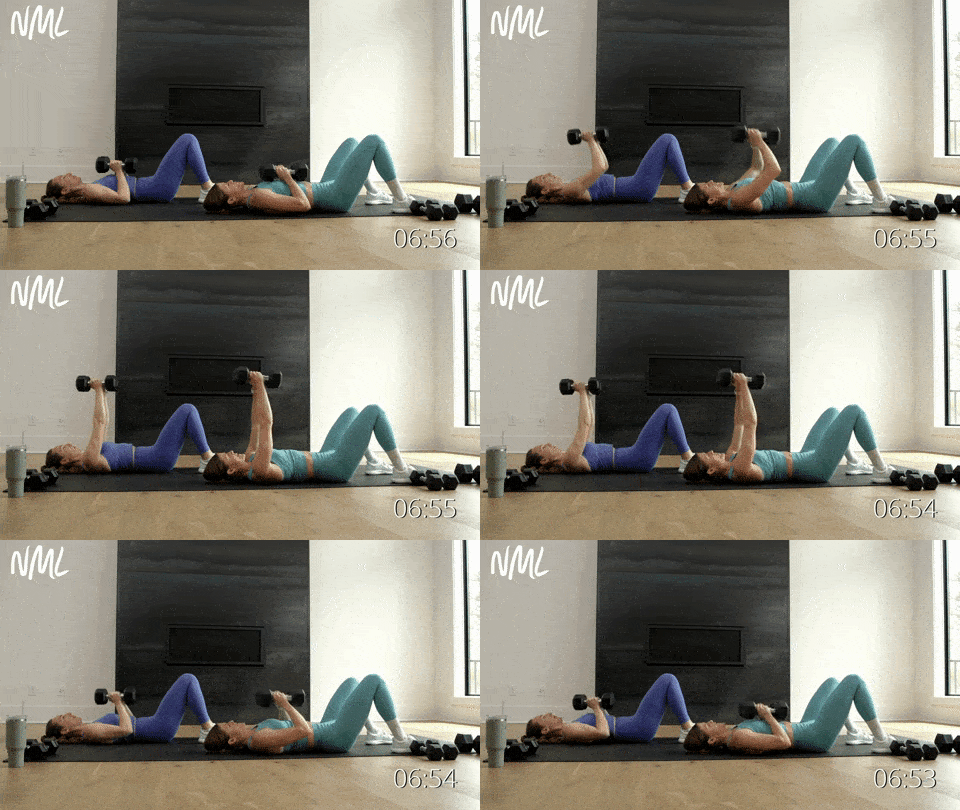
How to Do a Diamond Press
- Lie flat on your back with one dumbbell in each hand, elbows pinned at your sides, dumbbells at mid-chest point, and palms facing in toward one another. Press the dumbbells together to activate your chest muscles.
- Exhale as you press the dumbbells up in a straight line, ending with your arms straight, dumbbells over the center of your chest.
- Lower back to the starting position and repeat.
11. Alternating Reverse Grip Press
Targets: Pectorals (pecs), deltoids (shoulders) and triceps.
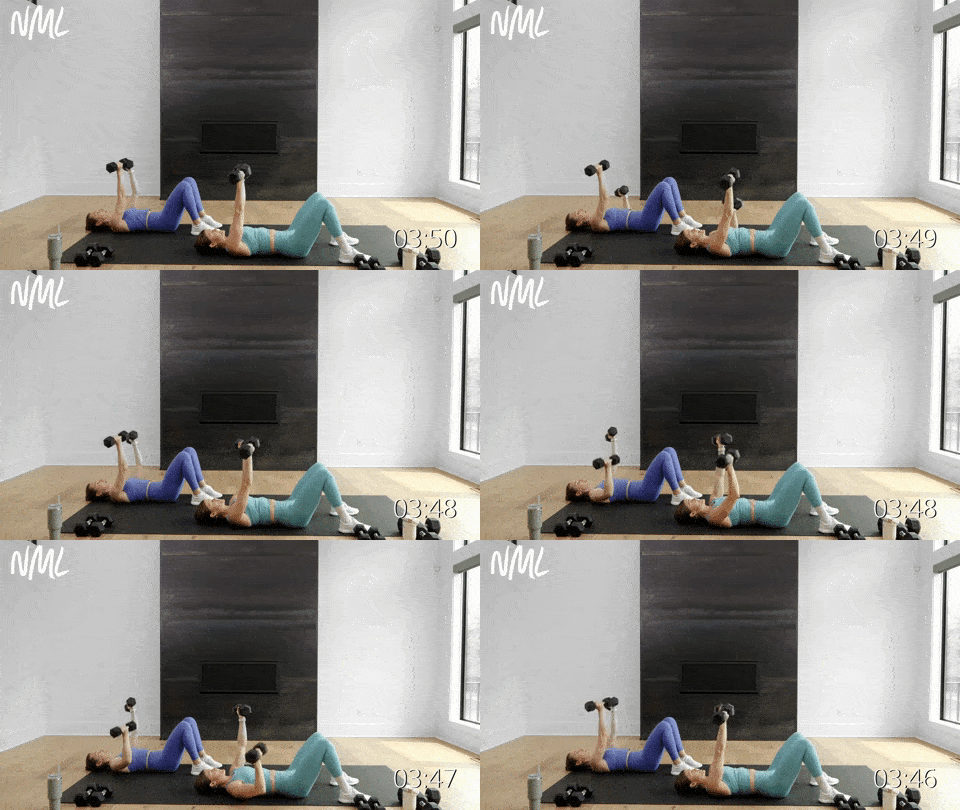
How to Do an Alternating Reverse Grip Press
- Lie flat on your back (on the ground, on a bench, incline bench, or on a stability ball) with knees bent and feet flat on the floor.
- Hold 1 dumbbell in each hand in a reverse grip (palms facing in towards you), arms extended and dumbbells in line with your shoulders.
- Inhale as you lower the dumbbell in your right arm towards the ground, elbow bent at a 90-degree angle.
- Exhale to push the dumbbell overhead, returning to the starting position.
- Repeat, this time lowering the dumbbell in your left arm towards the ground. Then exhale as you push it up and return to the starting position.
FAQs
Which exercises target the upper chest most effectively?
The upper chest muscles respond best to exercises like the reverse grip press, incline press and Svend press. Changing the grip angle shifts the emphasis upward to engage more of the upper chest muscles.
What exercises help build the lower chest?
The lower chest is targeted with exercises like standard bench presses, push-ups and diamond presses. I like to think about squeezing an orange in my armpit to activate the chest muscles during exercises.
How often should I do chest workouts each week for optimal results?
I recommend training chest 1-2 times per week. If you follow a push/pull workout split, add 3-4 chest exercises to your push day workout. You should wait at least 48 hours before training the chest again to allow recovery and muscle repair. Most people will notice strength improvements in 4-6 weeks with consistent training.
Should beginners train chest differently than advanced lifters?
Beginners should focus on mastering good form in basic exercises like the chest press and push-ups. As you become more advanced, you can increase training volume by adding additional exercises, sets or reps and increasing weights. Additionally, you can experiment with adding more advanced exercises, like decline push-ups, chest dips and dumbbell pullovers.
More
Arm WorkoutsPin This: 11 Effective Chest Exercises to Build Muscle Mass
no comments