






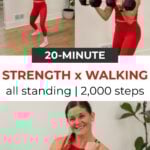
20-Minute Strength and Walking Workout
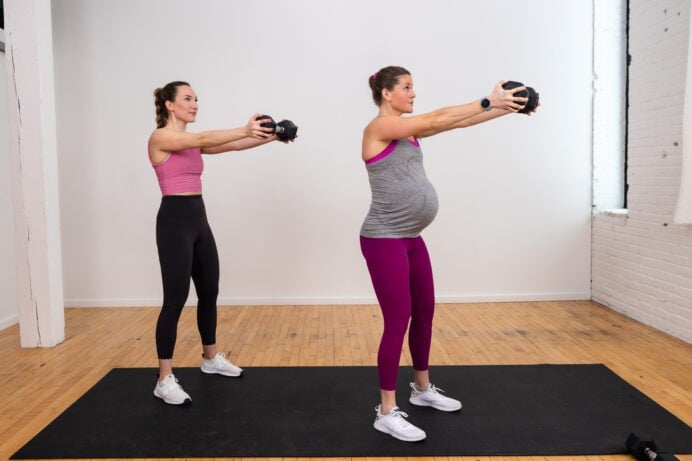
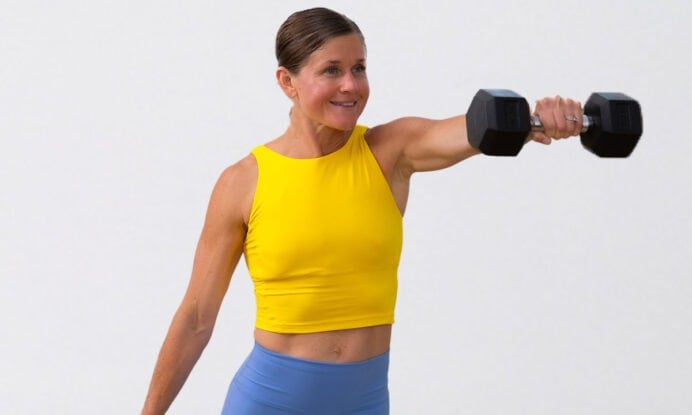
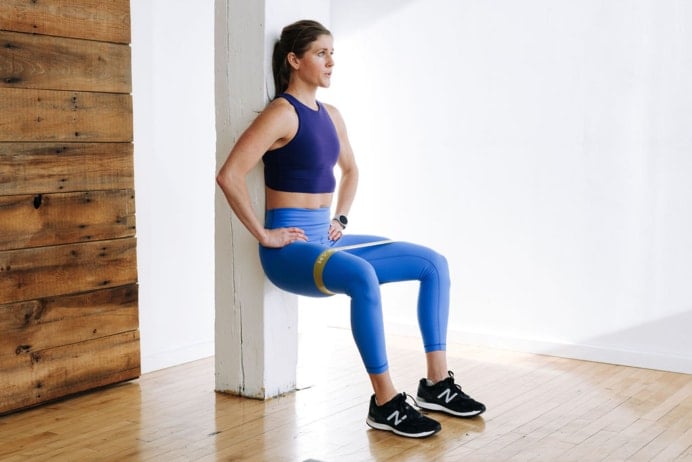
Build strength, boost endurance and increase daily step count with this 20-minute at-home walking workout. Designed to improve cardiovascular fitness, muscular endurance, coordination and calorie burn, it is ideal for all fitness levels, especially beginners or anyone looking for a low-impact but effective training option. The workout combines power walking variations with bodyweight cardio moves such as knee drives, shuffles, squats, skaters and agility-based footwork for a full-body, step-focused circuit.
Get your steps in, build full-body strength and elevate your heart rate with this all-standing walking and strength-training workout that blends cardio and functional movement in a low-impact format.
Walking is one of the most effective yet underrated forms of exercise I rely on for overall health. It supports heart health, improves circulation, boosts mood and helps build a strong aerobic base without requiring equipment or high-impact movement. From a functional fitness perspective, walking also reinforces real-life movement patterns like posture control, balance and hip stability – things I notice carry over into everything from daily errands to more intense workouts.
For beginners, I often recommend structured walking routines that break movement into simple intervals, such as alternating power walking drills, marching variations and basic step patterns like knee lifts or side steps. These formats make it easier to stay consistent while gradually building endurance and confidence without feeling overwhelmed.
When I want to improve cardiovascular fitness, I focus on walking workouts that include intensity changes – like fast-paced marching, high knees, lateral shuffles and interval-style step combinations. These variations elevate the heart rate more effectively than steady walking alone and help train the body to recover faster between efforts, which is key for overall stamina.
Adding a weighted vest can increase the challenge without changing the impact level. It turns a simple walk into a full-body strength and endurance workout by increasing resistance through the core, glutes and legs. Weighted vests can be helpful for improving posture and building lower-body strength while still keeping movements joint-friendly.
Consistency is what makes walking workouts truly effective. I typically aim to walk most days of the week, whether through structured workouts or steady movement throughout the day, because regularity matters more than intensity alone when it comes to long-term results.
This workout combines walking-based cardio with dumbbell strength exercises to increase overall intensity while still staying low-impact and accessible. In my own tracking, I’ve seen over 2,000 steps come from a single session like this on my Garmin, along with a noticeable boost in energy and full-body engagement.
Read A 5-Star Review ⭐⭐⭐⭐⭐
“This is definitely a new go-to!!! I’m dripping sweat and also got 2,000 steps!!! I love the step workouts so much, and the addition of strength is so good!!!”
— Lindsay B.
Workout Specifics
Get your steps in, burn calories and elevate your heart rate with this 20-minute all-standing walking and strength workout designed to improve endurance while building full-body strength.
This session fits well into a weekly workout plan as a form of low-impact conditioning and can be completed 1-3 times per week, depending on fitness level and recovery needs. I like to use workouts like this as LISS-style cardio on lighter training days or as an active recovery option between more intense strength or HIIT sessions. It also works well as a daily movement boost when the goal is simply to increase step count and stay consistent with activity throughout the week.
For overall daily movement goals, pairing structured walking workouts with consistent step targets can be especially effective. I often recommend aiming for a steady baseline of daily steps and using intentional walking sessions to help bridge the gap on busier days when outdoor walking isn’t realistic.
Note: This workout is not recommended for anyone who experiences pain with basic standing movement, has medical conditions that limit cardiovascular exercise, or has been advised by a healthcare professional to avoid moderate-intensity activity without clearance.
Workout Equipment
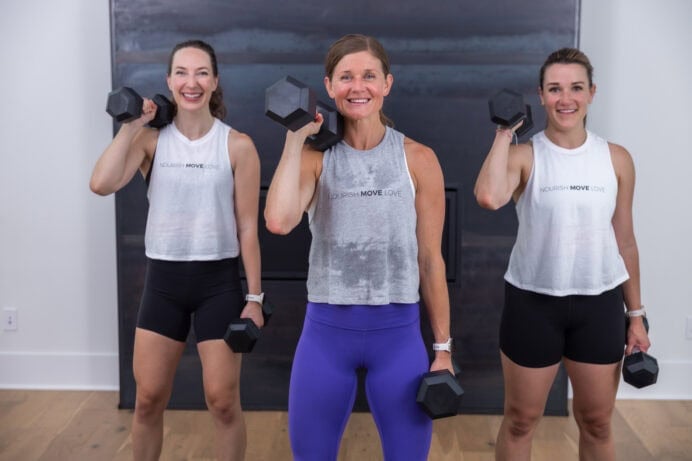
Heavy dumbbells for the strength training blocks. I recommend between 15-25 lbs, depending on your fitness level.
Workout Instructions
Follow along with the guided Strength and Walk At Home Workout on YouTube, led by me — your certified personal trainer (CPT), Lindsey Bomgren.
Your Workout Looks Like This:
- Guided Warm-Upand Cool-Down
- 4 Working Blocks
- 2 Strength Exercises Per Block and Variety of Walking Exercises Per Block
- Timed Intervals of Work for Strength Exercises (40 seconds work, 20 seconds rest)
- 2 Minutes of Walking Exercises (flowing directly from one move to the next; no repeats)
Note: I re-filmed this workout and changed up some of the exercises! You can find the original workout video here. If you try both, I’d love to know your favorite!
Strength and Walking Workout Outline
Walking Block 1:
- Walk In Place
- Lateral Side Steps
- Hamstring Curls
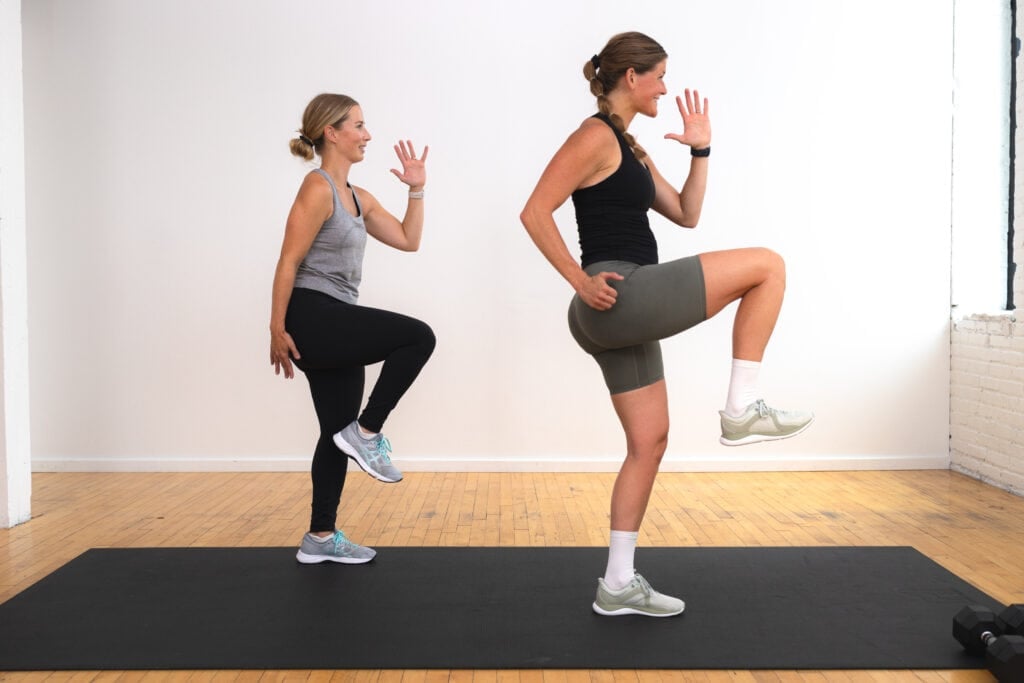
- High Knees and Standing Crunches
- Double Lateral Walks
- V-Walk
- Low Impact Jacks
- Squat and Knee Drive
Strength Block 1:
- Switch Stance Goblet Squat
- Alternating Back Rows
Walking Block 2:
- On/Off Mat Runs
- Overhead Press and Tap
- Alternating Overhead Reach and Tap
- Lateral Heisman Runner
- Jump Rope Heel Taps
Strength Block 2:
- Alternating Lunges
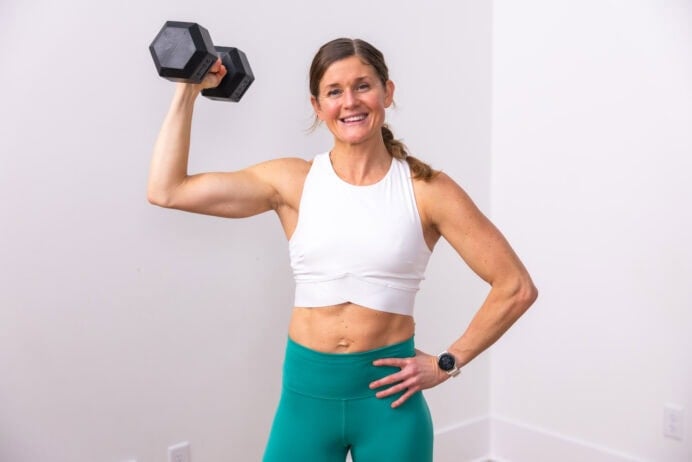
- Single Dumbbell Overhead Press
Walking Block 3:
- Wide/Narrow Fast Feet
- Inner Heel Taps
- Skaters
- V-Walk and Jack
- Punch and Tap
Strength Block 3:
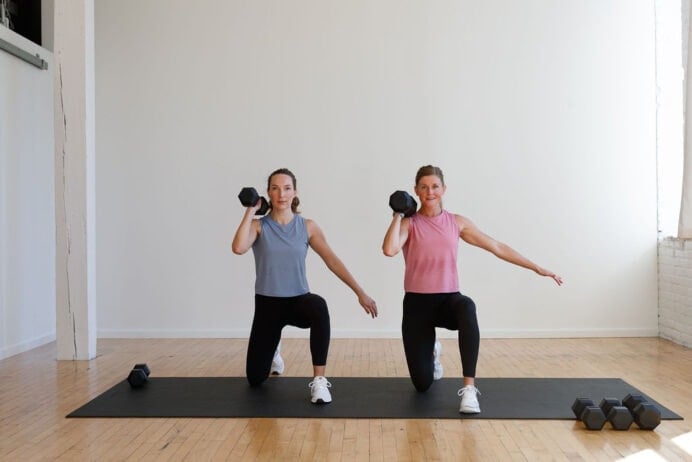
- Alternating Lateral Lunges
- Overhead Triceps
Walking Block 4:
Strength Block 4:
- Staggered Stance Switch Deadlifts
- Bicep Curls
Walking Burnout:
1. Walk in Place
Targets: Hip flexors, glutes, quadriceps, hamstrings, calves, core and shoulders.
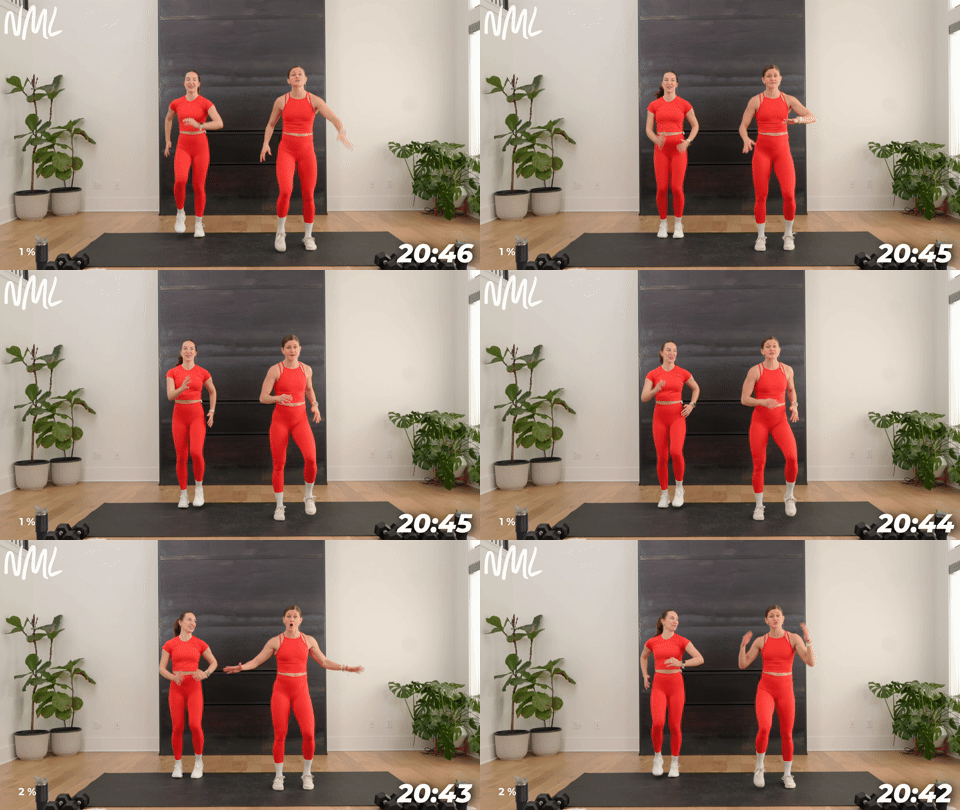
How to Walk in Place
- Start standing tall with your feet hip-width apart, arms relaxed by your sides and core engaged. Keep your chest lifted and shoulders relaxed, avoiding any forward hunching.
- Begin the movement by lifting your right knee up to about hip height or as high as is comfortable, keeping your foot flexed and your balance steady on your left leg. As your right knee lifts, swing your left arm forward naturally, keeping a slight bend in the elbow.
- Lower your right foot back down to the floor in a controlled manner, landing softly through the ball of your foot and then the heel. Immediately switch sides by lifting your left knee while swinging your right arm forward, maintaining a steady, rhythmic pace.
- Continue alternating legs, keeping your core tight and your posture upright throughout the movement. Move your arms in coordination with your legs to mimic a natural walking pattern, and focus on controlled, even steps rather than speed.
2. Lateral Side Steps
Targets: Glutes, hip abductors, quadriceps, hamstrings, calves and core.
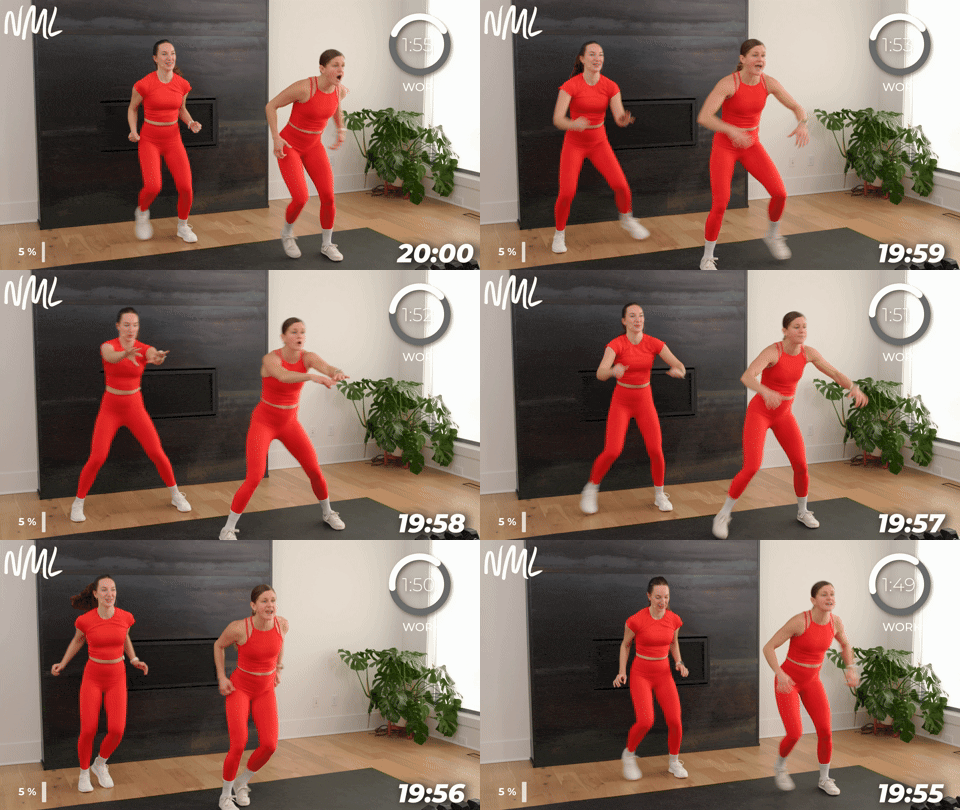
How to Do Lateral Side Steps
- Start standing tall with your feet hip-width apart, knees slightly bent and core engaged. Keep your chest lifted and your arms relaxed at your sides or held in front of you for balance.
- Step your right foot out to the side, leading with your heel and keeping your toes pointing forward. As you step, shift your body weight onto your right leg while keeping your left leg extended but not locked. Maintain a slight bend in both knees and keep your hips pushed back slightly to stay grounded.
- Bring your left foot in toward your right foot to return to your starting stance, keeping tension in your legs rather than fully relaxing between steps. Stay light on your feet and avoid letting them click together.
- Switch directions and step to the left. Keep your core tight and movements controlled, focusing on smooth, side-to-side motion rather than speed.
3. Hamstring Curls
Targets: Hamstrings, glutes, calves, hip flexors and core.
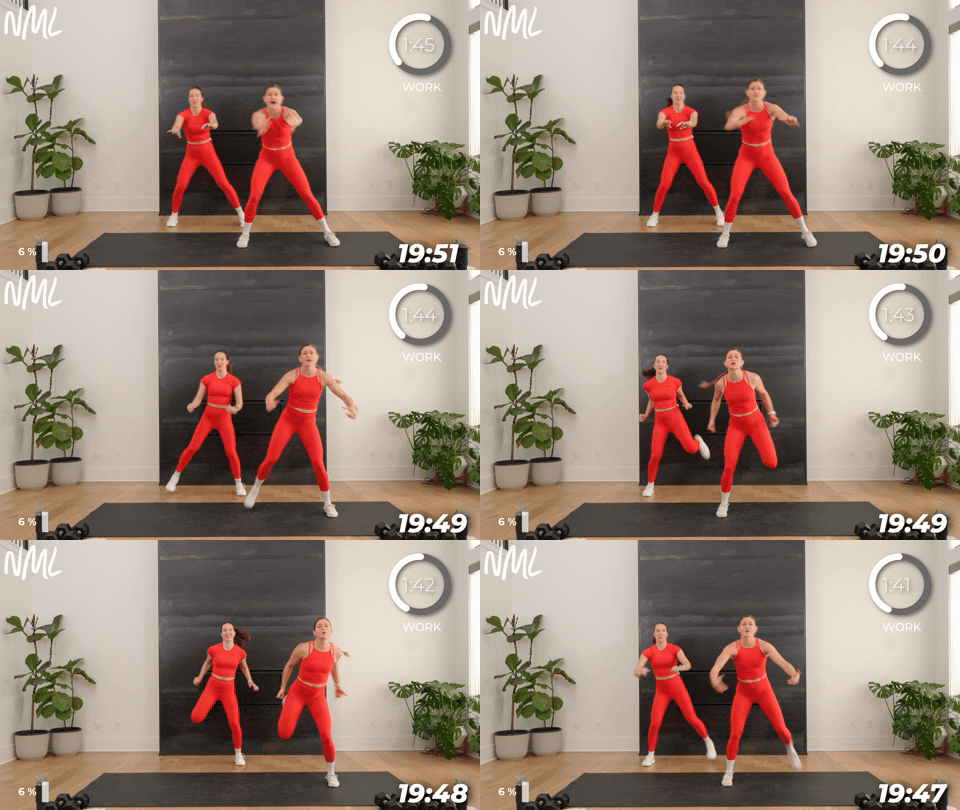
How to Do a Hamstring Curl
- Start standing tall with your feet hip-width apart, knees slightly bent and core engaged. Keep your chest lifted and arms relaxed at your sides or bent at about 90 degrees for balance.
- Begin by stepping your right foot slightly out to the right. As you plant your foot, shift your weight onto your right leg and lift your left heel up toward your glutes, bending at the knee in a controlled hamstring curl. Keep your thighs aligned and avoid letting your knee drift forward.
- Lower your left foot back down and immediately step your left foot out to the left side. As you transfer your weight onto your left leg, curl your right heel up toward your glutes, maintaining an upright posture and steady balance.
- Continue alternating side to side, coordinating each step with a controlled hamstring curl on the opposite leg. Keep your core tight, movements smooth and land softly with each step, focusing on engaging the back of your legs rather than using momentum.
4. High Knees and Standing Crunches
Targets: Hip flexors, abdominals, obliques, quadriceps, calves and shoulders.
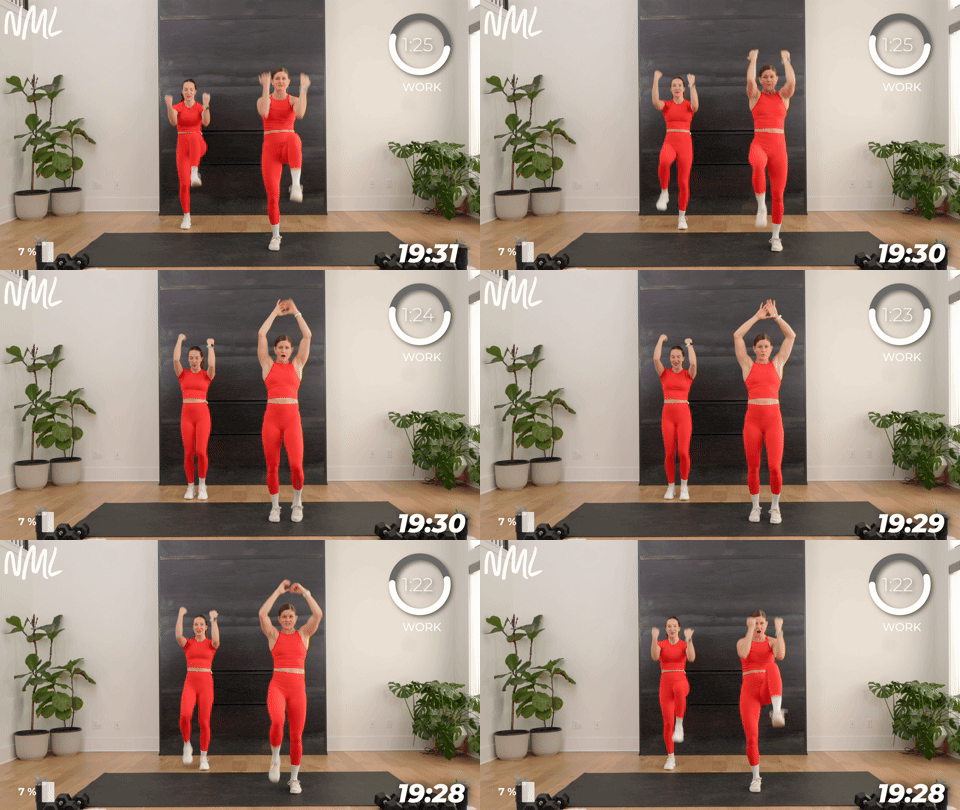
How to Do High Knees and Standing Crunches
- Start standing tall with your feet hip-width apart, core engaged and arms extended overhead or slightly in front of you. Keep your chest lifted and shoulders relaxed.
- Begin the movement by driving your right knee up to hip height. At the same time, pull both arms down toward your knee, bending at the elbows and engaging your core to perform a standing crunch. Slightly round through your torso as your elbows and knee move toward each other, focusing on squeezing your abdominals.
- Lower your right foot back to the floor in a controlled manner, returning your arms overhead to reset. Immediately switch sides by lifting your left knee to hip height while pulling your arms down to meet it, repeating the standing crunch on the opposite side.
- Continue alternating legs in a steady rhythm, keeping your core tight and movements controlled.
5. V-Walk
Targets: Glutes, quadriceps, hamstrings, hip abductors/adductors, calves and core.
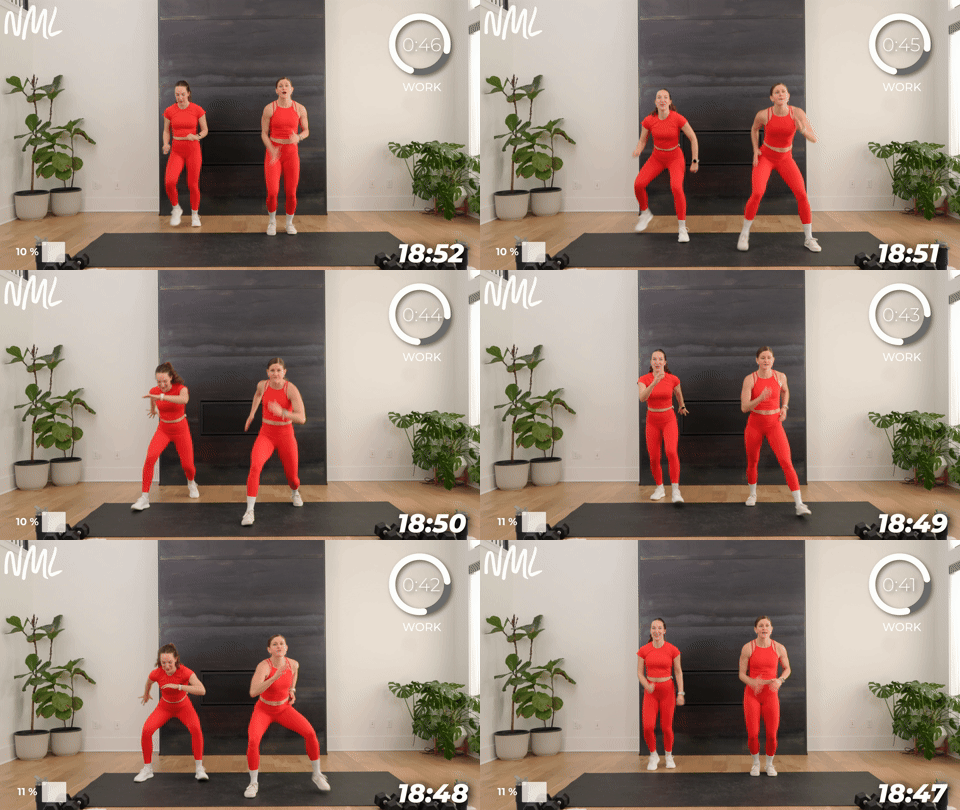
How to Do a V-Walk
- Start standing tall with your feet hip-width apart, knees slightly bent and core engaged. Keep your chest lifted and arms relaxed at your sides or bent in front of you for balance.
- Begin by stepping your right foot diagonally forward and to the right, landing softly through the heel and then the full foot. As you step, slightly shift your body weight to the right leg while keeping your torso upright and your core tight.
- Next, step your left foot diagonally forward and to the left, creating a “V” shape as you move forward. Keep your steps controlled and avoid letting your knees cave inward or your upper body lean too far forward.
- Once you’ve taken a few forward V-steps, reverse the pattern by stepping your right foot diagonally back and to the right, then your left foot diagonally back and to the left, returning toward your starting position.
- Continue moving forward and backward in a V-shaped pattern, maintaining smooth, deliberate steps.
6. Low-Impact Jacks
Targets: Shoulders, deltoids, chest, core, hip flexors, quadriceps, hamstrings, calves and glutes.
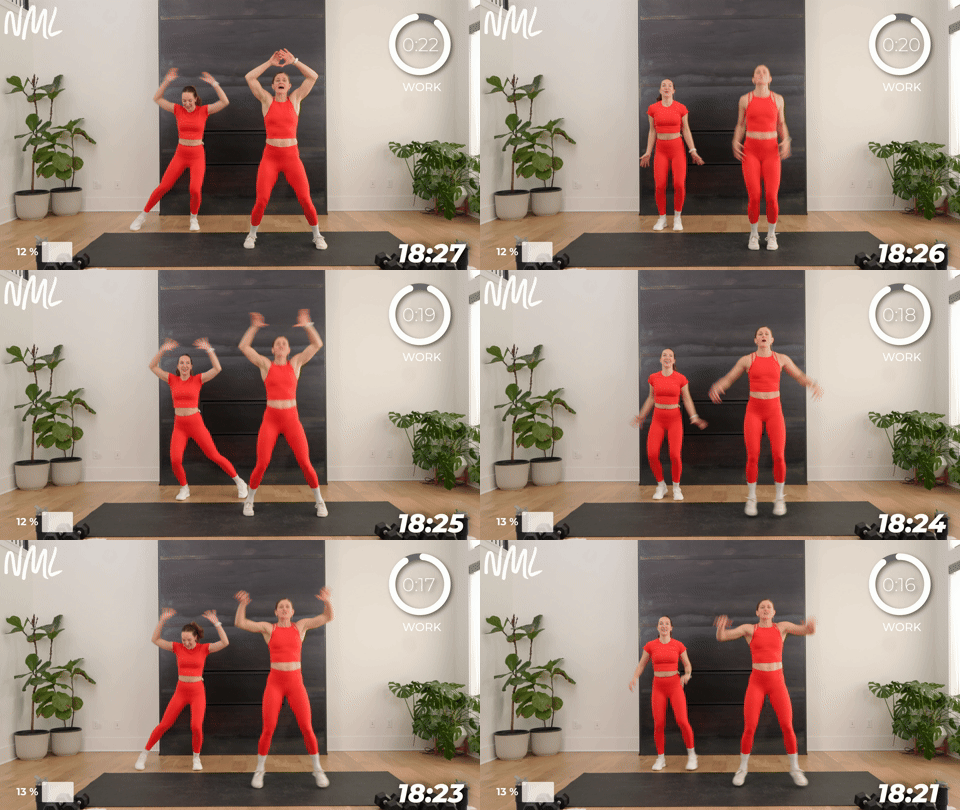
How to Do Low-Impact Jacks
- Start standing tall with your feet together, arms resting by your sides and core engaged. Keep your chest lifted and shoulders relaxed.
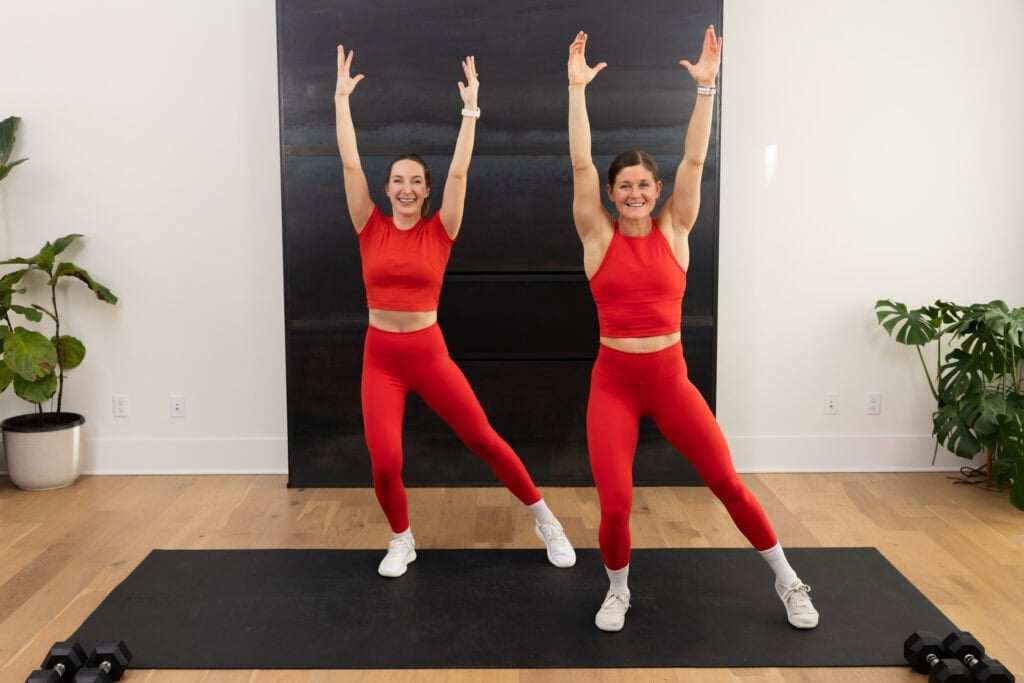
- Begin the movement by jumping your feet out wide to about shoulder-width or slightly wider while simultaneously raising your arms out to the sides and overhead in a smooth arc. Keep a slight bend in your elbows and maintain an upright posture as your hands come close together above your head.
- Quickly reverse the motion by jumping your feet back together while lowering your arms back down to your sides. Land softly through the balls of your feet, then the heels, keeping your knees slightly bent to absorb impact.
- Continue repeating the movement in a steady rhythm, focusing on coordination between the arms and legs and maintaining controlled breathing throughout.
Modification: Make this a low-impact cardio exercise by stepping one foot out to the side at a time instead of jumping, while raising and lowering your arms in the same pattern. Step right foot out, then return to center, then step left foot out, continuing to alternate at a controlled pace while keeping the movement smooth and low impact.
7. Squat and Knee Drive
Targets: Quadriceps, glutes, hamstrings, calves, hip flexors and core.
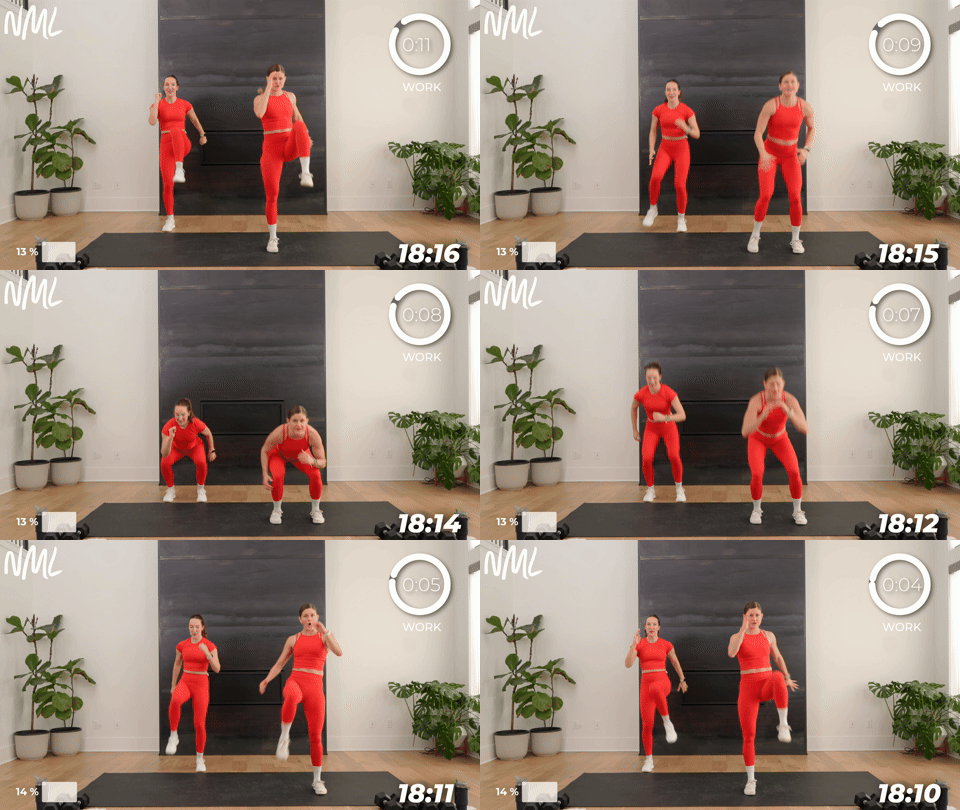
How to Do a Squat and Knee Drive
- Start standing tall with your feet shoulder-width apart, toes slightly turned out and core engaged. Keep your chest lifted and arms extended forward or relaxed in front of your chest for balance.
- Begin by lowering into a squat by pushing your hips back and bending your knees, as if sitting into a chair. Keep your weight in your heels, your knees tracking over your toes and your back straight. Lower until your thighs are roughly parallel to the floor or as low as comfortable.
- Press through your heels to return to standing, fully extending your hips at the top without locking your knees. As you rise, drive your right knee up toward hip height while simultaneously engaging your core for balance. Lower your right foot back to the floor with control.
- Immediately repeat the squat, then as you stand, drive your left knee up toward hip height. Continue alternating knee drives after each squat, maintaining a steady rhythm and controlled movement.
8. On/Off Mat Runs
Targets: Quadriceps, hamstrings, glutes, calves, hip flexors and core.
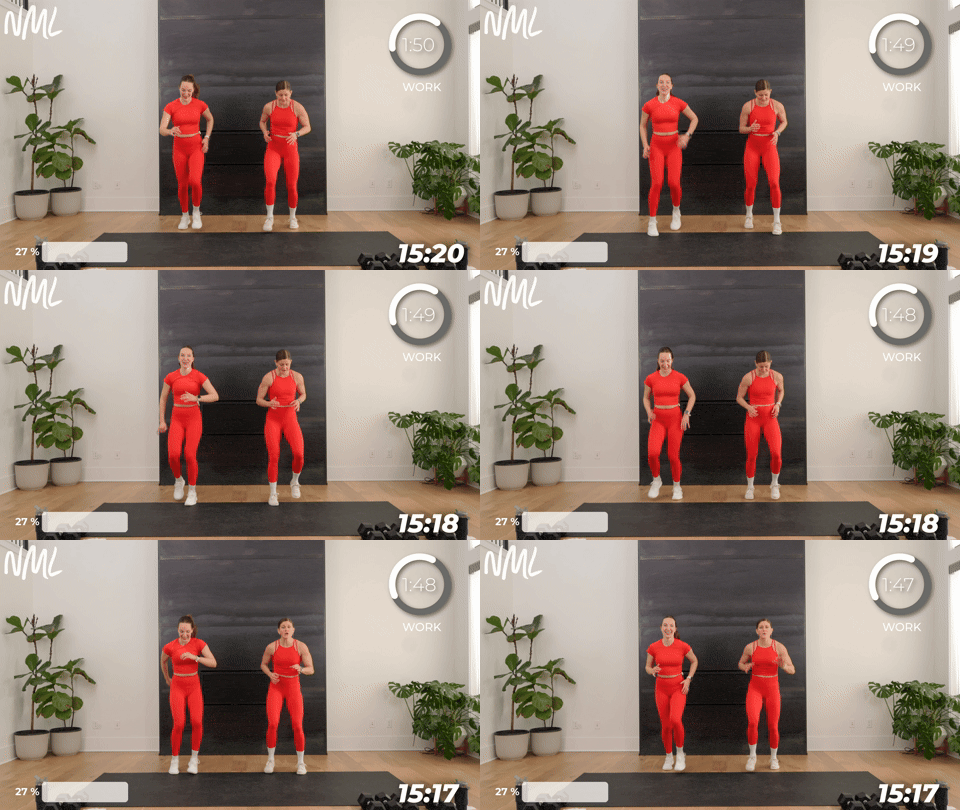
How to Do On/Off Mat Runs
- Start standing behind an exercise mat with your feet hip-width apart, knees slightly bent and core engaged. Keep your chest lifted and arms bent at about 90 degrees, ready to move in a light running motion.
- Begin by stepping or lightly running your right foot onto the mat, followed quickly by your left foot so both feet are on the mat. As you move onto the mat, pump your arms in a natural running pattern, keeping your torso upright and stable.
- Immediately step or run your right foot back off the mat, followed by your left foot, returning to the floor beside it. Continue alternating the lead foot so you are continuously moving on and off the mat in a quick, controlled rhythm.
9. Lateral Heisman Runner
Targets: Glutes, quadriceps, hamstrings, calves, hip flexors, core and obliques.
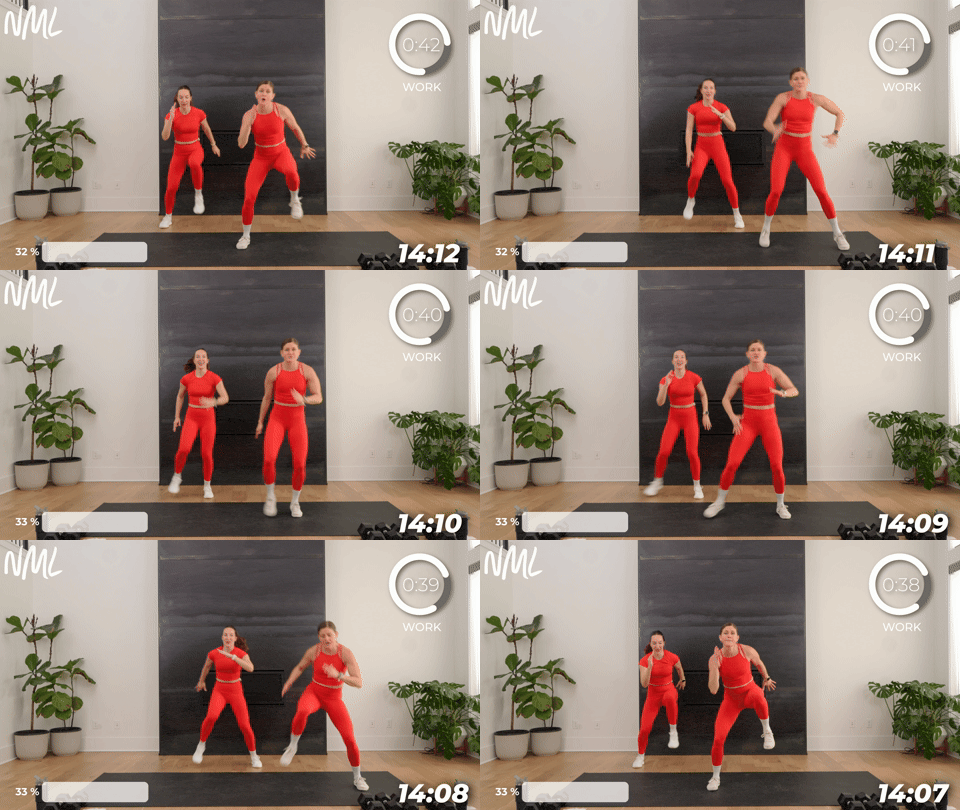
How to Do a Lateral Heisman Runner
- Start standing tall with your feet hip-width apart, knees slightly bent and core engaged. Keep your chest lifted and arms bent at your sides, ready to drive for momentum.
- Begin by taking a quick lateral step to the right, pushing off your left foot. As you step to the right, lift your left knee up toward hip height while simultaneously driving your right arm forward across your body and your left arm back, mimicking a running motion.
- Land softly on your right foot, stabilizing through your core, then immediately push off again to continue moving laterally to the right. Each time you step, alternate the lifted knee, driving it up in a controlled but dynamic motion while your arms swing in opposition for balance and power.
- After several reps to the right, switch direction and move to the left, mirroring the same pattern. Keep your movements quick but controlled, focusing on staying low, maintaining balance and engaging your core to stabilize the side-to-side motion.
10. Wide/Narrow Fast Feet
Targets: Calves, quadriceps, hamstrings, glutes, hip abductors/adductors, core and stabilizing muscles of the ankles and feet.
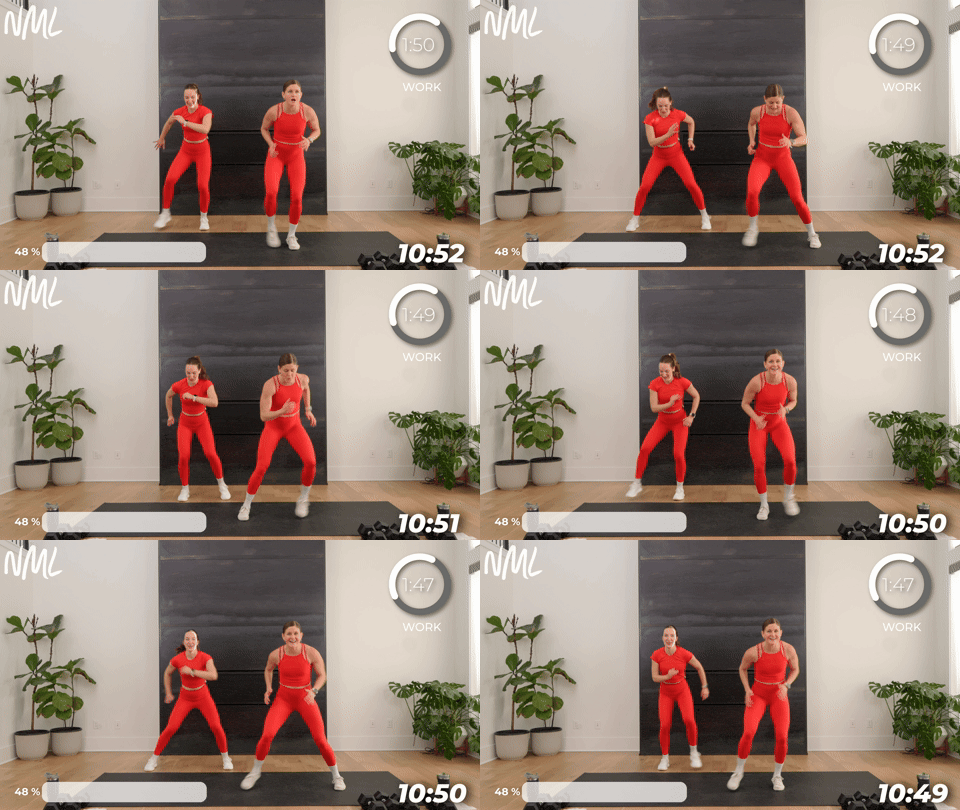
How to Do Wide/Narrow Fast Feet
- Start standing tall with your feet hip-width apart, knees slightly bent and core engaged. Keep your chest lifted and arms bent at about 90 degrees in front of your body or at your sides for balance.
- Begin by quickly stepping both feet out into a wide stance, landing softly with knees bent and hips slightly back. Keep your weight centered and avoid letting your upper body lean forward.
- Immediately bring both feet back together into a narrow stance with quick, light steps, maintaining continuous movement through your lower body. Stay on the balls of your feet to allow for faster transitions and better agility.
- Continue alternating between wide and narrow foot positions in a fast, controlled rhythm.
11. Skaters
Targets: Glutes, quadriceps, hamstrings, calves, hip abductors/adductors, core and obliques.
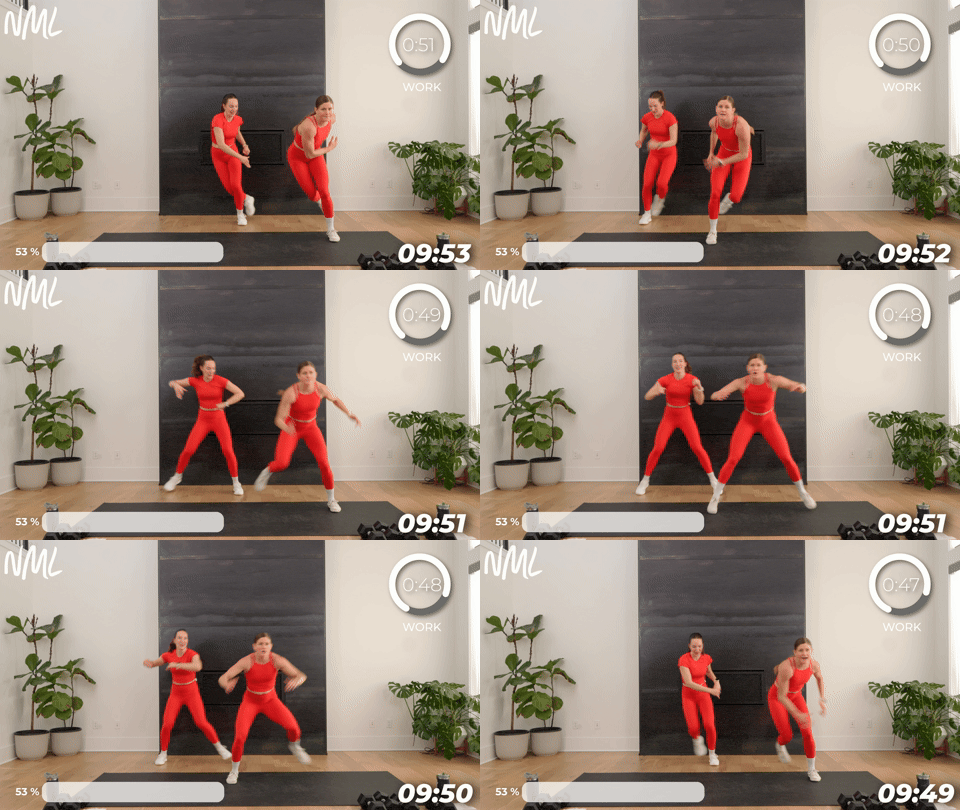
How to Do a Skater
- Start standing tall with your feet hip-width apart, knees slightly bent and core engaged. Keep your chest lifted and your arms relaxed at your sides or ready to swing for momentum.
- Begin by jumping laterally to the right, pushing off your left foot and landing softly on your right foot. As you land, allow your left leg to swing behind your right leg in a crossed position, lightly tapping the floor or hovering for added challenge. At the same time, swing your left arm forward and your right arm back in a natural skating motion.
- Immediately push off your right foot and jump laterally to the left, landing softly on your left foot while your right leg crosses behind. Coordinate your arm swing in opposition again to help with balance and power.
- Continue alternating side to side in a smooth, rhythmic motion.
12. Lateral Lunge and 3 High Knees
Targets: Glutes, quadriceps, hamstrings, adductors (inner thighs), hip abductors, calves and core.
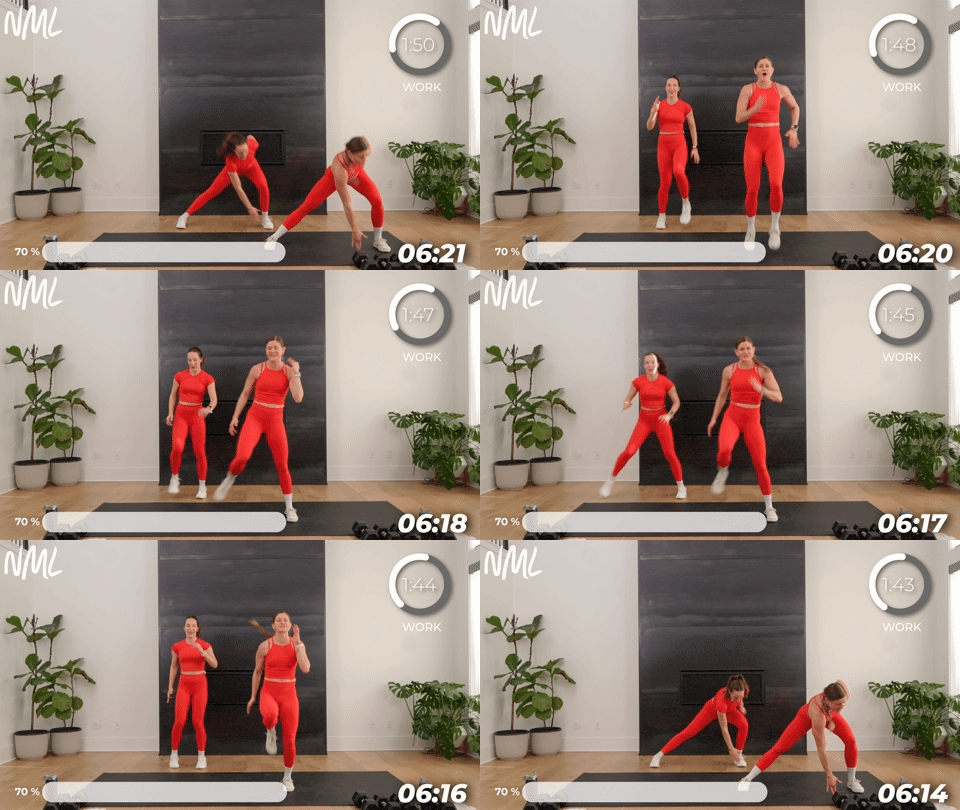
How to Do a Lateral Lunge With High Knees
- Start standing tall with your feet hip-width apart, core engaged and arms relaxed at your sides or held in front of your chest for balance.
- Step your right foot out wide into a lateral lunge, keeping your left leg straight but not locked. Bend your right knee and push your hips back as you shift your weight into your right heel. Keep your chest lifted and your torso slightly forward but long through the spine.
- Drive through your right foot to push back to standing. As you return upright, immediately begin the knee drive sequence by lifting your right knee up toward hip height. Perform 3 controlled high knees on the right side, bringing the knee up and down in a steady rhythm while maintaining balance and core engagement.
- After completing the 3 high knees, reset to standing and repeat the movement on the left side by stepping out into a lateral lunge with the left leg, then driving up into 3 high knees on the left.
13. 3-Count High Knees
Targets: Hip flexors, abdominals, obliques, quadriceps, calves and shoulders.
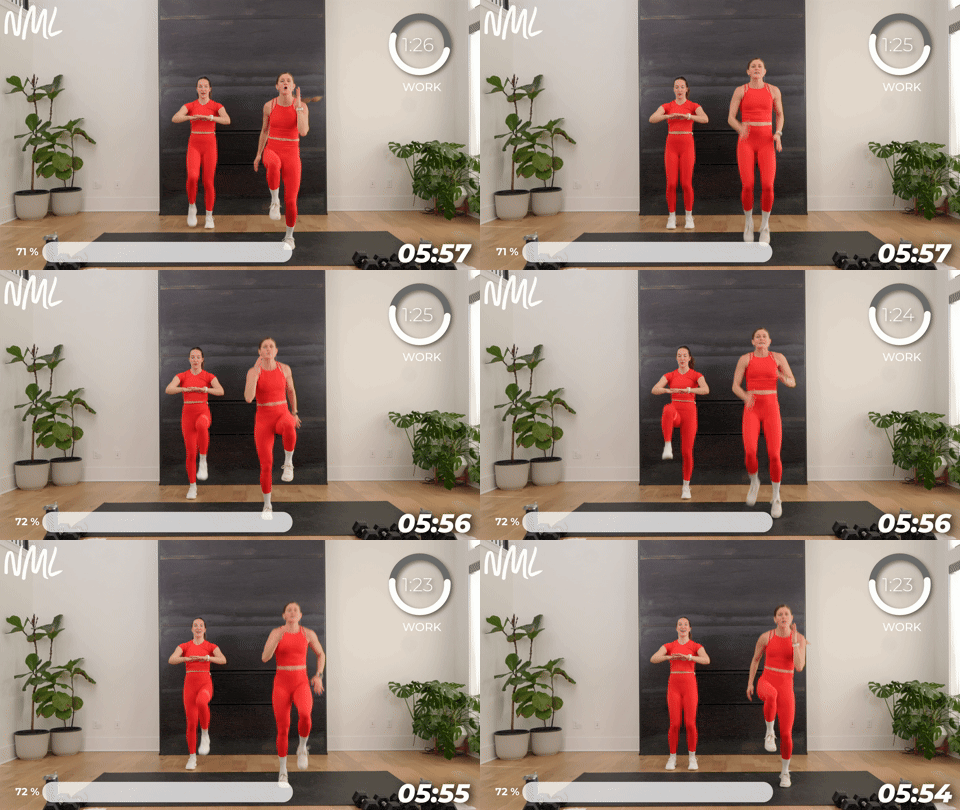
How to Do 3-Count High Knees
- Start standing tall with your feet hip-width apart, core engaged and arms bent at about 90 degrees in front of your body or relaxed at your sides, ready to pump. Keep your chest lifted and shoulders relaxed.
- Begin the movement by driving your right knee up to hip height while simultaneously engaging your core and lightly pumping your opposite arm forward. Lower your right foot back to the floor in a controlled manner.
- Next, drive your left knee up to hip height, again engaging your core and coordinating the opposite arm swing. Lower your left foot back down with control.
- For the third count, quickly alternate by driving the right knee up again, focusing on a strong lift through the hip flexor and a tight abdominal contraction.
- After completing the 3-count sequence (right, left, right), continue alternating the pattern with the opposite starting leg on the next round. Maintain an upright posture, steady rhythm and controlled breathing, focusing on height and control of each knee lift rather than speed alone.
14. Standing Crunches
Targets: Abdominals, obliques, hip flexors, core stabilizers, quadriceps and shoulders.
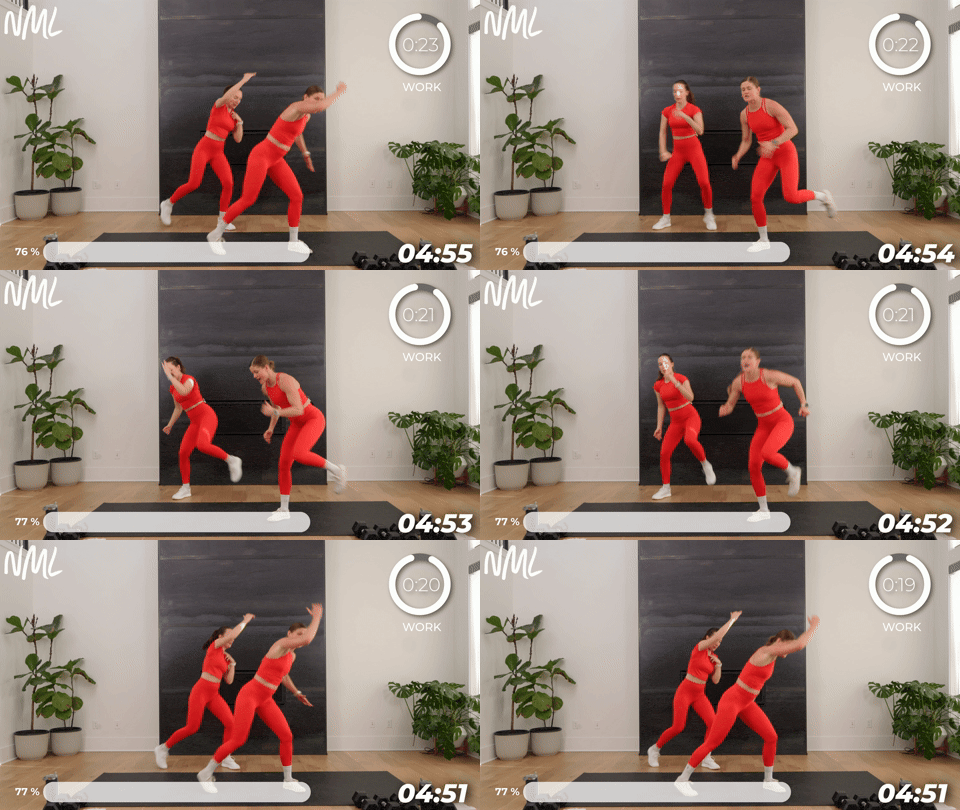
How to Do a Standing Crunch
- Start standing tall with your feet hip-width apart, core engaged and arms extended overhead or slightly in front of you. Keep your chest lifted and shoulders relaxed away from your ears.
- Begin by facing the left side of your space. Drive your right knee up toward hip height while simultaneously pulling your arms down to meet it, bending slightly through your torso to perform a standing crunch. Focus on squeezing your abdominals as your upper and lower body come together. Lower your right foot back to the floor with control and repeat once more on the same side for a total of 2 standing crunches while facing left.
- After completing the 2 reps, pivot on your feet to turn and face the right side of your space. Reset your posture with your core engaged and arms ready overhead or in front.
- Repeat the same movement pattern on this side by driving your knee up and pulling your arms down into the standing crunch, again performing 2 controlled reps. Focus on keeping your movements strong and deliberate, engaging your core fully with each repetition.
- Continue alternating sides every 2 reps, maintaining balance, upright posture and controlled breathing throughout the movement.
15. Lateral Shuffle
Targets: Glutes, quadriceps, hamstrings, calves, hip abductors/adductors, core and stabilizing muscles of the ankles and feet.
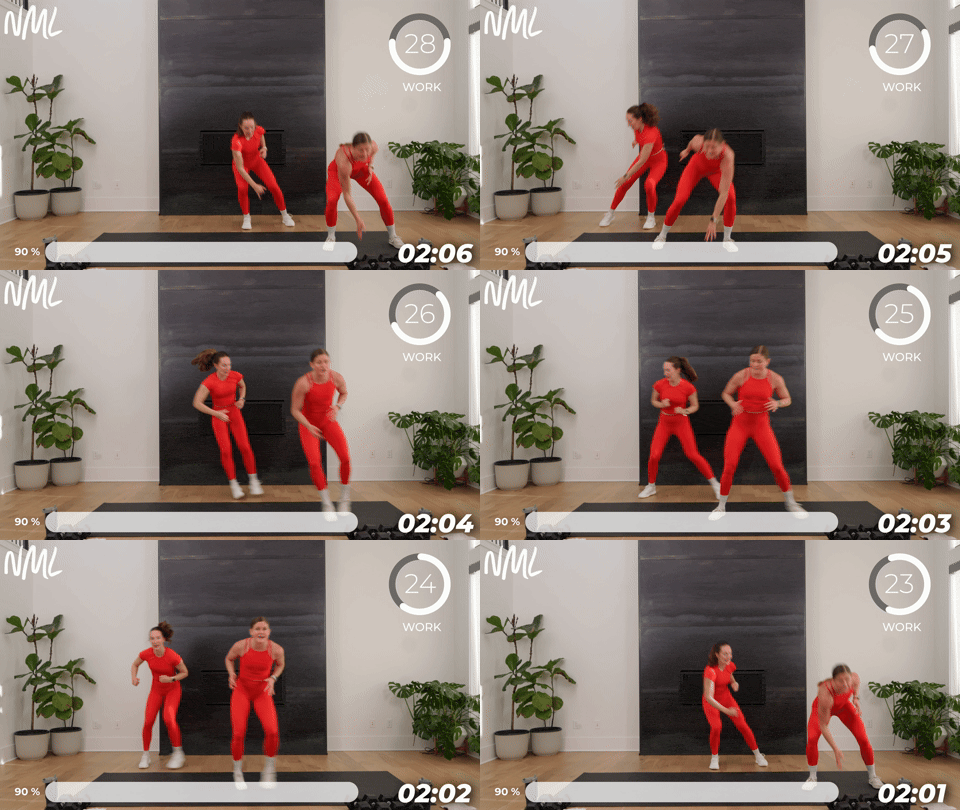
How to Do a Lateral Shuffle
- Start standing in an athletic stance with your feet slightly wider than hip-width apart, knees bent, hips back slightly and core engaged. Keep your chest lifted and your arms bent at about 90 degrees in front of your body or at your sides for balance.
- Begin by pushing off your left foot to step or lightly shuffle to the right. Move your right foot first, then quickly bring your left foot in to follow, maintaining a low, athletic position throughout. Keep your steps quick and controlled, staying light on the balls of your feet.
- Continue shuffling to the right for several steps, focusing on staying low and stable while your arms move naturally to help with balance and rhythm. Avoid crossing your feet and keep your hips square to the front.
- After a set distance or number of steps, switch directions and shuffle to the left using the same pattern. Maintain steady breathing, tight core engagement and quick, controlled footwork throughout the movement.
16. High Knee Sprints
Targets: Hip flexors, quadriceps, hamstrings, glutes, calves, core and shoulders.
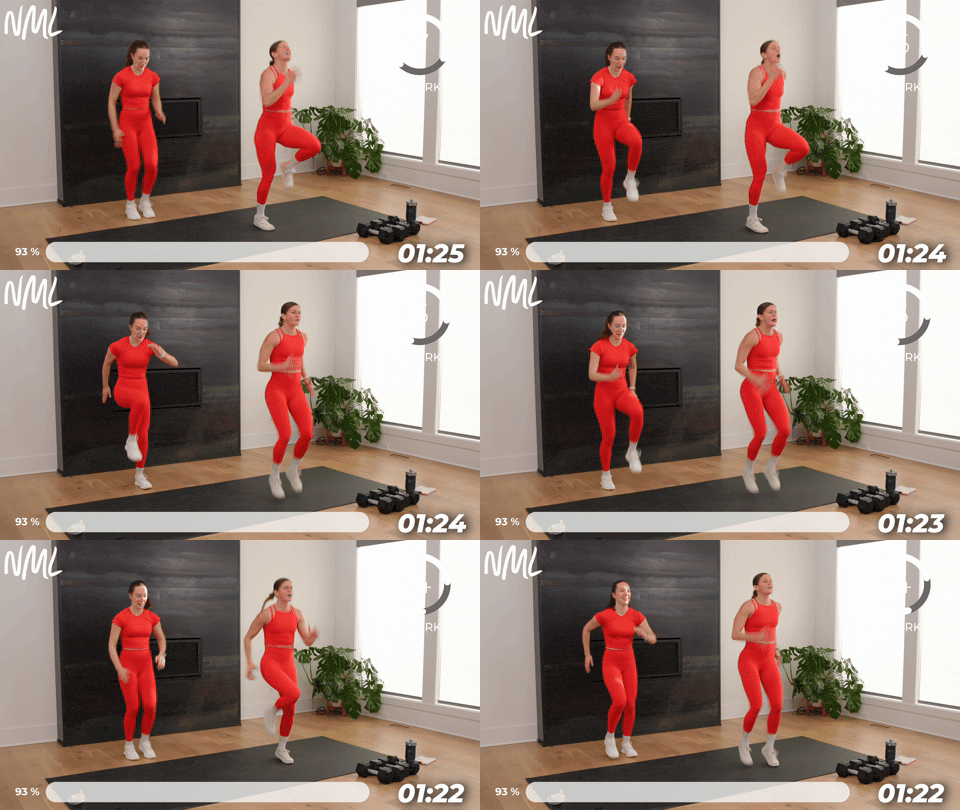
How to Do High Knee Sprints
- Start standing tall in an athletic stance with your feet hip-width apart, core engaged and arms bent at about 90 degrees as if preparing to run. Keep your chest lifted and shoulders relaxed.
- Begin the movement by driving your right knee up toward hip height while simultaneously pumping your left arm forward and right arm back in a sprinting motion. Quickly lower your right foot back to the floor and immediately switch to drive your left knee up, maintaining a fast, alternating rhythm.
- Continue alternating knees as quickly as possible, focusing on lifting each knee high while staying light on the balls of your feet. Keep your torso upright, avoiding excessive leaning or bouncing, and use your arms to drive the sprinting motion and maintain momentum.
Modification: Omit the impact and perform alternating knee drives.
Free Beginner Workout Plan
FAQs
What is the 12-3-30 walking method?
The 12-3-30 method is a treadmill walking workout where you walk at a 12% incline, 3 mph speed for 30 minutes. I like it because it elevates heart rate quickly without running, making it an efficient way to build endurance and burn calories while staying low-impact.
How many steps per day do you need for weight loss and overall health?
Step goals vary, but I typically see health benefits starting around 7,000-10,000 steps per day for general health, with higher totals often supporting weight loss when paired with good nutrition. What matters most is consistency and gradually increasing daily movement rather than focusing on a single exact number.
What are three types of walking workouts?
3 effective types include steady-state walking for endurance, interval walking or brisk walking where speed or intensity alternates and strength-based walking workouts that include movements like knee drives, squats or lateral steps. I use all 3 styles depending on my goal – recovery, fat burning or full-body conditioning.
How can you make a walking workout more challenging?
I increase difficulty by adding incline, picking up pace in intervals (fast walking), incorporating bodyweight strength moves or using weights for added resistance. Even small changes like exaggerating arm drive or increasing step height can significantly raise intensity.
Does walking help lower cortisol?
Yes, walking can help reduce cortisol levels by promoting steady, rhythmic movement that supports the nervous system and helps shift the body out of a stress response. I often find that even a short, 10-minute walk can improve mood and mental health, reduce tension and create a sense of mental reset, especially during high-stress days.
More Workouts
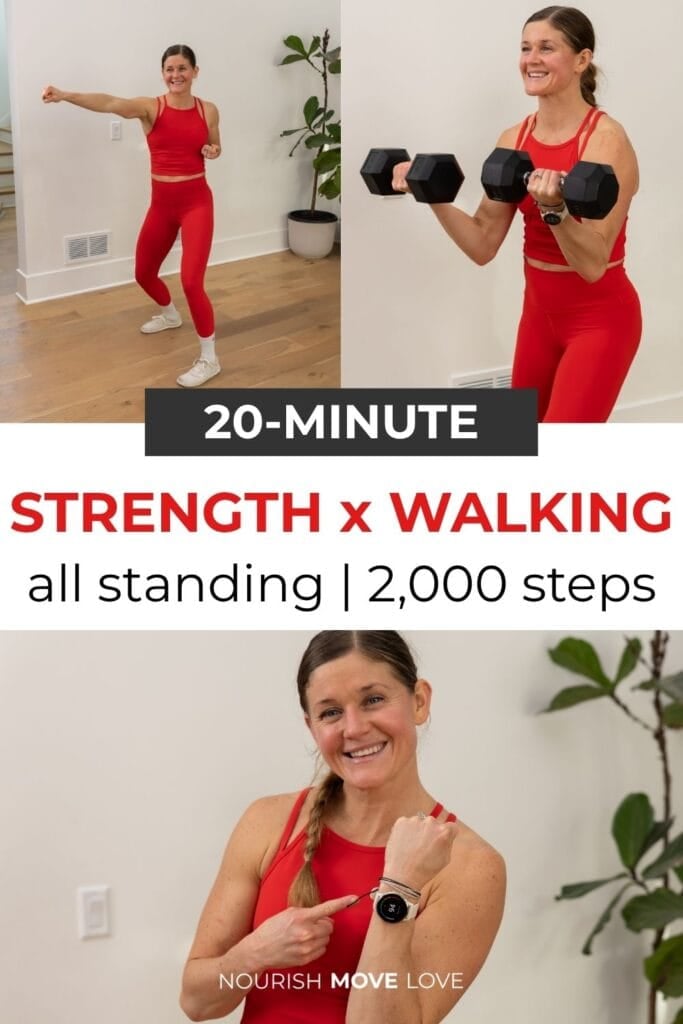
Strength and CardioPin This: At-Home Strength and Walking Workout (20 Minutes)
2 comments

Thank you for this workout!! My 3 year old LOVED doing it with me and it made me so happy that he loves your videos. Thanks again!!!
Way to go Alexis!! So glad you enjoyed this workout and love that your little joined you as well!!! I hope you come back for more! -Lindsey